

If you are looking for a beginner guide to drag racing basics, you are in the right place. This article will give you everything you need for your first event, test-and-tune night, or entry-level race. Saiba mais sobre BDO Beginner Guide 2026:.
Drag racing is one of the simplest forms of motorsport, but there are some important things you should know before going to the track. Understanding the basics will help you stay safe, have fun, and get better each time.
Many newcomers feel a bit lost at their first event. However, this guide breaks down the essentials into clear steps. Let’s explore how drag racing works, what to expect, and how you can get started.
What Is Drag Racing? Drag Racing Basics Explained
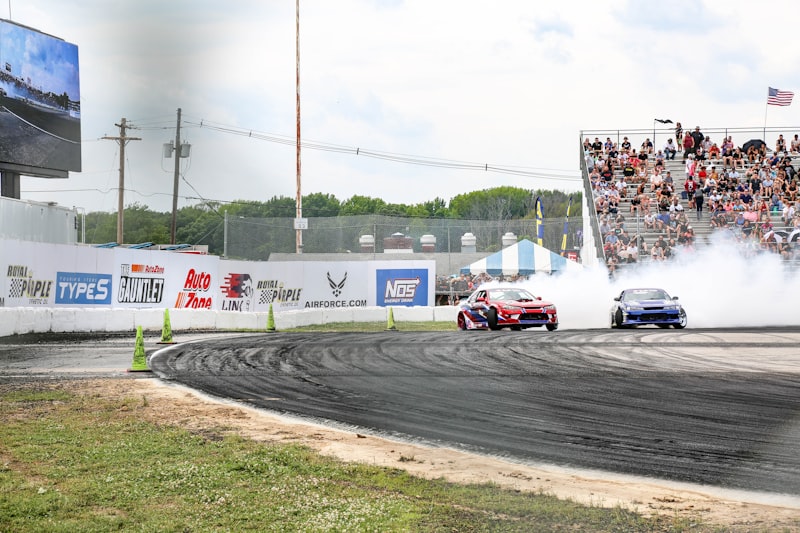
Drag racing is a straight-line motorsport. Two vehicles race side by side on a straight track. The goal is to cover a specific distance (often a quarter-mile or eighth-mile) faster than your opponent. Because of this, reaction time and car preparation matter almost as much as speed. Veja tambem: What Equipment Do You Need for Drag Racing? Essential Beginner Guide.
Most sanctioned tracks in the US have a standard setup. The following features are seen at nearly every event:. Veja tambem: Drag Racing Rules for New Racers: Beginner-Friendly Guide for 2026.
- The Track: Usually measures 1/8 or 1/4 mile (660 or 1,320 feet). There is also extra run-off at the end for slowing down safely.
- The Christmas Tree: This is the starting light system. It counts down the start. Drivers need to watch for their green light, not the opponent’s.
- Timing System: Electronic sensors measure your reaction time, elapsed time, and top speed.
- Reaction Time: How fast you leave the line after the green light.
- Elapsed Time (ET): Time taken from start to finish line.
- Trap Speed: How fast you are going at the end of the track.
- Driver’s License: All drivers must show valid ID.
- Entry Fee: Most tracks charge a small fee ($20–$40 common in 2026).
- Helmet: If your car is fast (often 13.99 seconds or faster in the quarter mile), you’ll need a helmet that meets safety standards. Slower street cars may not require a helmet, but check with the event staff.
- Basic Tools and Supplies: It’s wise to bring an air gauge, extra fluids, and a tire pump. Some drivers also pack snacks and water, since events can last several hours.
- Sign In: Register and pay your fee. You’ll be given a wristband or sticker.
- Tech Inspection: Line up for a safety inspection. Staff will look for things like a secure battery, proper tires, and the absence of loose items inside the car. Make sure everything is clean and there are no leaks.
- Pit Area: Park your car in the pit area. This is where you prep for each run.
- Get in Line: When you are ready, get into the “staging lanes.” Track staff will guide cars as they prepare for their runs.
- Approach the Burnout Box: Some drivers do a quick burnout to heat their tires, which can improve grip. For street tires, just drive around the water box rather than through it. You probably do not need a burnout as a beginner.
- Pre-Stage and Stage: Move slowly to the start line. Two lights will show “pre-stage” and “stage” on the Christmas Tree. When both are lit, stop and hold your brakes.
- Watch the Tree: The tree will cycle through yellow lights, then green. Try to react to the last yellow rather than waiting for green. Perfect reaction time is 0.000, but a low number (0.200–0.600) is great for a beginner.
- Launch and Go: Accelerate down the strip. Keep both hands on the wheel and eyes forward. Stay in your lane all the way through the finish.
- Slow Down: After the finish line, slow down smoothly before the end of the track. Follow any staff instructions for returning to the pit or time slip booth.
- Reaction Time (RT)
- 60-Foot Time
- 1/8 Mile and 1/4 Mile Elapsed Times (ET)
- Trap Speed (MPH)
For beginners, most events start with a “test and tune” night. On these nights, anyone can try their car on the strip. You do not need a race car or special gear to join. In fact, street-legal cars are common. Veja tambem: Step by Step Drag Racing Tutorial: A Beginner’s Guide for First Events.
Drag racing focuses on a few important measurements:. Veja tambem: Basic Drag Racing Terminology Explained: A Beginner’s Guide.
For your beginner guide to drag racing basics, understanding these terms makes reading your results much easier. For this reason, keep your time slip after your first run. It will show these key details.
Types of Cars and Safety Basics
You do not need a purpose-built race car to enjoy your first event. Most local tracks allow street cars, trucks, and motorcycles. However, each type may have different safety rules.
For example, street cars with basic safety gear can race if they pass a tech inspection. This inspection checks for things like working seatbelts, no leakages, and secure battery mounts. If your car runs very fast (usually under 14 seconds in a quarter mile), you may need extra gear, such as a helmet or roll bar.
On busy nights, you might see everything from daily drivers to purpose-built dragsters. Pay attention to what others are using. This will give you ideas for your next steps.
If you want more detail on drag racing formats, check out the NHRA’s Getting Started Guide.
How to Prepare for Your First Visit: What to Expect and Bring
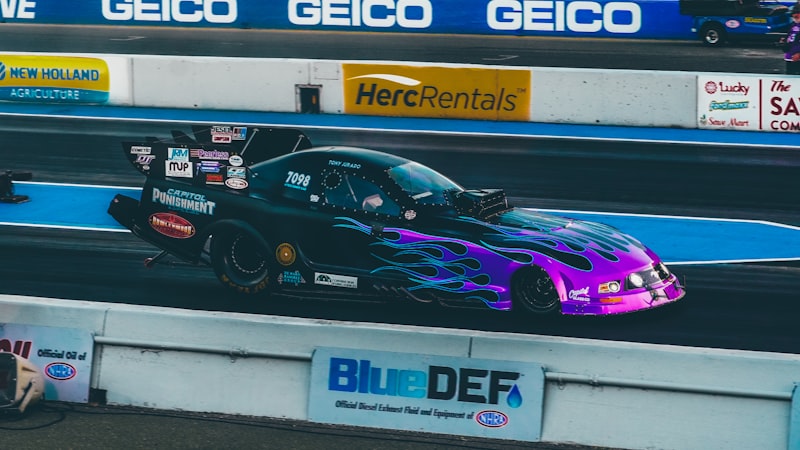
Your first visit to a drag strip can feel overwhelming, but planning ahead will boost your confidence. Most test-and-tune nights are relaxed and beginner-friendly. Because of this, tracks encourage newcomers.
First, check your local track’s website for specific rules and dates. Each location can have minor differences. For example, many require you to be at least 18 years old, though some allow younger racers with guardian consent.
What to Bring to the Track
What Happens When You Arrive
As a beginner, you might feel nervous, but friendly staff and seasoned drivers are usually willing to answer simple questions. In fact, many experienced racers remember their first night and want to help new faces.
Because drag racing is as much about safety as speed, take this approach: focus on learning the process rather than winning your first race.
Step-by-Step Guide: Your First Drag Racing Pass
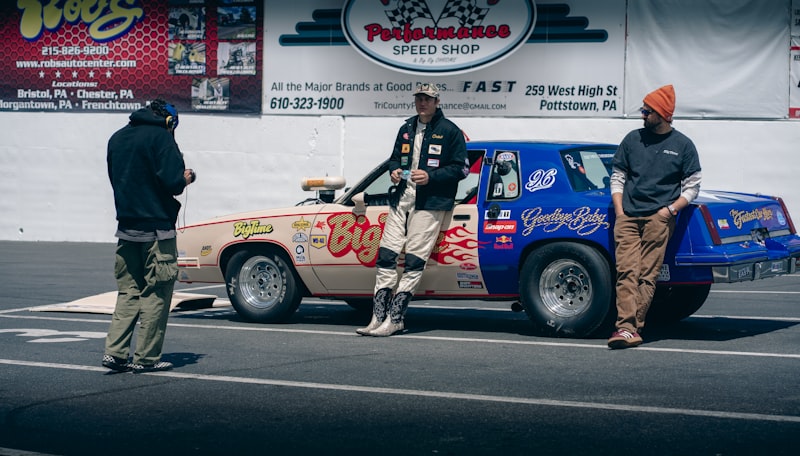
Making your first pass down the strip will be thrilling. However, following the right steps helps reduce nerves and ensures you stay safe as a beginner.
Reading Your Time Slip
After each run, get your time slip from the staff. This slip shows:
Compare your results for each run. Many new racers see their reaction time and ET improve with practice.
In summary, the process is not as complicated as it may seem. By following the routine, you will build good racing habits from the very start.
Tips and Tricks for Beginner Drag Racers
To get the most out of your experience, it helps to follow a few tried-and-true tips. Many seasoned racers started with the same questions you have now.
First, focus on consistency over speed. Trying to go fast before you are comfortable can cause mistakes or safety risks. Aim to repeat your process each pass. This helps you get better results.
Second, watch experienced racers in the staging lanes or from the sidelines. See how they line up, launch, and slow down. For example, you will notice they avoid sudden moves. Smooth, steady actions are safer and often faster.
Third, adjust your tire pressure. With street tires, lower pressure slightly (about 5 psi below normal) for better grip. However, do not go too low. Keeping the front tires at normal pressure helps handling.
Fourth, don’t forget the basics. Clear loose items from your car. Wear closed-toe shoes. Roll up your windows and buckle your seatbelt. These steps may seem simple, but they help pass tech inspection and keep you safe.
Fifth, ask questions. Track staff and other racers can offer ideas you will not find online. Most people are excited to help beginners.
Practice Makes Perfect
The more runs you make, the better you get. In fact, most newcomers see their reaction time drop by several tenths of a second in just one night. ELapsed time improvements also come as you learn to launch without spinning your tires.
According to the National Hot Rod Association, over 40,000 licensed drivers now participate in grassroots drag racing events in the US. This means thousands of new racers successfully start each year by following these same tips (NHRA 2026 Participation Data).
Finally, never lose sight of fun and safety. Winning will come later as you gain skill.
Making the Most of Test-and-Tune Nights and Entry-Level Events
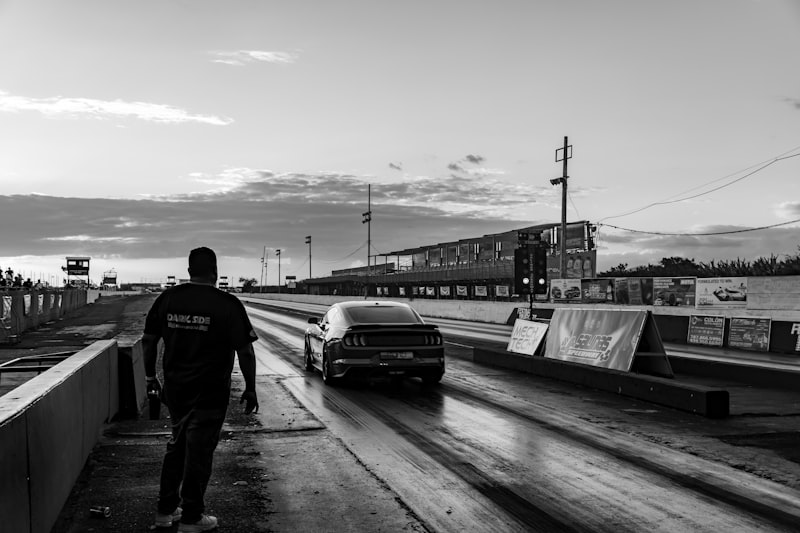
Test-and-tune nights are the backbone of local drag racing. These events welcome drivers of all levels, but especially help newcomers find their home in the sport.
How Test-and-Tune Events Work
On test-and-tune nights, the focus is on making passes and improving skills. You are not racing for trophies; instead, you are building experience. In addition, you can try different launch techniques or tire pressures between runs.
For beginners, this is the best way to learn without pressure. Most tracks let you make as many runs as possible in a given time.
Entry-level bracket racing is another good way to start competing. In bracket racing, each driver picks a “dial-in” (predicted elapsed time). The first car to cross the finish line without running quicker than their dial-in wins. This system makes it possible for slower cars and new drivers to succeed with consistency.
Many test-and-tune nights run alongside bracket races. This gives you a chance to watch or even try competition at your own pace.
Community, Growth, and Next Steps
Local drag strips are known for strong communities. Many newcomers make friends, get advice, and find mentors on their first night. Join local forums, social media groups, or meet other racers in person. This helps you stay updated about upcoming events and tech changes.
As you improve, you might invest in better tires, a helmet, or small car upgrades. Set goals for better times, not just bigger speeds.
Remember, every champion started with a first run down the strip.
Conclusion

This beginner guide to drag racing basics covers everything you need for your first event. We covered what drag racing is, how tracks operate, and how to prep for your first night. You also learned a complete step-by-step process for making a safe, fun first pass.
Drag racing welcomes newcomers at every track across America. Take your time, ask questions, and focus on consistency. Over time, you will improve and enjoy every run.
If you want to go deeper, check out beginner resources from the National Hot Rod Association or your local track’s website. Now you are ready to try your first event and join the community. Good luck, and enjoy your first trip down the strip!
Leave a Reply