

Learning drag racing rules for new racers is the first step to a safe and exciting start at your local track. As a beginner, understanding the basics is critical before your first test-and-tune night or entry-level race. This guide is designed for newcomers who want to join events, follow best practices, and avoid common mistakes.
Drag racing is one of the most thrilling motorsports in the U.S. However, it comes with a set of strict rules for your safety and fair competition. In this article, you’ll find easy-to-understand instructions, etiquette tips, and practical examples. This will help you have a great first experience at the track.
The Most Important Drag Racing Rules for New Racers
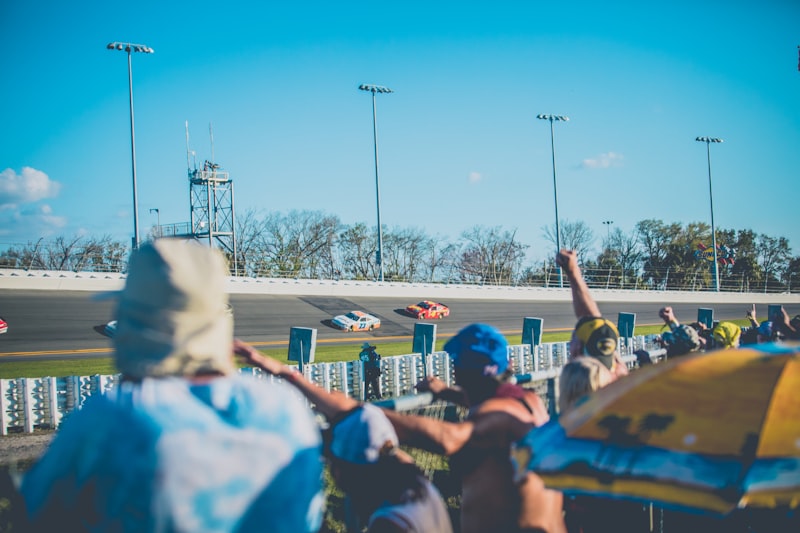
Every beginner must know the main drag racing rules for new racers before joining their first event. Each track may have slight differences, but most use rules set by the National Hot Rod Association (NHRA) or the International Hot Rod Association (IHRA). Below you’ll find the guidelines that matter most for your first outing. Veja tambem: Step by Step Drag Racing Tutorial: A Beginner’s Guide for First Events.
First, always wear the required safety gear. For street cars running slower than 14 seconds, most tracks require a helmet that meets Snell or DOT standards. You may need additional safety items, such as a fire jacket or harness, if your car is faster. In fact, all vehicles must pass a simple tech inspection. This includes checking for working seatbelts, good brakes, tight battery hold-downs, and no leaks. Veja tambem: Basic Drag Racing Terminology Explained: A Beginner’s Guide.
Second, arrive early for registration and tech inspection. This is where track officials check your car for safety features. If this is your first event, let the staff know. They can answer questions and explain the process. Registration will give you a tech card to fill out, which records your car’s details and emergency contacts.
Third, once cleared for racing, you need to understand track etiquette. For example, only enter the staging lanes when directed by officials. Do not “burn out” unless allowed. Follow starter signals. Line up at the pre-stage and stage lines properly—this triggers the timing system. When the lights go green, make your run. After crossing the finish line, let off the gas and use the shutdown lane. Do not stop abruptly or turn around on the track.
Every beginner should always listen to officials, obey all speed limits in the pits, and not rev engines near crowded areas. Because of this, new racers earn respect and keep everyone safe. If you have questions, ask track staff or other racers. Drag racing is a friendly community, especially for first-timers.
Common Mistakes Beginners Make
Many newcomers forget to check for small leaks or worn tires before inspection. Others get nervous at the starting line and roll past the stage beams, which will give them a false start. In addition, beginners sometimes celebrate too early and do not slow down at the right place. Remember, safety comes first in every part of the event.
What to Expect at Your First Test-and-Tune Night
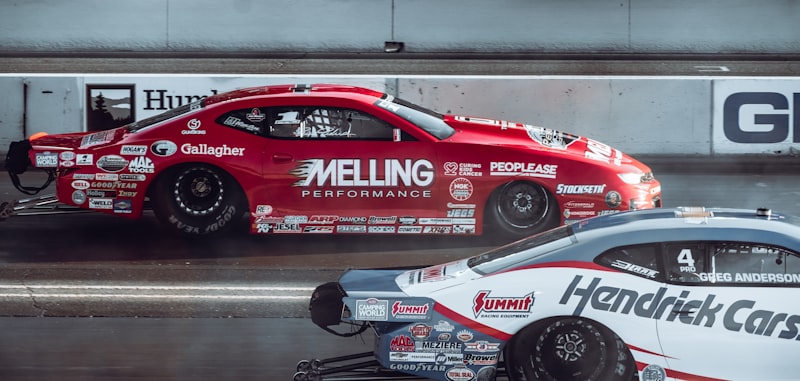
Test-and-tune nights are beginner-friendly events designed for learning. Here, you can practice launching, staging, and driving down the dragstrip without the pressure of formal races. Knowing what to expect makes it easier to relax and have fun as a new racer.
When you arrive, park where staff direct you. Walk to the registration booth with your driver’s license and payment ready. Once checked in, fill out your tech card. In many cases, the tech inspector will check your helmet and car. If you pass, you’ll get a sticker or wristband for racing.
At the staging lane, a staff member will group cars and send them up to the starting line. When it’s your turn, drive carefully to the burnout box. For most streetcars, burnouts are optional unless the track is wet. Roll forward until your front tires just break the first beam (pre-stage). Then ease forward until you light the second bulb (stage).
Once both racers are staged, watch the tree. Yellow lights count down—you go as soon as you see green. Wait until the green light to avoid a “red light” start, which means disqualification. After you finish the run, let off the gas, use the brakes gently, and exit at the return road. In fact, every beginner should avoid turning around on the track.
After your run, you can get your time slip. This shows your reaction time, elapsed time (E.T.), and speed (MPH). Use this info to spot areas for improvement.
According to NHRA data, most new racers start in street classes with ETs between 15 and 18 seconds. Your first runs might be slow, but consistency and safety matter more than speed. Experienced racers often help newcomers at test-and-tune events, so don’t hesitate to ask for tips or advice.
In addition, never race outside official events. Street racing is illegal and dangerous. Authorized drag strips offer a safe, controlled setting to enjoy the sport.
Drag Racing Safety and Track Etiquette
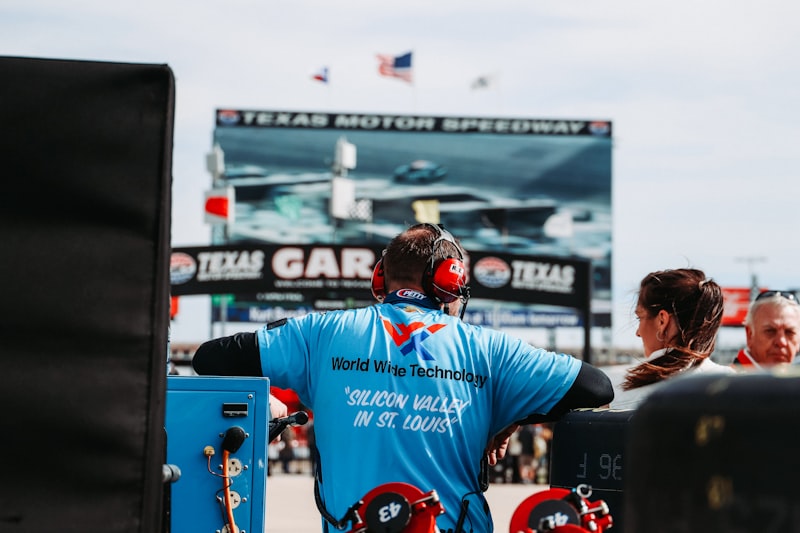
Safety and courtesy are the foundation of every successful drag racing event. As a new racer, you must follow both written rules and unwritten track etiquette. This will help you stay welcome at the track and avoid preventable dangers.
First, always wear closed-toe shoes and long pants, even for slow street cars. For cars running faster than 13.99 seconds, you may need a racing jacket, roll bar, or harness. NHRA rules require a helmet certified for motorsports. Ask at tech inspection if you are unsure if your gear meets standards.
Before racing, clear your car of loose items. Remove floor mats, tools, water bottles, and anything that could slide around. In addition, check for oil or coolant leaks. Tracks enforce this because spills can cause accidents on the strip.
Never speed in the pits or staging lanes. The speed limit is usually 10 mph. This rule prevents costly mishaps and injuries. Keep your pit area clean and be respectful to other teams. For example, don’t block trailers or take up extra spaces.
When in the staging lanes, do not jump ahead of other racers. Wait your turn and follow staff instructions. On the starting line, move slowly to avoid fouling the pre-stage and stage beams. If you accidentally go past the staging line, back up only if safe—otherwise, accept the foul and try again next round.
After a run, watch for officials as you exit the track. Never do burnouts or race on the return road. Wait patiently for your time slip. If you see a red or yellow flag, stop and await instructions from track staff.
In summary, being polite and aware makes drag racing safe for all. This approach builds a good reputation and helps you progress to more advanced levels or classes.
For additional beginner safety guidance, visit NHRA’s safety tips page.
Understanding the Drag Strip: From Tech Inspections to Time Slips
Knowing the layout and routine of a drag strip will reduce your anxiety as a new racer. Let’s break down each step and explain important terms you’ll hear at every event.
First is registration. Bring your driver’s license, entry fee, and car registration (if required). New racers should arrive early—lines can get long, and being rushed adds stress. The tech inspection comes next. Inspectors will ask about your car and inspect the battery, tires, brakes, belts, and helmet. If your car passes, you’re ready for racing.
Next, you drive to the staging lanes. Races are released in order by class or run group. Listen to announcements or watch scoreboards for your number.
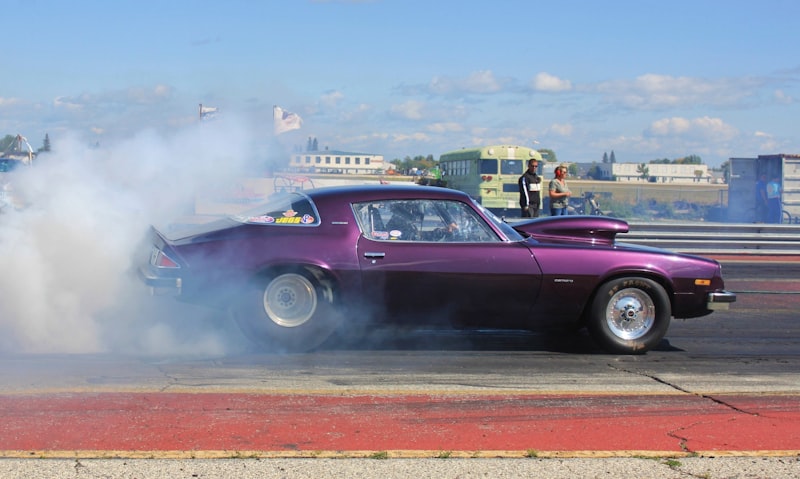
Once in the burnout box, only do a burnout if told by staff (or if your car needs it). This warms the tires for better grip. For most street tires, a short spin is enough or not needed at all.
On the starting line, the “Christmas Tree” shows the countdown: 3 yellow lights, followed by green, then red. When both the pre-stage and stage bulbs are lit, you are ready. React as soon as you see the green. However, jumping the gun will trigger a red light, which ends your run.
The dragstrip’s surface is prepped with traction compounds. This makes it stickier than typical pavement. In addition, some tracks use rubber rollers (“track broom”) to keep the launch area clean. While running, stay in your lane! Crossing the center line can mean immediate disqualification. It is also dangerous for both racers.
After you finish your pass, continue at reduced speed to the turnoff road. Track officials will direct you if there’s any incident. Finally, pick up your time slip: this small printout lists your reaction time, E.T., and trap speed.
These basics allow every new racer to go through their first event with confidence. If you want to see video walk-throughs or learn official rules, visit the NHRA’s How to Drag Race resource.
Common Drag Racing Terms for Beginners
- Staging Lanes: Where cars wait their turn
- Burnout Box: Special area to heat up tires
- Christmas Tree: The set of lights that starts the race
- Reaction Time: How quickly you move after the green light
- E.T. (Elapsed Time): Total time from start to finish
- Trap Speed: Your speed at the finish line
By learning these terms, you’ll have an easier time following instructions and understanding your results.
Preparing Your Car and Mindset for Your First Race
Getting ready for your first drag racing event takes more than just showing up with your car. Beginner racers should focus on safety, preparation, and a positive attitude. This section covers simple steps to get your car and yourself set for a great experience.
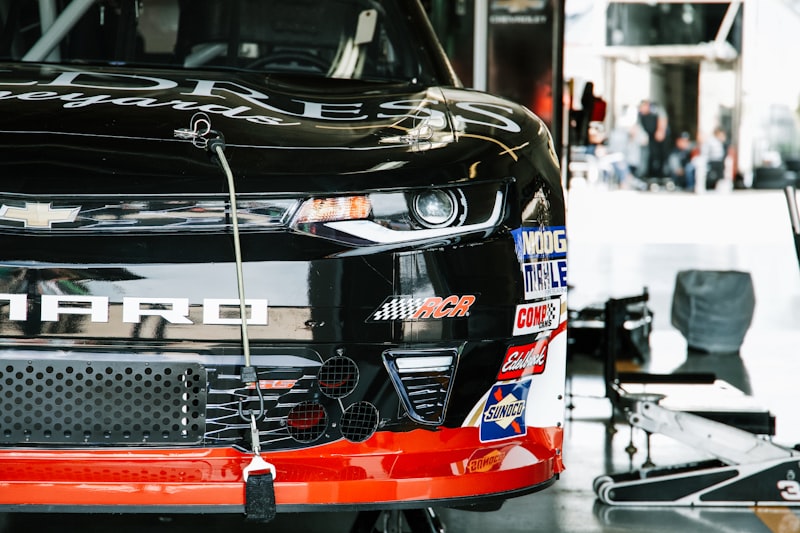
First, check your car’s basic systems a few days before the event. Inspect tires for wear, cracks, or low tread. Fill all fluids—oil, coolant, brake, and washer fluids. Check that brake lights, turn signals, and headlights all work. Tighten lug nuts and check battery hold-downs. If your car has performance upgrades, make sure they are legal in your class.
Clean out all loose items from your interior and trunk. This is a requirement at almost every track. Even a small item can become a hazard when accelerating quickly off the line.
Next, prepare your own gear. Bring a certified helmet, long pants, and closed-toe shoes. For cars running under 13.99 seconds, consider a fire-resistant jacket as well. Many drivers keep a checklist so they do not forget anything. In fact, writing down what tools and spare parts you bring will help you stay organized.
In addition, bring water, snacks, sunscreen, and a chair to your pit area. Drag racing events often run for several hours. Stay hydrated and eat light before racing.
Proper mindset is just as important. Don’t focus on winning your first races—instead, focus on learning proper procedures. Listen for your number to be called for each run. Ask other racers for advice. They were in your shoes once.
If you make a mistake, like false starting or missing a gear, don’t worry. Every new racer is nervous at first. The staff and other drivers understand and will help. Treat every pass as a learning opportunity.
As you gain experience, your reaction times and elapsed times will improve. Many beginners see their E.T. drop by 1-2 seconds over their first season. Enjoy the process and celebrate your progress.
Conclusion
Starting out in drag racing can be thrilling and intimidating. By following drag racing rules for new racers, you’ll ensure safety, have more fun, and gain respect from officials and fellow racers. Focus on safety gear, clear tech inspections, and calm performance at the starting line. Use test-and-tune nights to practice and ask for advice when needed.
Join your local drag strip community with confidence. Stay patient, respect the rules, and keep learning. For more tips and event calendars, keep following beginner guides here at ecredexa.com. Start your drag racing journey the right way—one pass at a time.
Leave a Reply