

If you are wondering what equipment do you need for drag racing, you are not alone. Many first-timers have the same question before joining their first test-and-tune or entry-level race. In fact, having the right gear is both a safety and performance matter.
Whether you are visiting your local track or planning to race at a regional event, it helps to know the basics. This guide will explain every piece of must-have equipment you need, with real tips for beginners. We will focus on what entry-level racers really need for a safe, legal, and enjoyable first experience.
Drag racing might seem simple from the stands, but the right preparation makes all the difference. This article will help you arrive ready, confident, and focused on enjoying your first night at the strip. You will also find practical examples, references, and links to official resources.
What Equipment Do You Need for Drag Racing? The Basic Safety Checklist
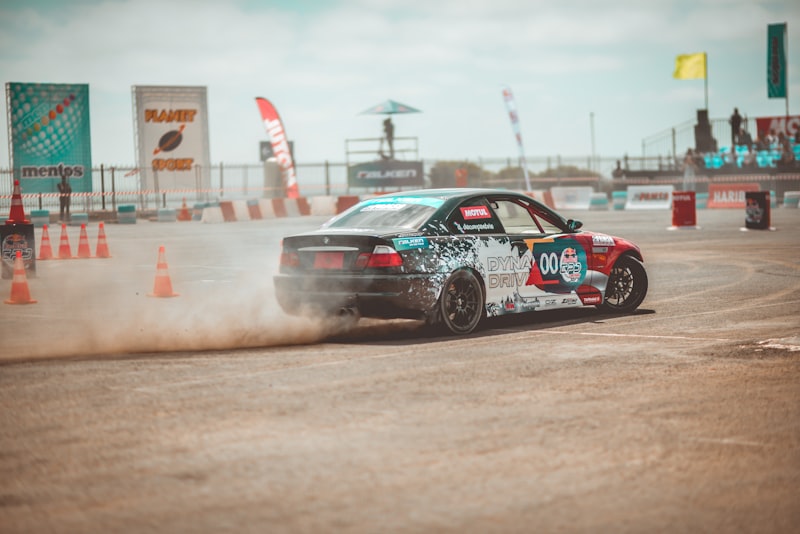
Safety is the top concern when asking what equipment do you need for drag racing. Even beginner-level events have strict technical requirements. These rules are not just for show. In fact, tracks enforce them for your safety and the safety of everyone around you. Veja tambem: Drag Racing Rules for New Racers: Beginner-Friendly Guide for 2026.
First, let’s look at what’s always needed—no matter your level or the car you drive.
Helmet: Every racer needs a quality helmet. The National Hot Rod Association (NHRA) and most tracks require one with a certified Snell SA rating (either SA2020 or SA2015 is allowed in 2026). The helmet should fit snugly, have no cracks, and meet the track’s posted standards. Motorcycle helmets are often not accepted at tech inspections for cars.
Long Pants and Shirt: It might sound basic, but long cotton pants and a shirt with sleeves are often required, even for first-timers. Synthetic materials melt in high heat. Therefore, most tracks do not allow shorts or tank tops while driving.
Closed-toe Shoes: Proper footwear is non-negotiable. You must wear closed-toe shoes—no sandals or flip-flops allowed.
Seat Belt: While your street car comes with a standard seat belt, you must use it for every run. If you have a race car running under 13.49 seconds in the quarter-mile, you may need a harness or an updated seatbelt system. Check with your track before showing up.
Battery Hold-down: If your battery isn’t tightly secured, you won’t be allowed to race. This is a key point at tech inspection. Use the factory bracket, not bungee cords.
Overflow Tank: Many sanctioned tracks require a coolant overflow or recovery tank. This keeps fluids off the racing surface.
Additional items you may need as a beginner:
- Numbers or Class Stickers (often provided at registration)
- Valid Driver’s License (minimum age set by each track)
- Vehicle Registration and Proof of Insurance (for street-driven cars)
- Tire pressure gauge (for safe adjustments)
- Floor jack and jack stands (for tire changes or quick repairs)
- Basic hand tools (to handle surprises at the track)
- Fire extinguisher, mounted close to the driver
- Head and neck restraint devices (for advanced classes)
- Driveshaft scatter shield (required for some manual transmissions)
For more information on specific safety requirements, visit the NHRA Rulebook.
Practical Example: Test-and-Tune Night
Let’s say you’re entering a Friday night test-and-tune with your daily sedan. Organizers will check your helmet for markings, ask you to wear long clothes, and look under your hood for loose batteries or leaks. If your car passes basic inspection and you bring your license, you are allowed to make runs down the dragstrip.
Because of this equipment list, you’ll avoid being turned away at the gate. You will also start your drag racing hobby the right way.
Preparing Your Car: Technical Inspection and Common Upgrades
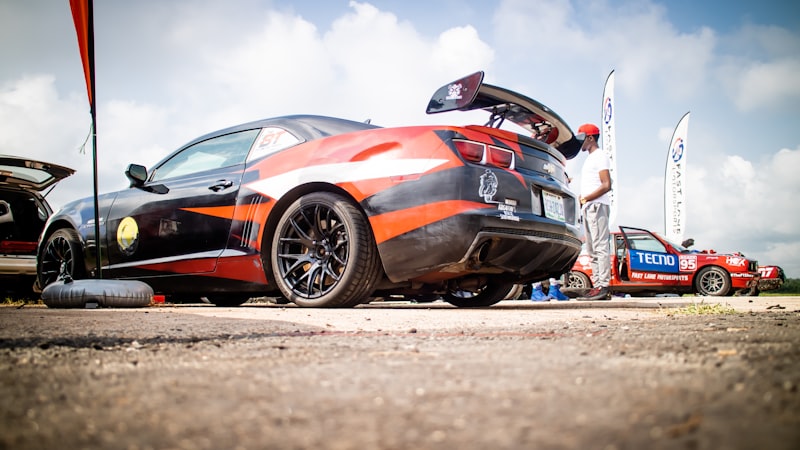
Before your first pass, every car goes through a routine “tech inspection.” This process checks that your car meets basic safety standards—not just vehicle speed. Knowing the equipment inspectors look for will help you pass tech with no problems.
Tires and Wheels: Tires must be in good shape, with plenty of tread and no cords showing. In addition, wheel lug nuts should be present and tightened. Slicks or drag radials are not required for entry-level events but are allowed if you have them.
Brakes: Your braking system should work as designed. If your brake pedal feels spongy or you hear grinding, fix the problem before race night.
Engine Leaks: Any visible oil, fuel, or coolant leaks will result in automatic disqualification. Clean up leaks and make sure all fluid reservoirs are topped off.
Exhaust System: Most tracks require that the exhaust system runs to at least the rear of the driver’s seat. Open headers or loud exhausts may be banned at some events.
Driveline and Suspension: Look for broken or loose suspension parts. Fasteners, shock absorbers, and the driveshaft (if visible) all need to be tight.
Upgrades for first-timers (optional but helpful):
Because tracks also want to avoid surface damage, you should check your radiator hoses and oil lines for cracks. In summary, tech inspection ensures that both the racer and the car are safe. Therefore, do your own check before you leave home.
Real Track Example
Many beginners race their daily drivers with only minor tweaks. For example, bringing a portable air compressor lets you lower rear tire pressure for more traction. Borrow a torque wrench to check your lug nuts before your first run. In fact, simple prep like this avoids most technical issues that slow down new racers.
Personal and Vehicle Safety Gear: Stepping Up Your Game
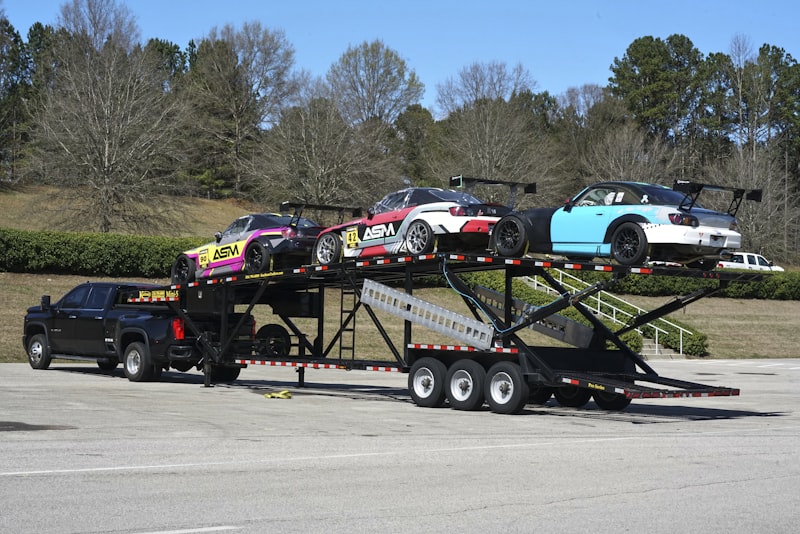
If you start running quicker times or modifying your car, some extra equipment becomes mandatory. Regulations tighten as your car’s performance improves. Tracks follow the NHRA or IHRA rulebooks, depending on location.
Fire Jacket and Pants: Once your car goes faster than 13.49 seconds in the quarter-mile or is modified (for example, with nitrous or turbos), you’ll need fire-resistant gear. An SFI 3.2A/1 jacket is the minimum, and some tracks also require SFI pants for cars running faster than 11.49 seconds.
Roll Bar or Roll Cage: Cars that run 11.49 seconds or faster, or certain convertibles, must have a roll bar. This bar protects drivers in the case of a rollover. For even quicker cars (10.00 or faster), a full roll cage is required.
Driveline safety: A driveshaft loop (a steel ring that contains a broken driveline) is necessary for rear-wheel-drive cars running under 13.99 seconds. This keeps you safe if the driveshaft fails under launch.
Racing Harness: Five-point harness seat belts are required for cars with roll cages or running under 11.49 seconds. An SFI label proves that the harness meets track standards.
Window Net: This prevents your arms from leaving the cockpit during a crash. Nets are required in cars with roll cages or faster elapsed times.
Parachute: For cars running over 150 mph in the quarter-mile, a parachute is required. Most beginners will not need one, but it’s a part of the rulebook.
Other gear you might see at events:
If your car still runs slower than 13.49 seconds—and is mostly stock—you may not need most of this gear. However, these rules show how organized the sport of drag racing has become in 2026.
For more on required safety gear by performance level, check out the IHRA Official Rules.
Example: Upgrading Beyond the Basics
Picture a racer whose car is running low 12-second passes. After a few beginner events, the car gets drag radials and a new exhaust. The racer must now buy an SFI fire jacket, helmet, harness, and—even if not yet required—a roll bar for future upgrades. Making smart choices about equipment now avoids costly mistakes later.
Useful Tools and Trackside Gear for Beginners
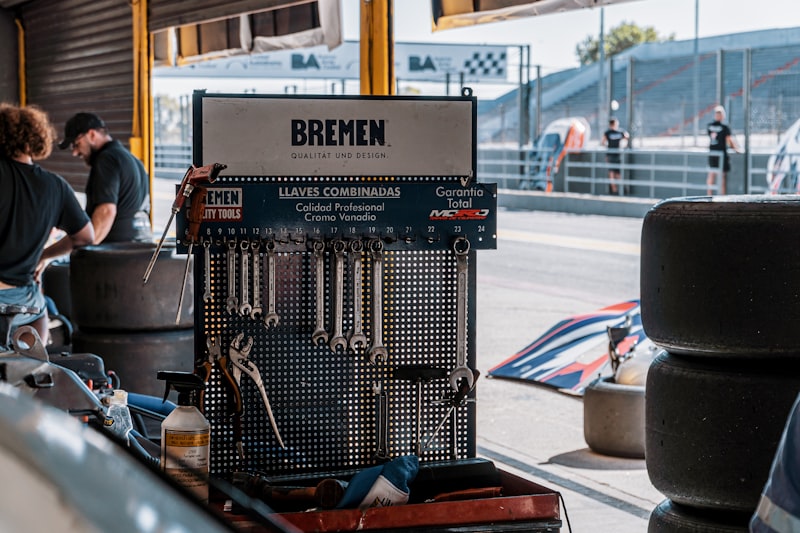
Beyond formal safety requirements, what equipment do you need for drag racing success includes many small, practical items that improve your experience at the track. While not always required, these tools are highly recommended for anyone starting out.
Tire Pressure Gauge: A reliable, analog or digital gauge lets you dial in tire pressure before each run. This small tool helps with both traction and consistency.
Air Pump or Compressor: If you air down your rear tires, you’ll need to add air before you drive home. Portable air pumps work well.
Basic Tool Box: Include wrenches, ratchets, sockets, pliers, a flashlight, spare spark plugs, and a tire inflator.
Torque Wrench: Use this tool to check lug nut tightness before your first run and after changing tires.
Blue Painter’s Tape: Mark your car number or cover headlights for extra safety, especially at night events.
Notebook or App: Record your times, notes, and car setup data. Over time, this helps you see improvement and spot patterns.
Chair and Shade: Bring a folding chair and a canopy if allowed. Racing often includes long waits between runs.
Cooler with Water and Snacks: Stay hydrated and energized. Drag racing is physically demanding, especially in summer.
Ear Protection: While not a rule, drag strips are loud. Foam plugs or earmuffs help you enjoy the event safely.
Phone Charger or Power Bank: Track events can last for hours. Therefore, a backup charger keeps you connected and lets you use timing apps.
Example: Preparing Your Track Bag
Let’s say you are heading to a “rookie” night at your local strip. In addition to your helmet and long pants, fill a small bag with a pressure gauge, torque wrench, and bottled water. When you line up, you’ll have everything nearby. If someone else needs a wrench or a piece of tape, you will be the hero in the pits.
In summary, the right tools do not replace safety gear, but they make race day smoother and more fun for everyone.
Tips for Your First Drag Racing Night: Entry-Level Best Practices
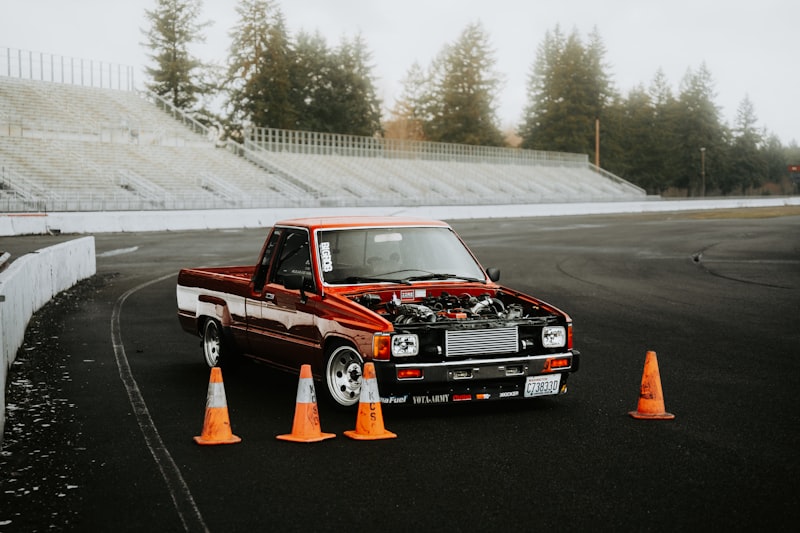
For many readers, learning what equipment do you need for drag racing is only the first step. Going to your first event can feel challenging, but a few straightforward practices help you avoid stress and have more fun.
Arrive Early: Tech inspection lines can be long. Arriving before the gates open lets you set up, check your car, and settle nerves.
Ask for Help: Track staff and veteran racers are friendly. If you are unsure about a requirement or setup, just ask. In fact, most are happy to share advice.
Read the Rulebook: Spending 10 minutes with the NHRA or IHRA rulebook avoids surprises. Print or bookmark the relevant pages for quick reference.
Bring Paperwork: You always need your driver’s license, entry receipt, and car registration. Some tracks may ask for proof of insurance.
Expect Waiting: Drag racing involves downtime between runs. Bring something to read or a friend to hang out with.
Respect the Staging Lanes: Listen for instructions and do not move forward until called. First-timers often move too soon or wait too long.
Watch Other Racers: Observing more experienced drivers helps you understand the routine. You will see how to stage, where to stop, and when to accelerate.
Pack Up Promptly: When your group is finished, pick up your tools and trash. Tracks value clean pits.
Stay Safe, Not Sorry: If you hear an odd noise or have doubts about your car, do not race it until fixed. Safety always comes first.
Join Local Forums or Groups: Many tracks have Facebook groups or Drag Racing Online for tips and event news.
First events are often about learning, not winning. Treat each pass as experience gained. Over time, your comfort with track procedures and equipment grows.
Conclusion
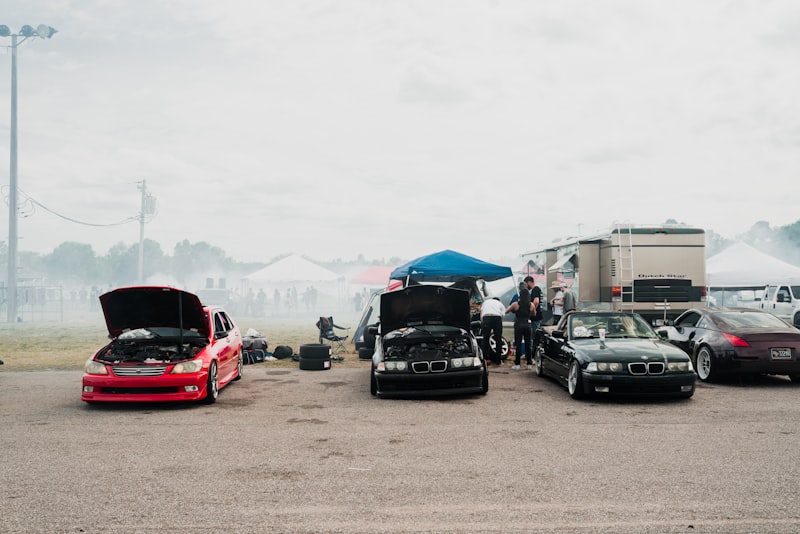
In summary, knowing what equipment do you need for drag racing makes your first outing safe, smooth, and fun. From helmets to tire gauges, each piece plays a vital role. Always check your local track’s tech rules, arrive prepared, and choose gear that matches your speed and goals.
Don’t hesitate to talk to seasoned racers or staff—they are often the best resource. With the right preparation, your racing journey will start on the right foot. Ready your equipment and hit the strip with confidence this season!
Leave a Reply