

Getting basic drag racing terminology explained is crucial if you want to enjoy your first trip to the drag strip. Every motorsport has its own language, and drag racing is no different. For those heading to their first event or a test-and-tune night, understanding these terms will help you enjoy the action and interact with racers and fans.
In this guide, we break down key drag racing words and phrases. We also give examples and practical advice for beginners. By learning this language, you will feel confident on race day and get more fun out of your experience.
Let’s explore the must-know drag racing vocabulary you’ll hear at every event.
Basic Drag Racing Terminology Explained: The Essentials for First-Time Racers
Before your first night at the strip, you will hear words that might sound odd. However, knowing what they mean will help you blend in and stay safe. Below are some of the most common terms, explained for newcomers.
Dragstrip: The straight, paved surface where races take place. Most strips are a quarter-mile (1320 feet) or eighth-mile (660 feet) long. For example, Bandimere Speedway in Colorado is a well-known quarter-mile track.
Christmas Tree: This is not a holiday plant. In fact, it is a tall signal light structure at the starting line. It features several colored bulbs stacked vertically. When racing, the bulbs indicate when to start. Amber lights signal “get ready,” while the green light means “go.” A red light means you have started too early, causing a foul or “red light.”
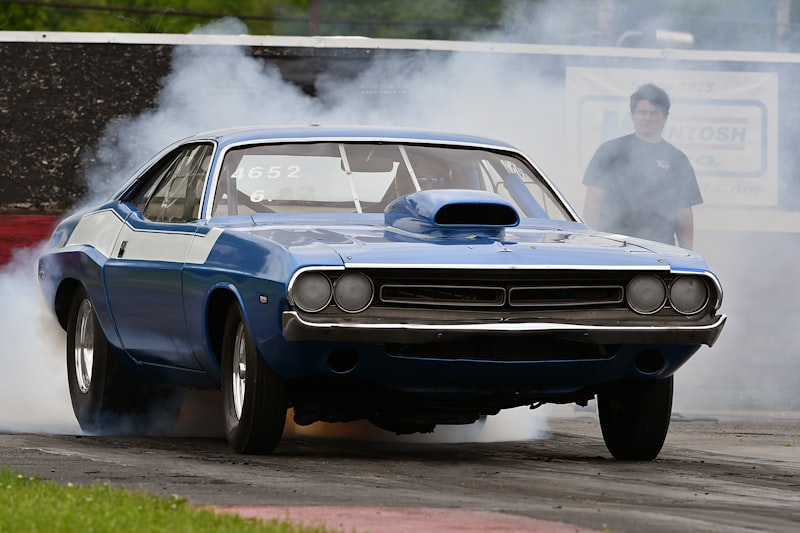
Burnout Box: This is a wet, marked spot before the starting line. Racers use it to spin the tires and heat them up. Doing a burnout improves traction. For example, most street cars do not need a heavy burnout, but dragsters often do.
ET (Elapsed Time): This is the total time it takes a car to go from the starting line to the finish line. A 10.5-second ET means the car traveled the strip in 10.5 seconds.
Dial-In: If you watch a bracket race, you will hear this term. The “dial-in” is a racer’s predicted ET for their car. In bracket racing, you try not to go faster than your dial-in.
Breakout: If a racer finishes the run faster than their dial-in, they “break out” and lose, unless the other driver fouled.
Staging: Before a run, racers drive their cars into position over sensors called “stage beams.” There is a “pre-stage” beam and a “stage” beam. Lining up correctly guarantees a fair start.
Reaction Time: This is how fast a driver responds to the green light on the Christmas Tree. It is measured in thousandths of a second. A quicker reaction means a better start, but a perfect reaction is 0.000.
Because of this vocabulary, you can now follow conversations at the track. For even more terms and details, check out the National Hot Rod Association’s drag racing glossary.
Staging Lanes, Time Slips, and Grudge Racing
Staging Lanes: These are the lines or waiting spots behind the start area. Racers go here before their run. Track workers call cars from these lanes to the track, making sure the event runs on time.
Time Slip: After a run, each racer gets a printed slip. It shows reaction time, ET, trap speed, and other stats. Keep your first time slip—it’s a badge of honor for rookies.
Grudge Race: This is an informal, “just for fun” race where two competitors challenge each other. There is often pride, but no prizes, at stake.
New racers should pay attention to these details when attending test-and-tune events or entry races.
Race Day: What to Expect and the Key Rules
On your first race day, it helps to know not just the terms, but also the flow of events and basic race rules. In fact, having “basic drag racing terminology explained” can mean the difference between feeling lost and fitting in.
Test-and-Tune Night: These sessions let anyone—amateurs or pros—try their car on the track. No trophies are given, but you get to learn safely. For instance, most beginners start with test-and-tune runs.
Tech Inspection: Before racing, officials check your vehicle to ensure it meets safety rules. This process is called a “tech inspection.” They look for basics like seat belts, working brakes, and safe tires.
Pairing: At the strip, racers usually line up two at a time. A “pairing” is simply which cars face off in a given run.
Bye Run: In eliminator rounds, if there’s an odd number of cars, one advances alone. This solo pass is called a “bye run.” The racer still needs to complete the pass for the round.
Ladder: This is the tournament chart that shows who races whom in each round.
Because of these rules, new racers should observe and ask track staff questions. By learning the flow, you avoid mistakes and get the most from your experience.
Safety Tip: Always wear appropriate gear. Most tracks require long pants, closed shoes, and a helmet for quick cars. In addition, always listen to the starter and respect the staging lights.
For more on event types and what to expect, see this beginner’s guide to drag racing events.
Understanding Race Classes and Vehicle Types
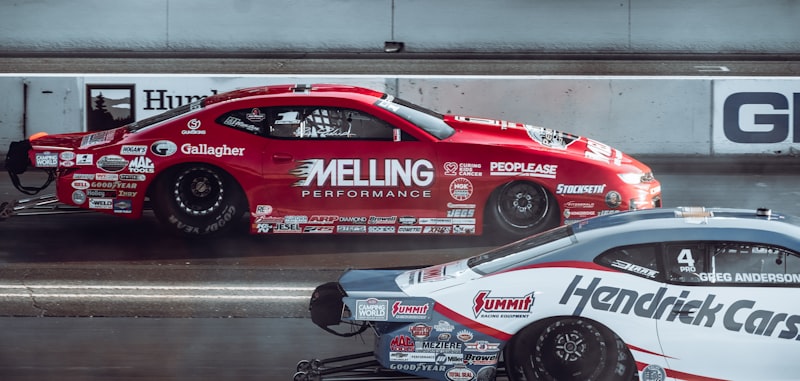
Drag racing has many classes. Each has its own rules for driver skill, car power, and modifications. However, as a first-time participant, you will likely start in beginner categories.
Bracket Racing: This popular type welcomes different cars and skill levels. Each driver sets a “dial-in” and tries to run as close to it as possible. Going quicker than the dial-in (breaking out) means a loss.
Heads-Up Racing: Here, both cars start at the same time. The first to the finish wins. There is no dial-in, so the faster car usually wins. However, only well-matched cars compete in heads-up classes.
Street Class: Many tracks have a “Street” or “Street Legal” class. These are for cars that can legally drive on public roads, with minimal modifications. New racers often find these classes less stressful and easier to start in.
ET Class: “ET” stands for “Elapsed Time.” In these classes, cars race others with similar ETs. You might see names like “12.00 ET” or “11.50 ET” class.
Junior Dragster: For kids between ages 5 and 17, junior drag racing offers a way to get involved early. These cars are half-scale and run the eighth-mile.
Nevertheless, not all tracks offer every class. Ask the event staff which classes are best for beginners. Also, check the track’s website before your first race.
Because of this class system, people with all types of cars and skill levels can compete and enjoy drag racing.
The Details: Timing, Scoring, and Decoding a Time Slip
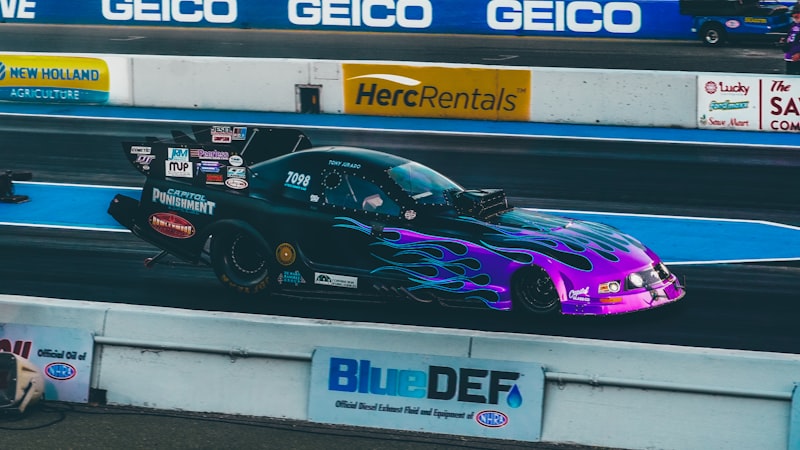
Seeing your first time slip can feel confusing if you do not know the terms. However, understanding each part will help you improve and enjoy your run.
60-Foot Time: Shows how fast you cover the first 60 feet of the track. In fact, this is a key number for racers. A better launch will lower this time. For example, a typical street car may run 2.1 to 2.4 seconds. A modified car may run under 1.6 seconds.
330-Foot, 1/8-Mile, and 1000-Foot Times: Your time slip also shows these incremental marks. They help you see where your car is strong or weak. For beginners, focus on 60-foot and overall ET.
Trap Speed or Mile-Per-Hour (MPH): This is your speed as you cross the finish line. For example, a 13-second street car may go through the traps at 100 mph. Faster cars might top 120 mph or even 150 mph.
Reaction Time (RT): As explained before, this is your response time to the green light. It is NOT included in your ET. Two drivers can finish with the same ET, but the one with a better RT will win the race.
Winning Margin: Some slips show the gap between racers at the finish. This can be just a “win/loss” notice or more detailed.
Red Light: If your reaction is too quick and you leave before the green, you “red light.” This is shown on the slip and usually means you lose, unless the opponent does worse.
Because of these data points, beginners can measure progress and set goals. Save your slips and compare them over time. In fact, many racers keep a logbook of changes and results.
For a deeper look at drag race scoring, see the NHRA’s timing and scoring basics.
Pit Etiquette, Track Safety, and Making the Most of Your First Event
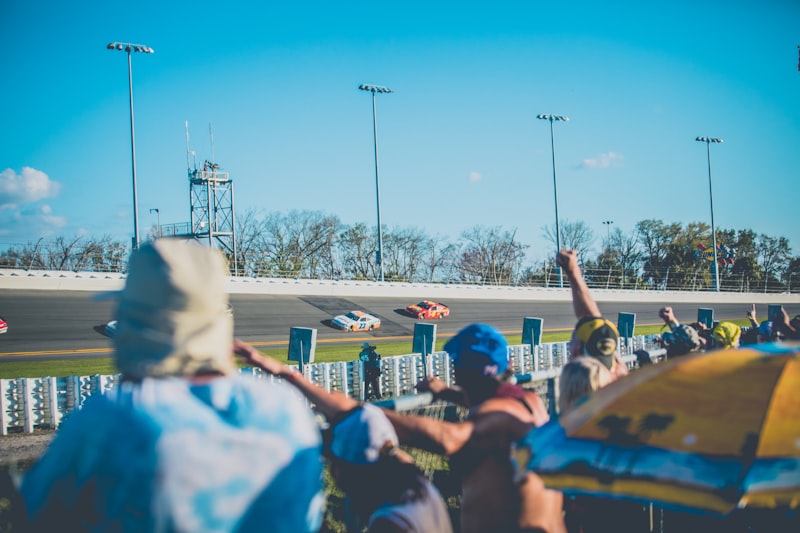
Understanding the lingo is helpful, but knowing what is expected in the pits and on the track is just as important for beginners. Therefore, always respect the people and rules around you.
Pits: This is the area where racers park, do small repairs, and wait for their turn. Only move your car at a walking speed in the pits. Always keep a lookout for children and those on foot.
Track Officials and Starters: Listen to track staff at all times. The starter controls when cars go to the line. Track officials do safety checks and answer questions. Do not argue or ignore instructions; safety is their job.
Spectator Areas: Stay in designated spots if you’re not racing. Some fans bring ear protection since engines can be very loud.
Cool-Down: After a pass, follow the return road back to your pit. Do not stop on the track unless ordered by an official. This keeps the event running smoothly for everyone.
Respect Your Lane: Do not cross into another car’s lane, on or off the track. This is vital for safety and sportsmanship.
Trash and Cleanup: Always pick up after yourself. Most tracks provide bins and cleanup stations. A clean pit shows respect for the sport and your fellow racers.
Because of these unwritten rules, you help keep events safe and fun for everyone. The drag racing community values good sportsmanship and fair play. In fact, many drivers say that drag strips feel like a second family.
Conclusion
Drag racing is exciting, but the language and rules can seem confusing at first. By getting basic drag racing terminology explained, you set yourself up for a smoother race day. Now you know the terms, expectations, and basic classes, you can relax and enjoy your first event.
Bring this guide to your next test-and-tune or entry-level race. Keep asking questions and learn from more experienced racers. In summary, everyone started as a beginner, and most are happy to help.
Ready to hit the strip? Review your local track’s website and this terminology list before heading out. Good luck—may your reaction times be quick and your timeslips proud!
Leave a Reply