


If you want to know what suspension settings improve tire contact, you are focusing on one of the most important aspects of car performance and launching hard off the line. Tire contact is the foundation of traction. Without it, power is wasted and consistency suffers.
Therefore, understanding how to adjust suspension for better tire contact will help you get more grip, launch harder, and put down power more efficiently. In this article, we’ll explain the suspension setup factors that help improve tire contact. We’ll also give research-backed tips and real-life tricks so you can fine-tune your traction for better results every time.
Let’s dive into which adjustments matter most, why they work, and how to get real improvements you can feel every time you hit the throttle.
How Suspension Settings Affect Tire Contact and Traction
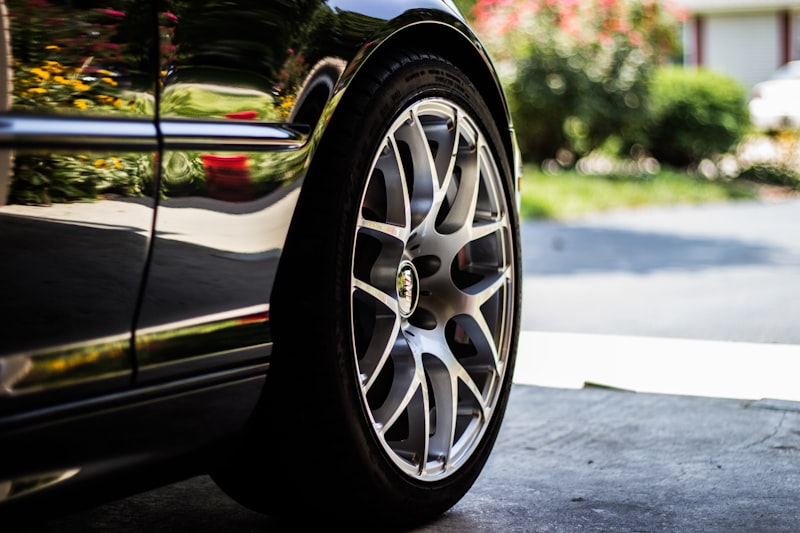
To understand what suspension settings improve tire contact, you first need to know how the suspension works during a launch or when the car is under power. When you accelerate, brake, or corner, weight shifts and the tires change how much contact they have with the ground.
Suspension settings that influence this include ride height, spring rates, shock rebound and compression, camber, toe, and anti-roll bars. Each of these can help or hurt tire contact depending on the car and the conditions.
For example, a stiffer rear spring may help a rear-wheel-drive car plant the tires harder during launch. However, too stiff and the tires may lose contact over bumps. In fact, scientific studies show that optimal tire contact increases grip and reduces inconsistent launches (Racing Car Design).
Camber is another key setting. Neutral or slightly negative camber can keep the whole tire flat on the ground during body roll or squat. Too much negative camber on a straight launch can reduce the contact patch and hurt traction.
In addition, settings like toe-in help stabilize the wheels and can improve straight-line grip, especially in drag racing. On the other hand, too much toe makes the car twitchy and causes extra heat in the tires.
Let’s look at the main setup levers you can change for better tire contact, with simple explanations and tips you can use in your own garage.
The Role of Weight Transfer
Weight transfer happens when a car’s mass shifts during acceleration, braking, or turning. Improved tire contact comes from managing weight transfer using proper suspension adjustments.
For instance, during a hard launch, softer rear shocks may allow more weight to move onto the rear tires. This increases traction. However, if the shocks are too soft, the car will bounce and lose composure. Therefore, tuning shock rebound and compression helps maximize the time the tires stay in contact with the ground.
Ride height also plays a role. A car with the right rake – the difference in height between front and rear – will transfer weight better and can help plant the drive tires. As a result, small changes in ride height can yield big improvements in grip off the line.
Key Adjustments: Which Suspension Settings Make the Most Difference?
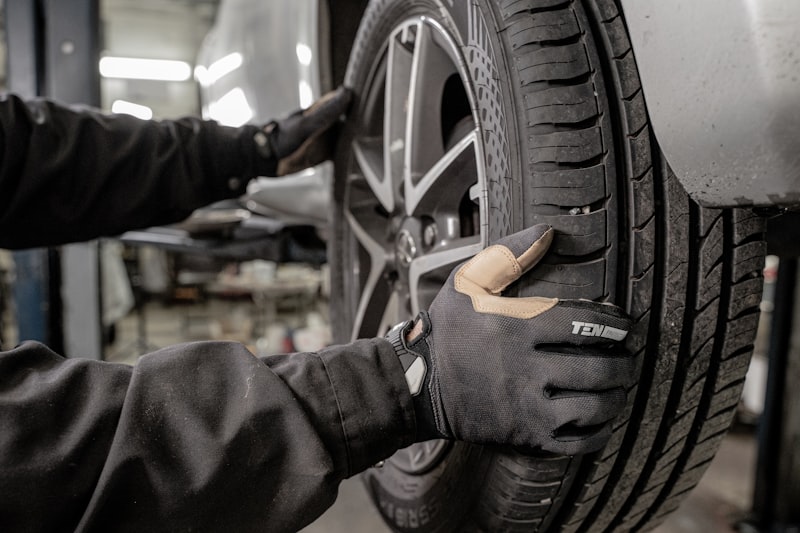
Some suspension settings influence how much rubber stays on the road more than others. Here’s a breakdown of key setup changes and why they work.
Spring Rates and How They Affect Tire Contact
Spring rates control how much the suspension compresses or extends under loads. In drag racing or standing starts, softer rear springs may help the back of the car squat. This puts more of the car’s weight on the rear tires, increasing grip.
However, in some cases, springs that are too soft allow the chassis to move excessively, which can cause the tires to lift or lose contact on bumpy surfaces. For track cars that need to balance launching and cornering, a compromise spring rate is often best.
Many experienced racers tune their spring rates after testing different combinations. They use data loggers or tire temperature readings to confirm the changes. Consistent tire temperature across the tire’s width often means better contact patch and more grip. This approach is supported by technical sources like Grassroots Motorsports.
Shocks: Rebound and Compression Settings
Shock absorbers, or dampers, control how fast suspension moves. Compression controls movement when the wheel moves up into the body. Rebound controls how it comes back down.
Dialing in softer rear compression can help the car’s rear settle under load, increasing initial traction. In addition, adjusting rebound helps keep the tires glued to the road by controlling how fast the suspension extends after a bump or squat.
Front shocks matter too. A firmer front keeps weight from shifting off the drive wheels during launch. Racers often experiment with shock clicks at the track. The goal is to stop “bouncing” while maintaining smooth, fast weight transfer.
Geometry Matters: Camber, Toe, and Caster for Maximum Traction
Suspension geometry is crucial for keeping as much tire area as possible in contact with the ground. If you get it wrong, tires roll onto their outer edge or wear unevenly. Let’s discuss the main angles involved.
Camber Settings and Tire Contact Patch
Camber is the tilt of the tires when looking from the front or back of the car. Zero camber means the tire is perfectly upright. Negative camber means the top of the tire leans in.
For straight-line launches, near-zero or slightly negative camber tends to give the most even tire contact. Too much negative camber reduces the width of the contact patch, especially as the car squats. On the other hand, some negative camber is helpful during corners, where body roll would otherwise lift the inner edge of the tire.
You can measure camber with a digital tool or at an alignment shop. Many drag racers run as little as 0 to -0.5 degrees for the rear drive wheels to get the best launch consistency.
Toe settings also matter. A bit of toe-in (front of the tires pointing slightly inward) can increase straight-line stability and help maintain tire contact. However, too much toe can increase drag and tire wear.
Caster and Its Effect on Geometry
Caster is the angle of the steering pivot when viewed from the side. While it mainly affects steering feel, positive caster helps the tires stay flat on the ground when the car rolls or pitches during acceleration or braking. More positive caster can increase stability and keep the contact patch stable, especially at high speed.
In summary, small changes in geometry can bring noticeable gains. However, every car and tire is different, so always test your changes in real-world conditions.
Real-World Techniques for Improving Suspension Setup
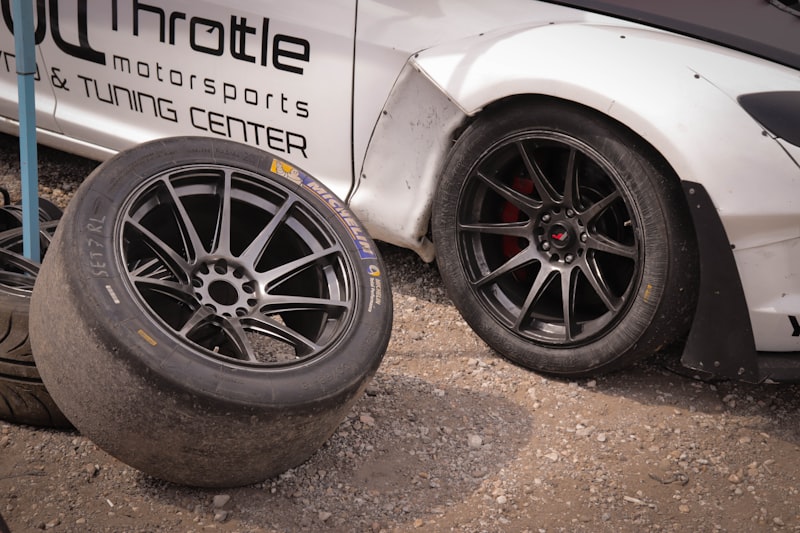
Now let’s get practical. Many racers and performance drivers combine several methods when tuning their cars for the best tire contact. Here are some proven techniques you can try, backed by both engineering and grassroots experience.
Step-by-Step: Basic Setup for Better Tire Contact
First, check your ride height and rake. Measure from the wheel arch to the ground at all four corners. Small adjustments can change how weight transfers under power. For rear-drive cars, a slight rearward rake helps plant the drive wheels.
Next, adjust your spring rates to match your car’s weight and intended use. Start with a “baseline” spring recommended for your type of racing. Make small changes, and watch for tire marks or uneven wear, which shows poor contact.
Set shock compression and rebound using your track or street environment as a guide. If the car bounces after a launch, increase rebound in small steps. If the rear “squats” too much, increase compression. Always make one change at a time so you can tell what made the difference.
Check alignment settings: measure and set camber and toe as described above. For straight launches, aim for 0 to -0.5 camber and a slight toe-in up front.
Finally, always inspect your tires after each run. Look for even wear, consistent temperature, and a flat patch of rubber. If only part of the tire gets hot or worn, your suspension may need more tuning.
Weight Distribution and Chassis Reinforcement
Don’t overlook weight distribution. Moving ballast or heavy components closer to the drive wheels boosts traction and helps maintain even tire contact. An even left-to-right balance also improves off-the-line launches.
In addition, reinforcing the chassis with strut tower braces or subframe connectors helps keep geometry stable. A stiffer chassis flexes less, so the suspension can work as intended.
Special Tricks to Maximize Tire Contact in Launch and Traction Scenarios

Many successful drag racers and autocrossers use special tricks to get a better launch and maintain tire contact. Let’s look at a few that you can try in your own garage or at your next event.
Adjusting Tire Pressures for a Perfect Contact Patch
While suspension is key, tire pressure is also critical. Many drivers lower rear tire pressure slightly for drag launches. This lets the tire flatten out more and increases the contact area. However, too little pressure can lead to sidewall flex or poor stability. Always check tire manufacturer specs and test carefully.
For example, some slicks work best at 12-18 psi for quarter-mile runs, while street tires may want 28-32 psi. Use a tire pyrometer to check that the tire is heating evenly across the tread.
Fine-Tuning for Track, Drag, or Street
Setup tricks can change based on the type of racing or driving. For circuit racing, compromise settings for both left and right turns may be needed. For drag racing, most effort focuses on maximizing traction for straight-line launches.
Some drivers add “preload” to anti-roll bars or use adjustable control arms for quick changes at the track. Aftermarket coilovers with easy-access damping and height adjustments also let you dial in changes rapidly.
And of course, always keep data logs or notes on what works. Over time, you’ll see patterns and find the best baseline for your specific car and conditions.
Conclusion
In summary, knowing what suspension settings improve tire contact is key for anyone chasing better launches, reliable traction, or fast lap times. The main variables – spring rates, shock settings, alignment geometry, and weight transfer – all interact to shape the size and quality of your tire’s contact patch.
Therefore, focus on testing small changes, monitoring tire wear, and using real feedback from the car. Adjustments like softer rear spring rates, tailored shock rebound, proper camber, and minor ride height tweaks can transform how your car launches and drives.
Finally, combine technical info with practical testing. Every car and track is different, so keep improving your setup for the best possible result. For more in-depth reading and source references, see Racecar Engineering’s chassis setup guide and Grassroots Motorsports’ suspension tuning articles. Keep learning, keep testing, and launch harder every time.
Leave a Reply