

If you have ever wondered what to expect at your first drag race, you are not alone. This guide is designed for beginners who want a clear idea of what will happen at their first event. Whether you want to race or just watch, being prepared will help you enjoy the day. Saiba mais sobre BDO Beginner Guide 2026:.
Attending a drag race for the first time is exciting. However, it can also feel a bit overwhelming. This beginner-friendly guide will walk you through each step, from preparation to the moment the cars speed down the track. You will also learn what to bring, what rules to follow, and how to get the most out of your visit.
For those interested in test-and-tune nights or entry-level drag events, this article follows the same process. Let’s dive into everything you should know before you head out to your first race.
What to Expect at Your First Drag Race: Event Flow and Atmosphere

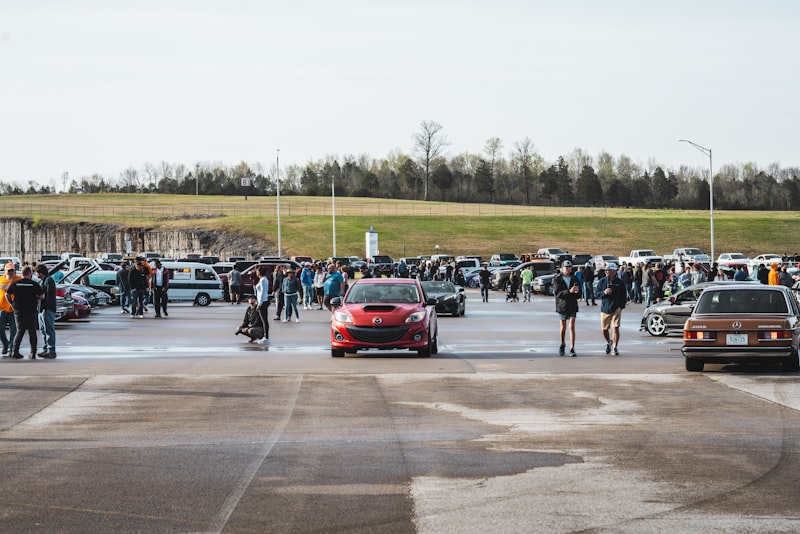
When you arrive at a drag race, the first thing you will notice is the lively atmosphere. The air often hums with excitement and the deep rumble of engines. In fact, many first-time attendees find the sounds and sights unforgettable. Racing is more than just cars going fast. It is a celebration of speed, skill, and community spirit.
Most tracks open their gates a few hours before racing begins. Because of this, you’ll want to arrive early. This makes it easier to find parking and complete check-in. For beginner events like test-and-tune nights, check-in areas are usually well-marked. Organizers may check your tickets or registration first. After that, you can explore the pit area. This is where racers prepare their cars.
Expect to see a variety of vehicles. At grassroots drag strips, you might see everything from classic muscle cars to modern imports. Entry-level races let nearly anyone try the sport. You do not need a specialized dragster to get started. In fact, many first-timers race their daily drivers. According to the National Hot Rod Association, hundreds of new racers have entered these beginner programs nationwide.
Events often start with a drivers’ meeting. Even if you are just spectating, you may be able to listen in. Here, officials explain the day’s schedule, safety rules, and how races work. This meeting is the best time to ask questions. For first-timers, hearing race staff go over safety makes the experience far less intimidating.
After the meeting, you will see drivers lining up in what’s called the staging lanes. Track staff will direct cars and help line up races. When your group or number is called, be ready. In summary, from arrival to racing, expect a fast-paced and structured day. However, staff and other participants are friendly and help newcomers adjust.
Spectator Versus Racer Experience
If you attend as a spectator, find the grandstands for the best view. Ear protection is important because drag cars are loud. Bring sunscreen, cash for snacks, and a camera if you want to capture the action. If you registered as a racer, be ready to spend time in the pits. You will follow more instructions and safety checks as a participant. In both cases, expect a day packed with energy and fun.
Registering, Tech Inspection, and Preparing Your Car
For beginner events, registering is simple. Most tracks now let you sign up online before the event. If you plan to race, be sure to check the “test-and-tune” or “street legal night” sections on the track’s website. Some well-known tracks include Summit Motorsports Park, which posts clear rules and registration steps.
On race day, bring your driver’s license, proof of insurance, and entry fee. Many tracks will not let you race without these items. Your car should arrive clean and with a full tank of fuel. Remove all loose items from inside. This is essential for safety. Saiba mais sobre Essential Tips for Novice.
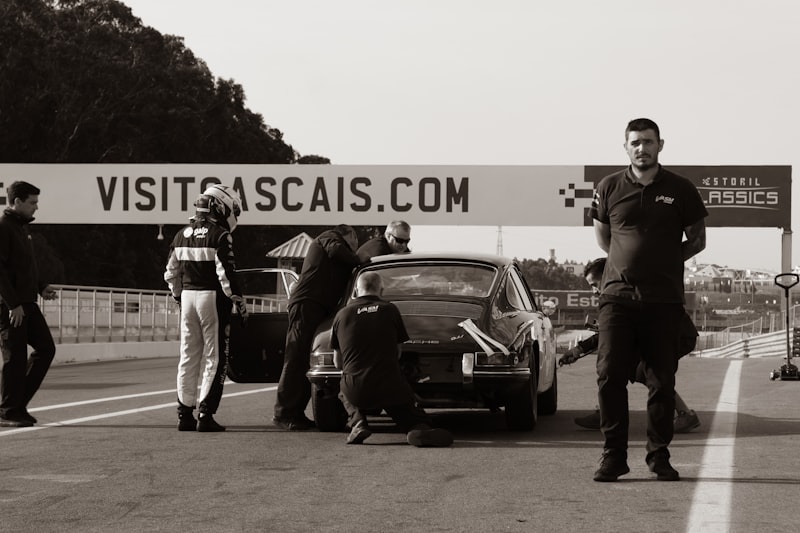
Before you race, every car goes through a basic “tech inspection.” Don’t worry—this is not as strict as a full race inspection for professional racers. However, officials will check important safety details. For example:
- All seatbelts and safety equipment must work.
- Tires should be in good condition.
- The battery must be secure.
- There should be no obvious leaks under your car.
- Your helmet should have the right safety sticker (if required).
Most beginner-friendly events require a helmet for any car that runs a quarter-mile in 14 seconds or faster. Double-check this before you go. In addition, some tracks require long pants, closed shoes, and no sleeveless shirts if you will drive.
Getting Ready for Your Turn
Once your car passes inspection, you will line up in the staging lanes. Follow track staff instructions closely. Stay alert, as cars are constantly moving forward. Use this time to check your mirrors and calm your nerves.
For your first run, drive at a pace you feel comfortable with. You do not need to push your car to its limit. The first pass will help you learn how the drag strip feels. In fact, most beginner racers improve a lot with each run, so don’t worry if your first time is slow.
The Race: Staging, Timing, and Understanding the Process
When it’s your turn, you will approach the starting line. Here is what to expect during this stage:
First, track officials will signal you forward. You will pass over the “pre-stage” and then the “stage” lights. These tiny beams across the ground are part of the track’s timing system. When your front wheels break each beam, the lights above the track change color. The “Christmas tree,” as it’s called, signals when to start.
As the lights turn yellow then green, you press the gas and launch down the track. Try not to focus on your opponent just yet. Instead, focus on getting used to the track surface and responding to the lights. For most beginners, reaction time is the hardest skill to master at first.
At the end of the run, follow all posted signs and staff instructions to slow down. Most tracks have a long “shutdown” lane to help cars slow safely. As a result, you should never slam on your brakes. Coast to a safe speed before making any turns.
After your run, pick up your time slip near the end of the return road. This slip shows your reaction time, elapsed time, and other results. Use this data to track your progress during the day.
Understanding Your Results
Time slips break down your performance. The main numbers to look for are your reaction time, eighth-mile and quarter-mile times, and top speed. Most entry-level racers focus on improving reaction time and overall elapsed time.
Don’t be discouraged if early results seem slow. In fact, even experienced racers make mistakes sometimes. With practice, your skills and times will improve. Use each run as a learning experience.
Safety, Etiquette, and Making the Most of the Event
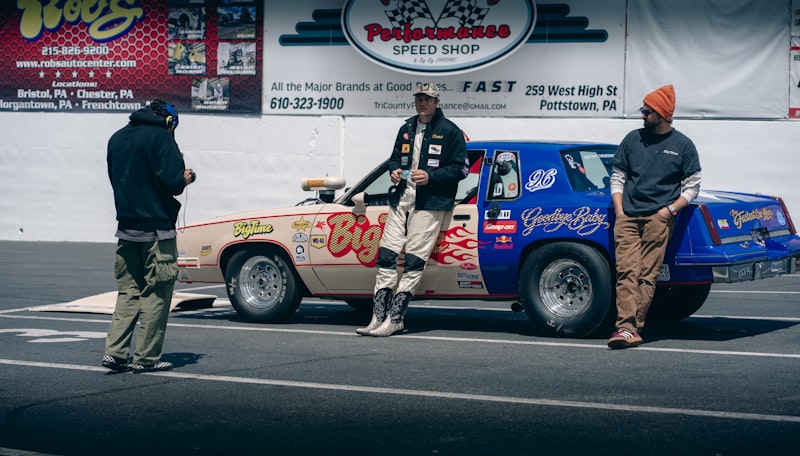
Safety is the top priority at every drag strip. Therefore, listen closely to all staff instructions. Wear any safety gear required by the track. Even if you watch, stay behind safety barriers at all times.
Respecting others at the track is just as important. Wait your turn in the staging lanes. Do not “jump” the line or argue with staff. If you spill fuel or see a problem, notify someone right away. Following these basic etiquette rules helps everyone have a better day.
If you bring friends or family, make sure they also follow track rules. Children should stay with adults and away from the track edge. Pets are not allowed at many venues, so check ahead.
Learning from Other Racers
Don’t be afraid to talk to fellow drivers. Most are friendly and love helping first-timers. Because of this, many people make new friends at their first drag race. You can ask questions about improving your time or get advice on car maintenance. Many local clubs host meetups at tracks in 2026, so this is also a great way to join the community.
Visit the pits between rounds to see cars up close. Ask before taking photos or touching anything. If you are interested in joining a club or racing more often, staff can point you to local beginner leagues.
Finally, stay hydrated and take breaks during the day. Races can last several hours, especially if there are many cars.
Conclusion
Attending your first drag race can feel intimidating at first, but knowing what to expect at your first drag race makes the experience easier and more enjoyable. From the moment you arrive to your first run down the track, following these steps will keep you safe and help you have fun.
Make sure to review the rules on your track’s website before you go. Connect with staff and other racers. Focus on learning and improvement, not just speed. Remember, every fast racer started as a beginner too.
Ready to experience your first drag race? Bring your enthusiasm and a willingness to learn. The track community is waiting to welcome you for a safe, exciting, and unforgettable day. If you want more beginner guides or tips for your next motorsports event, check back at ecredexa.com regularly for fresh advice and up-to-date resources.
Leave a Reply