


Using the right methods to improve audio quality in interviews is key for anyone recording drag racing stories, interviews in the pits, or documenting record-breaking runs. Clear audio is not only pleasant, but it also makes every tale more memorable for both racers and listeners.
Today, high-quality audio is crucial in motorsports journalism. Poor sound quickly distracts from a compelling narrative. Because drag strips are noisy, interviews often suffer from engine roars and crowd noise. Fortunately, several simple steps can help any drag racing content creator fix these challenges.
This guide covers proven ways to boost audio quality. Most examples are tailored to the wild energy and unique settings of the drag racing world. Whether you’re a newcomer with a recorder or a seasoned journalist with a full kit, you’ll find reliable tips for every situation.
Choosing the Right Equipment for Pits and Tracks
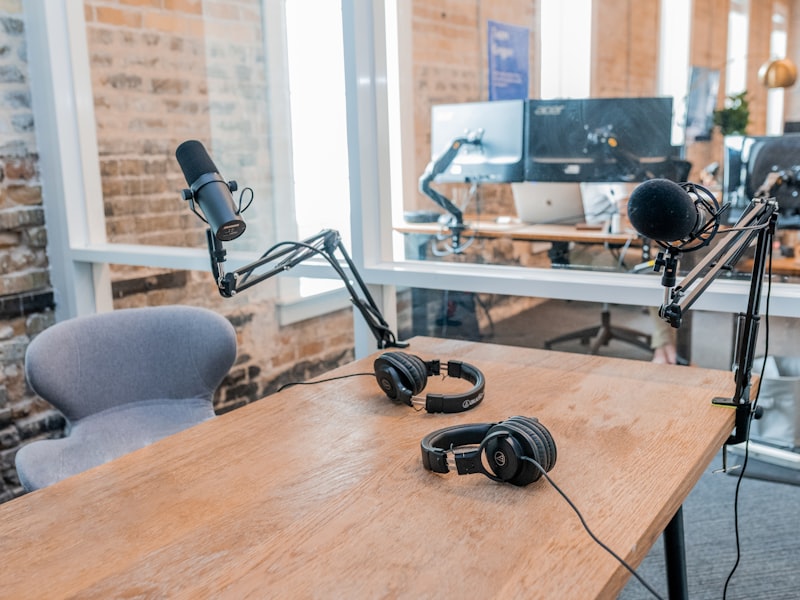
If you want to use effective methods to improve audio quality in interviews, choosing the right equipment should always come first. The nature of drag racing presents unique audio challenges. Roaring engines, wind sounds, and background chatter can easily ruin a great interview.
For example, handheld digital recorders such as the Zoom H5 are popular for their portability and clarity. They let interviewers quickly pivot from one team to another without bulky gear. Unlike built-in smartphone mics, dedicated handheld recorders capture cleaner vocals and cut out some competing noise.
However, mics themselves matter more than most realize. In noisy pits, dynamic microphones are a strong choice. They focus on close-range sounds and reject much of the background roar. The Shure SM58, for example, is a classic for interviews at tracks worldwide. On the other hand, lavalier (clip-on) microphones offer hands-free use, which is key when interviewing racers fastening helmets or working on cars.
Location also shapes choices. For interviews next to starting lines, find mics with built-in wind screens or add foam covers. These small upgrades block gusts and help ensure clear spoken words.
Finally, audio interfaces can help connect quality mics to smartphones or laptops. Models like the iRig Pre or Rode AI-Micro have become common among content creators. They add flexibility, as a result interviews sound professional even when shot with compact setups.
Choosing the right combination of recorder, mic type, and interface is one of the first steps to making pitside stories crisp and compelling. For more on microphone basics, check out advice from SoundGuys.
Mastering Microphone Placement and Handling

Great gear alone does not solve every problem. In fact, using proper placement and handling habits is another critical method to improve audio quality in interviews. This is even more important when documenting intense action at national drag events.
First, keep the mic close—usually 6-12 inches from the speaker’s mouth. This short distance cuts down on background noise. For handheld interviews, hold the mic just below the interviewee’s mouth, but never in direct line with breath. This approach limits “plosive” sounds like popping P’s and B’s.
For group interviews in the winner’s circle or crew pits, omnidirectional mics can help. They capture voices from multiple sources. However, you should still avoid pointing the mic toward engines or loudspeakers.
Lavalier mics present their own issues. Clip them to the collar or lapel, away from clothes that may rustle. When racers wear fire suits or windswept jackets, use small foam windscreens to block the wind. Hide cables under clothes to reduce accidental snags during an energetic answer.
Handling matters too. Keep the mic steady, but do not grip too tight. Shocks and movement can transfer as “handling noise.” Therefore, if possible, use shock mounts or rubber rings that are designed to isolate vibrations.
Finally, always let the interviewee know where the mic is placed and if they need to adjust their voice. A polite reminder goes a long way to securing usable, clean interviews in high-energy race settings.
Because of this, solid microphone habits help even modest setups deliver clear, broadcast-ready sound.
Controlling Background Noise in High-Octane Environments
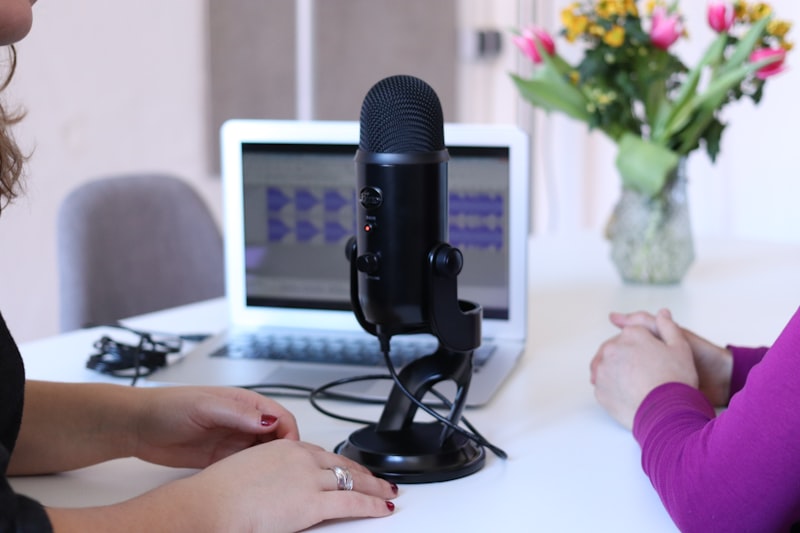
Background noise can ruin even the most exciting interview at a drag event. Therefore, controlling noise is one of the essential methods to improve audio quality in interviews. Let’s see how you can do it, even in the middle of a roaring track.
First, timing is everything. Schedule interviews during downtime—moments between heats, before engines start, or after the winners cross the line. Many experienced reporters say ten minutes of quiet beats hours of cleanup later.
If you cannot move interview times, scout quieter locations. Many pit areas have tents, tool wagons, or enclosed trailers that muffle external sounds. For example, NHRA crew chiefs often speak from inside their transporters for post-pass recaps. Even a few feet of shelter can make a major difference in the sound.
Use “deadcat” windscreens or foam shields on all microphones. These accessories, made from furry or dense foam material, greatly reduce wind and sudden environmental blasts. At trackside, they are considered must-have gear. In addition, some audio recorders allow you to activate a high-pass filter, which cuts low-frequency sounds such as rumbles from nearby engines.
Noise gates and audio editing software can remove some background noise after recording. However, it is always best to get the cleanest audio possible on site. For example, Adobe Audition offers simple noise reduction tools, but heavy editing can also make voices sound unnatural.
For group interviews, try to direct everyone to speak clearly and not to interrupt. Multiple voices blend together when surrounded by race sounds, making the audio hard to understand.
As a result, a blend of good scheduling, smart gear placement, and simple editing can help keep your stories focused on racers, not racetrack chaos. For more general best practices, NPR’s audio storytelling guide provides useful insights for field interviews.
Post-Production Techniques for Cleaner, Sharper Sound

No matter how skilled you are in the field, some audio issues will always slip through. Post-production offers the final and sometimes most powerful method to improve audio quality in interviews—especially for polishing drag racing stories meant for wide release.
Start with simple noise reduction tools in popular audio editors like Audacity, Adobe Audition, or GarageBand. These platforms help eliminate low hums, steady background buzz, or hiss without distorting speakers’ voices. Always test edits in small sections to avoid making voices sound robotic.
In addition, equalization (EQ) allows you to brighten vocals and reduce harsh frequencies. For drag racing interviews, small midrange boosts (around 1-3kHz) can make voices stand out over engines or wind.
Compression is another tool worth knowing. This technique lowers the gap between loud and soft parts. For example, if a racer suddenly shouts in excitement, compression smooths the spike, resulting in a balanced, comfortable listening experience.
When working with two or more microphones, use panning controls for stereo output. This spreads out voices, creating a more immersive listening environment. In fact, it helps listeners focus on individual stories within a crowded pit.
Finally, normalization ensures your finished clip is not too quiet or too loud. Aim for a consistent output level across all your published interviews. Most podcast producers target -16 LUFS for stereo and -19 LUFS for mono files.
However, don’t overdo post-production. Preserve the authentic excitement of live events. A little natural track noise often makes stories more believable.
By blending field work with smart digital fixes, your interviews will match professional racing podcasts and sports documentaries in quality and clarity.
Conclusion

Masters of drag racing stories know that memorable interviews rely on both skill and preparation. Using the methods to improve audio quality in interviews discussed above makes every story clearer and more engaging. The right gear sets the foundation. Good mic placement captures every word. Simple scheduling and handling habits cut down on the roar.
In summary, processing software provides the finishing touches, turning good audio into great audio. Because of this, even fans listening at home can feel like they are right there in the pits.
Whether you’re just recording your first driver or broadcasting national events, start applying these tips today. You will find that your audience, and your racers, appreciate every detail.
For deeper audio tips or to share your own techniques, visit the ecredexa.com Interviews & Records section. Bring the thrilling world of drag racing alive—one interview at a time.
Leave a Reply