


If you are looking for actionable tips for building a winning drag race car, you are in the right place. Many racers want to stand out in competition builds, but success takes careful planning and smart decisions.
Building a serious drag race car for competition is much more than just adding horsepower. Every step matters, from the chassis to the slicks and cage design. In this guide, we focus on full-race, track-dedicated cars, not street builds. You will find practical advice, expert tactics, and real racing data to help you reach the next level.
Defining Your Competition Build: Purpose, Planning, and Budget

When you start out, the first of our tips for building a winning drag race car is to clearly define your purpose and competition level. Are you building for bracket racing, heads-up classes, or a specific sanctioning body like NHRA or IHRA? Each type comes with its own rules and performance limits.
In addition, make a detailed plan. Start by mapping out a budget. For a serious competition build, three main areas will drive most costs: the chassis, engine, and safety systems. For example, building a steel tube chassis for a full race car can start at $10,000 and quickly rise. Therefore, research expected costs before buying any parts. Veja tambem: How to Choose Parts for Drag Competition Builds: A 2026 Guide.
Another crucial tip is to choose the right starting platform. Many pro builders use proven platforms like the Chevrolet Camaro, Ford Mustang, or dedicated drag chassis kits. These choices help because parts are available, setups are known, and support networks exist. Veja tambem: Drag Car Competition Build Checklist: The Ultimate Guide for 2026.
As you plan, remember to include time for fabrication and testing. Even with expert help, a full-build race car can take 6 to 12 months from start to first pass. Because of this, patience and organization are vital.
Finally, always stay informed about safety and legality. Rules from groups like the NHRA or IHRA may dictate chassis type, cage design, or motor combo. Failure to meet these specs can stop your car from ever being track-legal. In fact, many teams work with tech inspectors from the early stages to prevent setbacks.
Careful planning and clear goals will set your build up for lasting success.
The Foundation: Chassis Engineering and Cage Setup
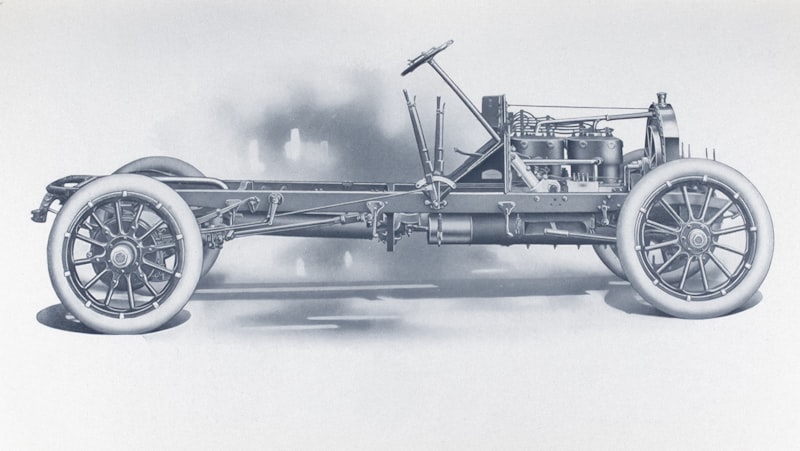
The chassis and cage are the core of any serious competition drag race car. Because of this, they must be strong, safe, and built for purpose. Your chassis is what joins power, safety, and tire grip into a single focused package.
Choosing a Chassis: Full Tube vs. Back-Half vs. Door Car
Your choice depends on your target class and budget. Full tube chassis cars use welded steel tubing throughout and allow maximum setup freedom. These are standard in classes where weight and stiffness matter, like Pro Mod or Top Sportsman. In 2026, most winning cars in faster categories use this style.
On the other hand, back-half cars keep the front structure but replace the rear with a tube frame for better geometry. This approach can save money if you already have a car body. Door cars with reinforced cages are popular in index classes and can win when well-prepared.
Cage Design and Safety Requirements
Safety is never optional. In fact, for a car running below 10.00 seconds in the quarter-mile, a 12-point roll cage is required by both NHRA and IHRA. These cages must use thick, seamless steel tubing and pass weld inspection before you race.
Cage and chassis design also affect fit and function. For example, you have to plan tube layouts around driver comfort, seat size, and access to gear. In addition, window nets and impact padding are common safety features.
Rigid, Light, and Straight: Three Keys for Chassis Builds
A weak or flexing chassis loses consistency and harms traction. Top builders often mimic Pro-level designs by using cross-bracing and gussets for strength. For competition builds, weight savings are crucial but never cut corners on safety. Consider using chromoly tubing for strength and lower weight. This premium steel meets strict racing codes and can reduce chassis weight by 15-20% compared to mild steel.
Lastly, always test for chassis squareness before assembly. Out-of-square frames cause alignment problems, poor launches, and unpredictable handling. Many pro shops use jigs and digital measuring systems to keep everything straight.
With the right foundation, your car will put down power, meet every tech rule, and keep you safe at speed.
Horsepower, Drivetrain, and Slicks: Advanced Power Delivery Tips
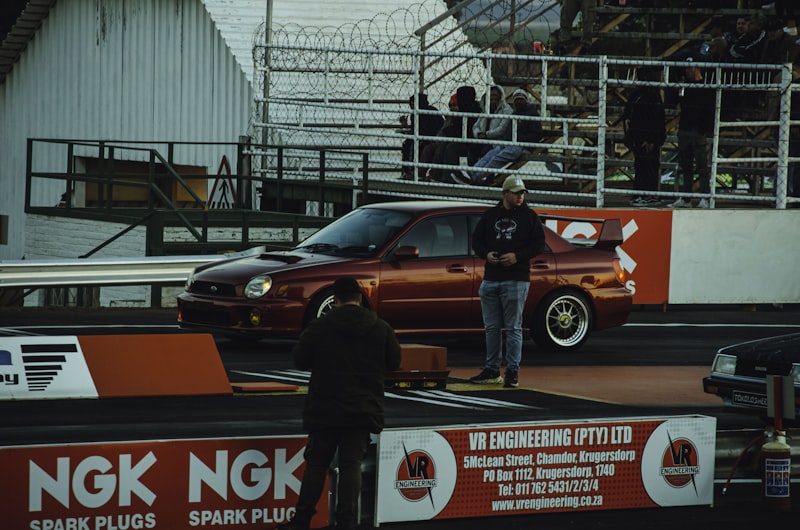
Once your chassis is solid, the next tips for building a winning drag race car focus on the powertrain and how to get every bit of it to the track. A competition build needs not just high horsepower but a well-matched combination of engine, transmission, differential, and tires.
Engine Selection and Power Goals
First, decide on your class and rules. For example, if your class has a cubic inch or boost limit, stay under it. Many winning cars in 2026 run forced induction engines — turbocharged small-blocks and nitrous-assisted big blocks are common sights at national events.
Key engine tips include building for reliability. A 1,000+ horsepower engine may need aftermarket forged rods and pistons, a billet crank, and a dry-sump oil system. In addition, choose a proven engine builder with a track record in your class.
Transmission: Manual, Automatic, or Powerglide?
Most competition builds use automatic transmissions for repeatable shifts. The GM Powerglide, for example, is the most popular drag transmission thanks to its strength and easy rebuilds. In fact, many Pro Mod and Top Sportsman cars use upgraded Powerglides with transbrakes and custom ratios.
Manual transmissions, while exciting, are rare at the top level due to slower shifts. However, classes with rules for stick shifts may mandate them. If you run one, invest in a dual-disc clutch and precise linkage.
Rear-End and Axles: Handling the Power
The rear differential is the next weak spot. Use a solid axle with a spool (locking differential) and race-grade axle shafts. Ford 9-inch rear ends dominate serious builds because of their strength and endless gear options. For cars over 800 horsepower, 40-spline axles are common in 2026 builds.
Slicks and Tire Prep
Tires make or break a run. Most dedicated drag cars run racing slicks between 28 and 34 inches in height. Match the tire to your power and car weight. Too much tire can slow you; too little hurts grip. In addition, always check track temp and prep slicks for best traction. Tire pressure tuning is an easy way to gain or lose a tenth of a second.
With a matched powertrain and good tires, your car can run fast, consistent numbers all season.
Suspension, Wheelie Control, and Launch Setup: Maximizing Every Pass

Even with power and a strong chassis, a poor suspension setup can ruin runs. The suspension’s job is to plant the tires, control weight transfer, and keep launches straight and repeatable.
Drag Race Suspension Basics
Most competition builds use a four-link or ladder-bar rear suspension. Four-link systems offer more adjustability and are common on cars over 600 HP. These setups let you tune instant center and anti-squat, which affect how the car lifts and transfers weight during a launch. Adjusting these factors can lower 60-foot times by a tenth of a second or more.
If you run a ladder-bar, keep the setup square and don’t over-tighten the preload. This style works well for cars under 2,800 pounds and with up to 1,000 HP.
On the front, lightweight control arms, coil-over shocks, and travel limiters keep the car light but controlled. In 2026, many pro builders use adjustable double-valve shocks, letting them fine-tune damping for both launch and track surface.
Wheelie Bars and Chassis Support
High-power cars need wheelie bars to stop the car from going over backward. These bars keep the launch stable and help keep the car from unloading the rear tires. Setting wheelie bars to lightly touch the ground at launch gives better control. However, too much pressure can lift weight off the slicks and lower traction.
Alignment and Scaling
Scaling your car means checking weight at each wheel with electronic scales. A level, well-scaled car launches straight and puts equal power to both tires. Re-check scaling after major part changes or weight moves.
Be sure to keep your front-end toe, camber, and caster within spec. Even 1/8″ of front toe-out can pull the car on a fast run. In fact, some top teams check toe and scaling before every pass on critical race days.
With thoughtful suspension setup, your investment in chassis and power will pay off with better times and more wins.
Cutting-Edge Electronics and Data: Winning With Tech in 2026
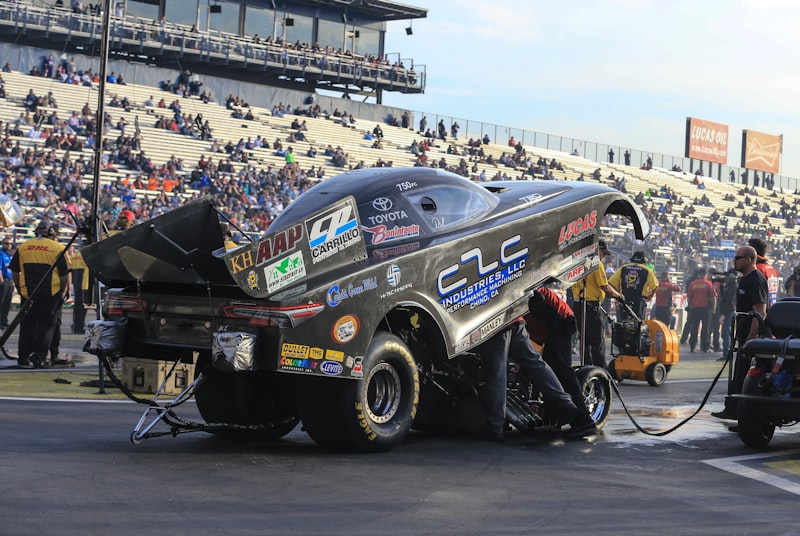
Competition drag racing in 2026 is as much about data as it is about muscle. Smart tech can mean the difference between an average bracket pass and winning a national event.
Data Logging and Analysis
Modern race cars use high-tech data loggers that record RPM, shock travel, air/fuel ratio, and more. Review runs after each pass to spot trends or problems. Products like Racepak or Holley EFI loggers come standard on most Pro-level builds, and their software lets you graph and compare data from every run.
Because of this, teams can fine-tune launch RPM, shift points, timing, and suspension for changing track conditions. In addition, trend analysis catches issues before they lead to part failure.
Ignition and Fuel Control
Digital ignition boxes control spark timing to within a single degree. In custom builds, programmable ignition maps let you pull timing in low-traction spots or add timing as traction improves. Combined with electronic fuel injection, tuners can optimize for weather, altitude, and fuel quality.
For forced induction or nitrous cars, progressive controllers manage boost or spray based on RPM and wheel speed. As a result, launches stay smooth, and traction control systems can save a near-spin into a personal best.
In-Car Displays and Safety Electronics
Digital dashboards show temps, pressures, RPM, and warnings in real time. Many use shift lights and warning alarms to alert drivers instantly if something is wrong.
In addition, kill switches, remote fire systems, and wireless shutoff controls are required by many racing groups for cars over certain speeds. Redundancy in safety electronics keeps drivers safe even in worst-case events.
Staying on top of data and electronics gives your team a real edge as the sport grows more competitive.
Conclusion
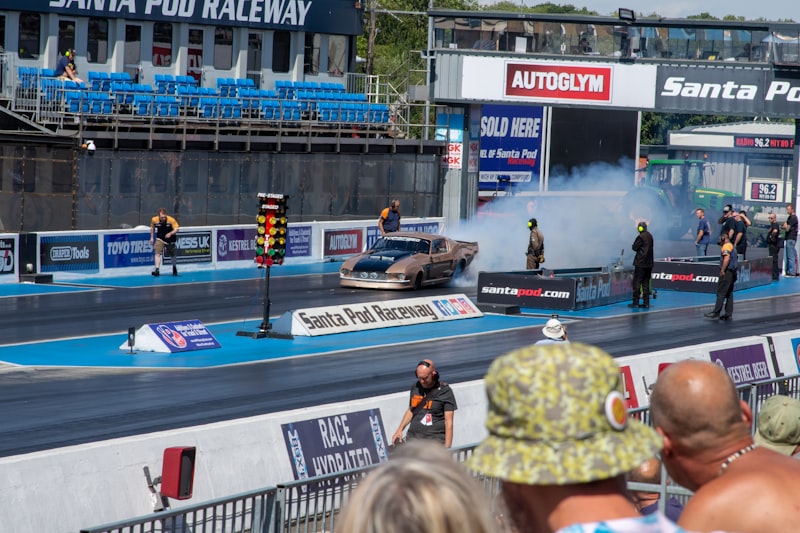
Winning at the drag strip in 2026 takes more than horsepower. Smart planning, a strong chassis, and careful part choices all matter. In addition, focus on the details: tire selection, suspension geometry, and technology all add up to real numbers on track. The best teams never stop learning, testing, or adapting.
To get started, build your project around solid research. Use these tips for building a winning drag race car as your blueprint. Talk to other racers, work with inspectors early, and test every change. Drag racing rewards those who prepare. For more updates on race car competition builds, stay tuned to NHRA or explore expert builders in your area.
Build it right, tune it well, and your drag race car can chase the win light every weekend.
Leave a Reply