


Learning how to improve traction with suspension upgrades is one of the most effective ways to get quicker, more consistent launches and better control on any surface. In fact, the right suspension changes help you put your power down, grip the road, and reduce wheelspin.
It is not just about power or special tires. The way your suspension connects your car to the ground can make or break traction. This article will break down the best ways to optimize your suspension, set up your car, and boost your launch traction based on proven techniques for 2026.
We will cover upgrades and setup tricks for street and track. This is perfect for car owners who want results on the street, drag strip, or autocross course.
Suspension Basics: How Springs, Shocks, and Geometry Influence Traction
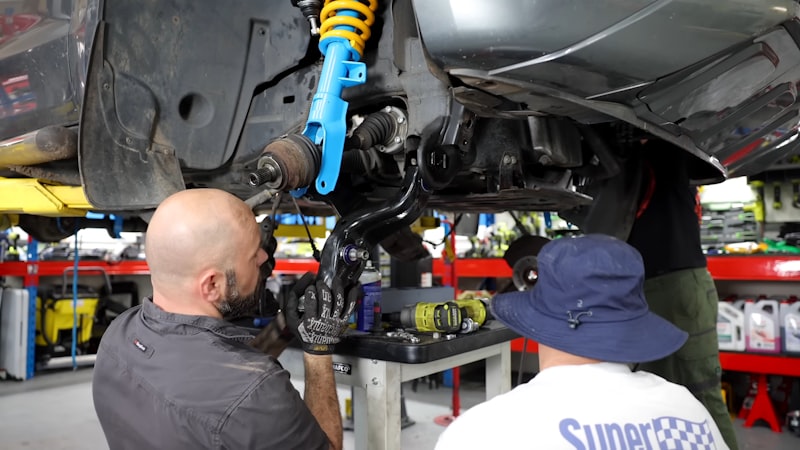
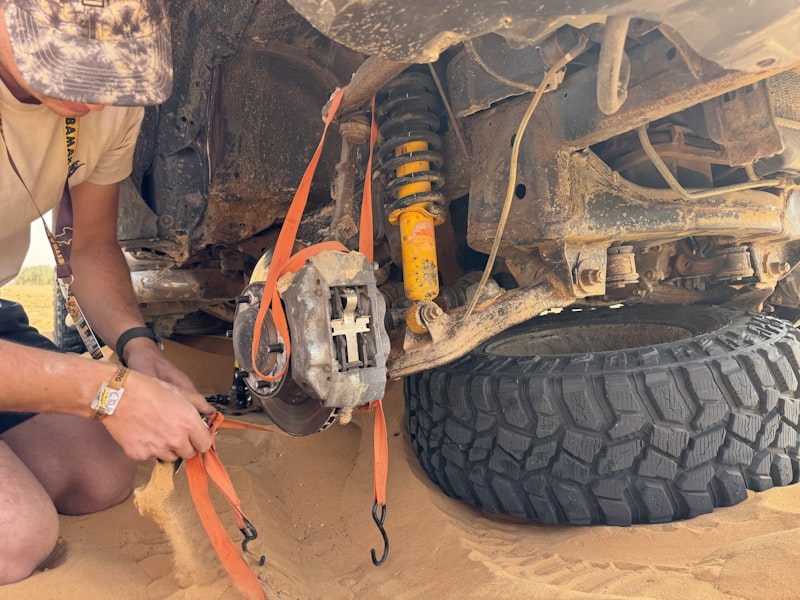
If you want to know how to improve traction with suspension upgrades, you need to understand the core components. The main parts are springs, shocks (dampers), bushings, control arms, and sway bars. Each one plays a specific role.
The Role of Springs and Shocks
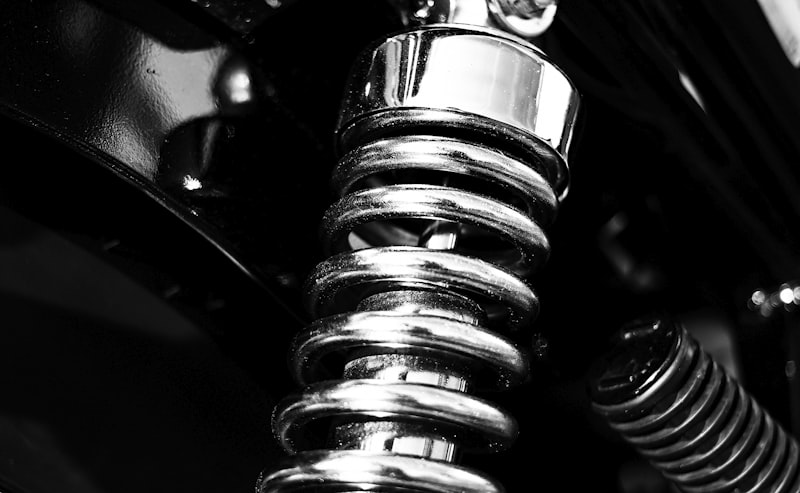
Springs support your vehicle’s weight. They also manage how weight moves during acceleration, braking, and turns. Stiffer springs can reduce body roll and squat, but too much stiffness reduces grip over uneven ground. Softer springs let the tires stay planted but may hurt stability at high speeds.
Shocks, or dampers, control how fast the spring compresses and rebounds. Adjustable shocks are a must for anyone serious about traction. For example, many drag racers run softer rear compression settings. This allows the rear to squat but slows rebound, so tires stay glued during launch.
Adjustable coilovers are popular for both street and racing use. In 2026, brands like KW, Bilstein, and Fox have made coilovers that you can tune for compression, rebound, and ride height.
Geometry Changes That Matter
Suspension geometry is about the angles and lengths of the control arms, mounting points, and bushings. It affects camber, toe, and caster.
Camber is how much the tire leans in or out. Negative camber helps keep the tire flat in corners. However, for straight-line traction, too much negative camber reduces contact patch.
Toe settings have a big impact on how responsive your car feels off the line. For launches, aim for zero or light toe-in on the rear for better straight-line stability.
Control arm upgrades, stronger bushings, and adjustable mounts allow fine-tuning these settings. For a detailed breakdown, Tire Rack’s suspension setup guide is a great source.
In summary, tuning your springs, shocks, and geometry unlocks traction. In fact, many pro teams spend more time here than on buying more power.
Weight Transfer: The Secret to Better Launches and Grip
Traction is all about how well your tires bite when the power hits. The physics behind this comes down to weight transfer. Understanding this concept helps you focus your suspension upgrades for the maximum effect.
When you mash the throttle from a stop, weight shifts from the front to the rear. In other words, more weight over the drive wheels means those tires can handle more torque before slipping.
Maximizing Rear Grip with Suspension Changes
Softening rear springs or shocks allows the back of the car to squat more during launch. This pushes the tires into the ground. For example, in many rear-wheel-drive cars, just a 10% softer rear damper setting increases 60-foot times by up to 0.2 seconds.
Adjusting front stiffness helps weight move rearward, too. Drag racers often use trick front struts that lift easily but come down slowly. This keeps front tires in the air and weight on the rear wheels longer.
Tuning sway bars matters, too. Running a softer rear sway bar or even disconnecting it can let each rear tire act more independently—helping maintain traction on uneven surfaces.
The Importance of Ride Height and Weight Distribution
Raising the rear ride height increases downward force on the drive tires during launch. Many performance cars (especially Mustangs and Camaros) see improvements from just a half-inch higher rear. However, going too high upsets handling.
Weight distribution also matters. Moving the battery to the trunk or shedding weight from the nose can help. Some racers even move ballast to tune distribution for their surface.
For in-depth data on how pros do it, read Engineering Explained’s weight transfer article.
In short, weight transfer is where suspension changes make the biggest traction gains, especially for launching hard and consistently.
Tires, Alignment, and Suspension Upgrades: Working Together for Maximum Traction
Upgrading your suspension is only half of the puzzle if your tires or alignment are not matched. For those serious about how to improve traction with suspension upgrades, these factors play huge roles.
Matching Tire Type to Suspension Setup
The best suspension in the world will not help if your tires are not up to the job. High-performance summer tires or drag radials have more grip but may require different alignment and suspension specs.
For street or autocross, ultra-high-performance tires from brands like Michelin or Bridgestone have up to 25% more grip than standard all-seasons according to independent tire tests. For the drag strip, dedicated drag radials or slicks hook better but need suspension tuned to manage the extra grip.
Setting Alignment for Traction
Proper alignment is crucial. Zero or slight toe-in on driven wheels helps with straight-line grip, while aggressive camber settings are best saved for corner-heavy race use.
It is common for racers to run:
- Rear-wheel-drive: zero camber, 1/16″ toe-in on rear
- Front-wheel-drive: zero camber, slight toe-out on front
With adjustable suspension, always align the car after making changes.
Upgrading Bushings, Links, and Mounts
Stock rubber bushings flex too much under power. Upgrading to polyurethane or solid bushings reduces movement. This ensures all suspension changes deliver the intended result.
Aftermarket control arms and reinforced links stop unwanted axle hop and allow for precise geometry settings.
Combined, suspension upgrades, better tires, the right alignment, and stiffer bushings mean more torque reaches the pavement without wheelspin.
Practical Examples: How Suspension Upgrades Improved Real-World Traction
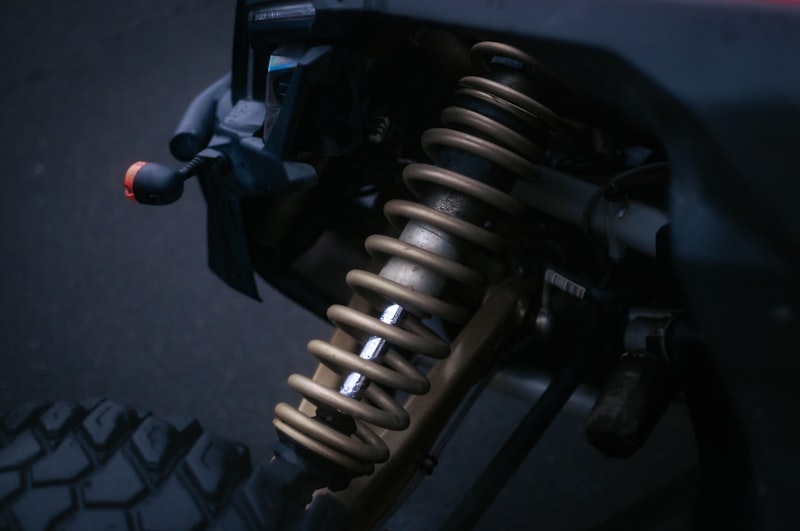
It helps to see how real car owners and race teams use these upgrades for better launches and traction. Here are several proven setups and results from the latest 2026 events and platforms.
Case Study: Street Performance (Ford Mustang GT)
A 2025 Mustang GT street build swapped its stock springs for progressive-rate lowering springs. Bilstein B8 dampers replaced factory shocks. With just those changes, plus improved bushings and Michelin Pilot Sport 4S tires, the car dropped its 0-60 mph time by 0.3 seconds. The owner noted launches were smoother and rear traction consistent, even on cold pavement.
Case Study: Drag Racing (Chevy Camaro SS)
A Camaro SS running at a local drag strip switched to adjustable coilovers. The team set front dampers to soft and rear to firm. They disconnected the rear sway bar. With ET Street R drag radials and this setup, 60-foot times improved by over 0.2 seconds compared to stock suspension with the same tires. Test data showed much less wheel hop and more predictable launches.
Case Study: Autocross (Mazda Miata ND)
Autocross specialists need grip through corners more than straight-line launches. One 2024 Mazda Miata ND owner added stiffer sway bars, went to zero toe-and -1.5 degrees of camber, and upgraded to lightweight wheels with Bridgestone RE-71RS tires. Lap times on a local SCCA course dropped by 1.1 seconds, thanks to much better mid-corner grip.
Lessons Learned
In each case, the suspension setup made the most difference. Slight changes in damper settings, ride height, or bushings had measurable improvements. However, each car needed a specific tuning based on its weight, drive type, and intended use.
Therefore, there is no one-size-fits-all answer. The process requires testing, adjustments, and matching component upgrades for the biggest benefits.
Conclusion
Improving traction is not just about more power or sticky tires—it starts with how you connect the vehicle to the ground. By understanding how to improve traction with suspension upgrades, you can make real, measurable gains. Focus on springs, shocks, and geometry first. Then fine-tune weight transfer for better launches.
Do not forget how tires, alignment, and bushings support the whole system. Look at real-world setups for ideas, and always test and adjust for your car and surface.
If you want more launch traction and consistent performance—whether on the street, strip, or autocross—careful suspension tuning is the smartest step. For more expert guides and detailed how-tos, explore additional resources on ecredexa.com.
Ready to start? Take your first step with suspension basics and see your launch grip reach a new level in 2026.
Leave a Reply