

The world of competition drag builds is evolving fast, and safety upgrades for competition drag builds are more essential than ever in 2026. Every team and driver knows that going fast is only half the battle. You need to cross the finish line safely — every single time.
In racing, safety is not just about rules. It is about ensuring every run ends with the driver unhurt and the car ready to race again. As speeds climb and technologies advance, critical upgrades can make a real difference between a close call and disaster.
Many sanctioning bodies, such as the National Hot Rod Association (NHRA), raise their standards every year. Because of this, keeping on top of the latest protection features is not optional. It is a competitive requirement for serious drag racers building competition-only cars. This article will give you everything you need to know about required and recommended safety systems for serious drag builds in 2026.
Essential Safety Upgrades for Competition Drag Builds
Focusing on safety upgrades for competition drag builds means looking at systems proven to save lives. These upgrades also protect expensive equipment and meet the rigorous standards set by racing governing bodies.
First, let’s talk about the roll cage. For any professional drag car, the roll cage is the heart of its protection system. NHRA rules for 2026 require a six-point or more robust cage structure, depending on the car’s ET (elapsed time) and speed. For example, pro-mod and top sportsman cars must use 4130 chromoly steel for their cages, with bar sizes and thickness specified by class. Saiba mais sobre Must-Have Mods for Drag.
In addition to the cage, drivers need racing seats and purpose-built harnesses. While a basic lap belt will not do, a certified five-, six-, or even seven-point harness is now standard for cars running 9-second quarter miles or faster. The harness webbing must be SFI 16.1 or FIA 8853/98 certified, and certification tags must be current or replaced every two years.
Driver containment seats add another layer of safety. These seats feature reinforced side bolsters and head supports. In the event of an unpredictable crash, they help minimize movement and dramatically lower the risk of spinal or neck injuries. Consider brands like Kirkey and Racetech, which meet current SFI standards in 2026.
Window nets are another compulsory feature. These keep hands and arms inside the car during a rollover. Many sanctioning bodies now inspect nets for wear before every event, requiring replacement nets with up-to-date certification tags.
Finally, don’t overlook personal gear. Fire-resistant suits, gloves, shoes, and head socks are mandated in advanced classes. Materials like Nomex are still preferred. It’s also routine for tech inspectors to check fire suit certifications and condition. Saiba mais sobre Lightweight Materials for Drag.
Practical Example: Real-World Drag Build
For example, a 2026 NMCA Pro Street Mustang running in the seven-second range features a full chrome-moly cage, a Racetech FIA seat, a Sabelt 7-point harness, a Safecraft window net, and wears a triple-layer Sparco suit. These combined systems cost several thousand dollars, but they provide the best chance for a driver to walk away from a crash.
Advanced Fire Suppression and Emergency Systems
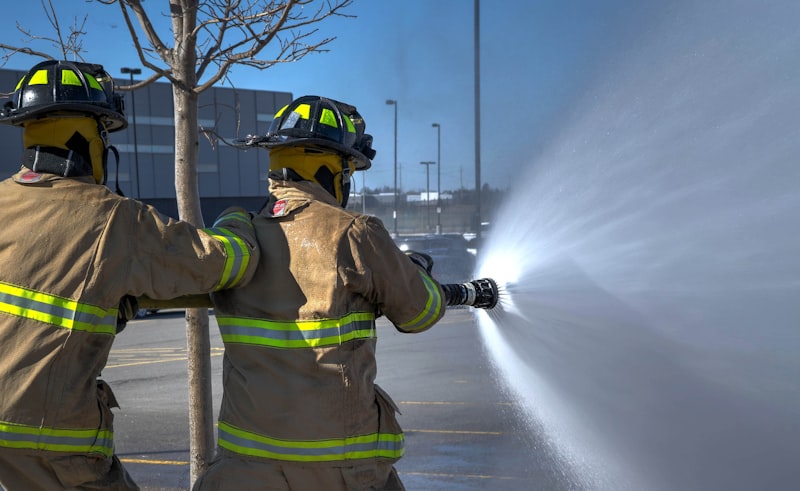
Fire is one of the most serious risks in competition drag builds. In fact, data from racing insurance firms in 2026 show that fire-related claims account for over 40% of all racing incidents. Therefore, high-level fire suppression upgrades are not only suggested — they are required above certain speeds and classes.
Automatic fire suppression is now standard in most full-chassis builds. These systems feature nozzles aimed at fuel cells, the driver’s lap area, and engine compartments. Solid choices for 2026 include HalGuard, Lifeline Zero 360, and SPA Design systems. The critical point is that the system must have enough agent to cover multiple zones. The activation handle should also be within immediate reach, or the system must auto-activate via a thermal sensor.
A key trend in 2026 is the move away from traditional halon-based agents. Fire systems using the latest clean agents, such as Novec 1230, are gaining popularity. These are safer for the driver, more effective, and now meet most environmental rules.
Handheld extinguishers are still mandatory in many classes. In addition, new regulations recommend quick-release mounts. Drivers or safety crews can access them in seconds.
Onboard electrical kill switches are just as crucial. Regulators require at least two: one for the driver, one accessible from outside the car. A clearly marked and easy-to-reach master shutoff reduces the risk of fire if an accident shorts the wiring.
Rescue extraction is another important consideration. All full-chassis drag builds need door bars designed to swing out, or removable side windows. During an emergency, these features allow quick driver extraction — often in less than 15 seconds. For more on racing fire standards, review this summary from the SFI Foundation.
Drivetrain and Mechanical Reliability Upgrades for Safety
Safety is not only about protecting the driver in a crash. Many critical upgrades help prevent dangerous failures during a run. Consider high-horsepower launches: if a driveshaft, clutch, or axle fails, it can cause catastrophic accidents.
Driveshaft loops are required for most competition builds, especially when running slicks and high-powered engines. These simple hoops, fitted ahead of and behind the driveshaft, prevent the shaft from dropping to the ground and pole-vaulting the car.
Transmission and clutch shields are also essential. Scatter shields made from SFI- or NHRA-approved steel or titanium contain fragments if a component explodes at high RPMs. This can prevent foot and leg injuries — or even worse outcomes.
Fuel cells designed for racing are critical upgrades. Drag builds must never use standard factory tanks. Modern fuel cells feature foam-filled bladders and anti-spill valves, minimizing fire risk in a rollover or collision.
Suspension upgrades matter as well. Properly designed adjustable shocks and four-link setups help maintain control during launches and passes. This reduces the odds of wheel standing, chassis twisting, or unpredictable handling.
Braking systems must also match the car’s speed. For example, any drag build running faster than 135 mph must use upgraded multi-piston caliper brakes, vented rotors, and, when required, a dual-parachute system. The latest data shows that cars using 2026 Wilwood drag brake kits have cut stopping distances by over 20% compared to past models.
For reference, check these 2026 NHRA chassis and equipment rules to understand what each class requires.
Data Monitoring Systems and Tech-Driven Safety Tools

Advances in data monitoring and tech-driven safety are changing how racers approach protection. In 2026, sophisticated sensors and telemetry systems help spot trouble before it becomes dangerous.
First, consider in-car data loggers. Systems like Racepak, AIM, and Motec record RPMs, drive shaft speed, G-forces, oil pressure, and many more parameters. Teams analyze this data to detect problems before catastrophic failure. For example, a sudden drop in fuel pressure during a pass can tip off the team to a failing fuel pump or clogged line.
Engine knock sensors, wideband O2 meters, and EGT probes help keep power levels safe. A sudden spike in exhaust temperature, for instance, may mean a lean fuel mixture — which can cause engine fires or piston failures.
Warning lights and buzzers are now common for everything from oil pressure to fluid temperatures. In fact, some systems even cut engine power automatically if a dangerous condition is detected. While this might cost precious seconds, it can save an engine or prevent a crash.
Another modern upgrade is video monitoring. Small action cameras record inside and outside the car. This footage is used for review after runs to spot issues or for accident analysis. However, some insurance companies also request video evidence during claims.
Digital radios and quick-helmet comms allow the crew to warn the driver about hazards, leaks, or red flags. In 2026, even club racers are adopting hands-free comms for instant communication during staging and runs.
Telemetry for Race Control
Some advanced tracks require real-time telemetry reporting for entry. Officials can spot a car’s excessive launch RPM or monitor tire pressures before green lights. Therefore, investing in these tools not only boosts safety but may be required for access to certain high-level events.
The Future of Safety Upgrades: Regulations, Costs, and Best Practices
Competition drag builds are now subject to fast-changing safety rules. In 2026, most sanctioning bodies review and update their requirements twice per year. Therefore, it is critical for all builders and drivers to stay informed.
Cost is always a factor. Full safety systems with certified cage, seat, harness, fire system, data logging, and personal gear can add $6,000 to $14,000 or more to a serious build. However, many insurance providers now demand proof of current certification for all major systems before they will write a policy. Therefore, skipping upgrades can cost more in lost coverage and denied claims than the price of modern safety gear.
Staying compliant and up-to-date also allows you to compete at more tracks and events. Some facilities will not allow any car with outdated safety tags on harnesses or fire systems. In addition, being able to show current SFI/FIA certifications streamlines tech inspection and reduces stress on race day.
Finally, experienced racers know that crash protection upgrades pay for themselves. There are many stories each season about drivers walking away from violent crashes. Often, only the right cage, harness, and suit stood between them and catastrophe.
For builders and drivers, keeping a detailed log of every upgrade, inspection, and certification is now standard best practice. Consider using digital logging apps synced with your team’s calendar to keep nothing overlooked.
Conclusion
Upgrading safety in competition drag builds is far more than a formality in 2026. It is the foundation of serious, long-term success in the world of drag racing. This article covered the essentials: roll cages, harnesses, seats, fire systems, drivetrain shielding, monitoring, and best practices for staying current with rules and insurance.
For every new build or major upgrade, start by checking the latest class and track requirements. Invest in time-tested parts with proper SFI or FIA marking, and always err on the side of more protection, not less. Your life, and your racing future, depend on it. For more information, visit official rules or consult an SFI-certified safety expert before your next build hits the track.
Leave a Reply