


If you want to drive faster and more consistently, you must understand how to choose the right sway bar for performance. This choice plays a key role in your car’s suspension setup, traction, and stability. Many drivers ignore this part, but it is essential for anyone who wants better launches or improved handling.
Choosing the wrong sway bar can limit your ability to maximize grip or control weight transfer. On the other hand, a smart choice can help you launch harder and steer with more confidence. In this guide, you’ll learn how to pick the perfect sway bar for your suspension and traction goals.
This article covers real-world tips, data, and practical examples, with a focus on suspension setup, weight transfer, and traction tricks. Whether your goal is to improve lap times or get a better 60-foot launch at the strip, the right selection will make a huge difference.
Why Sway Bars Matter in Performance Suspension and Traction

The main purpose of a sway bar—also called an anti-roll bar—is to reduce a car’s body roll during turns or aggressive launches. In other words, the sway bar connects the left and right sides of your suspension and helps distribute weight more evenly. Choosing this part carefully is crucial for performance applications because it changes how weight shifts from side to side and front to back.
Sway bars play two main roles. First, they reduce body roll during cornering, which keeps your tires in contact with the road. Second, they help control how weight shifts during hard launches, which improves traction and grip. In drag racing, for example, you want the right weight transfer to move as much power as possible to your powered wheels. This approach is backed by data from Grassroots Motorsports and Engineering Explained.
In fact, research shows that a too-stiff bar up front can cause understeer, while a soft rear bar can allow excess body movement. However, a balanced setup, with bars sized for your tires, power, and chassis, allows more even traction at launch and in corners. The result is better input from your suspension and smoother weight transfer. Therefore, picking the right bar helps your car stay more stable and puts more power to the ground.
For those who care about lap consistency and traction at launch, sway bars help control how energy moves through your chassis. In other words, the right choice supports quick, repeatable launches and tight, predictable handling. This part of your suspension setup is often overlooked, but it is one of the strongest ways to improve performance.
How to Choose the Right Sway Bar for Performance: Key Factors to Consider

Choosing the right sway bar for performance requires you to look at several important factors. Each plays a vital role in how your car behaves on the street or track. Let’s break down what you need to check before buying or swapping your sway bars.
First, consider how you drive your car. Do you want to improve straight-line launches, carve corners at speed, or achieve both? If your focus is drag racing, you want to optimize weight transfer to the drive wheels during acceleration. On the other hand, a car built for cornering speed may need stiffer bars to limit roll and keep tire contact even.
Second, look at your tire type and grip level. Softer, stickier tires put more load on your suspension, which means you may need a larger or adjustable sway bar. In fact, drivers who upgrade to wide, grippy tires often find themselves adding a stiffer rear bar for balance.
Third, factor in your suspension type and spring rates. A car with soft springs can use a larger sway bar to make up for body motion. However, a car with already stiff springs might benefit from a thinner bar or more adjustability.
Fourth, vehicle weight and weight distribution matter a lot. Heavier cars or those with a rear-biased balance may need different bar setups than light, front-heavy models. Similarly, if you add weight (like a turbo kit or heavy audio system), your sway bar needs can also change.
Finally, think about your traction goals for launches. Cars that struggle to put power down may benefit from a softer front bar and a stiffer rear bar, as this allows more weight to move to the drive wheels. In summary, there’s no one-size-fits-all sway bar—match your bar to your unique performance needs.
OEM Sway Bars vs. Performance Upgrades
Most factory sway bars are designed for comfort, not optimal traction or handling. While some sport trims offer firmer bars, aftermarket performance bars are often thicker, lighter, or adjustable. For example, a factory Honda Civic Si sway bar measures about 18mm front and 15mm rear, while many track drivers upgrade to 22mm front and 18-20mm rear bars for firmer control.
However, in drag racing or autocross, some drivers mix and match different bar rates depending on the surface and tire. In these cases, a stiffer rear sway bar can reduce body squat and improve straight-line traction. Always look at proven results, data, and published case studies before choosing a bar.
Adjustable vs. Fixed Sway Bars: Which is Best for Your Performance Setup?
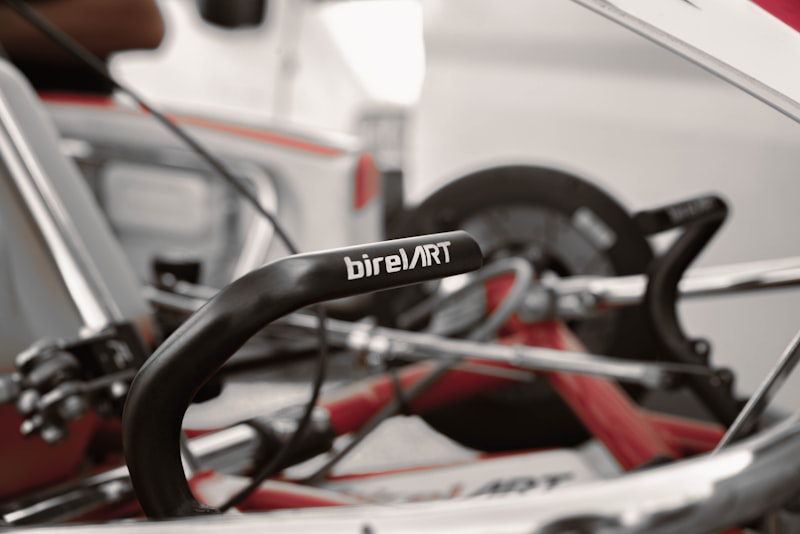
One of the biggest decisions when you learn how to choose the right sway bar for performance is deciding between adjustable and fixed options. Both types have their strengths and trade-offs.
Adjustable sway bars let you change stiffness by moving the link to different mounting points. This feature is especially useful for drivers who want to fine-tune handling as conditions or setups change. For example, if you’re running different wheels or tires at each event, adjustability gives you more control. In addition, you can stiffen the bar for track days and soften it for street use.
On the other hand, fixed sway bars do not offer this flexibility. However, they are simpler, lighter, and often less expensive. They are a good choice for drivers who have found their ideal setup and want less complexity. In many street-performance or entry-level track cars, a quality fixed bar can still offer a big jump in grip.
Real-world results show that adjustables sway bars help serious autocross and road course drivers dial in the perfect balance. According to suspension experts at Hotchkis Sport Suspension, adjustables are popular in spec racing, where rules limit other suspension changes. In these cases, being able to tweak bar stiffness solves understeer or oversteer issues without breaking the rules or the budget.
However, if your use case is simple—like straight-line drag racing or daily driving—a fixed sway bar may be all you need. Just remember that as your suspension or tire setup changes, you may also need to revisit your sway bar choice.
Sizing and Material Choices: Finding the Best Bar for Suspension and Traction

The size and material of your sway bar have a direct impact on weight transfer, tire contact, and overall suspension behavior. Bigger is not always better, so consider these points for making the smart choice.
Diameter and Stiffness
A thicker sway bar is stiffer, which reduces body roll more aggressively. For example, a 1mm increase in diameter can raise bar stiffness by 30-50%, based on bar design. However, if the bar is too stiff, it can lift a wheel or unload a tire during launches or tight corners, actually hurting traction.
Similarly, smaller bars or hollow/tubular bars are softer. This allows more independent suspension movement, leading to more weight transfer to the correct tires during launches. Therefore, if you want consistent launches, pair bar size with your car’s power level, tire type, and track surface.
Steel vs. Aluminum vs. Composite
Most sway bars are made of steel alloys for cost and strength. On the other hand, some high-end options use lightweight aluminum or even composite materials for reduced weight. Steel bars last longer and resist bending, making them ideal for street or mixed-use. However, aluminum bars save weight and are popular in racing, especially when every pound counts. Always ensure the bar’s material is rated for your car’s weight and intended use.
Matching the Bar to the Rest of Your Setup
Sway bar sizing must work with your tires, springs, shocks, and alignment as a total system. For example, if you run very soft springs in the rear, a large rear bar can help reduce squat and increase launch traction. However, if your springs are already stiff, too much bar may limit weight transfer and grip.
In summary, do not just pick the biggest bar that fits. Measure your wheel rates, test your launch and cornering balance, and look for real-world feedback from people with similar setups. This careful matching improves not only performance but also handling and safety.
Practical Tips and Step-by-Step Methods to Test and Tune Your Sway Bar Setup

Choosing the correct sway bar is the first step. However, testing and tuning ensure that your suspension and traction are optimized for your car and driving style.
First, install the new sway bar according to the manufacturer’s instructions. Set any adjustable bars to the softest setting at first. This gives you a baseline to compare changes in balance, traction, and ride quality.
Second, test your car in a safe, open area. Do both hard launches and sharp turns. Notice if the car understeers (pushes wide) or oversteers (steps out at the rear). If you find more understeer, try a softer front bar setting, or a stiffer rear bar. For more oversteer, soften the rear bar or stiffen the front.
In addition, keep notes on traction during launches. For example, on RWD cars, a stiffer rear bar may help put more power down. On FWD cars, a softer front or stiffer rear bar may give better grip on launch.
Tuning is not just trial and error. Use tire temperature gauges to see if one end overheats. Record 60-foot times if you drag race, or lap times on track. For example, if you lower your 60-foot time by .05 seconds after a rear bar change, you know traction improved. Reliable sources like Tire Rack explain that data-driven changes make the biggest difference over time.
Finally, remember to retest if you change wheels, tires, springs, or alignment. This practice ensures your sway bar setup always matches your traction and launch goals.
Conclusion

Choosing the right sway bar for performance is not just about buying a bigger or stiffer bar. It requires a close look at your goals, setup, and track conditions. In addition, the right sway bar balances weight transfer, maximizes tire grip, and supports faster, more repeatable launches.
Start by considering your driving needs, tire setup, suspension type, and car weight. Decide between fixed and adjustable bars. Remember, every change affects the whole system. Use real-world testing and data, not just theory, to get the perfect balance for your vehicle.
As suspension and traction technology evolves in 2026, smart bar choices give you the winning edge. Make changes step by step, test carefully, and you’ll gain better handling, traction, and launch control. For more information on performance suspension, see Grassroots Motorsports and keep exploring ecredexa.com’s expert guides.
Ready to get the most from your suspension setup? Review your car’s needs, grab your tools, and fine-tune your sway bar for the best traction and performance.
Leave a Reply