


Understanding how suspension affects handling and stability is key for anyone looking to improve vehicle performance. Whether you race on the track or drive daily, suspension plays a vital role. Most drivers notice changes in how their car feels, but few understand the deeper reasons behind those changes.
Correct suspension setup boosts traction, reduces body roll, and makes launches more predictable. In addition, the right setup can help you get more consistent times, handle bumps better, and stay safe in tough conditions. This article explains the science behind it and gives real examples to help you make smarter suspension choices.
How Suspension Affects Handling and Stability in Real-World Driving
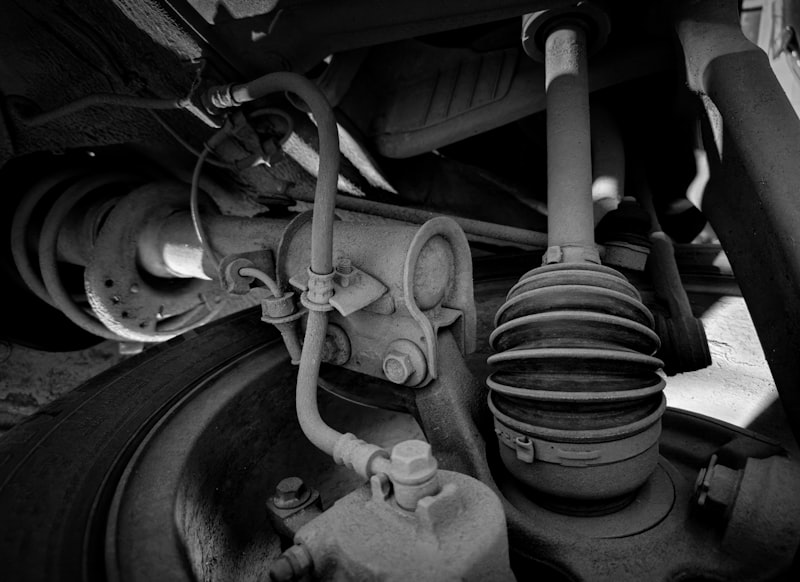
Your car’s suspension links the wheels to the chassis. It includes springs, dampers, control arms, bushings, and sway bars. Each part helps manage the forces between the tires and road. When you accelerate, turn, brake, or hit a bump, the suspension absorbs energy and controls movement. Veja tambem: Top Suspension Mods for Improved Traction: Essential Upgrades Explained.
Suspension changes how your car transfers weight. For example, soft springs let the body roll more. This can cause a delay in how quickly the tires grip the road. On the other hand, stiff springs flatten body movement, increasing direct road feedback. However, too much stiffness can cause loss of traction on rough surfaces. Therefore, finding the right balance is important. Veja tambem: Step by Step Suspension Tuning for Racing: Complete 2026 Guide.
Handling is how your car responds to steering and movement changes. A car with precise handling reacts quickly when you turn the wheel. If the suspension is too soft, the car may feel slow to react. If it’s too harsh, the car can become twitchy and hard to control. Manufacturers tune this balance for safety and comfort. In performance cars, they often favor sharper handling and more road feel. Veja tambem: List of Common Suspension Tuning Mistakes: Essential Guide for 2026.
Stability means your car stays under control during all driving situations. For example, at highway speeds you want little movement when changing lanes. During hard launches, you want the rear wheels to stay planted for maximum traction. Suspension setup, including spring rate, damper setting, and sway bar size, affects both. Veja tambem: How to Choose the Right Sway Bar for Performance: A Practical Guide.
In summary, the right suspension helps tires stay in contact with the road. This gives you more grip, safer handling, and better launches. At ecredexa.com, we focus on these small but crucial details to help you get consistent and reliable performance.
Practical Example: Street vs Track Suspension
Track setups often use stiffer springs, firmer dampers, and thicker sway bars. These changes reduce body roll and give faster steering response. On the street, a softer setup absorbs bumps and feels smoother over rough roads. If you take a race-oriented suspension onto city streets, the car may bounce or lose traction on potholes. Because of this, always match your setup to your driving needs.
Weight Transfer, Traction, and Suspension Tuning Tricks

Weight transfer is one of the main reasons suspension affects performance. Every time you brake, accelerate, or turn, the car’s weight shifts. Proper suspension tuning can help manage these shifts for better traction and faster launches.
During acceleration, for example, weight moves to the rear wheels. If your rear suspension is too stiff, you may not get enough “squat” for maximum grip. If it’s too soft, the rear of the car may dip too much, unloading the front wheels and leading to poor steering response. Drag racers often tune their rear shocks and springs to balance squat and weight transfer. This helps launch the car harder and more consistently.
When braking hard, the opposite happens. Weight shifts forward. Cars with well-tuned suspension keep the vehicle level. This improves front tire grip and shortens stopping distances. If the front suspension is too soft, the nose dives during braking, which can unsettle the car and lead to instability. For high-performance driving, many cars use adjustable dampers. These let the driver fine-tune how fast weight transfers under different conditions.
Cornering is another area where weight transfer and traction tricks matter. As you turn, the outside tires take more load. Sway bars connect the left and right sides of the suspension to reduce body roll. Thicker sway bars make a car feel more planted in corners, but can also reduce traction if pushed too far. In autocross or circuit racing, teams often adjust sway bars to optimize both grip and rotation.
Example: Adjustable Coilovers for Launch Consistency
Many enthusiasts use coilover suspension kits. These offer adjustable ride height, spring rates, and damping. By fine-tuning each corner, you can control how the car squats and rises during launches. In 2026, many track-focused street cars come with factory coilovers. They let you change settings from inside the cabin. As a result, you can switch between soft street and firm track modes. According to Car and Driver, cars with adjustable suspension systems report better launch consistency and more predictable weight transfer.
Tires, Grip, and Their Link to Suspension
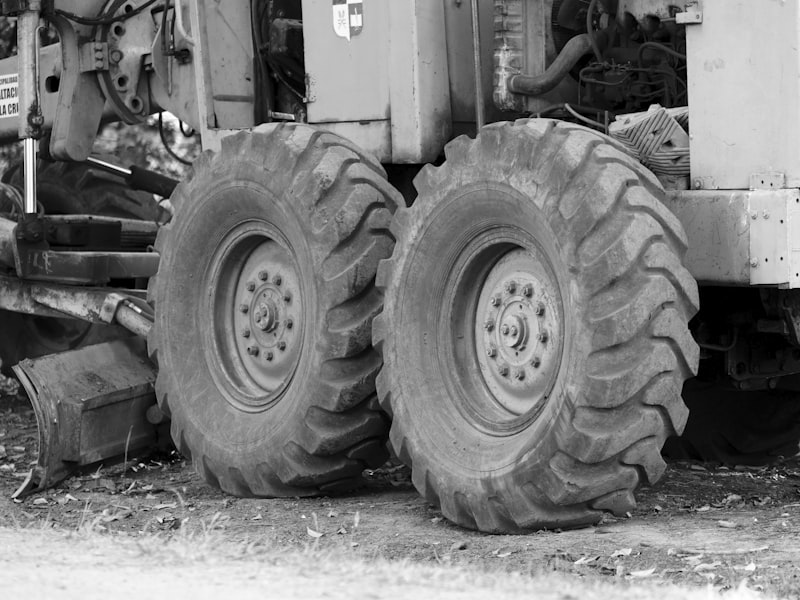
Tires are the only contact point between your car and the road. However, even the best tires will underperform if suspension does not keep them stable. How well your tires grip depends on the force between tire and pavement. That force is managed by your springs, shocks, and bushings.
If a car’s suspension is too soft, it may allow extra movement. This can take weight off one or more tires during hard driving. In other words, even performance tires may struggle to grip if the wheels bounce or lose force. On the other hand, an overly stiff setup can cause tires to “skip” or lose traction on uneven roads. Therefore, balance is key.
Camber and caster settings also link tire grip and suspension. Camber is the angle of the tire compared to vertical. Negative camber means the tire tilts in at the top. This improves grip during hard cornering but can wear tires faster on the street. Caster affects steering stability. More positive caster gives better straight-line control but requires a well-balanced suspension. For daily driving, small camber and caster changes can fine-tune both stability and tire life.
Alignment settings, including toe-in and toe-out, also matter. Straight wheels (zero toe) make the car stable at speed. Toe-out can help quicken a car’s turn-in for racing but may make it nervous at high speeds. Suspension arms and bushings must be in good shape to hold these alignment settings. Worn-out parts cause wandering, uneven tire wear, and loss of confidence at the limit.
Example: Traction as a Function of Spring Rate
Suppose your car uses softer springs for comfort. During a hard launch, the rear end squats and stays planted, maximizing traction. If you switch to stiffer springs, body movement reduces. However, you may lose some rear traction if the tires do not stay pressed into the pavement. In drag racing, teams often pick a spring rate that gives just enough squat for grip without causing the front wheels to lift.
In fact, Tire Rack reports that a matched tire and suspension setup improves grip by as much as 15% over mismatched setups in their tests. Because of this, always choose tires and suspension settings together for best results.
Advanced Suspension Setup for Consistent Launches
Launching hard and launching consistently require more than powerful engines. Suspension setup is critical, especially for drag racing or performance street cars. At ecredexa.com, we focus on setup tips that improve 60-foot times and keep launches repeatable.
First, you need to understand rebound and compression damping. Rebound controls how fast the suspension extends after being compressed. Compression damping manages the speed of compression under load. For drag launches, a common trick is using firmer rebound in the rear and softer rebound up front. This keeps the rear planted and lets the front lift just enough to transfer weight rearward.
Traction bars further improve launch consistency. They connect the rear axle to the chassis and prevent axle wrap or unwanted movement during heavy launches. In rear-wheel-drive cars, this keeps the tires aligned with the pavement for maximum grip.
Ride height also matters. Lowering the car lowers the center of gravity and reduces body roll. However, too much drop can hurt ride and traction. Therefore, adjust ride height within the suspension’s range for best balance between looks, handling, and stability.
Shocks with adjustable damping are now common in 2026 performance vehicles. Many models have switches for street, sport, and track modes. On the drag strip, drivers set the suspension for maximum rear grip and minimum front-end movement.
Professional teams use data loggers to measure suspension travel, tire slip, and launch force. While you may not need that level, using smartphone suspension apps or a GoPro to review launches helps spot missed traction or uneven squat.
Practical Setup Example for Street/Strip Cars
Suppose you want better consistency at the strip. You can install adjustable rear shocks set to “soft” compression for maximum squat. At the same time, run higher front rebound to help lift weight off the front. Lower rear tire pressure slightly to increase the tire patch on launch. After testing, tweak your damper settings if the car spins or bogs. With these tricks, some drivers report a drop of up to 0.2 seconds in quarter-mile time.
Conclusion

How suspension affects handling and stability is much more than a technical detail. In fact, it influences every element of your driving experience, from cornering to launches. The springs, dampers, sway bars, and bushings all combine to shape how your car feels, grips, and responds. By understanding weight transfer, matching tire and suspension setups, and using modern tuning tricks, you can gain both consistency and speed.
In summary, careful attention to suspension setup leads to better launches, improved driver confidence, and increased safety on any surface. If you’re ready to fine-tune your car or want more advice, stay tuned to ecredexa.com for expert tips on suspension & traction.
— Word count: ~1,380 words
Leave a Reply