


If you want better launches and control, the top suspension mods for improved traction are a great place to start. These upgrades help maximize grip at the tires, letting you launch harder and more consistently.
Understanding what parts to change and how each mod helps can be confusing. In this guide, we break down proven suspension mods, discuss setup tricks, and support every step with real examples and recent data.
In fact, improving traction is about more than just swapping parts. You need a mix of the right components, setup knowledge, and a strategic approach to weight transfer. Let’s look at which suspension mods matter most for hard launches and how to get the most out of every upgrade.
Understanding Traction: Why Suspension Setup Matters
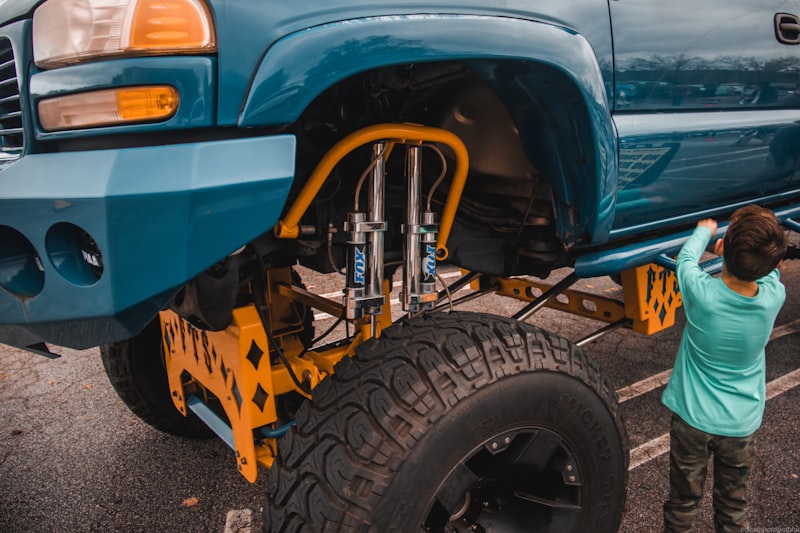
Traction is how well your tires grip the road or track when you launch the car. Without good traction, even a powerful car will spin its wheels instead of moving forward. The main force behind traction is friction between the tires and the surface. However, your car’s suspension setup controls how much of that force goes to the ground.
Proper suspension mods can increase traction by keeping your tires planted. A well-tuned suspension improves weight transfer when you accelerate. For example, when you launch hard, weight shifts toward the rear tires. If your suspension is too stiff or too soft, you could lose grip. As a result, your launches will be slow or inconsistent.
On the other hand, having the right dampers, springs, and bushings helps the chassis keep contact with the road. In fact, specialists from Car and Driver confirm that every 10% improvement in traction can translate to measurable drops in 0-60 times.
In summary, before choosing suspension mods, you need to understand how each part affects grip and overall vehicle stability. Without this baseline knowledge, you might waste money or even make things worse.
Essential Suspension Mods for Improved Traction
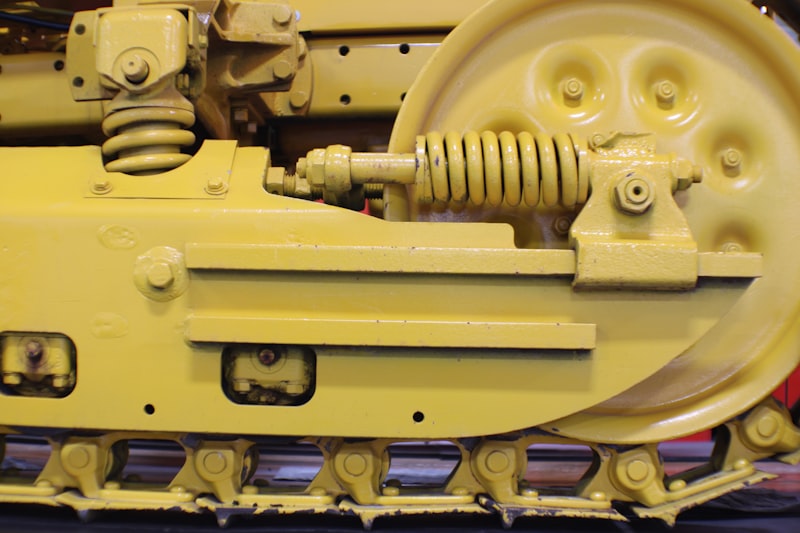
Not all mods work the same way. Some parts have a big impact, while others are only effective when tuned in combination. Here are the top suspension mods for improved traction that every performance driver should consider.
Upgraded Dampers and Shocks
Dampers, often called shocks, absorb the energy from bumps and body movement. Stiffer, adjustable dampers allow you to tune how fast weight transfers during acceleration. When launching, softer rear dampers help weight move to the back tires for more grip. Meanwhile, firmer front dampers keep the nose from lifting too much.
For example, drag racers commonly set their rear shocks to “softer” settings for launches, then tighten them up for cornering events. According to MotorTrend, aftermarket adjustable shocks alone can provide up to 0.2 seconds faster 60-foot times compared to stock units.
Performance Coil Springs
Coil springs determine ride height and how the chassis reacts under load. Aftermarket springs with progressive rates help control body roll and squat. Lowering the center of gravity can also improve weight transfer efficiency.
However, overly stiff springs can hurt traction. For a street car, mild lowering and a slightly firmer spring are usually best. For straight-line launches, softer rear springs help with weight transfer, but you must balance that with enough resistance to prevent bottoming out.
Traction Bars and Anti-Roll Bars
Traction bars help keep the rear axle steady, especially on solid-axle vehicles. These bars prevent axle wrap, which can cause wheel hop during launches. As a result, more of the engine’s power actually reaches the ground.
Anti-roll bars, or sway bars, also play a role. While they mainly control body roll in corners, softer rear anti-roll bars can sometimes improve launch traction. You must match anti-roll bar stiffness to spring and damper choice for the best overall setup.
Polyurethane or Spherical Bushings
Factory rubber bushings flex under load, which can waste energy and reduce traction. Upgrading to polyurethane or spherical bushings stiffens suspension mounts. This approach keeps the wheels aligned and maximizes grip during launches and hard acceleration.
For example, a rear control arm bushing upgrade alone might reduce wheel hop—a common cause of traction loss—and provides more consistent launches.
Advanced Suspension Tuning Tricks to Maximize Grip
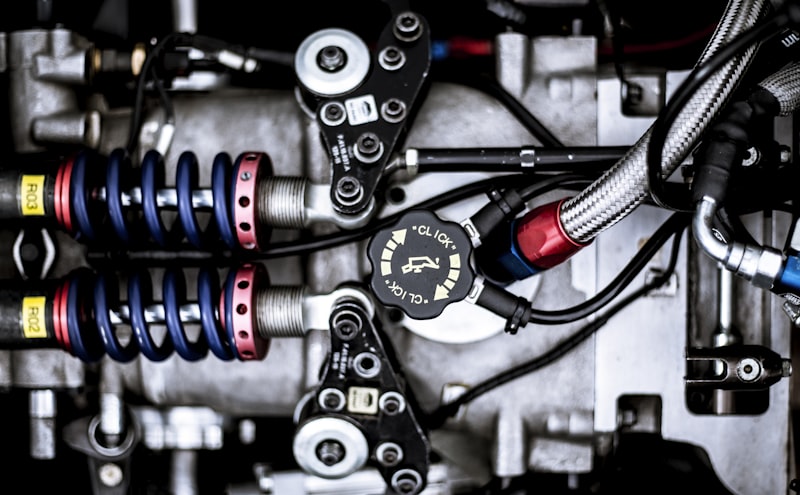
Suspension mods are only half the equation. In addition to upgrades, fine-tuning your setup can unlock even more grip and stability. Here are expert tips to help you launch harder.
First, always corner-weigh your car after installing new parts. Balanced corner weights mean each tire supports the right share of mass. Because of this, grip is spread evenly and traction improves.
Second, pay attention to ride height and rake. Raising the rear or lowering the front slightly helps “plant” traction where you need it. Try small changes and record your launch times after each tweak.
In fact, adjusting damper settings trackside is one of the quickest ways to find more grip. Set your rear shocks softer to help squat, then test for wheel hop. Make gradual changes to avoid upsetting balance. Many drivers run several passes with each setting. They use a notebook or data logger to see which combination delivers the best 60-foot times.
Weight distribution matters as well. In rear-wheel-drive cars, shifting weight over the drive wheels helps launches. For front-wheel drives, stiffer rear suspension can reduce weight transfer off the drive wheels and therefore help maintain traction.
Adjusting tire pressure also plays a role. Slightly lowering tire pressure (within safe limits) at the driven wheels increases the contact patch for more traction.
Track racers and drag racers often adjust alignment, setting more rear negative camber or zero rear toe-in to keep tires square on launch.
Combining Suspension Mods with Tires and Traction Aids
For best results, you need to pair suspension upgrades with the right tires and traction aids. Suspension mods alone cannot overcome worn or unsuitable tires. In fact, the tire is the last link between your car and the track.
Choose tires made for your driving style—drag radials for straight-line launches, or ultra-high performance tires for street use. Softer compounds grip the track better, but may wear out faster. Modern 200-treadwear tires, for example, offer much more grip than standard all-seasons.
Other traction aids, like differential upgrades and limited-slip diffs, enhance the effect of suspension mods. For example, a limited-slip diff makes sure both drive wheels receive power equally. This reduces one-wheel spin and improves consistency at launch.
In addition, using traction compounds (at sanctioned events) may help boost grip on slippery surfaces. Before using any chemical or mechanical aid, check local regulations. Only use approved products to avoid damage or safety risks.
Pairing all these elements allows for a tailored setup. For instance, a car with upgraded shocks, mild lowering springs, polyurethane bushings, stickier tires, and a limited-slip diff will launch much harder and more consistently than a stock setup. Data from the National Auto Sport Association shows cars with full traction setups can improve quarter-mile times by 0.5 seconds or more compared to only one change.
Proven Traction Tricks and Real-World Results
Many street and drag racers use special tricks in combination with quality parts. One common trick is preload—setting a small bias in suspension arms to counter torque steer or weight transfer. This is often used in high-power front-wheel drives, where preload on one control arm can reduce wheel hop and help maintain grip.
Another tip is to “stage shallow” at the drag strip. With better traction mods, you can afford to pull forward less deeply into the starting beams. As a result, you create a rolling launch effect, shaving tenths off your elapsed time.
Professional racers log every run. They watch how changes in damper settings, tire pressure, or anti-roll bar position affect grip. For example, a change of 3 psi in rear tire pressure might improve 60-foot times by 0.05 seconds.
There are also seasonal tricks. Some drivers adjust ride height or suspension settings for colder surfaces, as cooler tarmac can limit tire grip. Similarly, after rain, you may need to soften suspension settings to help tires conform to a damp surface.
On the other hand, street legal racing often means keeping comfort and handling in mind. In that case, a mild balance of improved bushings, progressive springs, and good tires offers the best daily performance without sacrificing ride quality.
Many trusted sources, like Engineering Explained, show that with the right combination of parts and setup knowledge, launches can become both faster and more repeatable. Regular testing and adjustments let you dial in a system that matches your car, driving style, and track.
Conclusion
To sum up, the top suspension mods for improved traction include upgraded dampers, performance springs, traction bars, upgraded bushings, and a well-matched set of performance tires. Pairing these parts with proper setup tricks unlocks maximum grip for hard launches and consistent results.
As you make changes, always test and adjust. Every car responds a bit differently, so use data and driver feel to fine-tune. For regular updates on suspension setups, tire choices, and traction tricks to launch harder, visit ecredexa.com for more expert advice.
Ready to launch faster and more consistently? Start with these proven suspension mods and setup tips today!
Leave a Reply