

The cost to build a street drag car in 2026 can vary a lot, but planning your budget is key. Many new racers want a street-legal build that offers strong quarter-mile performance without losing comfort or breaking the bank. In this guide, we break down what goes into the cost, cover key categories, and offer real examples to help you plan your own street/strip project. Saiba mais sobre Street Car Builds: Budget.
Building a car for both street and strip use means finding the right mix of power, safety, and street legality. Budget choices matter if this is your first build, or if you’re keeping costs down.
Let’s look at the main costs, smart ways to save money, and real-life results from the street drag scene. This way, you can decide what’s realistic for your goals. Veja tambem: Street Drag Car Build Mistakes to Avoid: Essential Tips for Safe, Fast Projects.
Breaking Down the Cost to Build a Street Drag Car
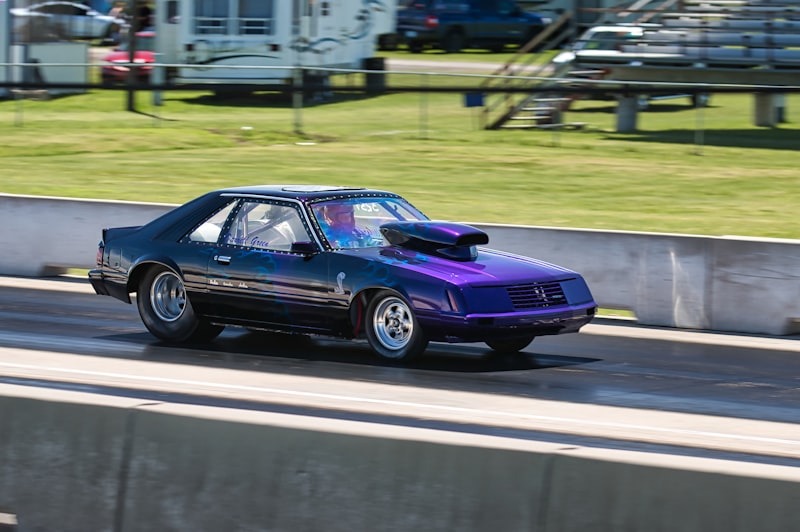
When talking about the cost to build a street drag car, there is no single number. The price depends on your starting car, your goals, and what you can do yourself. However, most first-time builders spend between $8,000 and $25,000 in 2026. Some budget projects can go lower, but costs add up fast with speed parts and safety gear.
Here’s how costs usually break down:
1. The Donor Car
First, you have to buy a car to build on. Most street builds start with popular platforms such as the Ford Mustang, Chevrolet Camaro, or older Honda Civics. For example, a 2000s Mustang GT with a V8 might cost $4,000 to $8,000 in good running shape in 2026. In contrast, a high-mileage Civic or Miata could go as low as $2,500-$4,000.
If you plan to keep air conditioning, a working stereo, and stock looks, a clean body matters. On the other hand, if you focus only on speed, buying a rough car with a strong engine can save money.
2. Engine and Performance Upgrades
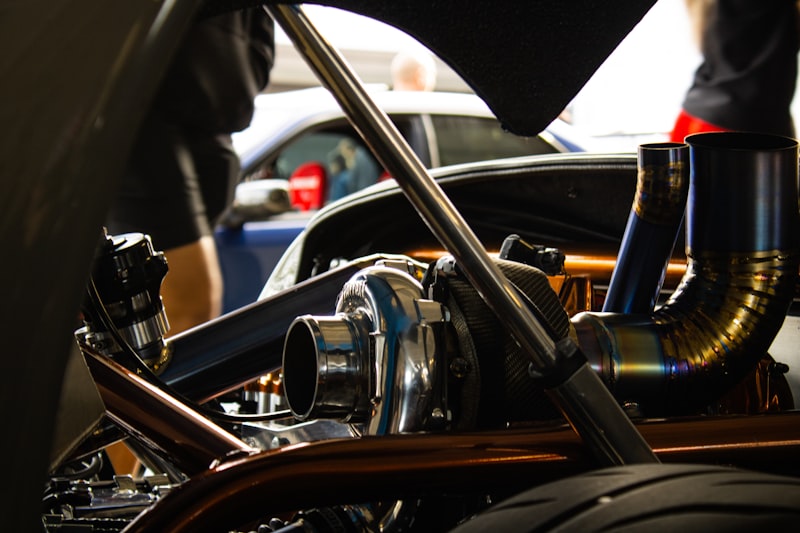
Most of your spending will go here. Bolt-on parts such as cold air intakes, headers, and cat-back exhausts usually cost $1,500 to $3,000 total. A basic turbo or supercharger kit—plus upgrades for fuel and tuning—can run $4,000 to $8,000. For higher power, you may need new pistons or a forged bottom end, which adds $2,000 to $5,000.
Don’t forget the hidden costs. Stronger clutches, motor mounts, and better cooling (like a bigger radiator or oil cooler) are often required. These small upgrades may run $1,000 to $2,000 but prevent costly engine failures. Saiba mais sobre How to Choose Engine.
3. Suspension, Drivetrain, and Brakes
To get power to the road, you’ll need better axles, limited-slip differentials, and upgraded driveshafts. Rear end swaps for Mustangs or Camaros can cost $1,200 to $2,000 with labor. Better shocks, drag springs, and polyurethane bushings help with traction and ride comfort for another $800-$1,500.
Front brakes, such as bigger rotors or multi-piston calipers, are smart for safety and pass tech checks at the strip. Basic kits start at $800.
4. Wheels, Tires, and Street/Strip Choices
Street-legal drag radials or “cheater” slicks cost $350-$500 per pair in 2026. Lightweight wheels help reduce unsprung weight and are usually $800-$1,500 for a set. Remember, many budget builds keep a set of stock wheels and change out tires for track days.
On a true street car, you’ll want DOT-approved tires to avoid trouble if you get pulled over. Drag slicks are not for highway use.
5. Safety Gear (for Both Street and Track)
Staying street legal means meeting state inspection rules. At the drag strip, you must also follow NHRA/IHRA safety rules, which often require a helmet ($200+), roll bar or roll cage ($600-$2,000 installed), and sometimes a fire extinguisher or battery cutoff switch ($100-$300). As your car gets faster (faster than 11.50s in the quarter-mile), these rules become stricter.
6. Tuning, Labor, and Unexpected Costs
If you cannot tune your car at home, budget $400-$1,500 for a professional dyno tune. Shops may charge $75-$100 per hour for special installations, such as turbocharging or roll bar fabrication. Always budget an extra 10-20% for problems, surprise part failures, or small upgrades.
In summary, the cost to build a street drag car can run from $8,000 for a mild project to $30,000+ for a faster, well-sorted build. Most new builders see solid results with $12,000-$18,000 invested by doing as much work themselves as possible.
How to Set a Build Budget for a Street/Strip Drag Car
Setting a clear budget matters when starting your street drag car build. Many first-time builders get overwhelmed by add-ons and project creep. Therefore, it’s important to set priorities and stick to them.
First, set your goal: Is this a daily driver with fun track days, or a weekend-only car? Cars meant for daily use should keep stock comforts, insurance-friendly looks, and lower horsepower. A track-focused street car can use more extreme setups, but still needs to pass inspection and handle occasional road miles.
Planning Around Your Goals and Needs
Make a list of “must have” upgrades (engine power, brakes, basic safety). Then list “nice to have” items (sound system, fancy paint, upgraded seats). As a result, you will focus your spending.
For example, here is a simple starter budget in 2026:
- Donor Car: $4,000 (95-04 Mustang GT)
- Bolt-on Engine Upgrades: $2,000
- Mild Forced Induction (used kit): $2,500
- Basic Suspension Upgrades: $900
- Tires and Wheels: $1,200
- Safety Gear/Helmets: $400
- Dyno Tune: $600
- Miscellaneous/Unexpected: $500
- DIY Saves Money: Each task you do yourself, such as installing bolt-ons or replacing brakes, can save $75-$200 in labor per job.
- Plan for Safety First: Skipping safety gear leads to trouble at the track, and can result in losing tech approval or even unsafe driving.
- Don’t Chase Big Power: More horsepower brings more breakage and higher cost everywhere, from axles to tires to tuning.
- Start Simple: Run the car at the track early. Learn what it needs, then upgrade to fix weak points, not for bragging rights.
That totals $12,100, a typical street/strip build, and can run 12-second or even high-11-second quarter-mile times reliably.
In addition, if you don’t need forced induction, you might save $2,000-$4,000. Every extra feature adds cost, so be realistic.
Stretching Your Money: Used Parts and DIY
Buying used speed parts from forums, online marketplaces, or local classifieds can save 30-50%. However, always inspect for wear or damage. Additionally, learning to do maintenance and bolt-ons yourself saves thousands in labor.
Car and Driver’s beginner drag racing guide covers why street builds are so popular for new racers.
Making Smart Choices: Where It Pays to Spend or Save
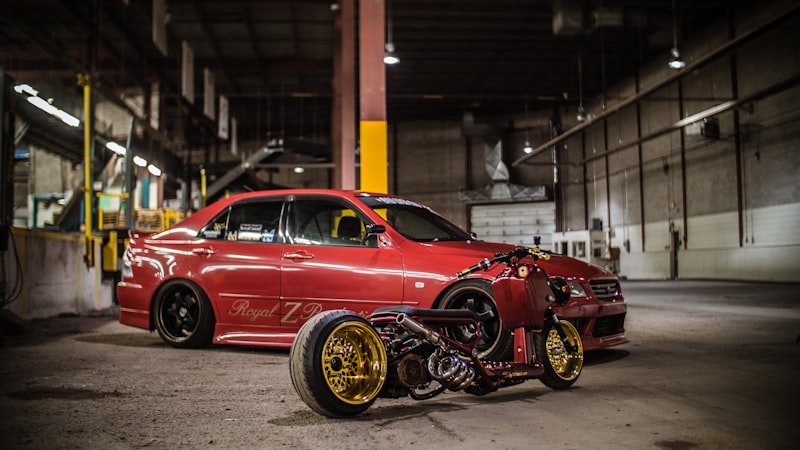
Not all upgrades are equal when you are watching your budget. On a street drag project, it’s possible to go fast without spending everything up front. Understanding where to spend and where to save can make or break your project.
For example, spending on high-quality engine parts makes sense. Cheap clutches or used differentials can fail fast under stress. Therefore, focus your money on weak points, especially drivetrain upgrades and proper cooling. Saiba mais sobre What Makes a Good.
However, you can save on style upgrades. Paint jobs, custom interiors, or show wheels are often not needed for solid street/strip use. Basic bucket seats are lighter and often cheaper. Similarly, stock seats work fine for most launches if they are in good condition.
For those on extreme budgets, “run what you brung” events let you race with very mild upgrades. Some street racers simply add stickier tires and a cold air intake to see if they enjoy the sport. As a result, you can test out street drag racing for less than $2,500 added to your car’s usual cost.
Additionally, the aftermarket for classic muscle cars is huge. This means plentiful, low-cost bolt-ons for cars like the Foxbody Mustang or LS-swapped Camaros. Parts for newer platforms, such as Mopar’s Charger/Challenger, may cost more but offer modern comfort and safety.
Use tools like the Summit Racing street/strip calculator to see which parts make sense for your performance goal.
Real-World Builds: Examples and Lessons Learned
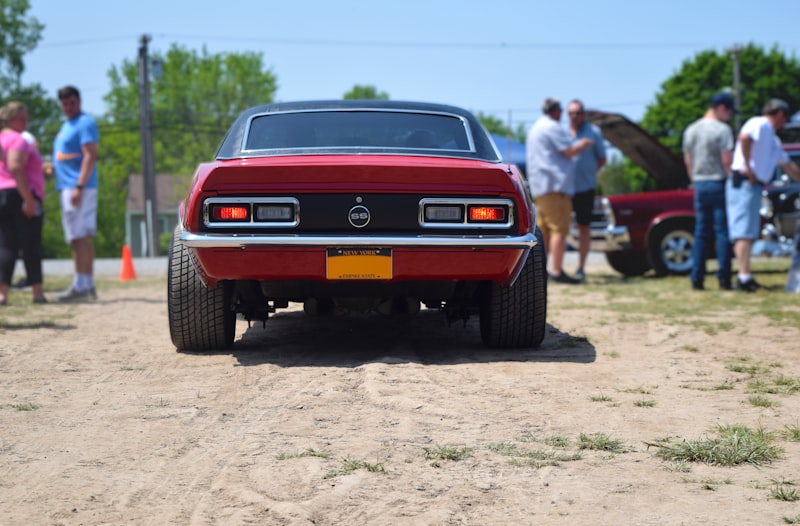
Seeing what others spend can help set your own expectations for building a street drag car. In 2026, online forums and YouTube builds show a wide range of costs and results.
Example 1: “Marie’s Daily Mustang” Marie, a first-time racer, bought a 2002 Mustang GT for $4,500. She installed a basic supercharger kit ($3,800), added drag radials to stock wheels ($500), upgraded her clutch ($700), and paid for a tune ($950). Keeping things simple, she used a bolt-in roll bar ($650) as her only big safety mod.
Her total spent: about $11,000. The result? A 12.3-second quarter-mile and daily comfort. Because of smart priorities, she stayed on budget, drove her car to work, and passed local emissions checks.
Example 2: “The Budget Civic” Miguel built a 1999 Honda Civic coupe with a used turbo kit ($1,200), junkyard LS swap ($750), and cheap coilovers ($400). He sourced lightweight wheels used ($250) and drag radials ($320). He also spent on a roll bar and battery relocation kit ($500 total). The car ran 12.7 seconds, and Miguel invested about $7,500 including the $3,000 donor car.
These basic builds show what’s possible by using used parts, simple safety gear, and sticking to basic upgrades. In fact, many street racers start with far less. Reliability and learning take priority over going fast right away.
Lessons Learned
Not every build needs a $4,000 turbo or $2,000 coilover kit. Many first-timers get years of fun from basic setups and reliable, street-friendly cars.
Unique Challenges for Street-Legal Builds
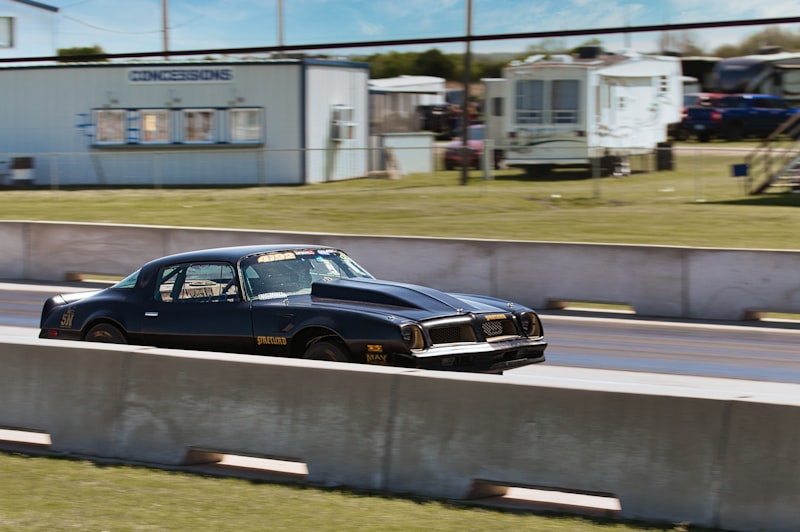
Building a drag car that can still be driven on the street presents its own challenges. Drag race-only cars do not need to pass emissions or comfort checks. On the other hand, street/strip hybrids must clear local inspection and insurance rules.
Many states require working lights, turn signals, horns, and catalytic converters on all street vehicles. Some also need visible license plates and mufflers to stay legal. Because of this, you may pay more for high-flow cats, quieter exhausts, or “stealth” mods that keep you under police radar.
Insurance can also be a hurdle. Some insurers raise rates or drop coverage if they spot a roll cage, major engine swap, or non-stock supercharger. In 2026, it’s wise to call your agent before major changes. Some specialized insurers offer “modified car” policies, but rates will vary.
Local race tracks may set stricter safety rules as well. For example, any car quicker than 11.49 seconds at NHRA tracks needs a roll bar. Quicker than 10.99 requires a real roll cage, five-point harness, and certified helmet. Budget for these if you plan to go fast.
Because of these extra steps, street/strip builds take more time, money, and planning than track-only cars. However, the reward is a true street car that turns heads on the highway and runs with the best at your local strip.
Conclusion
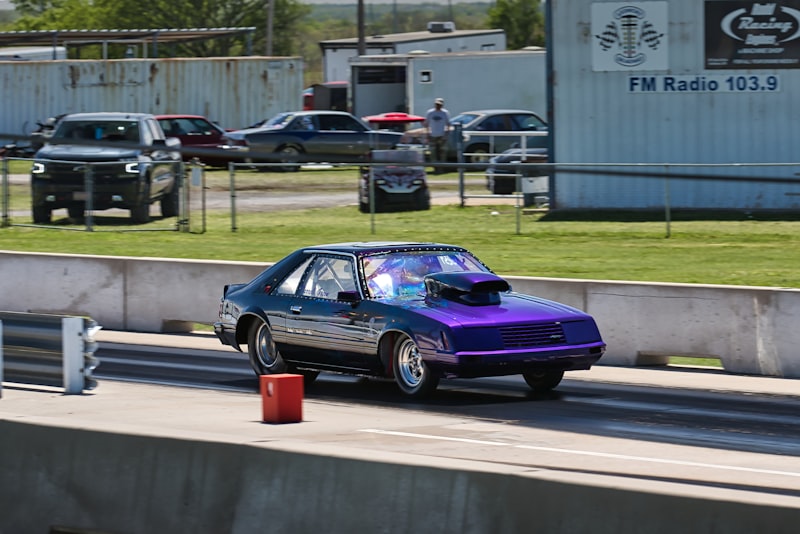
The cost to build a street drag car in 2026 depends on your goals, your chosen car, and how much work you do yourself. Most first-time street/strip projects spend $8,000 to $18,000 by balancing performance, safety, and street legality. Using used parts, doing your own work, and setting clear priorities will help keep costs down.
In summary, start simple, focus on safety, and upgrade as your skills and budget allow. The fun of racing a street drag car is within reach for anyone who plans smart. Are you ready to start your own street/strip build? Make a budget, reach out to local racers, and take your first steps today.
Leave a Reply