

Anyone curious about what makes a good street drag car will soon see that it takes more than just big horsepower numbers. Building a fast and safe street-legal drag machine is about balance, reliability, and smart upgrades. For many, the goal is to have a car that can drive to work during the week and run solid times at the drag strip on weekends.
A good street drag car should be fun, affordable, and safe. In addition, it needs to be legal for regular road use. This article dives deep into what separates the best builds from the rest, especially for those starting out or working on a budget.
Let’s break down the key features, smart modification choices, and important tips that answer the question: what makes a good street drag car?. Veja tambem: How to Choose Engine for Street Drag Car: A Beginner’s Guide.
The Core Ingredients: Power, Traction, Weight, and Reliability

To fully understand what makes a good street drag car, start by examining the four main elements: power, traction, weight, and reliability. Focusing only on horsepower can backfire without looking at their balance. For a street build, each piece matters in different ways. Veja tambem: Cost to Build a Street Drag Car: Real Prices and Budget Tips.
First, power is what most people notice. However, a high-horsepower engine alone is useless if it cannot put the power to the ground. For beginners, a naturally aspirated V8 or turbocharged four-cylinder can be a great starting point. As a result, many budget street builds use engines like the Chevy LS, Ford Coyote, or Honda K-series for their mix of power and reliability. Veja tambem: Street Drag Car Build Mistakes to Avoid: Essential Tips for Safe, Fast Projects.
Next is traction. This is often overlooked but makes a major difference at the drag strip. Street tires can spin easily, especially with more power. Therefore, many owners upgrade to drag radials or a quality limited-slip differential. On the street, you still need tires that work on wet roads. For example, Nitto NT555R or Mickey Thompson Street SS tires offer a good balance, providing grip on the strip without losing too much street safety. Veja tambem: Top Modifications for Street Drag Racing: Best Street Build Upgrades.
In addition, weight plays a huge role. Reducing weight leads to faster times, even without boosting power. Simple changes like removing the rear seats, swapping to lightweight wheels, and using a fiberglass hood can save 100-200 pounds. According to real-world tests from Hot Rod Magazine, every 100 pounds lost can cut as much as 0.1 second from your quarter-mile time.
Finally, reliability is what lets your car survive both daily commutes and multiple runs at the track. Because of this, street/strip cars need strong cooling systems, quality spark plugs, and durable drivetrains. Upgrades like larger radiators and trans coolers keep temperatures down in traffic and under hard acceleration. For first-timers, a build that runs all day, every day is more rewarding than one that sits broken in the garage.
Budget Constraints and First Project Choices
Many newcomers focus on affordable platforms. The Fox-body Mustang, Chevrolet Camaro, or Honda Civic all have huge support and parts availability. Because of this, they offer great value for your first build. They are easy to find, cheap to fix, and fast with the right upgrades.
Street Legality and Comfort: Keeping It Real for Daily Driving
A real street drag car must remain legal and comfortable enough for everyday use. This is where many “all-out” drag builds go wrong. Sacrificing too much can turn a fun project into an annoyance or even a risk.
One important requirement is meeting local laws for lights, emissions, and safety equipment. For example, removing catalytic converters, bypassing emissions controls, or deleting airbags can fail inspection and result in fines. Therefore, think twice before making changes that would make your car fail a state or city inspection.
In fact, smart builds keep most factory safety features. Upgraded seat belts, modern lighting, and a working horn are mandatory for street use in most states. Some cars even need a roll bar at certain e.t. times but those can be installed in a way that keeps the rear seat usable.
AC and heat are considered luxuries, but deleting them may make your car uncomfortable for regular use. For example, summer commutes in a car with no air conditioning can be a dealbreaker. Many builders try to keep these systems, or use lighter aftermarket units.
Noise is another concern. While a full race exhaust with open headers sounds great at the track, it can become unbearable on the street. A good compromise is a high-flow exhaust that meets legal noise limits but still breathes well. Brands like MagnaFlow and Flowmaster offer bolt-on systems for popular street drag platforms.
Finally, interior comfort is a big part of the street experience. Swapping race seats or harnesses may boost strip times. However, uncomfortable seats or a gutted interior make daily driving tough. In summary, the best street drag cars make smart tradeoffs, keeping their cars fun and practical on real roads.
Key Modifications: Upgrades That Matter for Street Drag Builds
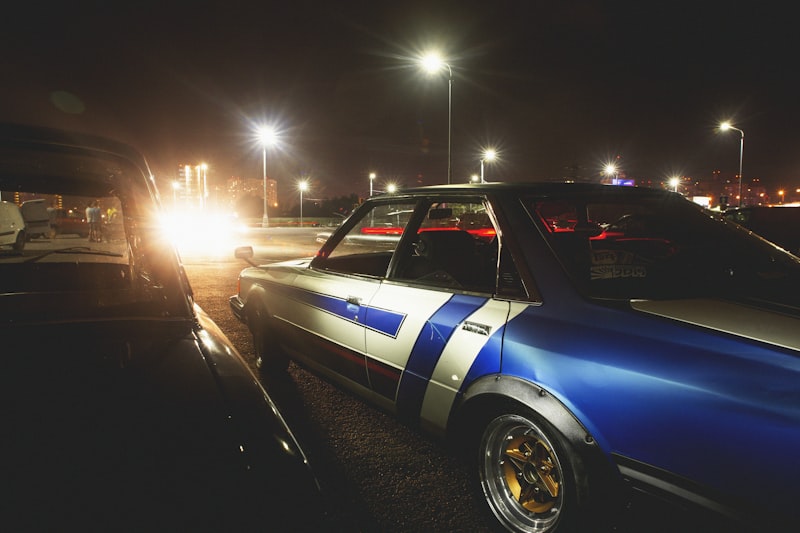
Choosing the right upgrades is crucial for anyone learning what makes a good street drag car. The best modifications give the most performance per dollar and still keep the car usable on the street.
Start with suspension. Stock suspension often fails to control squat and wheel hop when launching hard. Upgrades like stronger bushings, adjustable shocks, and lower control arms help plant the power. This prevents wheel spin and keeps the ride comfortable over bumps. For example, adding a set of drag springs and adjustable dampers can make a night-and-day difference.
In addition, drivetrain and transmission upgrades are vital. A weak clutch or automatic can slip and fail, ending a run early. Upgrading to a performance clutch or shift kit helps the powers reach the tires. On automatics, a torque converter matched to your engine and tire size can cut significant time from your launch. According to Summit Racing, a stall converter appropriate for your build often delivers the best e.t. improvements for the money.
Next, tuning is critical. Running too lean or rich can damage the engine. A custom ECU tune or “chip” ensures that the car makes the most power safely. Today’s platforms like HP Tuners or Hondata offer reliable tuning solutions for both American V8s and sport compacts. This is especially important when adding forced induction like turbos or superchargers.
Braking upgrades are also important. With more speed at the end of the strip, better brakes keep you safe. Big brake kits or quality pads and rotors prevent fade. However, overdoing it can add unnecessary weight, so balance is key.
Finally, data and timing are important for progress. Many owners use affordable devices like Dragy, or smartphone apps, to track quarter-mile times and GPS speed. Keeping logs helps spot patterns and weaknesses, allowing for smarter upgrades later.
Real-World Examples: Successful Budget Street/Strip Builds
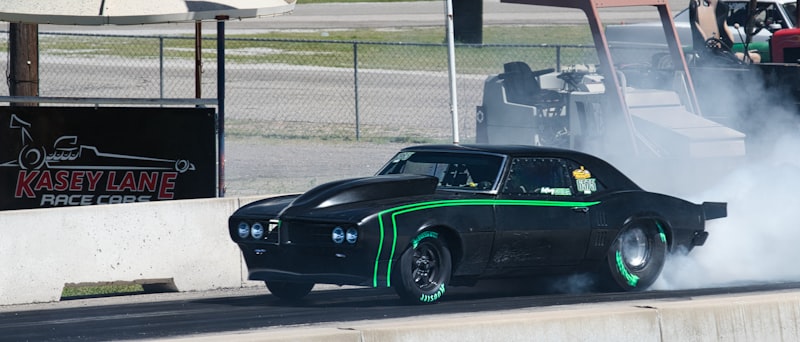
Seeing how others succeed with street drag projects offers real lessons for anyone starting out. Because of the huge community around street drag racing, there are many proven recipes for success.
For example, a common budget build in 2026 is the 1999-2004 Ford Mustang GT. These cars now sell for under $5,000 in running condition. Adding basic bolt-ons—cold air intake, cat-back exhaust, drag radials, and a 100-shot nitrous kit—can push quarter-mile times into the low 12-second range for less than $3,000 in upgrades. These cars keep all factory safety equipment, working AC, and legal exhaust.
Another example is the Honda Civic hatchback (1996-2000). These cars are light and have huge aftermarket support. Builders often swap in a K20 or B18 VTEC engine, add sticky tires, and use a street-legal exhaust. The result is a reliable 13-second daily driver that can be built for under $8,000 total, according to surveys in major online car forums.
Similarly, the Chevrolet Camaro and Pontiac Firebird (1993-2002) with LS1 engines have proven robust platforms. With bolt-on upgrades, sticky tires, and a good tune, these cars can dip into the 12s while still having working AC, full interior, and emissions-compliant exhausts.
One key lesson from these examples is that the best results come from thoughtful, balanced upgrades. Owners who mix street comfort, legal compliance, and proven modifications win on race day without sacrificing daily practicality.
Safety First: Street Drag Racing Precautions and Community
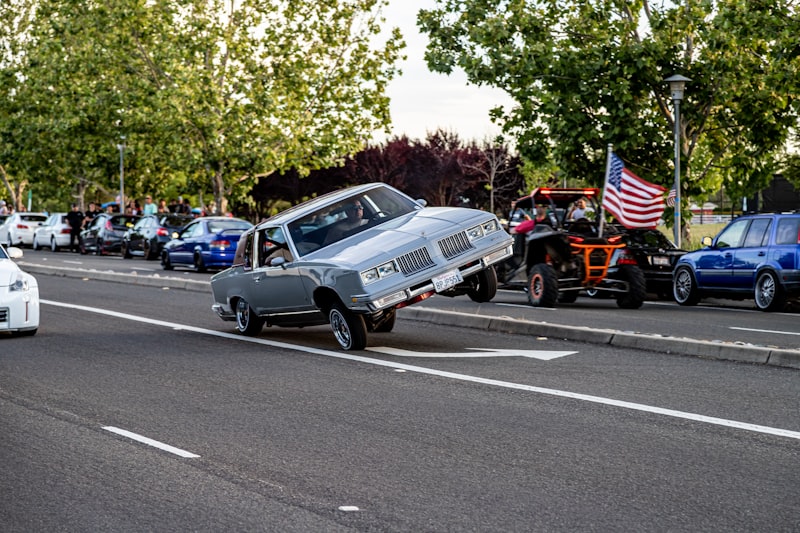
No guide on what makes a good street drag car would be complete without stressing safety. Fast street cars are fun, but only if they are built safely and used responsibly.
Always build with safety gear in mind. While full roll cages are not always required for slower cars, high-quality seat belts and modern airbags are lifesavers. In fact, the National Hot Rod Association (NHRA) has specific safety rules for street classes, including battery tie-downs, driveshaft loops, and fire extinguishers.
On the street, never race where it’s not allowed. Organized, legal drag events are safer and more fun. Local drag strips now offer “test and tune” nights for street cars, letting you compete in a safe, controlled setting. This also helps avoid the legal risks and dangers of unsanctioned street racing.
The street/strip community is very supportive. Many forums, Facebook groups, and local clubs host cruise-ins, tuning days, and group drives. This network offers advice, inspiration, and even parts swaps for new builders. Because of this, learning from community members speeds up progress and can prevent costly mistakes.
Conclusion
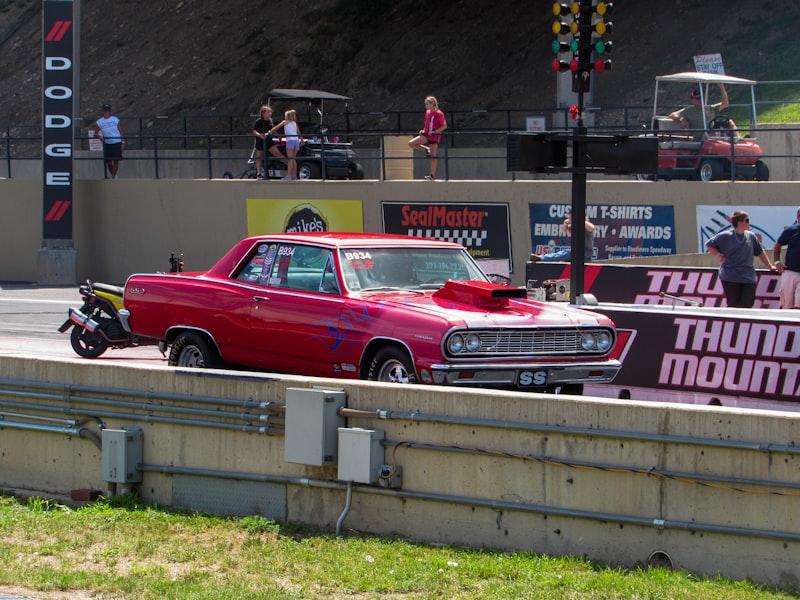
Building a true street drag car involves more than adding horsepower. The best builds carefully balance power, traction, weight, and reliability. In addition, staying legal and comfortable for daily driving helps keep the car fun, not frustrating.
Choosing the right upgrades, learning from real-world examples, and putting safety first set winners apart. Start with a reliable base, make smart improvements, and join the local street/strip community. Because of this, your first street-legal drag car will give excitement both on the road and at the track. If you’re ready to start your own project, remember that what makes a good street drag car is how well it can handle everyday challenges and still shine when the lights go green.
Leave a Reply