


The cost breakdown of competition drag car builds is one of the first things professional and amateur racers want to know before starting a new project. Understanding these costs is key for anyone serious about building a full race car dedicated to competition.
A real race-ready drag car is a major investment. There are dozens of categories, but all advanced competition builds—purpose-built chassis, pro roll cages, massive slicks, and advanced setups—demand serious budgets. In 2026, prices have continued to climb, and knowing where to spend is more important than ever.
This guide will show you the real numbers. It breaks down every major area, including components, labor, safety, and hidden costs. Whether you’re building for bracket, pro mod, or heads-up, you’ll find what you need for smart planning. Let’s dive in.
Key Components in a Competition Drag Car Build: Where the Money Goes
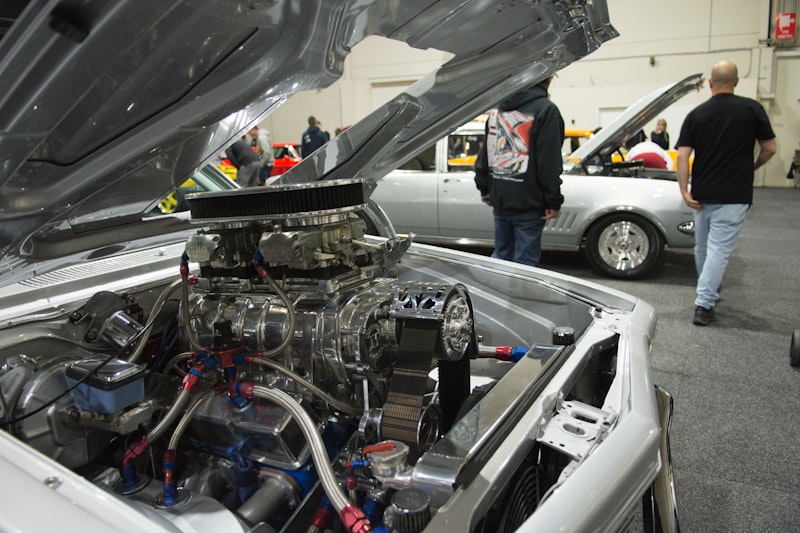
A complete drag car build for serious competition is complex. The main cost areas often include the chassis, engine, drivetrain, suspension, safety gear, electronics, and wheels/tires. In fact, each piece is highly specialized. Therefore, let’s see what goes into each one. Veja tambem: Lightweight Materials for Drag Competition Builds: Top Choices in 2026.
Chassis and Cage
The chassis is the heart of a competition drag car. A dedicated chassis refers to a frame built for drag racing—not modified from a street car but custom-built from tube steel or chromoly. For legal safety and maximum stiffness, many top-level race classes require a certified chassis and professional cage. Because of this, the chassis can be the biggest single cost after the engine. Veja tambem: How to Improve Aerodynamics for Drag Car Racing: Proven Competition Builds.
- Pro-built tube chassis (chromoly): $12,000 to $25,000+
- Custom roll cage: $4,000 to $6,000
- Naturally aspirated V8: $15,000 to $30,000
- Turbo or supercharged V8 (Pro Mod): $30,000 to $75,000+
- Nitrous setup (including plumbing and tuning): Add $4,000 to $10,000
- Race Powerglide or TH400 transmission (built for 1,500+ HP): $6,000 to $12,000
- Rear axle assembly (with spool, gears, axles): $3,500 to $7,000
- Driveshaft, clutch/torque converter: $2,000 to $4,000
- Four-link, ladder-bar, or strut suspension systems: $4,000 to $8,000
- Coilover shocks (full set): $2,000 to $5,000
- Lightweight disc brakes (all corners): $2,500 to $4,500
- Rear slicks (pair): $800 to $1,400 per set (need multiple per season)
- Front runners: $300 to $600
- Beadlock wheels (set): $2,500 to $4,500
- Wing, parachute, and wheelie bars: $3,000 to $7,000
- Engine management system (ECU): $2,500 to $7,000
- Data logger and sensors: $2,000 to $5,000
- Custom harness and wiring: $1,000 to $3,000
- Fire suppression system: $900 to $2,000
- Six-point racing harness: $300 to $500
- Racing seat: $600 to $1,200
- Full fire suit, helmet, HANS device: $2,000+
- Top Sportsman 7-second car: $125,000 to $220,000+
- Small-tire No Prep 8-second build: $65,000 to $110,000
- Class rules: Some classes ban certain engines or tire sizes, or mandate safety tech. In addition, these restrictions often require more spending on lighter materials or exotic solutions.
- Used vs. New Parts: Sourcing used engines or chassis can lower costs, but risk reliability.
- Sponsorship/Team support: Sponsored teams may reduce their own out-of-pocket. Privateers cover everything themselves.
- Level of finish: Painted and detailed cars cost far more than bare chassis or wrap finishes.
- DIY vs. Turnkey: Doing your own fabrication can save money, but requires skill and time. Many turn to pro shops to save on mistakes.
- Chassis/cage: $18,000
- Bodywork and mount: $6,000
- Engine with fuel/nitrous: $38,000
- Transmission/driveline: $11,000
- Suspension/shocks: $6,800
- Brakes: $3,500
- Wheels/tires: $4,600 (initial set)
- Electronics: $5,100
- Safety: $2,900
- Paint/interior: $4,500
- Professional assembly/tuning: $28,000
- Miscellaneous: $8,000
- Average yearly engine refresh: $4,000 to $8,000
- Spare transmission/axle/ECU: $3,000 to $15,000 on hand
- Major crash repairs: $10,000 to $40,000
- Race trailer: $12,000 to $40,000 (enclosed, with amenities)
- Tow vehicle: $35,000 to $80,000
- Trackside tools, jacks, fuel: $5,000+
- Entry fees and pit passes per event: $150 to $800
- Fuel (per race season): $2,000 to $8,000
- Track rental: $400 to $1,500 per session
- Professional tuning/day: $400 to $1,000
These prices are for the base structure only. Body panels and mounting add several thousand more. In addition, certified builders must pass strict inspections, especially for NHRA/IHRA events. Veja tambem: Safety Upgrades for Competition Drag Builds: Essential Racing Protections.
Engine
Competition engines are expensive—and for good reason. Reliability and power are everything. For example, a small-block Chevy with forged internals, high-flow heads, and race cam can reach $15,000. However, many professional builds use big blocks or forced induction.
New tech and precision machining drive up the price. Parts like crankshafts, pistons, and rods are all specialty-grade. Many professional teams spend even more on custom billet blocks or rare parts.
Drivetrain and Transmission
The drag car drivetrain must handle huge torque. Therefore, transmissions and rear-ends are specialized.
Some classes require manual transmissions. Others run automatic with transbrake and electronic controls.
Suspension and Brakes
Maximum traction and stability are a must for competition builds. Because of this, aftermarket and adjustable parts are common.
These numbers do not include extensive setup time at the track, which can cost extra if hiring specialists.
Wheels, Tires, and Accessories
Running slicks and beadlock wheels is standard for any real competition build.
Tires wear quickly, and most teams buy several sets each season.
Electronics and Data
Modern drag cars need accurate tuning. Therefore, data loggers, ECUs, and safety wiring are vital.
Many racers depend on real-time monitoring to avoid expensive failures.
Safety Gear
Every competition car must have safety gear meeting current rules. These are non-negotiable costs.
As a result, cutting corners here is not an option.
Labor and Assembly
If you use a professional builder, expect to pay $20,000+ for assembly, setup, and initial tuning. On the other hand, even DIY builds often require outside help for welding, wiring, or tuning.
Total for all major parts and labor: $70,000 to $150,000+ not including spares, testing, or track support.
Budgeting for a Drag Car Build: Real-World Examples and Variable Costs
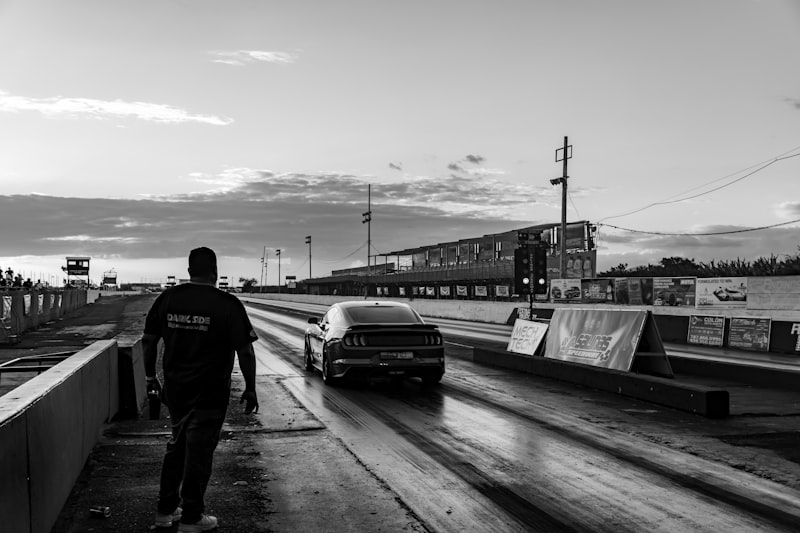
When looking at the cost breakdown of competition drag car builds, one size rarely fits all. Different classes, rules, and project goals mean big swings in spending. Therefore, let’s examine what shapes your total budget with real project examples.
First, car class and power targets drive nearly every decision. For instance, consider a typical “Top Sportsman” style build versus a small-tire “No Prep” car. The difference can easily double or triple your final total.
Both take purpose-built chassis, big engines, and extensive safety. However, extreme records or big-power forced induction add huge costs fast.
Common Variables That Affect Build Costs
Many racers find networking valuable. Visiting forums like Yellow Bullet or attending events can help you find deals or accurate budget examples.
Real-World Budget Breakdown: A 7-Second Door Car
Let’s break down a finished “door slammer” budget from a real 2026 project:
Total: $136,900
This does not include spares, crash repairs, travel, or ongoing tire replacement—often $10,000+ per year.
Hidden and Ongoing Costs: What Many Racers Underestimate

While the core components in the cost breakdown of competition drag car builds get attention, hidden and ongoing expenses can make or break a build. Many builders focus only on the car, not the team’s true yearly spend.
Spare Parts and Repairs
Racing puts everything under extreme stress. As a result, engines may need freshening after 30-50 runs, with new rings, bearings, and valve springs. Crashes or component failures—from driveline to electronics—are not rare, even at pro levels.
Many successful teams keep spares in their trailer, ready for overnight swaps.
Race Support and Logistics
Serious racers need a tow rig, trailer, and pit tools. In fact, transport and logistics can cost as much as car components, especially for teams chasing national series.
In addition, incidentals like hotel, travel, and food for the team add even more.
Testing and Tuning
Track testing is critical. However, renting a track costs hundreds per day. In addition, paying a tuner or chassis expert for track days adds up fast.
Successful teams usually budget for at least three major test-and-tune days per season.
How to Plan and Control Your Drag Car Build Budget in 2026
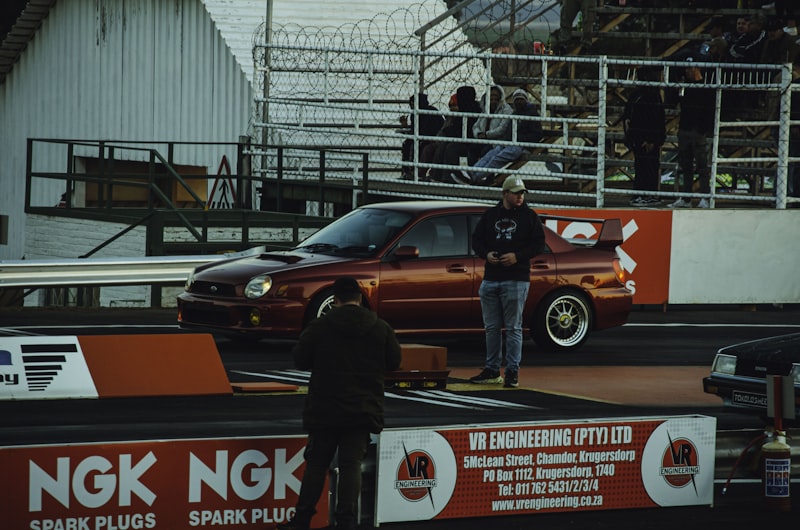
Most race builds run 15–30% over early budgets. Careful planning helps control costs and avoid costly surprises. Therefore, consider these essential strategies for 2026 competition drag projects.
Prioritize Safety, Power, and Reliability
Never cut corners on safety gear or certified chassis work. This area is non-negotiable. In addition, focus spending where it yields the most performance per dollar, especially in engine and suspension.
For example, a mid-level data logger can save thousands by helping catch and prevent failures early.
Shop Carefully and Use Reliable Vendors
Avoid deals that seem too good to be true. Use reputable shops and well-known part suppliers. Forums like Dragzine, NHRA lists, and SFI certification guides provide good info and vendor resources.
If you buy used parts, have them inspected by a pro. Rebuilt engines or gearboxes may save money upfront but must be healthy to last a season of racing.
Consider Long-Term Costs
Racing budgets go beyond the initial spend. Set aside at least 10–20% of your budget for spares, repairs, and travel. Review rules every season—updates can require new gear or modifications.
Finally, track all your expenses, including “little” items like wiring, fluids, or entry fees. Many racers use spreadsheets or project planners to prevent financial surprises.
Join a Community
Stay connected to other racers and builders. Many teams share their budgets, preferred shops, and real-world advice online or at the track. These connections often lead to better deals and new knowledge.
Conclusion
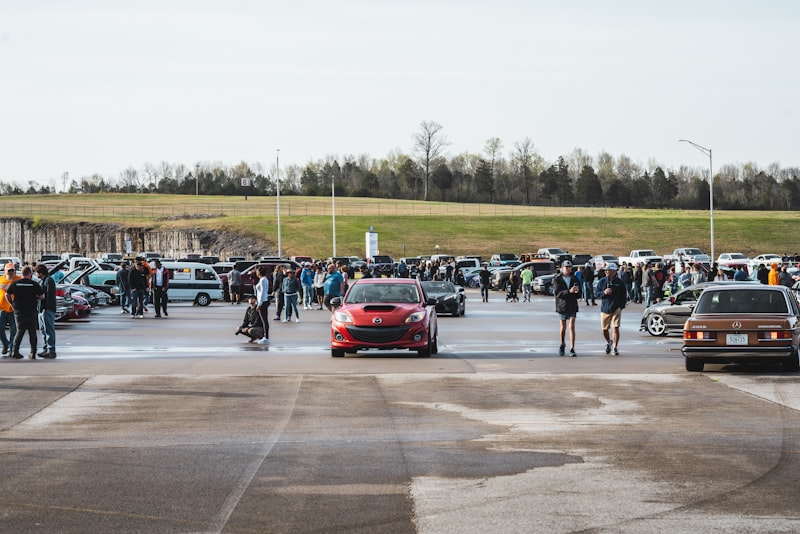
Building a true competition drag car is a big commitment. The cost breakdown of competition drag car builds can range from $70,000 to well above $200,000, depending on your class and goals. It’s never just about parts—the big picture includes safety, preparation, spares, and support.
In 2026, thorough planning, using trusted suppliers, and staying on top of ongoing costs are the best ways to compete and avoid budget mistakes. For anyone serious about drag racing, knowing every detail—before you spend—will help you finish your build and get on track with confidence.
Ready for your build? Make a list, check your class rules, and use real-world numbers to keep your drag car project on track this season.
Leave a Reply