


Learning how to improve aerodynamics for drag car racing can give your competition build a real edge. In drag racing, every fraction of a second matters. Managing air flow can be just as important as horsepower or traction.
For full competition chassis, advanced cage setups, and slick tire builds, aerodynamic tuning is critical. In this guide, we’ll break down real-world techniques proven on the strip. You’ll discover tested strategies that help reduce drag and maximize downforce.
Whether you run a Pro Mod, an Outlaw 10.5, or a dedicated Heads-Up build, the smartest teams are always looking for ways to cut through air faster. In fact, top-level cars spend thousands on wind tunnel testing. Luckily, some improvements don’t require six-figure budgets—you just need the right knowledge, attention to detail, and relentless testing.
Understanding Drag: The Foundation of Drag Car Aerodynamics

If you want to excel in drag competitions, you must understand what aerodynamic drag does to your car. Drag is the resistance that airflow creates as your vehicle moves forward. Lower drag means the car goes faster with the same power. Veja tambem: Safety Upgrades for Competition Drag Builds: Essential Racing Protections.
There are two main types of drag to know: parasitic drag and induced drag. Parasitic drag happens from the shape and surface of the car. Induced drag happens when airflow creates lift, especially at high speeds. Most drag racers focus on cutting parasitic drag first.
For example, a competitive Pro Stock chassis may see up to 40% of its total resistance from aerodynamic drag, according to the National Hot Rod Association (NHRA). As a result, many top teams use both computer fluid modeling and real-life wind tunnel tests to find problem areas.
However, you don’t need a wind tunnel to start making improvements. Things like body panel fitment, ride height, and the choice of materials can all affect total drag. For example, gaps between body panels can disrupt airflow and increase resistance. Therefore, teams often seal seams with tape or flexible fillers before each run.
In fact, smoothing the car’s underbody provides gains for minimal cost. Teams use flat aluminum panels or carbon fiber sheets to keep the bottom smooth. This reduces turbulence and lowers drag without heavy investment.
In summary, understanding the way drag robs your car of speed is the starting point for every fix that follows. Small, smart steps quickly add up to tenths or even hundredths at the finish line.
The Role of Body Shape and Chassis Design
The overall body shape matters a lot in drag racing. Sleeker cars with smooth curves tend to cut through air better. For instance, rounded front ends and gradual roof slopes help guide airflow instead of forcing it to tumble around the car.
It’s not just the top and sides—chassis design under the car also matters. Open tube frames create lots of turbulence. That’s why so many pro builds use flat-bottom panels and side skirts. Because of this, they manage rough air and prevent it from grabbing the chassis, giving the car a cleaner ride down the strip.
Front-End Aerodynamics: Noses, Splitters, and Air Dams
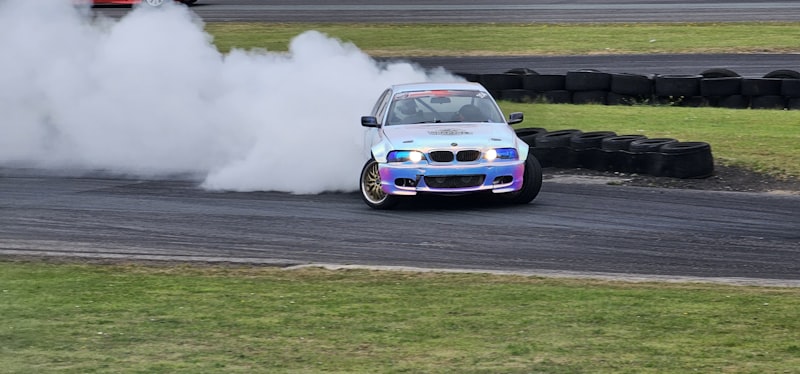
Optimizing the front of your drag car is one of the best ways to improve performance. Air first meets your car at the nose. Therefore, how you manage this airflow decides what happens for the rest of the run.
Many top competition builds use fiberglass or carbon fiber noses with integrated splitters. These splitters force air over and around the car rather than under it. With less air flowing under the chassis, lift is reduced and high-speed stability increases.
Air dams are also common tools. When mounted underneath the front bumper, an air dam blocks air from rushing under the car. This reduces turbulence and drag under the chassis. In some racing classes, these devices shave off as much as 0.02-0.05 seconds in the quarter-mile by smoothing the front airflow.
Front-end modifications also help engine cooling management. However, large grille openings may increase drag. Therefore, many drag cars use tape or custom covers to reduce grille size while still keeping temperatures in check.
For example, an NHRA Pro Stock car may rely on a tightly sealed, contoured nose. Years of development have shown that every inch of unused grille or air gap adds to overall drag. Smart teams always pay attention to this detail.
For those fabricating at home or in small shops, you can start by sealing all gaps, filling sharp transitions, and blocking off unneeded openings. Aluminum sheet, lightweight plastics, and heat-resistant tape can make a big difference without major cost. Wind tunnel testing by Racecar Engineering shows that even tiny tweaks up front influence top-end speed and stability.
Streamlining the Cabin: Windshields, Windows, and Roofline
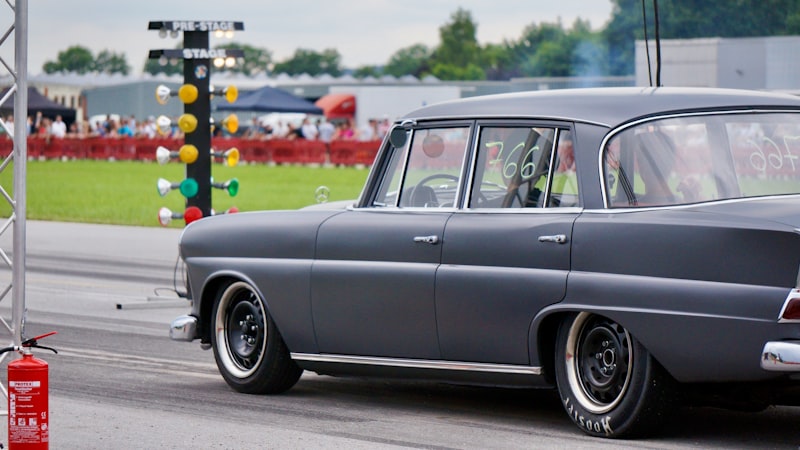
Reducing drag in the cabin area is vital for maximizing acceleration and minimizing resistance. Full race builds often replace glass with lightweight Lexan windows. Lexan not only cuts weight, but its smooth surface helps air slip past the cabin more easily.
The angle of the windshield is especially critical. In drag competition, the goal is to keep airflow moving smoothly over the roof without creating separation behind the glass. Stock cars may have steep windshields, which make air lose contact, creating a turbulent wake. Therefore, many chassis builders design custom windshield shapes with a shallower angle to improve flow.
In the same way, roof transitions matter. Pro-level cars use roof caps or gently rounded shapes so air doesn’t break away. Any sharp transitions or sudden roof drops will create drag-inducing turbulence.
Side windows are another point of concern. Small window gaps or raised side edges disturb airflow. To fix this, most professional teams flush-mount their windows or use bonded seams. This simple upgrade prevents air from tumbling inside, which would slow the car and increase noise.
For Outlaw and Pro Mod classes, the roof and pillar area often get special attention. Some builders use “parachute deletes,” removing external handles and bulges to streamline the roof section. Even small changes here help because the roof is where most of the high-speed wind action happens.
In summary, every cabin detail—glass type, angle, sealing, and roof design—should be chosen to keep air “stuck” to the car. As a result, the car remains stable and fast through the traps.
Underbody Modifications: Skirts, Diffusers, and Belly Pans
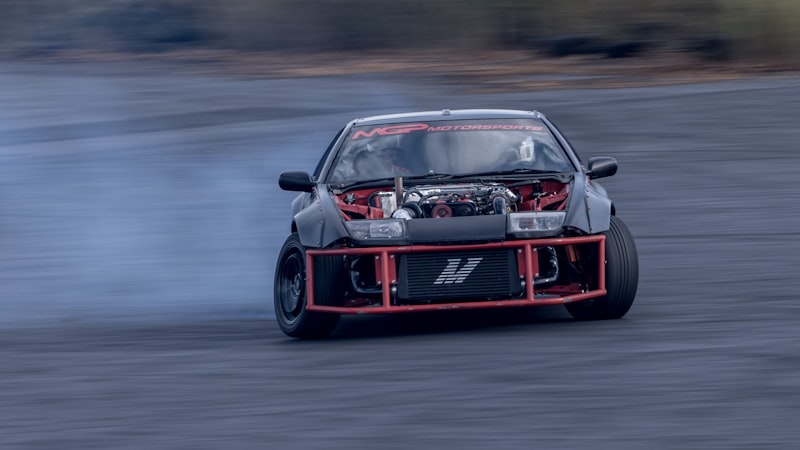
The underbody is critical in learning how to improve aerodynamics for drag car racing. Many racers think mainly about engine power, but a dirty or turbulent underbody wastes hard-won speed.
Advanced competition builds use flat belly pans made of aluminum or carbon fiber. These smooth sheets prevent suspension parts and frame tubes from catching air. In fact, research by MotorTrend shows flat bottoms can reduce drag by up to 7%. This is a huge advantage over an exposed tube chassis.
Side skirts are also valuable tools. Skirts are strips or panels along each side that prevent high-pressure air from the sides rolling under the car. When fitted right, they maintain a clean, low-pressure area under the chassis. Because of this, there is less lift and, in some setups, more downforce at speed.
Diffusers—mainly used in classes that allow them—are special shapes at the rear of the underbody. They help air exit cleanly from under the car, reducing turbulence and drag. However, diffusers aren’t common in all drag classes due to rules. When allowed, they can improve high-speed control as well as straight-line speed.
Even if your class limits underbody work, simple steps like closing off unused holes and smoothing rough welds are worth time. Most racers see better ETs the more attention they pay to the draft under the car.
Some teams use foam “blockers” or even low-profile composite panels around the trans tunnel and rear axle. For dedicated drag builds, any suspension that sits below the flat pan should be faired, covered, or at least smoothed for airflow.
In summary, underbody work often delivers some of the cheapest and most durable speed increasing mods in drag racing.
Rear-End Aero: Managing Turbulence for Maximum Speed
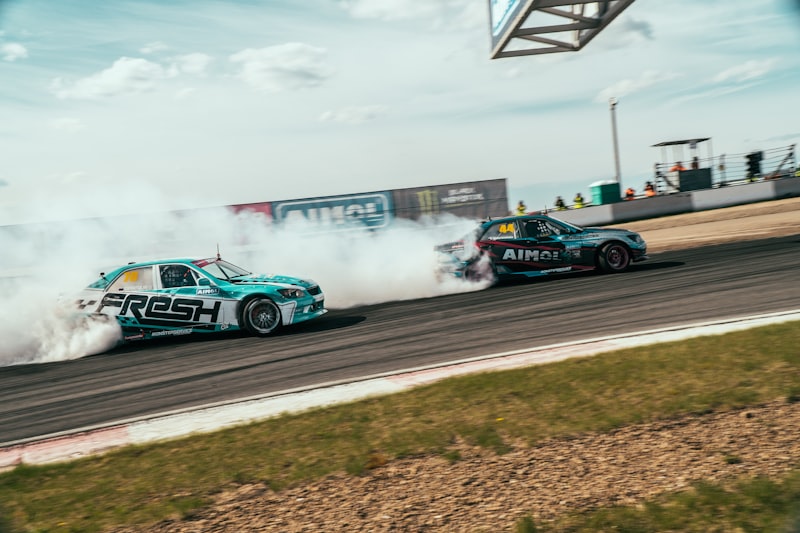
After the car slices through the air, the rear end controls how cleanly that air is released. Therefore, improving rear-end aero can lead to meaningful gains in competition racing.
One common issue is the creation of a turbulent “wake” behind the car. If the rear is boxy or full of sharp corners, it acts like a parachute and slows you down. To fix this, many advanced builds use rounded rear valances, ducktail spoilers, or “fastback” rear glass panels. These help the air flow off smoothly, which in turn reduces drag.
Spoilers and wings are vital in higher classes. Low-profile spoilers help keep the rear planted. Adjustable wings, which you’ll see on Pro Mods and Outlaw 10.5 cars, let you fine-tune balance. However, too much angle or surface area adds drag, so teams use data from both track runs and wind tunnel results.
For instance, in high-power cars, even a small spoiler at the right angle can increase stability without dragging down speed. In the NHRA, teams report that tuning rear deck spoilers in 1-2 degree steps can change mid-track control, ET, and top speed.
Body panel finish and sealing is just as important at the back as at the front. Teams use tape or custom gaskets to block gaps. This prevents air from getting trapped behind tail lights, bumpers, and trunk lids.
Another popular trick is rolling the rear pan—smoothing or rounding the edge under the bumper. This can boost airflow and cut drag by reducing sharp areas where air separates.
Finally, parachute mounting also affects airflow. To keep things smooth, many dedicated builds tuck parachute packs into recessed pans or use fabric covers for mounting points. Careful routing of chute lines and stowing handles can reduce unwanted drag in the speed traps.
Conclusion
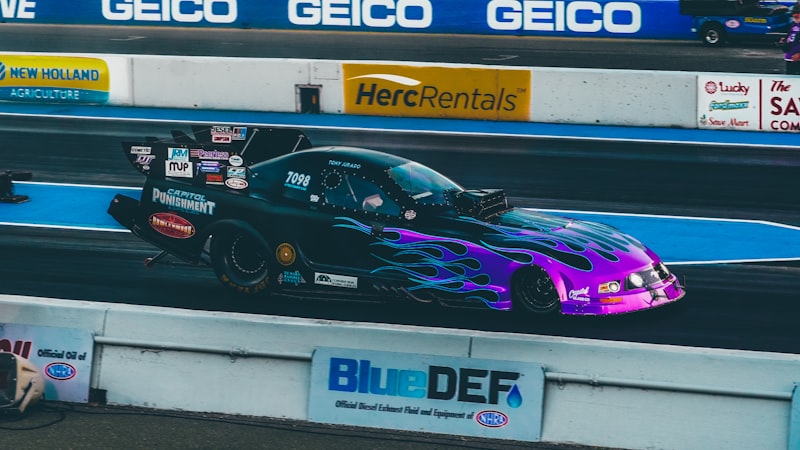
Mastering how to improve aerodynamics for drag car racing comes down to steady, focused work. Each part of the car—from the front end to the rear panels—offers opportunities to reduce drag and improve stability.
First, understand how drag forms and where it steals speed from your car. Then, attack every section: nose, windshield, underbody, and tail. Use smooth surfaces, tight seals, and tested shapes for the best airflow.
Competition builds thrive on details. Therefore, take nothing for granted. Even small gains in airflow often translate into wins at the strip. For more data and best practices, check out resources like NHRA Tech.
Ready to get competitive? Start by walking around your race car and look for ways to shrink, seal, and smooth. Every improvement edges you closer to the winner’s circle.
Leave a Reply