


A complete drag car competition build checklist ensures you do not overlook any essential steps when creating a full competition car build. Whether you are new to racing or updating your setup for 2026, this checklist can make or break your results. Saiba mais sobre How to Choose Parts.
Having a solid approach means focusing on safety, chassis setup, powertrain, and details like wiring or data logging. Therefore, it is important to follow a reliable and industry-accepted process for race car builds. This article will walk you through every critical step, focusing on dedicated competition chassis and advanced setups for modern drag racing.
Drag Car Chassis and Safety: The Build Foundation
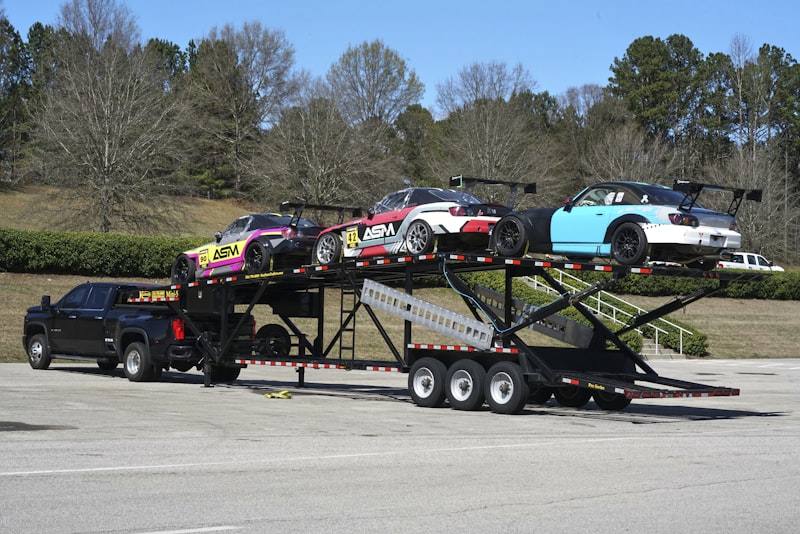
Any drag car competition build checklist should start with the frame and safety features. Your chassis forms the backbone of the entire build, affecting not just safety but also overall performance. In fact, sanctioning bodies like the NHRA have strict rules for cage design, welding, and structure. These rules change often, so check the latest NHRA Rulebook before starting. Veja tambem: Cost Breakdown of Competition Drag Car Builds: What You Need to Know.
First, select a dedicated race chassis. Tube frame cars are common in pro classes because they are light and strong. Keep in mind that classes like Pro Mod, Top Sportsman, or Outlaw require specific materials and designs. Chassis kits from brands like RJ Race Cars or Jerry Bickel cover many popular classes in 2026. Veja tambem: Lightweight Materials for Drag Competition Builds: Top Choices in 2026.
Next, install a certified roll cage. Modern 8.50-second cages use 1-5/8″ x .083″ chromoly tubing. Your cage should cover all driver points of contact and include side intrusion bars. Welds must be continuous and checked for strength. Veja tambem: How to Improve Aerodynamics for Drag Car Racing: Proven Competition Builds.
In addition, mount dedicated race seats and a five-point harness system. These must meet the current SFI or FIA requirements. As a result, you reduce injury risk and meet technical inspection standards.
Fire systems are now required in most classes running under 9.99 seconds. Use an SFI-rated fire suppression system, with nozzles in the engine bay and cabin.
Wiring and battery location also play key roles in safety. Use a master disconnect switch outside the car, and route wiring away from moving parts. Finally, install window and driveshaft loops as required by your class. This attention to the basics sets you up for reliable passes and keeps you legal for any event in 2026.
Powertrain Essentials: Engine, Transmission, and Drivetrain
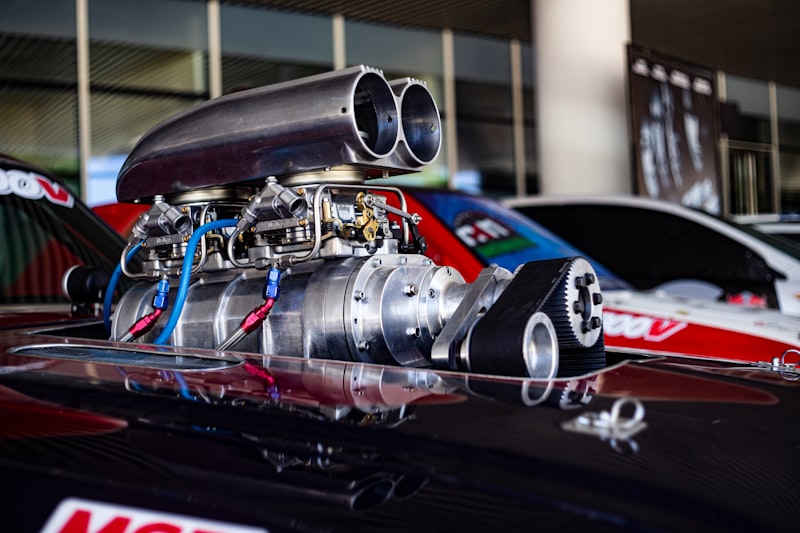
Once you have a solid foundation, the next part of the drag car competition build checklist focuses on the powertrain. This is where race-winning performance begins to take shape.
Start with the engine block. Popular choices in 2026 include billet aluminum small blocks or Hemi-style big block V8s, depending on the target class. For example, in Pro Mod, 3,000+ horsepower with forced induction is now common. Pick forged rotating parts, race pistons, and roller camshafts for durability.
Fuel delivery is equally important. Modern dual-fuel setups use both mechanical and electronic injection to ensure consistent supply. Top teams use brands like Aeromotive or FuelTech for reliability and data control. Saiba mais sobre Top Tips for Building.
Pair the engine with a racing-specific transmission. Two-speed or three-speed automatics are typical for most fast classes. Look at transmission kits from ATI or M&M. In addition, use a transbrake for consistent launches and install a high-stall torque converter tuned for your powerband.
The driveline must match your car’s torque. Upgrade to a chrome-moly driveshaft, billet yokes, and hardened axles to avoid failures. For example, 40-spline axles are nearly standard in 2,000+ HP drag cars as of 2026.
Tie the drivetrain together with a competition rear-end. The Ford 9-inch or aftermarket dropout units from Strange Engineering or Mark Williams offer the best blend of strength, weight, and ratio options.
Cooling is also essential. Large aluminum radiators and oil coolers prevent engine overheating, especially on hot track days.
Because of these decisions, you will maximize reliability and horsepower delivery, both critical for running quick ETs in today’s competitive events.
Suspension, Tires, and Wheel Setup for Maximum Launch
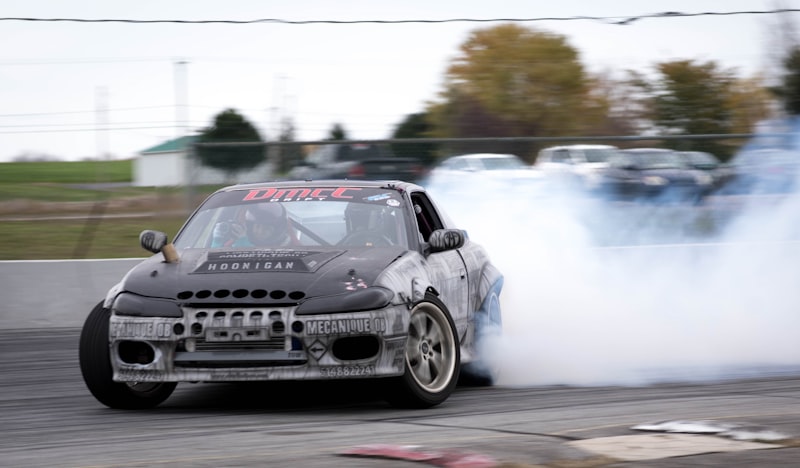
A true race car build depends on transferring power to the track. Therefore, the right suspension and tire setup are central items in any drag car competition build checklist.
Front suspension in competition builds often switches to lightweight strut assemblies. Strange, Afco, and Menscer provide complete kits for drag applications. These assemblies reduce weight up front and allow for fine adjustment. They also help manage weight transfer, giving you better 60-foot times.
Rear suspension varies by class. Four-link setups remain king in Pro and Sportsman builds, letting you adjust instant center and anti-squat. Ladder bars are simpler but limit adjustability at higher power levels. Install adjustable coilovers and double-check preload. Back-halved and tubed cars benefit from extra bracing to keep geometry stable under load.
Slicks are the standard tire for full competition cars. Choose a tire size and compound based on class rules, horsepower, and rear gear ratio. Brands like Hoosier and Mickey Thompson dominate the lanes in 2026. Pair with true drag wheels to save weight and optimize contact patch. For example, Weld Racing or Billet Specialties offer popular beadlock wheel options.
Check wheel alignment and tire pressure before every run. Wheelie bars may be required to keep the car stable off the line.
In addition, focus on adjustable shock settings. Modern drag shocks come with rebound, compression, and even high-speed adjusters. Teams use data from launch sensors to refine these settings run by run. As a result, the car leaves the starting line straight and fast every time. Saiba mais sobre What Makes a Drag.
These upgrades work together to maximize traction, control, and tuning flexibility—key factors for any competitive drag racer.
Electronics, Data Acquisition, and Final Assembly

The last phase of the drag car competition build checklist covers electronics, data systems, and assembly process. In 2026, electronics play a bigger role than ever. Therefore, teams gain an advantage with precise control and real-time diagnostics.
Wire the car using a dedicated race harness. Use labeled, heat-resistant wires and secure all leads. A clean, reliable harness reduces the risk of electrical problems under stress.
For engine management, almost all top-level cars rely on programmable standalone ECUs like FuelTech FT600 or Holley Dominator. These systems control not only fuel and spark, but also boost control, nitrous, and launch strategy. Use a digital dash for live monitoring, and back up data to a laptop after each pass.
Add sensors for oil pressure, water temp, driveshaft speed, wheel speed, EGT (exhaust gas temperature), and wideband O2. This data helps you plan changes for each track and can prevent costly engine damage.
A delay box is legal in many electronics classes and helps with consistent reaction times. However, always check your class rules before adding one.
Secondary systems include electric water pumps, fans, and data loggers for chassis events. For example, Racepak still leads in chassis monitoring, letting you spot shock or G-force anomalies easily.
Once systems are installed and tested, conduct a careful assembly and bolt check. Double-check every torque value and safety clip. Complete your fire system plumbing and test it before heading to the track.
Do your first track shakedown under mild power. Review all data logs for unusual readings. As a result, you catch minor issues before making full-power runs.
Building a competitive drag car is a process where details matter. Therefore, each stage should end with a checklist review against current class and safety rules. This reduces the chance you will miss a key step.
Planning, Budgeting, and Team Preparation for Successful Competition
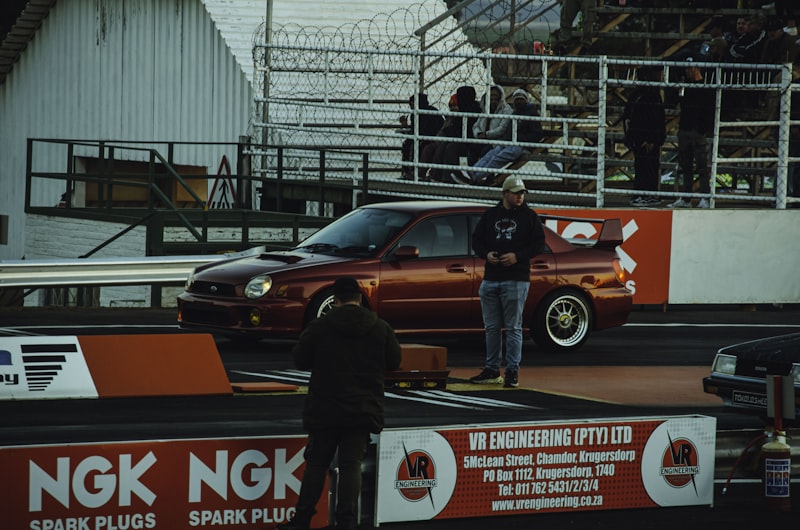
A comprehensive drag car competition build checklist is not only about parts and assembly. In fact, planning and team prep have a huge effect on your results once you reach the track.
Start by researching the competition class you plan to enter. Rules may limit certain engine components, tire sizes, or weight breaks. For example, small-tire classes may limit rear tire width and outlaw lightweight body panels. Get this right early to avoid wasting money or facing disqualification.
Set a realistic budget. In the 2026 season, full-level competition builds for Pro-level drag racing can reach $150,000 and up for ready-to-run cars. Costs include chassis, cage, motor, electronics, tires, spares, and travel. Track fees, licensing, and fuel should also be part of your total plan. Amateur and Sportsman builds are more affordable, with strong rollers starting at $25,000, but they still require careful budget tracking.
Team prep makes a difference on race day. Assign crew roles ahead of time, such as driver spotter, tire checker, or data manager. Each member should know the car’s systems and be ready to solve problems quickly.
Practice loading and unloading the car, and keep backup spare parts and tools for common failures. In addition, prepare a maintenance schedule to handle checks after each pass.
Paperwork is the final part. Make sure your car is registered for all class-required tech inspections. Renew your licenses and driver’s gear, such as SFI or FIA fire suits and helmets. Race organizers in 2026 are more strict than ever, and having updated certifications avoids delays at the track.
In summary, building a competitive drag car means combining planning, budgeting, technical setup, and team training. This approach puts you in the best spot to perform at your peak on race day.
Conclusion
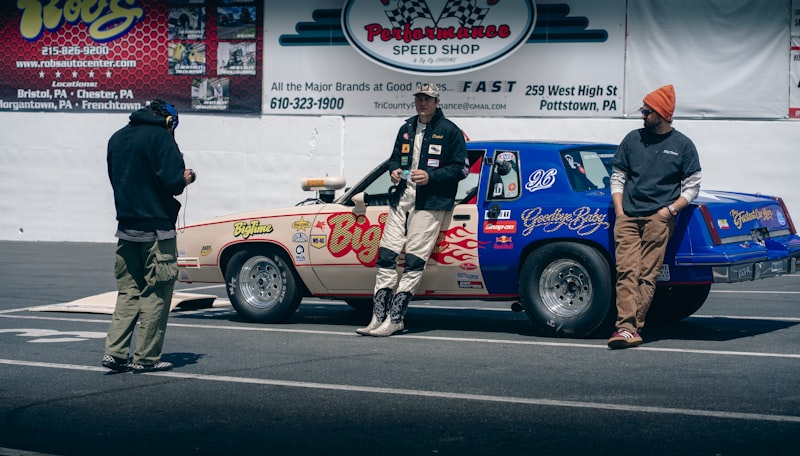
The drag car competition build checklist for 2026 blends technical know-how, attention to detail, and smart planning. By following a stepwise process—from building the chassis to installing electronics—you set up your car for reliability, performance, and safety.
Always compare your car to current class and safety rules. Use data to improve every area, from launch to wiring and setup. Surround yourself with a trained, dedicated team. In fact, this makes race day smoother and helps resolve any issue quickly.
Want to learn more? Explore class-specific guides and join discussion forums like Yellow Bullet for updated tips and real-world results. Building your dream competition drag car is a big project, but with the right approach, you can achieve top results at any level.
Leave a Reply