

Understanding the pros and cons of upgrading engine internals is crucial for drag racing enthusiasts. Before investing in engine modifications, you should weigh the benefits and drawbacks. This practice can help you get the best performance while avoiding costly mistakes.
Modern turbo engines allow impressive power upgrades. However, not all upgrades make sense for every driver. You must consider cost, reliability, and your racing goals. In this article, we’ll explore why racers choose to modify their engine internals and what you should expect in 2026.
Pros and Cons of Upgrading Engine Internals in Drag Racing Builds
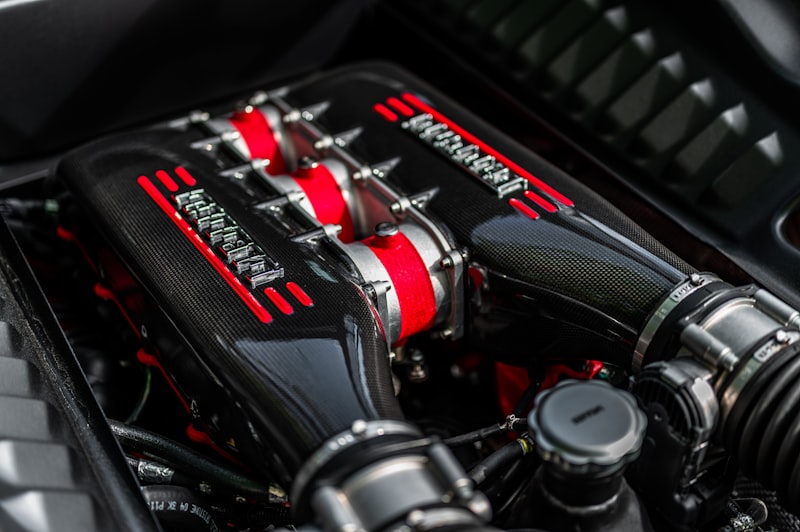
When you upgrade engine internals, you replace stock parts inside the motor with stronger aftermarket components. The main goal is to handle more power, especially when adding turbo kits or raising boost. However, every choice comes with a trade-off.
Benefits: Durability, Power, and Reliability
First, let’s cover the advantages. Aftermarket pistons, rods, bearings, and crankshafts use high-strength materials. For example, forged steel or billet items are far stronger than stock cast parts. As a result, engines with upgraded internals can tolerate higher boost and more horsepower. This is vital in competitive drag racing where failure at high RPM can ruin your day and your wallet.
Consider a common turbocharged four-cylinder engine. Stock pistons may handle 300-350hp, but racers aiming for 500hp will see frequent failures without upgrades. Forged pistons and rods solve this problem. Many shops have dyno data showing upgraded internals can safely double power. Real Street Performance reports that with proper tuning, a motor with forged rods and pistons often supports 600hp or more.
Another key advantage is reliability at high RPM, common in quarter-mile passes. Stock rods and pistons tend to “stretch” or even break above 7,000 RPM. Upgraded hardware resists this stress. In fact, many drag racers see more consistent performance over an entire racing season by upgrading engine internals early.
Drawbacks: Cost, Complexity, and Longevity
However, not everything is positive. Upgrading engine internals often comes at a high price. A quality forged piston and rod kit for a popular Japanese four-cylinder engine may cost $1,000-$1,500 by itself. This does not include machine work, labor, or supporting upgrades. Therefore, the total bill for a “built bottom end” can reach $5,000 or more.
In addition, this approach requires engine disassembly. If you do not have experience, you will need a trusted builder. Mistakes during assembly can cause bigger problems than you started with. Inexperienced builds can lead to oil leaks, blown head gaskets, or premature wear. For example, improper torque on rod bolts or skipped crankshaft balancing can ruin a new setup quickly. Because of this, many first-timers underestimate the true labor cost and timeline for such upgrades.
Even with the best parts, some upgraded engines may lose drivability for daily use. Tighter clearances and stronger rings often mean noisy cold starts or more vibration. Some forged pistons expand more when hot, causing “piston slap” noise at startup. Finally, insurance companies may not cover modified engines, so damage may not be protected.
Choosing Which Engine Internals to Upgrade: Pistons, Rods, Crankshafts, and More
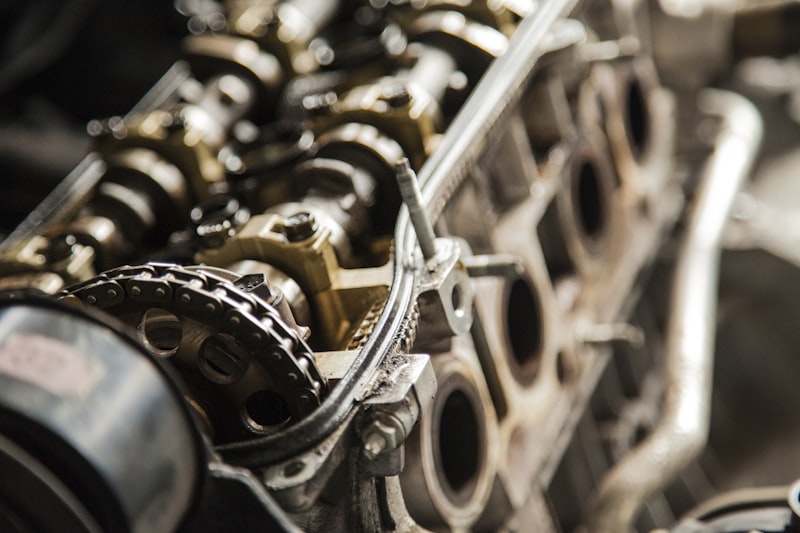
When planning which engine internals to upgrade, you must decide which parts to change first. Not all engines need a full overhaul for moderate power gains. On the other hand, skipping critical parts can sabotage your goals.
Pistons and Connecting Rods
The foundation of any bottom end upgrade is the pistons and rods. These parts take extreme pressure during the combustion cycle. Forged pistons are popular thanks to their ability to resist detonation and survive high boost levels. Top-tier products from brands like Wiseco and JE Pistons are tested above 1,000hp in drag cars.
Similarly, forged connecting rods replace the weaker stock rods. For example, on turbocharged Honda and Toyota engines, stock rods fail around 350-400hp, while forged rods can handle over 600hp.
Crankshafts, Bearings, and Main Studs
In very high-power applications, the crankshaft becomes a limitation. Billet or forged crankshafts increase strength and torsional resistance. Some racers upgrade bearings to race-spec tri-metal designs for better oil flow. Stronger main and head studs, such as ARP fasteners, are used to prevent the cylinder head or the main caps from lifting under boost.
For many street-to-strip builds, upgrading pistons and rods is enough up to 500-600hp. However, for consistent launches at the drag strip and long-term reliability, crank and bearing upgrades start to make sense.
Supporting Mods: Balancing and Oiling
It is important to balance all new components together. Balanced rotating assemblies reduce engine vibration and increase part lifespan. Many engine builders also upgrade oil pumps or switch to dry sump systems to avoid oil starvation during hard launches.
As a result, a well-planned internal upgrade often includes not only hardware but also careful blueprinting and mechanical balancing. This extra step pays off in engine smoothness and reliability, especially at high RPM.
Impact on Engine Management, Tuning, and Boost Control
Upgrading your engine internals does not mean you can ignore engine management or tuning. In fact, this practice makes the role of the ECU, fueling, and ignition system even more important. For drag racing engines, careful tuning determines if upgrades actually translate to real-world gains.
Tuning for Upgraded Internals
Forged internals change the way engines respond to heat, pressure, and fuel quality. Because of this, your tuner must adjust ignition timing, fuel delivery, and target boost. Modern standalone ECUs, such as the Haltech Elite or AEM Infinity, offer advanced boost control and safety features. These allow tuners to push the limits while monitoring knock, oil pressure, and air-fuel ratios in real time.
Additionally, racers who increase compression or run more boost must use high-octane race fuels or E85. These fuels help prevent detonation, which even forged pistons can only handle for short bursts. According to EngineLabs, careful fuel selection and tuning is just as vital as selecting the right engine parts.
Boost, Fuel, and Ignition Upgrades
With stronger internals, you can safely add larger turbochargers and higher boost levels. However, each power increase requires equal attention to fuel injectors, pumps, and ignition coils. Weakness in the fuel or ignition system can still cause engine failure, even if your internals are “bulletproof”. Many racers use wideband O2 sensors and data log their runs to ensure safe parameters at all times.
Finally, more power usually creates more heat. Therefore, advanced cooling solutions, such as larger radiators or water/methanol injection, are often added to keep temperatures in check.
Cost-Benefit Analysis: Is Upgrading Engine Internals Worth It?
Even after knowing the mechanical benefits, many racers want to know if upgrading engine internals is really worth it. The answer depends on your goals and your budget.
When Upgrades Make Sense
If you plan on doubling or tripling factory horsepower, there is no way around it: upgraded internals are a must. Drag racing imposes stresses that stock engines cannot tolerate for long. Success at the strip often requires running at high RPM, with each pass pushing engine parts to their limit.
Owners who want maximum reliability, especially when using large turbo kits or nitrous oxide, value the peace of mind that comes with a forged bottom end. In fact, many top-tier drag cars would not survive a full racing season without these upgrades.
When Upgrades Are Overkill
On the other hand, not every build needs forged parts. For moderate street use or light track days, careful tuning alone may keep a stock engine within its safe zone. Today’s engines are already well-designed, so pushing an unmodified powertrain 10-20% over stock limits may not require this level of investment.
In addition, budget is a real obstacle. If the upgrade cost is higher than the value of the car, think carefully. Your funds may be better spent on better tires, suspension, or more advanced tuning tools.
Real-World Examples
A 2026 turbocharged Toyota GR86, for instance, can make 350-400hp safely with stock internals and the right ECU tune. Only when pushing beyond this threshold do most owners step up to full forged bottom ends. Meanwhile, a Mitsubishi Evo X making 700hp absolutely requires upgraded rods, pistons, bearings, and head studs.
In summary, always match your upgrades to your use case and power goals. Sometimes, restraint and smart tuning achieve better results than expensive parts swaps.
Conclusion
Upgrading engine internals can be a game-changer for drag racing builds, but it’s not always a simple decision. The pros include huge gains in power, reliability, and safety—especially in high-boost or high-RPM engines. However, these benefits come with increased complexity, higher costs, and sometimes reduced street comfort.
Think about your goals, budget, and how far you plan to push your car. If your build will see serious drag use or well above factory power, engine internal upgrades are probably essential. For milder projects, careful tuning and supporting mods may be enough.
For more technical tips and real-world advice on turbo kits, fueling, and reliable drag racing setups, check out our other guides at ecredexa.com. Always do your research, work with experienced shops, and build for your true goals—not just for show.
Leave a Reply