

Anyone planning to improve car performance has likely asked what to consider before engine remapping. This process offers a tempting boost in power, but several crucial factors affect both reliability and results.
Understanding the costs, risks, and technical needs is essential before making this change. Engine remapping, especially for drag racing or turbo builds, can enhance performance. However, if done wrong, it can also shorten engine life.
This article explains what you need to check before remapping your engine in 2026. It focuses on turbocharged setups, fueling, ignition, and reliability—key areas for ecredexa.com readers.
What to Consider Before Engine Remapping: Turbo Power and Engine Health
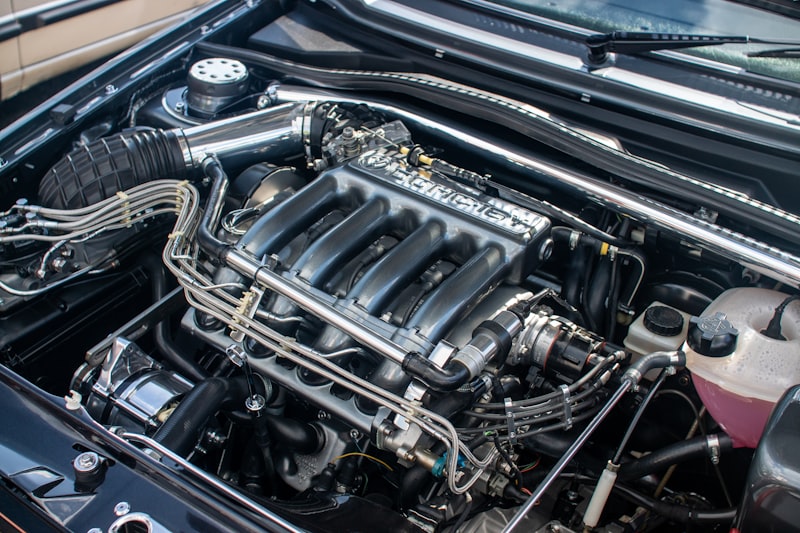
When asking what to consider before engine remapping, the first step is to look at your car’s current setup. Not all engines, especially stock internals, are ready for extra power. For drag racing or turbo applications, knowing your engine’s health is critical.
First, check compression and leak down numbers. Healthy numbers show your engine can handle extra boost and timing. In addition, old or weak internals may cause engine failure after remapping. For example, factory pistons in many turbo engines can survive moderate increases. However, a remap targeting more than 30% extra power can cause broken rings or burnt valves unless you upgrade internals.
It’s also important to look at oil pressure and cooling. In fact, a common cause of engine failure after remapping is poor cooling or low oil pressure under high load. For turbo setups, high exhaust temperatures and extra boost stress the whole system. Because of this, fit an upgraded radiator, high-flow oil pump, or even piston oil squirters before moving to high-power maps.
Finally, think about fuel quality. High-power tunes often need at least 98 RON or 93 AKI gasoline. In the U.S., E85 has become popular in turbo drag cars because of its high octane and cooling RPM abilities. Using low-octane fuel on an aggressive tune risks detonation and melted pistons. Always check fuel pump and injector health, as more power requires more fuel. Some cases call for swapping to larger injectors or dual-pump setups.
Tuning for Turbo and Boost Control
Turbocharged engines respond well to remapping, but safe power gains require correct boost control. Adding boost without fuel or timing changes can destroy engines. Use proper wastegate setup, and consider a boost controller for predictable gains.
Also, check intercooler performance. Higher boost raises intake temperatures. Therefore, an undersized intercooler can cause knock and lost power. Look at data from your car’s sensors. Tools like a wideband O2 gauge and electronic boost controller provide real-time data, which help you or your tuner dial in a safe remap.
Fueling, Ignition, and Supporting Modifications
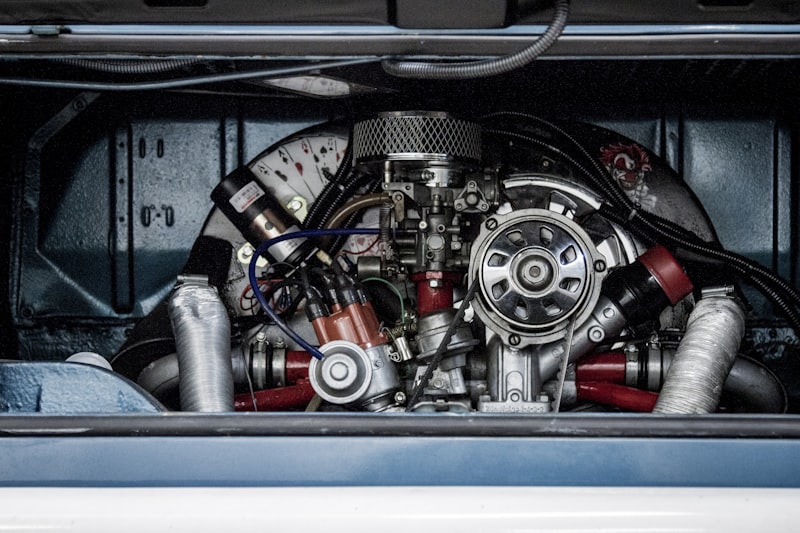
Engine remapping for more power places extra stress on your fueling and ignition systems. Many people overlook these, but they greatly affect reliability. If your fuel system cannot keep up, you risk running lean, which melts pistons and damages valves.
For example, a typical factory fuel pump and injectors may support only 20% more power before reaching their limit. In fact, Engineering Explained recommends upgrading both when boost or power goals exceed the factory rating by even a small margin. For high-power turbo builds, use larger injectors (like 1000cc/min or above) and consider a return-style fuel system for consistent pressure.
Similarly, ignition systems may need upgrades. Higher boost and more fuel increase cylinder pressure. This can cause spark blowout or misfire with stock coils and plugs. Using one-step-colder iridium spark plugs and higher-output coils can help ensure a strong, reliable spark.
In addition, many tuners opt for standalone engine management systems or at least an aftermarket piggyback ECU. These allow custom fuel, ignition, and boost maps tailored for your engine, climate, and fuel type. This approach, while more complex, delivers more power and reliability than basic reflash tuning.
Finally, do not forget exhaust flow. Turbo engines with restrictive exhausts can suffer from high backpressure. This increases temperatures and knock risk, reducing power gains from remapping. Upgrade to a high-flow downpipe and exhaust for best results.
Risks, Warranty, and Legal Considerations
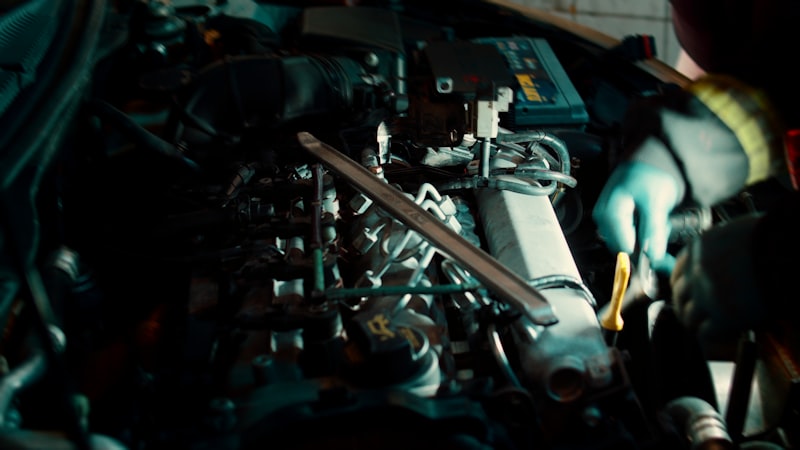
Engine remapping is not without risks. Therefore, before choosing this route, think about warranty, emissions, and possible legal consequences.
First, almost all factory warranties become void if you remap your ECU. Dealers use scan tools that reveal if the engine programming has changed. If your car is under warranty, consider whether the power gain is worth the risk of future repair costs. Some tuners offer warranty-friendly or “reversible” remaps. However, even these may not hide the change if the ECU is investigated.
Second, emissions laws are stricter in many U.S. states in 2026. For example, California’s smog regulations now include checks for tampered or non-compliant ECUs. Engine remapping that disables emissions systems (EGR, catalytic converter, or O2 sensors) can result in large fines and your car failing inspection. Always ensure your remap keeps emissions equipment working if you need to pass annual tests.
Next, consider resale value. Cars with obvious engine remaps may sell for less, as new buyers worry about reliability and legality. Some insurance providers also increase rates or deny claims if the car has significant performance modifications.
Finally, recognize that tuning or remapping is a specialist job. A bad remap can cause engine “knock,” overheating, or instant failure. Always choose a reputable tuner with experience in your engine type. Ask for customer testimonials, dyno graphs, and service records.
Tuning Process, Dyno Testing, and Maintenance After Remapping
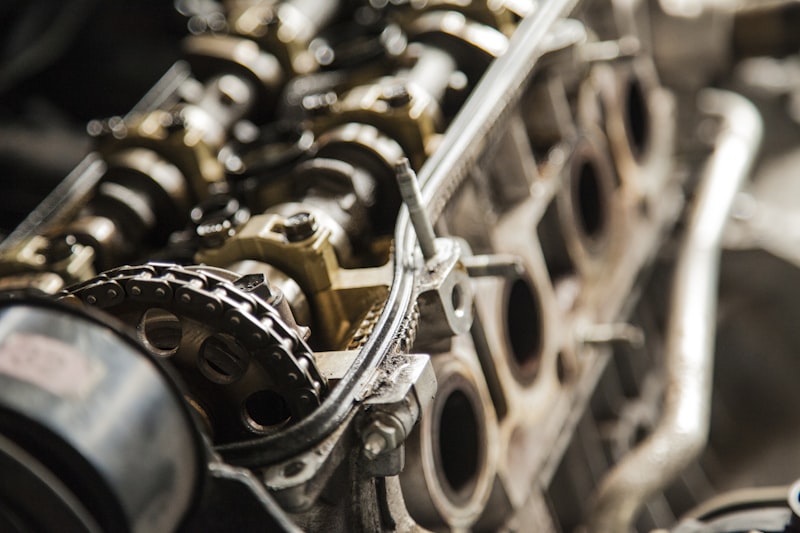
The tuning process for drag racing and turbo builds involves more than just reprogramming the ECU. Careful calibration and regular maintenance are the keys to safe, long-lasting power.
First, a good remap starts with data collection. Tuners need baseline data—air/fuel ratios, boost, and timing—before making changes. Many shops use a chassis dyno to measure horsepower and torque gains throughout the tuning process. In fact, dyno testing is essential to verify that changes are safe and gains are real. Without accurate measurement, it is easy to run too lean or too much timing, which is a quick way to damage a motor.
Second, the tuning process is iterative. Tuners add a small amount of fuel or timing, check logs, then repeat. This approach avoids dangerous spikes in heat or detonation. Because of this, quality tuners may spend hours fine-tuning boost targets and ignition maps across a wide RPM range.
Next, after remapping, ongoing maintenance becomes more important. High-power tunes place greater stress on engine parts, turbochargers, and drivetrain. Oil changes should use high-zinc synthetic oils, at intervals shorter than factory recommendations. Inspect spark plugs and coils every few thousand miles, as higher cylinder pressure can cause fouling.
In addition, monitor engine sensors and datalog regularly. Small changes—such as knock or wideband readings moving—may indicate a fueling or ignition issue. Many modern ECUs allow remote data monitoring, which can help spot problems before they cause damage.
Finally, plan for possible failures. High-power turbo drag cars are often “built to break.” Therefore, keep spare parts like coils, plugs, and sensors on hand. For those pushing well beyond stock specs, having forged pistons, stronger rods, and upgraded head gaskets is a wise investment.
Building for Reliability: Best Practices and Expert Tips
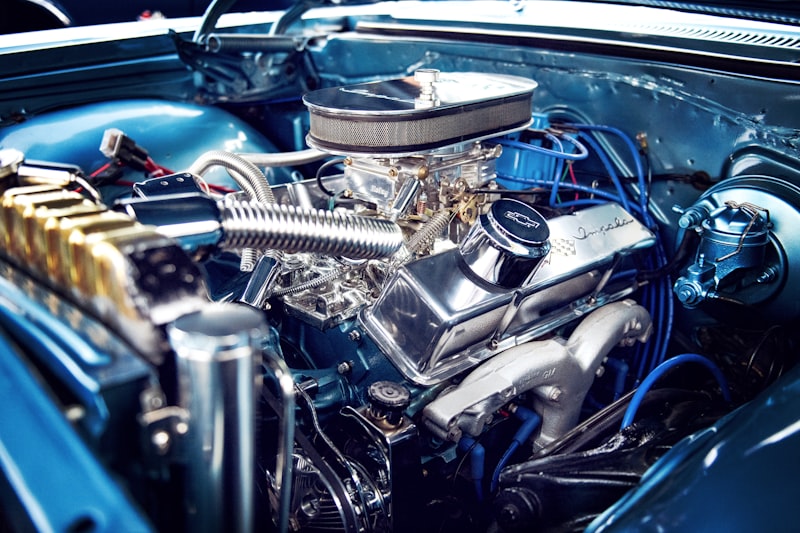
Achieving reliable power from engine remapping, especially in the context of drag racing or turbocharged setups, is possible. However, it requires planning and investment in the right areas.
First, set clear goals before starting. A street car for weekend races might be safe at 20-30% over stock power. On the other hand, dedicated drag builds often chase double the factory output, demanding forged internals and full aftermarket fueling.
Second, always upgrade the weakest link first. A turbo kit without fuel or ignition upgrades is risky. In fact, most experienced tuners recommend addressing fuel system upgrades before increasing boost. When in doubt, add safety features like knock sensors, wideband O2 sensors, and EGT gauges. These tools allow you to spot issues before they become expensive repairs.
In addition, do not underestimate heat management. Extra power means extra heat, especially under long or repeated full-throttle runs. For example, upgrading to a larger front-mount intercooler and using ceramic-coated exhaust components helps reduce intake charge and underhood temperatures.
Third, consult professional builders and tuners. The field is complex and often car-specific. Online forums and technical sources like Grassroots Motorsports provide case studies and real-world examples.
Finally, be realistic about cost. Engine remapping may start at a few hundred dollars for a basic ECU reflash, but turbo drag or high-power applications often see full builds costing $5,000 to $20,000. Reliability needs investment in fueling, cooling, ignition, and internals.
Conclusion
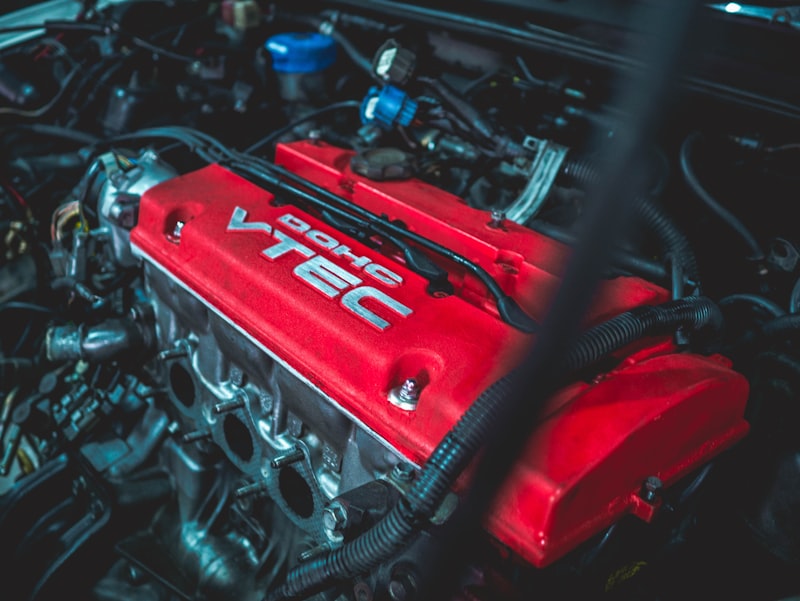
The question of what to consider before engine remapping is essential in 2026, especially for turbocharged and drag racing setups. Start by checking engine health and knowing your goals. Upgrade fueling, ignition, and cooling before pushing for high power. Work with trusted tuners and prepare for ongoing maintenance.
In summary, safe power gains from engine remapping depend on planning, quality support parts, and realistic expectations. For more drag racing tips, engine builds, and reliability advice, stick with the guides at ecredexa.com. Always do your research, invest wisely, and enjoy the power—without sacrificing reliability.
Leave a Reply