

Pro class racing remains one of the most competitive and exciting forms of motorsport in 2026. Fans and racers alike are drawn to the speed, precision, and strict regulations that define professional drag racing classes.
For those new to the scene, understanding how pro categories work—and how the pro ladder structures competition—is key. In this article, we explore the main drag racing classes, the rules that keep racing fair, and how a racer climbs from entry-level to the pro ranks.
Whether you race or watch, knowing the framework of pro class racing helps you appreciate every split-second battle on the strip. Let’s break down how this intense motorsport is organized and what makes the pro classes special.
Understanding Pro Class Racing: Structure and Categories
Pro class racing refers to a set of structured, highly regulated drag racing classes. These include categories sanctioned by organizations such as the NHRA (National Hot Rod Association) and the FIA (Fédération Internationale de l’Automobile). Unlike sportsman or amateur brackets, pro classes feature purpose-built race cars, professional drivers, and strict technical regulations. Veja tambem: Different Racing Classes: Understanding Pro Drag Racing Categories.
The most popular pro categories in 2026 include:. Veja tambem: Rules Safety Drawing: Essential Guidelines for Drag Racing.
- Top Fuel Dragster: These are the fastest accelerating vehicles, reaching over 330 mph in less than four seconds. Top Fuel dragsters use nitromethane fuel and specialized engines.
- Funny Car: With a shorter wheelbase and a carbon-fiber body, Funny Cars achieve similar speeds as Top Fuel dragsters. The rules focus on safety, engine displacement, and body design.
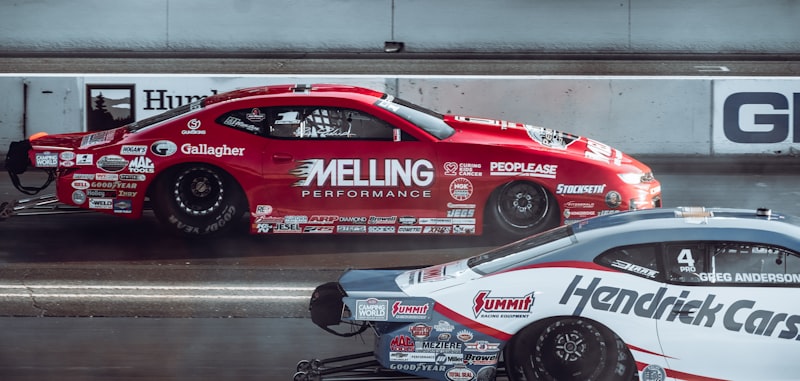
- Pro Stock: These cars resemble production vehicles but have sophisticated modifications. Pro Stock classes are famous for brand rivalry and technical expertise, as engines must meet specific cubic inch and weight restrictions.
- Pro Modified (Pro Mod): Pro Mods combine exotic body styles and engine options, including turbocharged, supercharged, or nitrous-powered engines. Races in this class are close and unpredictable.
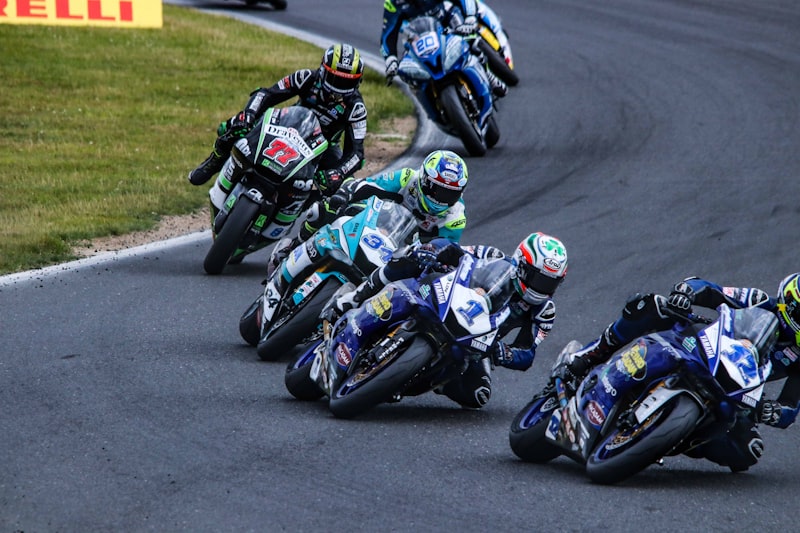
- Pro Stock Motorcycle: This class features stretched motorcycles built for speed. They battle down the quarter-mile with strict limits on engine type, displacement, and weight.
- Top Fuel and Funny Car: Only nitromethane fuel is allowed. Engines have a maximum displacement (usually 500 cubic inches). Extensive roll-cage protection, fire suppression, and mandatory parachutes keep drivers safe at high speeds.
- Pro Stock: These cars use naturally aspirated engines, limited in cubic inches and required to weigh a set minimum. Transmission types, tires, and even aerodynamics are regulated. Therefore, races tend to be close, with victory going to the most precise tuner and driver.
- Pro Modified: Rules allow several engine combinations but add weight penalties for certain tech (for example, turbo engines might have to carry extra weight versus nitrous cars). As a result, the class features diverse builds.
- Pro Stock Motorcycle: Bikes are limited by displacement and weight but can use different engine brands. All must use specific safety gear and meet strict technical inspections.
- Starting Out: Many racers begin in classes like Super Comp, Junior Dragster, or Street Legal events. These entry-level races build skills in reaction time, car control, and consistency.
- Progressing Up: Success in early classes earns a racer a reputation. In addition, they must get competition licenses for higher speeds and prove they can handle the stress of pro class performance.
- Joining a Pro Team: Most racers join established teams to compete in Top Fuel, Funny Car, or Pro Stock. Sponsorship is essential—pro class racing budgets range from hundreds of thousands to several million dollars per season.
- Qualifying for National Events: Drivers must qualify based on elapsed times and safety compliance. NHRA national events, for example, accept only the fastest qualifiers. Points earned here count toward pro class championships.
- Climbing to the Top: Consistent high finishes raise a racer’s profile. Therefore, a driver may be recruited to better-funded teams. Top stars often have backgrounds in several classes.
- Championship Points System: At NHRA events, drivers earn points for qualifying position, round wins, and setting records. The highest points total at season’s end wins the championship. This system rewards consistency, not just occasional victories.
- Elimination Ladders: Most pro events use a 16-car ladder format. Racers face off in head-to-head matches. Winners advance, and losers are eliminated. As a result, the pressure mounts with every round.
- Event Structure: A typical pro event has qualifying sessions, followed by eliminations on race day. In addition, bonus points may be awarded for fastest times or best reaction at the starting line.
- Playoff Systems: For series with playoff formats (like the NHRA’s “Countdown to the Championship”), only the top drivers make the post-season. Therefore, the regular season becomes even more important.
Because of strict, published rules, each category has a unique style and appeal. The NHRA lists regulations for each class to ensure parity and safety. Veja tambem: Classes of Racing: Guide to Pro Drag Racing Categories.
In summary, these pro classes create the highest level of drag racing. Entry requirements are steep, and only the best teams and drivers compete for championship points. Veja tambem: Stock Car Racing Classes: A Guide to Pro Racing Categories in 2026.
The Evolution of Pro Classes
Over the years, pro class racing has evolved. For example, technical changes improve safety and tighten performance gaps. In 2026, electric Pro Stock concepts have begun appearing at select events. However, traditional nitro and gasoline classes still dominate national tours.
Aspiring racers must choose their target class early, as each requires different skills and budgets. Once committed, teams spend seasons fine-tuning cars to approach the limits allowed by rules.
Key Regulations and How They Define Each Pro Category
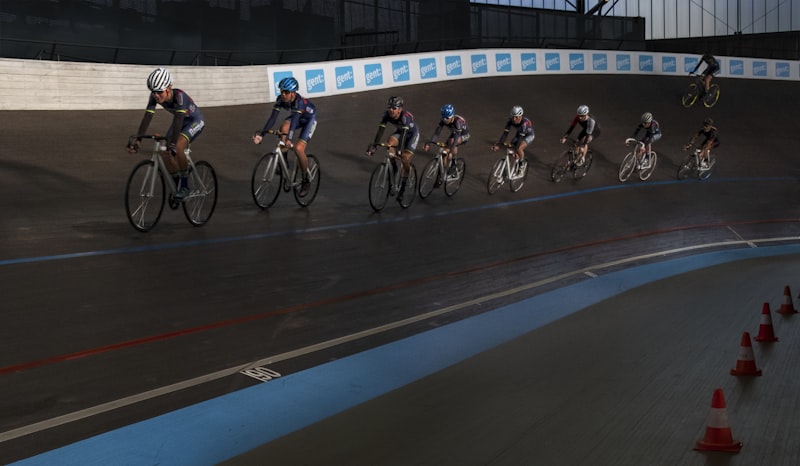
Every pro class has a detailed rulebook governing car construction, engine size, fuel type, safety equipment, and even body dimensions. Because of this, competition stays fair, and innovation stays within tight boundaries.
Each sanctioning body keeps rulebooks updated every season. In addition, changes may address new safety tech, fuel changes, or shifting performance limits. FIA’s Drag Racing Commission sets rules for international events.
Because of this regulatory framework, teams constantly innovate within narrow boundaries. Nevertheless, creative engineering sometimes pushes classes to update or clarify rules.
Impact of Regulations on Racing
Strict rules mean winning is about more than having the most money. Talent, strategy, and preparation are everything. For example, in Pro Stock, two cars may run within hundredths of a second. Therefore, the smallest tuning advantage can decide a championship.
In summary, regulations ensure that when you watch pro class racing, you’re seeing the result of thousands of hours of testing and preparation, not just sheer horsepower.
The Professional Racing Ladder: How Drivers Climb the Ranks
Climbing the pro class drag racing ladder takes years of work. Most racers start in sportsman classes or junior programs. Only after success at lower levels—and meeting competitive licensing and funding requirements—do racers move into professional categories.
In fact, the pro ladder is both merit-based and financial. Skill gets racers noticed, but it takes resources and a strong crew to compete with top-level teams.
Rookie to Champion: A Real Example
For example, Erica Enders, a multi-time NHRA Pro Stock champion, started racing Juniors before turning pro in her twenties. By mastering every class she entered and building sponsor relationships, she eventually claimed the top step of the podium. Her story shows how persistence and talent pay off in pro class racing.
In summary, moving up the ladder requires success at every level, with no shortcuts. But for those who make it, the rewards are enormous—national attention, big purses, and legendary status among race fans.
Professional Championship Formats and How the Pro Ladder Works
Pro class racing does not just reward individual race wins. Points systems tally season-long results to crown champions. Therefore, understanding how championships work is key for anyone aiming for the top or following a pro race series.
Additionally, team championships exist. Crew chiefs, mechanics, and sponsors also compete for awards, recognizing that pro class racing is a true team effort.
Sanctioning bodies publish current standings after each event, letting fans track their favorite drivers’ progress all year.
Conclusion
Pro class racing in 2026 stands as the pinnacle of drag racing. Strict classes, detailed rules, and a well-defined pro ladder create intense competition. Because of these factors, only the best-prepared teams and drivers rise to the top.
Each category—from Top Fuel to Pro Stock Motorcycle—offers unique challenges and excitement. Regulations keep the playing field fair, while the pro ladder gives everyone a chance, if they have the skill and determination.
If you want to start your journey in classes & pro racing or just learn more, explore official rulebooks and regional events. In fact, understanding the structure and pathway of pro class racing will deepen your respect for this incredible motorsport.
For more on pro class racing classes, rules, and pathways, visit the NHRA’s competition pages or the FIA’s drag racing section.
Leave a Reply