

These top tips for first-time attendees at international sports events can help you enjoy major drag racing championships with confidence. If you have never been to a global motorsport event, there are some key things to know. Attending a big race abroad feels exciting but can also be overwhelming if you are not prepared.
In 2026, international drag racing events have reached new levels of popularity. From iconic tracks in Europe to massive championships in the US and Asia, more fans are traveling worldwide to be part of the action. Therefore, knowing what to expect is crucial for a smooth experience. In this guide, we focus on making your first visit to an international drag race easier and safer.
Whether you are heading to the NHRA U.S. Nationals, the FIA European Finals, or a unique local drag strip abroad, these expert tips will make your trip more enjoyable. We will cover planning, logistics, safety, and more, all with real-world advice for drag racing fans.
Essential Planning: Preparing for Drag Racing Events Abroad
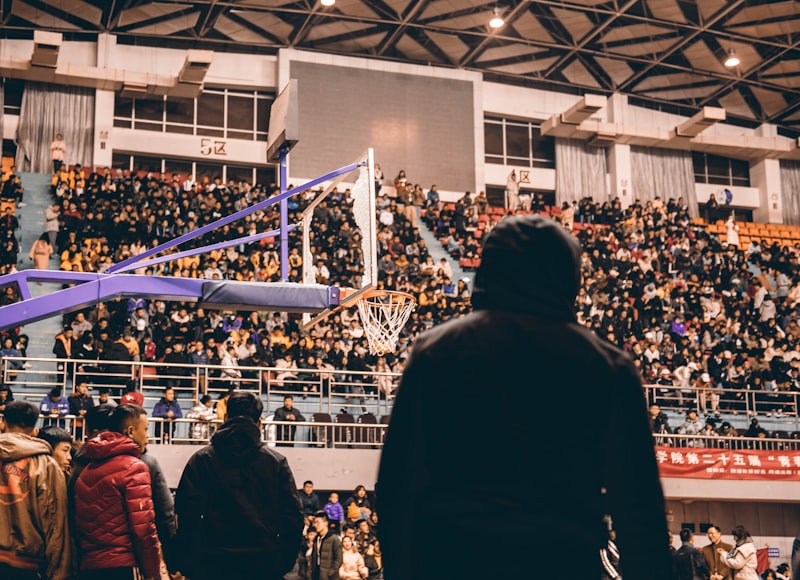
First, good planning is the foundation for a memorable trip. Important research before you leave can help you avoid unexpected issues at international sports events. Many first-time fans feel lost in the rush leading up to race day. However, careful preparation can prevent stress.
Start by learning about the specific event. For example, research when and where the drag race will happen. Major international races—like the NHRA Gatornationals or the European Drag Racing Championship—often take place at famous tracks. Each facility has its own entry rules, seating arrangements, and schedules. For detailed event calendars, check official websites like NHRA or FIA.
Next, book your tickets and accommodations early. Top events may sell out months in advance. Popular races, such as the Goodwood Festival of Speed, attract large crowds and fill up local hotels fast. In other words, waiting can leave you with few options and higher prices.
You should also look into local travel requirements. For visits to certain countries, a visa may be required. Check passport expiration dates well ahead of time. Some countries, like the United Kingdom or Australia, have extra steps at customs for sporting visitors.
In addition, think about your daily schedule. Major international events usually last several days. Decide if you want to attend every session or just the finals. Many veterans suggest arriving before race day to explore the track and avoid last-minute confusion.
Finally, make a list of essentials to bring. Pack weather-appropriate clothes, ear protection (drag racing is famously loud), and any medication you may need. In fact, many tracks forbid large bags or outside food, so check their official policies in advance.
Getting Tickets and Accommodations
Another big part of planning is buying the right tickets. Many drag strips offer general admission, reserved seating, or VIP packages. Choose your ticket type based on your budget and how close you want to be to the start line. VIP options sometimes include pit access, which is a unique experience for serious fans.
For accommodations, book as soon as your event ticket is confirmed. Drag racing events can double local hotel prices within days. Short-term rentals or guesthouses are often cheaper but require advance booking. Some tracks even allow camping, which adds to the experience but needs preparation and gear.
Getting Around and Navigating International Drag Racing Venues
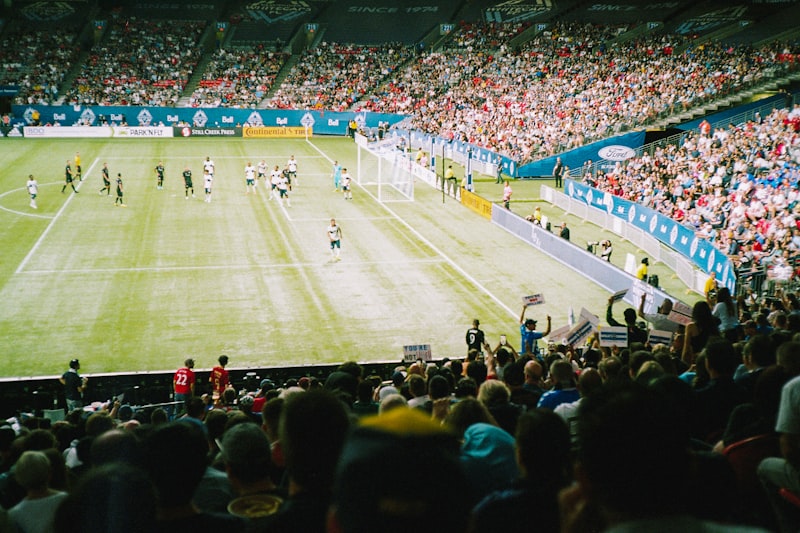
After planning your trip, you need to consider how you will get around. Many international drag racing venues are on the outskirts of major cities or in rural areas. Because of this, transportation can become one of the main challenges for first-time event visitors.
First, research the location of your drag strip and any transport options. For instance, Santa Pod Raceway in the UK is about 90 miles from London. Getting there by train and taxi is possible, but driving is much easier. On the other hand, the Bahrain International Circuit is best reached by pre-booked shuttle or car since public transport is limited in that region.
As a first-time attendee, never assume you can just show up and park without a plan. Many tracks charge for parking or have limited spots. Some major events, such as the FIA European Finals, offer park-and-ride services. These help move large crowds efficiently but may require advance booking. Therefore, check all transport and parking details on the event website before your trip.
In addition, study the venue layout in advance. Most tracks share maps online, showing entrances, grandstands, pit areas, and food courts. Familiarize yourself with these maps. This can save you from wandering around or missing key races because you could not find your seat or restroom in time.
If you do not speak the local language, consider learning a few key transportation and venue terms. Signs at international tracks may not always have translations. Simple phrases like “parking,” “entrance,” and “restrooms” can be especially useful.
Finally, stay alert for event updates. Weather delays, traffic, or schedule changes are common at race events. Sign up for official text alerts or check social media channels on race day. First-time racegoers sometimes miss important changes because they are not following official updates.
Maximizing the Fan Experience at International Drag Racing Events
Attending international sports events like drag racing should be fun and memorable. For this reason, go beyond the racing itself and explore the wider fan experience. International drag races often offer unique local culture, foods, and activities that make your trip more valuable.
First, arrive early to avoid crowds and explore the venue at your own pace. Early arrivals can visit the pits before they get busy, see cars up close, or chat with friendly staff. For example, pit walks at the NHRA U.S. Nationals often open hours before the main events.
Do not forget to wear comfortable clothes and shoes. Many venues have large grounds, and you could cover several miles in a day. Layers are best, as weather at outdoor tracks can change quickly. In hot locations, bring sunscreen, a hat, and a reusable water bottle. Some venues offer refill stations, helping you stay hydrated without expensive bottled water.
In addition, look for fan zones or exhibitor areas. Major events feature sponsor tents, interactive displays, autograph sessions, and even drag car simulators. For example, the Santa Pod Raceway offers a “Live Action Arena” where fans can try racing games or see classic cars.
Food is another key part of the event. Try local dishes if you are attending a race in a new country. Foods at Australian tracks, for instance, may differ greatly from snacks at a major US drag race. If you have allergies or dietary needs, research available options ahead of time.
For families, international drag racing championships often offer activities for kids, safe zones, and shaded rest areas. Check if your event has these options, as they can make attendance easier for all ages.
Some fans like to purchase official event merchandise as souvenirs. However, prices can be steep at the venue, so plan your budget accordingly. Many tracks have limited edition shirts, posters, or models only sold on-site.
Respect the rules at the track. Every venue has its own code of conduct. For example, strict alcohol and smoking policies are common. Breaking these can cause you to be ejected from the event. In addition, always follow safety instructions—especially in pit or restricted areas.
Finally, remember to capture some memories. Bring a camera or phone with enough battery for the day. Some tracks allow professional cameras, while others restrict lens size, so check in advance.
Safety, Health, and Cultural Tips: Enjoying Events Responsibly
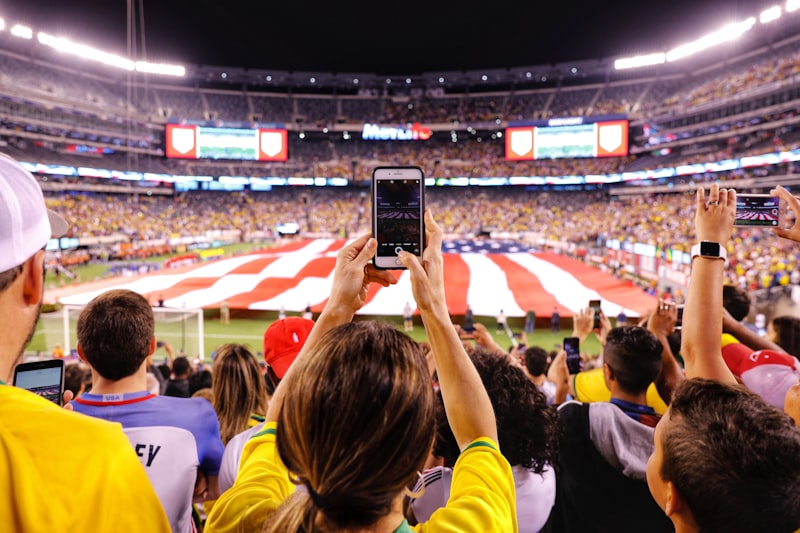
Staying safe and healthy is just as important as having fun. International drag racing venues can be crowded, noisy, and sometimes confusing for new visitors. Therefore, knowing a few safety and health tips is vital for first-time attendees at international sports events.
First, ear protection is a must. Drag racing engines are extremely loud, sometimes exceeding 130 decibels. Prolonged exposure can damage hearing. Purchase earplugs or earmuffs in advance. Some tracks sell them on site, but lines can be long.
Sun exposure is a common risk at outdoor events. According to the CDC, sunburn can occur in under 30 minutes during peak hours. Use strong sunscreen and reapply throughout the day.
Large events also carry a higher risk of theft or loss. Only bring essentials, keep valuables secure, and be aware of your surroundings. Many tracks have lockers for a small fee.
Depending on the country, food preparation standards may differ from what you are used to. Therefore, stick to reputable vendors and check that hot foods are served fresh. Drinking bottled or filtered water is best, especially in regions with questionable tap water.
Crowds can pose safety issues, especially at entry and exit times. Plan your movements to avoid surges. If you feel overwhelmed, find a staff member or go to a quiet rest area.
Cultural awareness is important at international events. Some countries have dress codes, taboos, or specific rules about photo-taking in public. In Japan, for example, it is polite to bow and avoid loud cheering away from main stands. In the Middle East, modest clothing is expected. Know these customs before your trip.
Emergency numbers differ in each country. Save the local police and ambulance numbers on your phone. In addition, many venues have medical tents or first aid stations—learn where these are when you arrive.
First-time fans should also review insurance needs. Some travel insurance plans include sporting event coverage, in case of injury or cancellation. If you are racing or driving as part of the event, double-check that your insurance covers these activities.
Finally, if you feel ill, ask for help right away. Most drag strips have well-trained medical staff who speak English or can arrange translation.
Conclusion
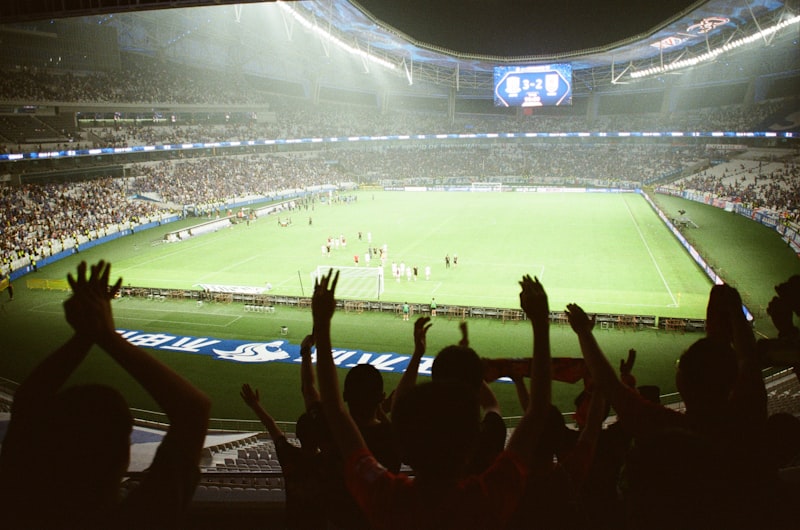
Attending your first international drag racing event is a thrilling and unforgettable experience. In summary, strong planning, learning the venue layout, embracing local culture, and putting safety first will maximize your enjoyment. The expert tips for first-time attendees at international sports events covered in this guide focus on helping you with every stage—from booking to race day.
Use this advice as a checklist and share it with friends or family who plan to join. Grab your ear protection, celebrate world-class racing, and make memories you will cherish long after the final pass down the quarter mile.
Leave a Reply