

If you want to know how to prepare your car for drag racing safety, you need a clear plan and strict attention to detail. Every car, driver, and team must follow rules set by track officials and racing organizations. In addition, safety is the most important part of every drag racing event.
This article will guide you through safe preparation, rules of the track, staging procedures, flag and light systems, and must-have safety equipment. Even if you’re new to the scene or a seasoned racer, these steps ensure a safer and faster race day.
In 2026, safety standards are higher than ever. Understanding these rules can protect you, your passengers, and everyone at the track. In fact, many organizations will not let you race without passing strict tech inspections. This guide will help you get ready for any certified drag strip in the United States.
Understanding Rules of the Track: The Foundation of Drag Racing Safety
Before you take your car to the line, you need to know the track’s rules. Every drag strip, from the smallest local event to the biggest NHRA-sanctioned races, relies on strict rulebooks. These rules keep everyone safe and create a fair, enjoyable sport.
First, each track will require you to sign a waiver and attend a safety meeting. It’s important to listen and ask questions. Knowing the rules of the track can prevent costly mistakes. For example, many tracks require closed shoes, no loose clothing, and a working seatbelt. There are also speed limits in some pit areas. Breaking these rules can get you disqualified or, worse, cause an injury.
In addition, familiarize yourself with how to enter and exit the staging lanes. Many accidents happen not on the strip, but in these areas where drivers may lose focus. Some tracks stagger the release of cars from the pits to prevent crowding. Similarly, you must understand which side of the lane to use and follow flag marshal instructions at all times.
Each organization, like the National Hot Rod Association (NHRA), has a detailed rulebook available online. For example, NHRA Rule 20.6.6 requires working headlights and taillights at night events. Not knowing this can keep your car from passing inspection.
On the other hand, local tracks often add their own rules based on safety trends or incidents. For example, a track may ban certain tires or require specific fire extinguishers. In addition, the rules often update yearly to keep up with new safety data. Therefore, always check the current rulebook and attend pre-race meetings.
In summary, preparing for drag racing starts long before you floor the gas pedal. Know the rules, obey all instructions, and respect officials and other racers. Being well-prepared helps you focus on the race while keeping everyone around you safe.
The Importance of Staging Procedures
Staging is the process of positioning your car at the starting line. It may seem simple but, in fact, it’s one of the most critical safety moments for both you and your opponent.
Before you stage, check your gauges and make sure your seatbelt and helmet are secure. In addition, you must wait for the starter’s signal before moving. Jumping the light or rolling after the line can not only ruin your run, but also lead to penalties.
Some tracks use pre-stage and stage beams to line up cars with lasers or sensors. Understanding these systems is essential. For newer racers, ask the track staff for a demonstration. Incorrect staging has led to accidents in more than a few amateur events.
Procedures may vary from track to track. For example, at many NHRA events, both cars must be “pre-staged” before either can enter “full stage.” This ensures fair runs, but also prevents unnecessary movement that could lead to a collision.
Because of this, always double-check your car’s position and stay alert to other cars nearby. On busy race nights, cars can get crowded. As a result, some minor accidents occur before the green light ever appears.
Therefore, learning the exact staging steps at your track will help you avoid mistakes and keep the starting area safe for everyone.
Safety Equipment Every Drag Racer Must Have in 2026
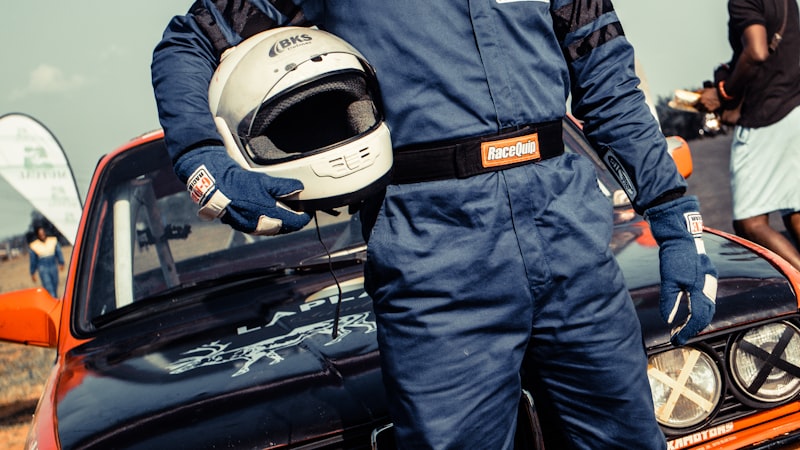
Equipping your car with the right safety gear is the most important step in preparing for a safe drag race. In fact, failing to meet safety standards will usually result in immediate disqualification.
Today, most tracks require a minimum set of equipment. For cars running slower than 14 seconds in the quarter mile, you need at least a DOT-approved helmet, a functioning seatbelt, and basic fire extinguishers. However, faster cars must meet stricter requirements.
For example, cars running 11.49 seconds or quicker typically must have a roll bar or roll cage, a fire-resistant racing suit (SFI 3.2A/1 minimum), arm restraints, and a driveshaft safety loop. In addition, NHRA Rule 20.6.2 states that all open-top vehicles require arm restraints and specific roll bar designs.
Many tracks also demand up-to-date tech inspections before you can run. Therefore, inspect your battery tie-down, check all lug nuts, and confirm your tires are in good shape. Most tracks will not allow racing with bald or damaged tires.
On the other hand, cars with aftermarket fuel systems must have proper hose clamps and shut-off valves. Leaks in the fuel system are one of the main causes of engine fires, which is why tech inspectors often use fuel sniffers or visual checks during pre-race inspections.
Some serious racers add handheld fire extinguishers within driver reach. NHRA-compliant units must be at least 2.5 lbs, charged, and securely mounted. Similarly, harnesses or 5-point seat belts are required for cars under a 10-second pass.
First-time racers often forget about proper shoe choice. Flip-flops, sandals, or bare feet are never allowed. Always wear full-coverage shoes to reduce the risk of injury in a fire or crash.
In summary, always start preparing for drag racing by upgrading safety equipment first. Visit NHRA’s official safety guide for details and updates—these change each year as new safety data becomes available.
Understanding Drag Racing Signals: Flags, Lights, and Communications
Signals and communication play a huge role in track safety. Knowing how to read and react to flags and lights helps prevent confusion and dangerous mistakes, especially for new racers.
Most sanctioned tracks use a system of colored flags and the “Christmas Tree” light system. The “Christmas Tree” is a column of lights at the starting line, controlling the launch sequence. In fact, a proper understanding of these signals can be the difference between a safe race and a dangerous accident.
First, the Christmas Tree begins with two small yellow pre-stage and stage bulbs. When both cars are staged, three larger amber bulbs light up in sequence, followed by the green light. Do not move your car until you see the green light. Blasting off too soon can lead to a red-light foul, meaning you leave the line before the green, and are instantly disqualified.
In addition, some tracks use blue or flashing lights for special warnings. A flashing yellow light usually means the track is not ready. Similarly, red lights tell all drivers to stop racing and safely return to the pit. Understanding and respecting these signals saves lives. For this reason, never ignore a red or yellow light, even if your car is running well.
Flags supplement the lighting systems. For example, a green flag may signal an all-clear condition, while a red flag means stop immediately. During oil-downs or crashes, you might see a series of waving yellow flags, signaling you to slow down and watch out for hazards.
Communication with track staff is also key. Always keep your radio volume down, pay attention, and make eye contact with staff. If a problem happens on the line, such as a fuel leak or missing helmet, staff will signal you clearly before you launch.
Because of this, new racers should attend any offered orientation before race day. These briefings explain each signal and help you practice responses in a safe, controlled setting.
Never guess what a signal means. If you are unsure, stop your car until you get clear instructions. In fact, the majority of new racer accidents stemmed from misreading lights or ignoring flag signals, according to NHRA’s 2025 safety report.
Inspecting and Maintaining Your Car for Safe Drag Racing
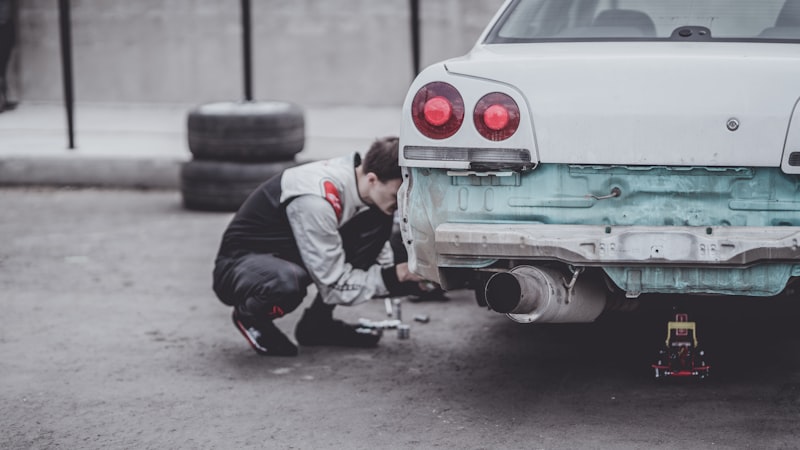
The last essential step before any event is a complete, methodical inspection of your car. Proper maintenance reduces the risk of mechanical failure, one of the biggest dangers in amateur drag racing.
Start your inspection at least a week before the event. First, check all fluids—oil, coolant, transmission, and brake fluid must be clean and topped off. In addition, look for any leaks around the engine or under the car. Even small leaks can mean big problems at high speed.
Next, check wheel torque. Use a torque wrench to verify that all lug nuts are secure and at the manufacturer’s recommended settings. Bent or loose wheels can cause loss of control during launch or braking. As a result, some tracks will not let cars with missing center caps or exposed wheel studs on the strip.
Inspect your brakes. Pads must be thick enough to handle repeated stops at high speed. Replace worn or thin pads, and bleed your brake lines to remove air bubbles. According to a 2025 study by the Society of Automotive Engineers, brake system failure was the leading mechanical cause of single-car crashes at amateur drag strips.
Review your seatbelt systems. Factory belts are usually acceptable for street cars above 14-seconds, but racing harnesses are required for faster vehicles. Harnesses must be unfrayed and show no sign of excessive wear.
Look at your battery and its tie-downs. A loose battery can turn into a dangerous projectile in an accident. Similarly, ensure your hood latch is secure, and all under-hood fixtures are tight.
Finally, inspect your tires. Tires with cracks, bald spots, or missing chunks are dangerous at high speed. Many experienced racers bring an extra set of track-only tires to maximize grip and safety.
If you modified your car’s engine, transmission, or suspension, inform the tech inspectors. Different mods may require additional approval or inspection. For example, cars with nitrous oxide kits must display warning decals and use SFI-certified hoses.
In summary, make a checklist and follow it each time you race. Well-inspected vehicles dramatically lower risk for you and for everyone else on the track.
Conclusion
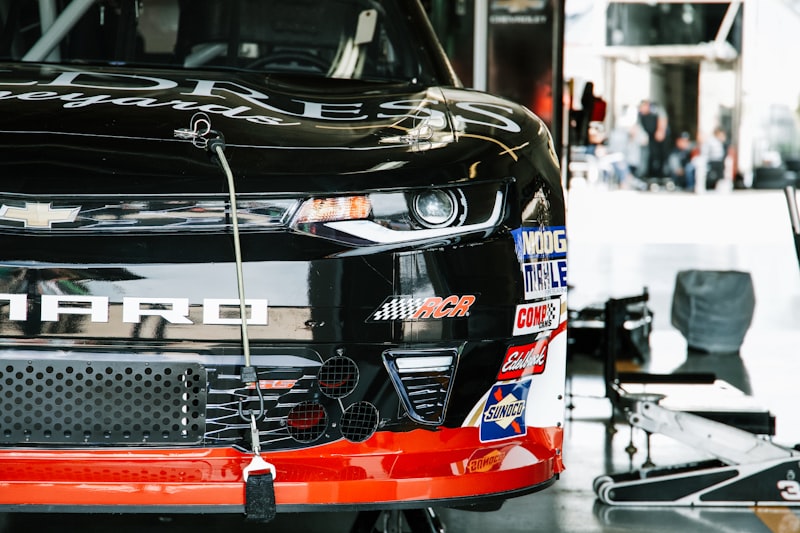
Learning how to prepare your car for drag racing safety takes time and effort, but the payoff is huge. By understanding track rules, staging carefully, installing the right safety equipment, following signals, and inspecting your car, you protect not just yourself — but everyone at the event.
Therefore, take these safety steps for every race, big or small. For further reading and the latest safety updates, visit the official NHRA safety page or your local track’s website.
In fact, a safe race always starts long before the starting line. Start your journey with safety in mind and enjoy a thrilling, accident-free drag racing experience. If you’re passionate about drag racing, make safety your top priority today.
Leave a Reply