


If you are looking for a beginner guide to understanding reaction times in drag racing, this article will help you get started. Reaction time can seem complex at first. However, learning how it works is key for people starting out at events like test-and-tune nights. Saiba mais sobre How to Read a.
In drag racing, every fraction of a second matters. A good reaction time can be the difference between winning and losing. Because of this, understanding the basics will help you enjoy your racing experience and improve your performance from the first day.
Whether you are joining your first entry-level race or simply want to know how drag racing works, this guide takes you step-by-step through all the key ideas. You will also find practical tips, real data, and suggestions for how to practice at your local strip.
What Is Reaction Time in Drag Racing?
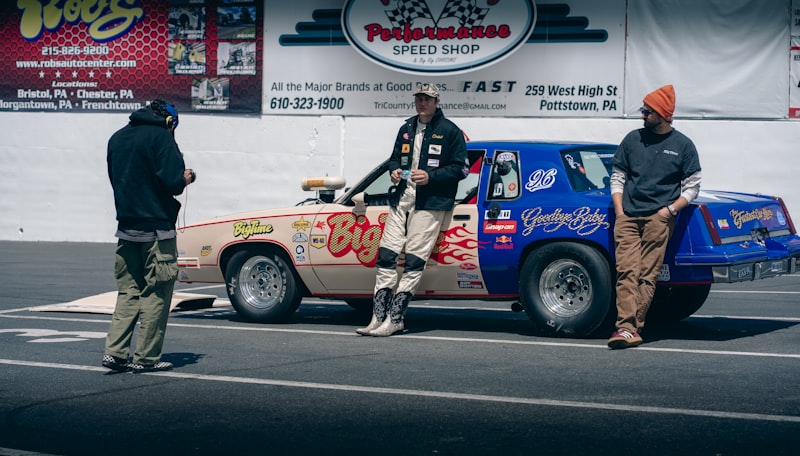
Reaction time in drag racing means how quickly you respond to the starting signal. On the strip, when you see the green light on the “Christmas Tree” (the set of lights at the start line), your reaction time is measured from that instant until your car moves and breaks the starting beam.
For beginners, understanding this is important. Many first-time racers think the fastest car wins. In reality, reaction time often decides close races. In addition, you might be surprised to learn that two drivers with equally fast cars can be separated by just thousandths of a second because of this factor.
How the Timing System Works
At almost every sanctioned drag racing event, you race on a track that uses a set of lights called the Christmas Tree. This system tells drivers when to start and records their reaction times. Here’s a basic breakdown:
- When you stage your car, two beams of light cross the lanes. The “pre-stage” and “stage” bulbs light up as your front tires roll into position.
- Once both drivers are staged, the tree starts its countdown. In sportsman (bracket) racing, three amber lights count down before the green.
- When the green light comes on, the timer starts.
- Your reaction time is how long it takes you, after the green, to break the start beam.
- Full Tree: Most common at beginner or bracket races. Three amber bulbs light up in sequence, each 0.5 seconds apart, then the green lights up. You should launch as the last amber lights just before the green.
- Pro Tree: All three ambers light up together, and the green comes just 0.4 seconds later. This is usually for advanced or heads-up classes.
- Watch a few runs before you get in line. See how others stage and launch.
- Use a practice tree app or handheld device. These simulate the tree at home.
- Focus on the last amber, not the green. Your best time will usually come if you start moving as soon as the final amber lights up.
- Double check your staging. Rolling too deep or too shallow changes your car’s rollout distance and may impact your reaction time.
For example, a reaction time of 0.200 seconds means it took you two-tenths of a second to start. A perfect reaction time is 0.000. However, if you leave too soon, you “red light” and get a negative reaction time, which instantly disqualifies your pass.
Because of this, new racers often focus first on learning the tree, staging rules, and how not to foul out. Knowing how timing is measured helps you practice smartly and avoid losing races at the line.
Why It Matters for Beginners
Many new racers overlook reaction time. But in bracket racing and entry-level classes, this is where most new drivers make mistakes. As a result, many beginner guides stress learning to watch the tree and practicing launches before worrying about power upgrades.
In fact, the National Hot Rod Association (NHRA) says that improving reaction time is the best way for new drivers to drop their elapsed times without even touching their cars’ performance (learn more). For you, this means focusing on your timing can cause a bigger improvement than spending thousands on upgrades.
The Christmas Tree: Your First Key to Improving Reaction Time
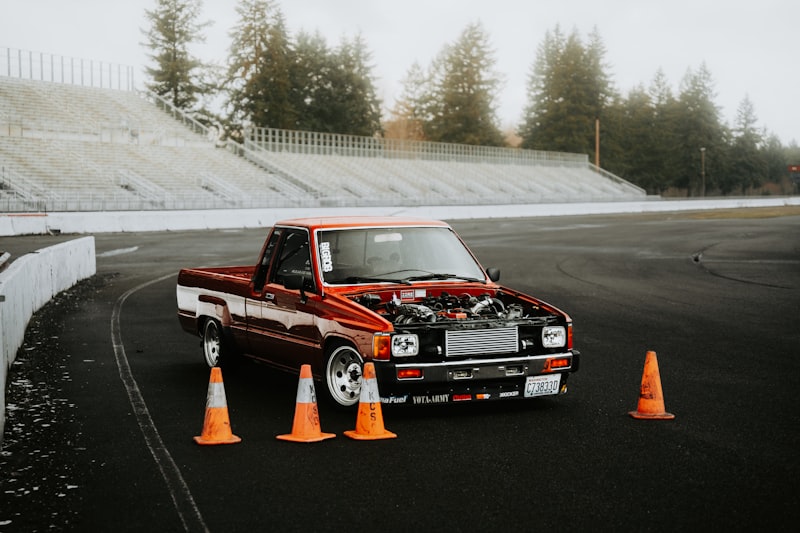
At your first test-and-tune night or bracket race, the Christmas Tree may seem confusing. It has a series of colored lights that control when the race starts and when your reaction time is measured.
Understanding the tree is one of the most important steps in any beginner guide to understanding reaction times in drag racing. There are two main types: the full tree and the pro tree.
Knowing when to react is key. On a full tree, most top drivers actually start to launch during the last amber, not after the green. This is because it takes your brain and feet time to react—a lag known as “reaction time delay.”
How Beginners Can Practice
Many tracks allow you to “test and tune” before a race starts. You can use this time to watch the lights and practice your launch.
Here are some tips:
For example, if you consistently have a reaction time of 0.300 or slower, try launching as soon as the last amber flashes. Also, film your runs to review your staging and launches.
As you gain experience, your brain and muscles will learn the right timing. In fact, many top sportsman racers have reaction times between 0.010 and 0.070. For a beginner, a reaction time under 0.300 is a strong goal.
Factors That Affect Your Reaction Time
Reaction time in drag racing does not depend on just one factor. Several things—both mental and physical—play a role. If you want to lower your reaction time and do better at entry-level events, you will need to understand each of these.
First, your mental focus is crucial. If you are nervous or distracted, you may react slowly. Therefore, calm preparation and mental routine before staging help many racers. Some visualize their launch or focus on breathing.
Second, your physical setup in the car matters. For example, the height of the seat, distance to the pedals, and even how you hold the steering wheel can all impact how quickly you move. Professional racers often adjust these for the most comfort and speed. For a beginner, making sure you can reach the pedals without stretching can help by a few hundredths of a second.
Third, car setup and staging technique have a big influence. Staging deeper (pushing the front wheels further into the start beams) can shorten the rollout distance and reduce reaction time on the clock. However, staging too deep may also make your car move before you expect. Most beginners do best with “shallow staging”—just lighting the top stage bulb so they have more time to react.
In addition, track conditions like grip, temperature, and starting beam sensitivity can change from run to run. This means you should practice at different times and adjust based on your results.
Practical Tips: How to Improve Your Reaction Time at Entry-Level Events
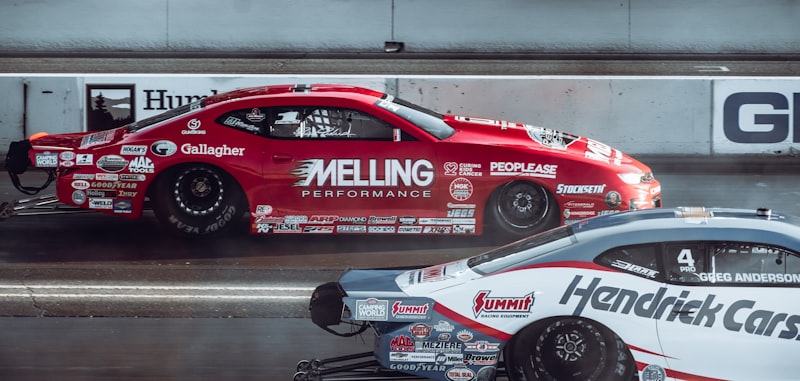
At this point in the beginner guide to understanding reaction times in drag racing, you might wonder how to actually get better. While reaction time can be improved with practice, several specific steps help most beginners:
First, practice with a practice tree—a handheld device or app that simulates the lights. These tools let you work on your timing without leaving home. Leading practice trees record your times and help you see trends. According to Dragzine, many top drivers use practice trees daily.
Second, at your first event, take your time staging. Do not rush to light both bulbs. Take a deep breath, find your focus, and only be ready to launch when you feel settled.
Third, learn from each run. After every pass, look at your time slip. The reaction time is usually printed next to your elapsed (ET) and trap speed (MPH). If your reaction is consistently slow, make a note of what you did and change one thing next time—either your launch moment, foot position, or staging point.
Fourth, keep a simple logbook of every pass. Write down your reaction time, ET, and any notes about your staging or mental state. Patterns will quickly appear.
Fifth, if possible, ask experienced racers for advice. Most local drivers are eager to help newcomers. Many will watch your runs and offer quick feedback on what you can try. In fact, most improvement does not happen overnight but with consistent, small changes.
Finally, if you start feeling stressed, remind yourself that every experienced racer began as a beginner. Reaction time improves with practice, patience, and attention to detail.
Common Mistakes Beginners Make with Reaction Time
When first learning about reaction times in drag racing, many beginners make the same mistakes. Knowing these can help you avoid frustration and improve sooner.
One common error is waiting for the green light to appear before releasing the brakes or hitting the throttle. However, your mind and foot take a fraction of a second to act, so you’ll almost always be late. Instead, time your movement as the last amber lights.
Another frequent mistake is not staging carefully. Staging too deeply or too shallowly causes uneven reaction times. Always stage the same way each run so your timing stays consistent.
Third, changing too many things at once after a bad run should be avoided. For example, if your reaction time is slow, do not move your foot, seating, or try a new launch RPM all at once. Make one change, then test again.
Fourth, letting nerves get the best of you can cause delays. Anxiety makes your focus wander and slows your reaction. Build a simple pre-stage routine (like three deep breaths and checking your grip) to calm your nerves before racing.
Finally, avoid focusing only on car speed and ignoring reaction time. Many newcomers chase horsepower but lose races because the other driver had a better launch.
By learning from these common errors, you will improve faster. In fact, many seasoned racers look back and realize that working on reaction time, not horsepower, made the biggest difference early on.
Advanced Topics: The Role of “Red Lights” and Other Disqualifiers
As you get used to racing, you will hear about “red lighting.” This happens when your car moves before the green light comes on, breaking the start beam too early.
A red light is an automatic loss in most entry-level or bracket races. Therefore, you should always aim for a reaction time just above zero—never negative.
However, as you improve, you will want to “push the tree” without crossing the line. For instance, most seasoned racers will try to get as close to 0.020 as possible. This gives them the very best advantage while still being legal.
One important term to remember is the “breakout” rule in bracket racing. If you run faster than your dial-in time, you lose—unless your opponent red lights. Therefore, fast reaction times alone do not guarantee a win. The key is matching good launches with consistent, legal pass times.
Finally, sometimes timing system glitches or unusual weather can cause strange reaction time results. Always double-check your times with the track staff if something looks wrong.
Conclusion
In summary, this beginner guide to understanding reaction times in drag racing covers everything you need for your first event or test night. Reaction time is one of the simplest but most important skills in drag racing—especially at the entry level.
You learned how the tree works, what reaction time means, and why it often decides races. In addition, you found real tips for practicing, tracking your results, and learning from mistakes. Always remember that improvement comes with time and attention. Begin with careful staging, patience, and steady practice.
For more, review resources from the NHRA official site or chat with your local track’s staff. The best way to learn is to go out, watch others, and practice at the next test-and-tune night.
Get out there, stay safe, and enjoy the process of learning to launch fast and win your next race.
Leave a Reply