


An engine turbo is one of the most effective ways to increase power in drag racing engines. Because of this, car builders and racing teams often use turbos to gain a competitive edge. Understanding how turbo systems work and how to build them for reliability is key for anyone looking to win on the track.
Today’s drag racing scene demands more horsepower than ever. Therefore, the right turbo setup can mean the difference between a win and a failure. In fact, more teams are turning to advanced turbo kits, forged engine internals, and expert boost control for reliable performance.
This article will explain the basics of turbos, show how they help engines in drag racing, and share tips for making them reliable at high boost levels. We will also look at fueling, ignition, and tuning methods that prevent breakdowns and keep engines running strong.
How Engine Turbo Systems Work in Drag Racing
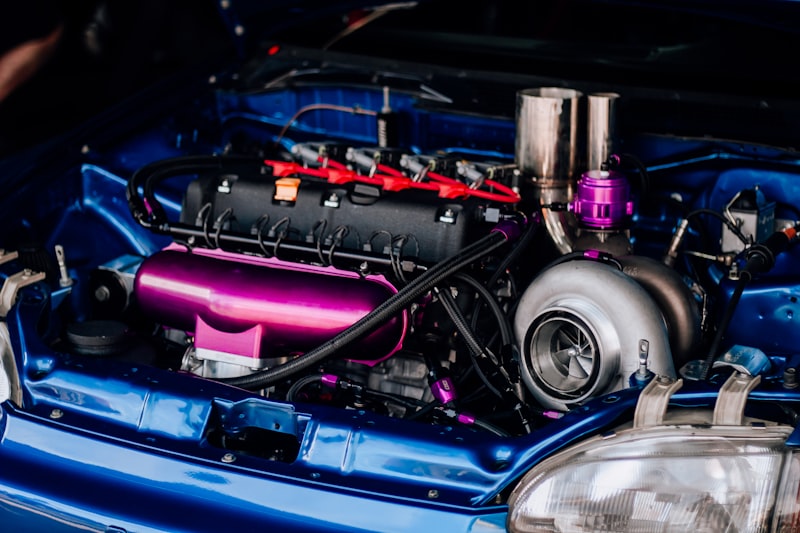
Turbochargers, or turbos, help engines make more power by forcing extra air into the cylinders. Unlike a supercharger driven by a belt, a turbo uses exhaust gas to spin a turbine. In other words, the energy that would be wasted out the tailpipe is used to help make more horsepower. Veja tambem: Engine Turbocharger Basics: Boost Power and Reliability for Drag Racing.
When turbo kits are added to a drag racing engine, several parts must work together. The exhaust spins the turbo’s turbine, which turns a compressor on the other side. This compressor draws in outside air and squeezes it before shoving it into the engine. Because there is more air, the engine also needs more fuel to match. As a result, the engine burns more fuel and air in each cycle, making more power. Veja tambem: Engine Turbomax: Boosting Drag Racing Performance in 2026.
For example, a stock 2.0-liter engine might make 200 horsepower. With a well-tuned turbo kit at 20 psi of boost, the same engine can often reach 350-400 horsepower. However, this extra stress means careful setup is vital. You must plan for proper fueling, cooling, and the right engine internals to handle the boost. Veja tambem: Engine Turbo Price Guide: What Affects Cost in 2026?.
In drag racing, the power boost from a turbo helps cars cover the quarter mile much faster. Turbocharged engines typically deliver more torque across the range. While there may be some turbo lag, modern designs with ball-bearing turbos and smart boost control help keep power delivery smooth and quick. In fact, many cars in competitive drag events now break into the 7-second or even 6-second range using advanced turbo systems. Veja tambem: Engine Turbo Diagram Explained: Drag Racing Power Unveiled.
Finally, proper use of wastegates and blow-off valves is essential. Wastegates help control maximum boost pressure. On the other hand, blow-off valves release extra pressure when you let off the throttle. These systems work together to prevent damage to both the turbo and the engine.
For more detailed technical information, you can read this reliable source from SAE International, which explains turbo operations for automotive engineers.
Building a Reliable High-Boost Turbo Engine: Internals and Upgrades
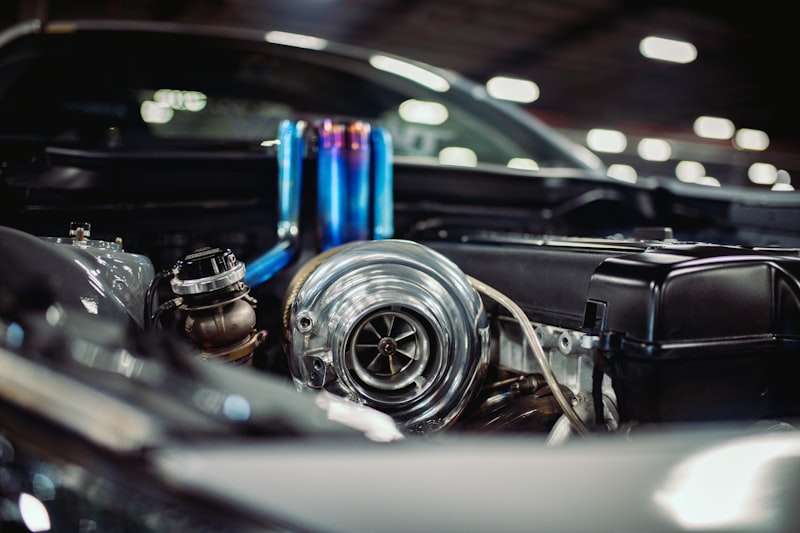
Reliability is one of the main concerns when adding a turbo to a drag racing engine. Stock engine parts often cannot handle the higher cylinder pressure and heat caused by forced induction. Therefore, you need to upgrade several key components to avoid failure during high-boost passes.
First, stronger pistons and connecting rods are a must. Forged pistons resist heat and detonation better than cast pistons found in most stock engines. On the other hand, aftermarket rods made from forged steel or billet can handle the extreme loads of boosted power. As a result, you lower the risk of bending rods or melting pistons under full throttle.
Second, the crankshaft must be up to the task. Some engines have strong factory cranks, but many will need a forged or billet crank for serious racing. Because of this, building a complete bottom end with matched internals is the safest choice.
Proper head gasket selection is also critical. Multi-layer steel (MLS) head gaskets are popular in turbo builds because they seal well under high pressure. In addition, head studs replace factory bolts for extra clamping force. This practice helps keep the head from lifting under boost, which is a common problem at high power levels.
For practical example, let’s look at an LS-based V8 often used for drag racing. The factory rods struggle above 600 horsepower. But with forged pistons and rods, it is not uncommon to see 1,000+ horsepower reliably on race gas or E85. This shows how strong engine internals make or break a turbo build.
Finally, you must address cooling and oiling. Turbo engines tend to run hotter, so larger radiators, oil coolers, and high-flow oil pumps should be part of any serious build. In summary, investing in engine internals is the best way to keep your turbo setup reliable at the highest boost levels.
Important Tips for Assembly
Take time to measure clearances during assembly. Use high-quality bearings, precision torque specs, and proper ring gaps for boosted engines. Always test fit parts before the final build. Because of this care, your turbo engine will last many racing seasons.
Fueling and Ignition Strategies for Turbocharged Drag Engines
High boost means your engine needs much more fuel and perfect timing. Therefore, fueling and ignition systems are critical in any turbo build. Getting these right prevents damage and lets you use the maximum safe boost.
First, you must size your fuel injectors for the big power increase. For example, if your target is 800 horsepower on E85, you may need 1000cc injectors or larger. In addition, high-flow fuel pumps help keep pressure stable even under full throttle. A weak fuel supply can cause lean conditions, which quickly melt pistons during a hard pass.
Proper tuning is essential for reliability. Modern drag engines use stand-alone engine management systems. These let you adjust boost maps, timing curves, and fuel delivery down to each cylinder. As a result, you can fine-tune for conditions like weather, elevation, or a specific track.
On the ignition side, spark strength must keep up with higher cylinder pressure. Therefore, most turbo drag builds upgrade coils and plug wires. Racing spark plugs with a colder heat range help avoid detonation. In addition, some setups use ignition boxes with 2-step or 3-step rev limiters for better launches and boost control.
A good tuner will blend rich fuel mixtures and safe timing for every boost level. It is a careful balance. Too lean or advanced, and the engine can knock or break. Too rich or retarded, and you lose power or foul plugs.
In fact, drag cars running high-boost turbo setups often use advanced sensors. Wideband O2 sensors, knock sensors, and data logging let tuners spot dangerous trends before trouble strikes. For additional information on safe ignition and fueling, see EngineLabs’ guide to drag racing tuning.
Therefore, if you want safe, repeatable performance, always invest in the right fueling and ignition gear. Never cut corners or guess with boosted engines.
Boost Control and Supporting Modifications for Maximum Reliability
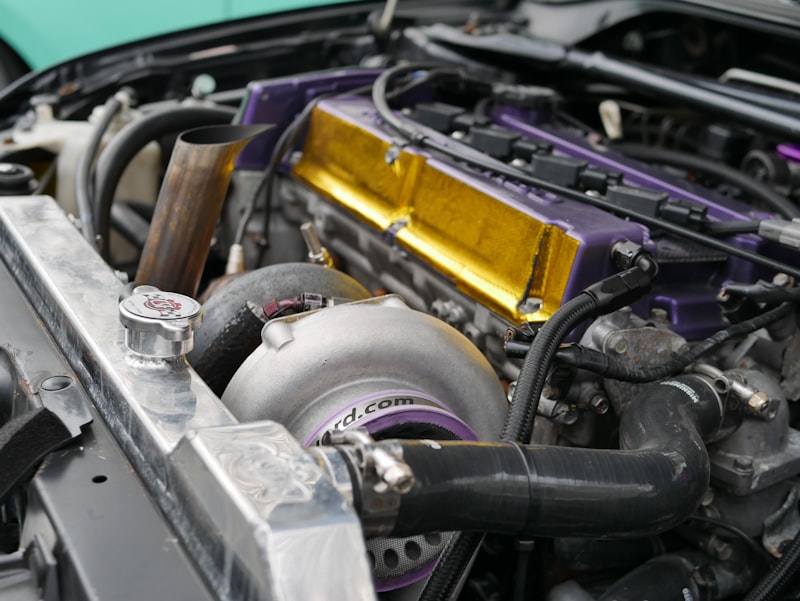
Controlling boost is the final key step for lasting performance in drag racing. Reliable boost control keeps pressure at safe levels to avoid overloading the engine. In fact, the best turbo builds combine electronic control with strong supporting mods.
Electronic boost controllers are now the most common solution. Simple manual controllers work, but modern electronic models let you set boost by gear or by time. For example, you might run 10 psi in first gear and ramp up to 30 psi by high gear. As a result, traction improves, and the car does not overwhelm tires at launch.
An important supporting mod is the wastegate. External wastegates provide better boost control than internal ones. A quality wastegate must match the size of your engine and the power levels you want. Bigger engines with high flow need larger or multiple wastegates. As a general rule, do not skimp on this part.
Blow-off valves also help with reliability. They release pressure when you lift the throttle, stopping compressor surge that can break turbos or pipes. These are especially important for engines making big boost on short drag runs.
Finally, supporting modifications like intercoolers, larger exhausts, and boost-worthy intake manifolds are essential. Therefore, a properly sized air-to-air or air-to-water intercooler will drop intake temperatures, making the charge air denser and cooler for more power and less knock. For example, dropping intake air temperature just 40°F can allow for 2-3 more psi of safe boost.
Always check for boost leaks and faulty clamps. Even small leaks can cause tuning problems, spiking EGTs, or even burned pistons under high boost.
Monitoring and Safety Systems
Adding simple safety systems like boost cut switches and overheat alarms pays off. Some advanced ECUs can shut down the engine if boost or temperature passes safe limits. These features are not just for pros—every racer can use them for peace of mind.
Conclusion
An engine turbo setup is a proven way to win in drag racing. However, true success depends on building the right combination of turbo kit, strong internals, advanced fueling, ignition, and reliable boost control.
In summary, follow best practices at each step. Upgrade forged engine parts, pick solid fueling systems, dial in ignition, and rely on modern boost controllers. Because of this approach, many racers see big horsepower gains with confidence and safety.
If you want to start your own turbo build or improve what you have, learn from the best and invest in quality parts. Get advice from skilled tuners, test often, and always put reliability first. For more expert tips on turbo engines, fueling, and drag racing performance, check out other articles here on ecredexa.com.
Stay safe, keep learning, and enjoy the race.
Leave a Reply