

Anyone searching for a drag racing checklist for first timers likely has excitement mixed with nerves. In fact, planning is the best way to make your first trip down the strip smooth, fun, and safe.
For those new to drag racing, knowing what to expect takes away a lot of stress. Beginners benefit from a step-by-step guide to cover what to bring, how to prep, and which rules matter most. That’s why this practical checklist, built for newcomers and test-and-tune night visitors, lays out every detail you need. Saiba mais sobre Beginner Friendly Drag Racing.
Most tracks welcome beginners. However, showing up ready ensures you enjoy the experience from start to finish. Here’s how to prepare for your first entry-level racing night.
Drag Racing Checklist for First Timers: Prep Your Car and Yourself
Making a checklist before heading to the strip keeps new racers safe and stress-free. In other words, you’ll avoid last-minute issues if you check off the basics the night before. You’ll also impress track staff and other participants by showing up organized. Veja tambem: How to Read a Drag Racing Time Slip: Complete Guide for Beginners.
Vehicle Preparation
First, inspect your car thoroughly. Test-and-tune nights typically allow street cars with minimal modifications, but safety counts above all. Here is what you should check:
- Tires: Make sure your tires have enough tread and are not cracked. Many tracks require no visible cords or dry rot.
- Battery: Battery must be secure in its tray. No loose batteries allowed.
- Brakes: Pads should be in good shape. Brake fluid levels must be adequate.
- No Leaks: Check for oil, coolant, and fuel leaks. Tracks will disqualify you if you drip on the starting line.
- Seatbelts: Factory seatbelts are fine for most entry-level events. Make sure they are not frayed or broken.
- Don’t do a burnout if you’re not instructed to.
- Most beginners skip full burnouts unless on drag slicks.
- Driver’s license and registration (mandatory)
- $20–$40 cash for entry and small expenses
- Basic tool kit: Wrenches, sockets, screwdrivers for quick fixes
- Pressure gauge and air pump: Adjust tire pressures for traction
- Helmet: Only needed if your car is quicker than 14 seconds at most tracks
- Blue painter’s tape: Use for car numbers or headlight protection
- Snacks and water: Stay hydrated and alert
- Folding chair: Comfortable pit-time seating
- Flashlight or headlamp: For adjustments after dark
- Notebook and pen: Log your runs and track conditions
- Plastic bags or containers: For valuables or dirty parts
- Extra clothes: Sweatshirt, rain jacket, or hat depending on weather
- John inspects his car and finds a loose battery terminal, so he tightens it.
- He packs his driver’s license, tools, sunscreen, water, and a folding chair.
- At the track, he listens to tech inspectors and learns his helmet is only needed if he goes faster than 14 seconds.
- During his first run, he stays calm, waits for the green, and finishes with a 17.2-second pass.
- His time slip shows a slow reaction. Therefore, for his next run, he focuses on the lights.
- At the end of the night, he logs each pass in his notebook and packs up, leaving no trash behind.
In addition, remove loose items from the cabin and trunk before you go. Items like air fresheners, floor mats, or change can become hazards at high speed.
For cars making more than 14 seconds in the quarter-mile, basic street safety rules apply. If your car is faster or modified, check if a roll bar, harness, or driveshaft loop are required. Each track’s website will post their rules, which are often based on NHRA guidelines.
Personal Preparation
Wear cotton clothes (long pants and a plain t-shirt or long sleeves). Most tracks ban shorts and sleeveless shirts for racers. Closed-toe shoes are mandatory. Bring your valid driver’s license and entry fee (cash is usually easiest).
For example, Sacramento Raceway entry fees start at $20 for test-and-tune in 2026. Most other tracks have similar rates. Some may request your insurance or registration papers at entry.
Because of this, pack a backpack the night before with wallet, phone, snacks, water, and sunscreen. Remember, you may spend several hours at the track.
Understand Race Day Procedures and Rules

Knowing the flow of a typical test-and-tune night helps beginners fit in right away. Most first-timers worry about making mistakes in the staging lanes or at the start—but every racer was new once.
Arriving at the Track
Arrive early, because registration lines can get long. Find the tech inspection area first. There, a track official will give your car a quick safety check. Listen carefully and ask questions if you’re unsure.
Once you’re passed through inspection, park in the pit area and empty your car. Organize your gear and relax until race time.
Staging Lanes and Burnout Box
When staff open the staging lanes, listen for your class or run group. Pay attention to instructions over the loudspeaker. Follow other racers into the lanes, keeping space between cars.
As you approach the burnout box (where drivers clean and warm their tires), make sure your windows are up, seatbelt is buckled, and helmet (if required) is on.
Pay attention to track signals and starter staff. They guide every step. Saiba mais sobre Beginner Guide to Drag.
The Starting Line and Your First Pass
First-timers often worry about “red-lighting” (starting too soon) or stalling. Remember, you don’t have to rush. Pre-stage and stage by slowly rolling into the beams until the lights on the Christmas tree blink on.
When the green light flashes, go at your own pace. Most test-and-tune events are not about winning. Use this first pass to get comfortable with the process.
In fact, after your run, check your time slip. Review your reaction time, 60-foot time, and quarter-mile ET. Take notes if you plan to improve.
What To Pack: A Gear and Essentials Drag Racing Checklist
Packing the right gear keeps the day smooth. Many first-timers overlook items that make a big difference. Here’s a practical checklist focused on entry-level events and test-and-tune nights:
Don’t forget sunscreen and sunglasses, especially for summer daytime events.
Check your local track website for any required gear. For instance, some events might want fire jackets for cars with nitrous oxide or forced induction, even for beginners.
How Much Does It Cost for First Timers?
Budget matters for first-timers. According to Dragzine’s beginner guide, most test-and-tune events in 2026 cost $20 to $40 per car. Helmets, if you don’t own one, can be rented at some tracks for $10–$20.
Set aside an extra $50 to $100 for snacks, fuel, and any needed tools. This makes racing affordable for most enthusiasts.
Safety Tips and Best Practices for Entry-Level Drag Racing
Safety is always the top priority, even for first-timers. Because of this, following track rules keeps you safe and ensures you’ll be welcome next time. Many incidents are preventable with a bit of care.
Always Obey Track Officials
Listen to tech inspectors and starter crews. If they ask you to fix or change something, do it before making another run. They are there to keep everyone safe. For example, a loose battery or missing coolant overflow can prevent a car from racing.
Know the Racing Surface
Drag strips can be very slick or sticky depending on prep and weather. Walk the track edge before your first run if allowed. Notice any wet spots, rubber build-up, or gravel that could affect your launch.
If rain threatens, most events pause or end. Drag strips do not run in the wet for safety.
Proper Launch and Shut-Down
Don’t launch at full throttle your first time. Start with half-throttle launches to get a feel for the surface. Build up as you gain confidence.
After crossing the finish line, let off the throttle and use gentle braking. Drag strips have long shut-down areas. Do not stop suddenly or swerve. Follow the return road and exit as directed.
Respect Fellow Racers
Pits and staging lanes are busy, tight spots. Always drive slowly and be aware of others. Clean up your pit space before leaving.
In summary, respect is key. Many veteran racers will help beginners with advice if you ask politely.
Real-World Example: A First-Timer’s Day at the Strip
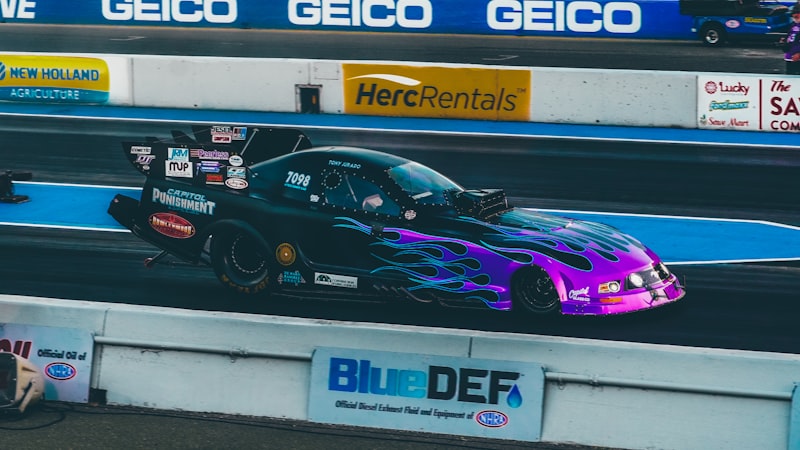
Let’s walk through a practical example to see how this checklist works. John, a 22-year-old with a stock Honda Civic, decides to run at Irwindale Speedway’s test night.
By following his checklist, John stays safe and enjoys his drag racing debut.
Conclusion
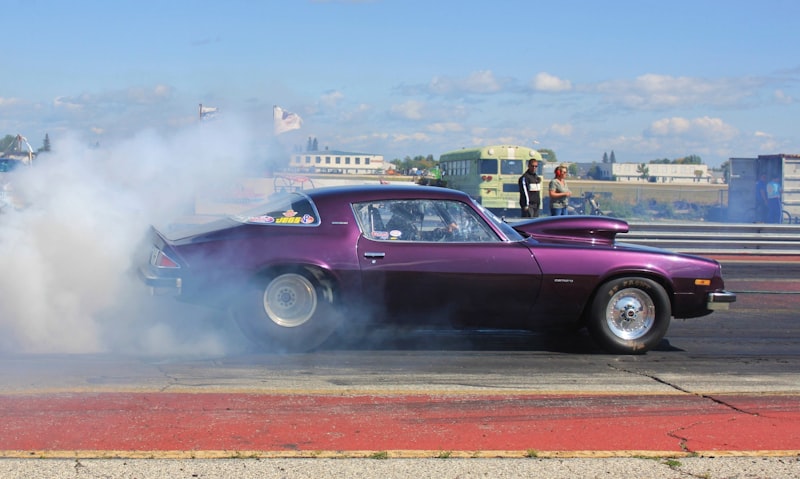
First-timers succeed in drag racing by preparing both their car and themselves. A drag racing checklist helps you avoid common rookie mistakes. It also builds confidence by making every step clear and manageable.
Start with basic car safety checks, pack the recommended gear, and understand track rules. Listen to officials, respect fellow racers, and build up launch speed slowly.
Because of this preparation, your first night at the dragstrip will be fun, safe, and memorable. Ready to race? Review this guide, build your checklist, and enjoy your start in drag racing. For more detailed beginner guides, explore our other step-by-step racing tips at ecredexa.com.
Leave a Reply