

Learning how to improve throttle response with tuning is essential for any drag racing enthusiast aiming for peak performance. Fast and crisp throttle response can make the difference between a winning and a losing run.
In 2026, drag racers and engine builders rely on precise tuning to get that split-second edge. The right methods do not only boost power—they also help your engine react instantly when you press the gas. This article will guide you step by step, focusing on turbo kits, engine internals, fueling, ignition, and reliability for true racing needs.
Why Throttle Response Matters in Drag Racing Engines
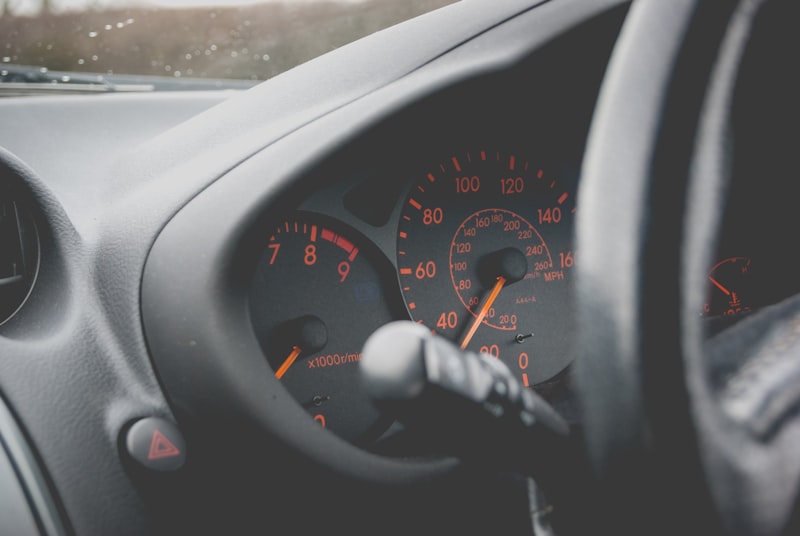
Throttle response is how quickly your engine reacts to input from the gas pedal. In drag racing, faster response means quicker launches and faster elapsed times. Every tenth of a second counts, so even small improvements can change your results.
The main factors that control throttle response are air delivery, fuel delivery, ignition timing, and turbocharger behavior. Poor response often means there’s a mismatch in one or more of these systems. For example, turbo engines sometimes show “lag”—the delay as the turbo spools up. In other cases, sluggish ignition timing or slow fuel tuning can dampen response when you hit the throttle.
Because of this, many drag racers invest time and money into tuning their engine management systems. A responsive engine doesn’t just feel better to drive. It delivers more consistent results on the strip. In fact, a study published by EngineLab found that engines with optimized throttle response achieved more wins in bracket racing events, even when peak power was similar.
In addition, improving throttle response often leads to more reliable launches. When your engine reacts as expected, you avoid bogging down or spinning the tires. Therefore, tuning for throttle response is a key strategy for anyone serious about quarter-mile performance.
Core Components: Tuning Your Engine for Better Throttle Response
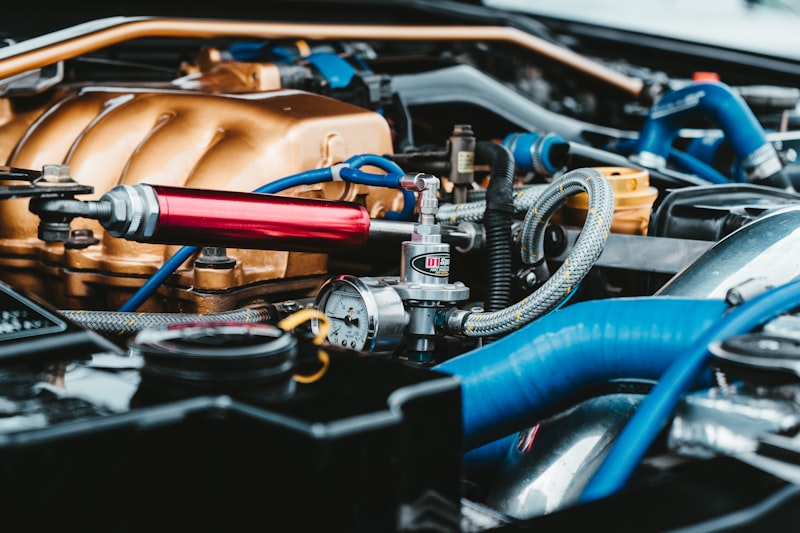
When you want to improve throttle response with tuning, you must understand how engine systems interact. Let’s look at the most important elements for drag racing engines.
ECU and Fuel Mapping
First, focus on the ECU (engine control unit), which controls your engine’s fuel and spark delivery. Many modern drag cars use standalone ECUs because they provide far more control compared to the factory setup.
Tuning fuel maps is crucial. Injecting the right amount of fuel at the correct time allows your engine to react instantly. Lean mixtures can improve response but risk engine damage under load. Rich mixtures may slow response and waste fuel. Because of this, top tuners use wideband O2 sensors to monitor air-fuel ratios under various throttle conditions. In 2026, advanced ECUs allow live adjustments with much greater precision.
For example, some tuners set richer mixtures for cold starts or at low RPM, then go leaner as RPM rises. Others blend throttle position with boost level to shape maps that deliver a crisp hit as soon as you step on the gas. In addition, using injector scaling—where larger or faster injectors deliver fuel more quickly—can cut response time, though the rest of the tune must match.
Ignition Timing and Spark Control
Ignition timing is just as critical as fuel tuning. If spark happens too late, response will feel sluggish. Advancing the timing—making the spark happen sooner—can wake up throttle response but also raises the risk of knock. To get it right, combine careful timing maps with knock sensors and use high-octane racing fuel if needed.
Some ECUs feature ignition trim based on throttle changes. For example, you might temporarily increase timing when the throttle opens suddenly. This tactic gives an immediate “snap” as soon as you hit the pedal.
Finally, upgrading ignition components such as coils, spark plugs, and wires reduces misfires and ensures strong spark at all RPM and boost levels. As a result, you get more reliable and repeatable response.
Turbo Kits and Boost Control: Minimizing Lag for Instant Response
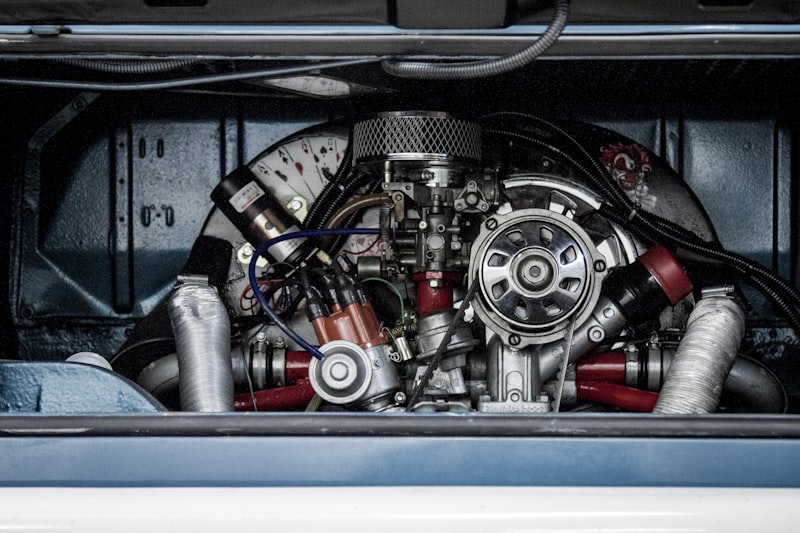
Turbocharged engines dominate modern drag racing thanks to their power potential. However, many racers complain about turbo lag—slow boost build-up after pressing the gas. Fortunately, there are several ways to address this using smart tuning and engine upgrades.
Boost Control and Anti-Lag Strategies
Boost control plays a large role. Using electronic boost controllers, you can program the turbo to build boost earlier in the RPM range. For instance, a popular method in 2026 is the use of dual-spring or electronic wastegates, which stay closed until a set pressure is reached. This ensures that exhaust energy spins the turbo faster during launches.
Anti-lag systems (ALS) have also evolved. These systems momentarily add extra fuel and adjust timing when you lift off the throttle. The result is continuous boost—even between shifts. While ALS can be hard on exhaust components, it is a proven way to keep the turbo “awake” and ready for wide-open throttle.
In addition, launch control features in modern ECUs allow you to hold a set RPM and boost pressure on the starting line. When you release the clutch or hit the transbrake, you get instant, full boost. According to MotorTrend, proper use of these features can cut 60-foot times by as much as 0.2 seconds.
Turbo and Intercooler Upgrades
Besides software tuning, hardware changes make a difference. Using ball-bearing turbos instead of journal-bearing models lowers spool time. Smaller, twin-scroll turbo housings also speed up response, although they might limit peak power. Therefore, match your turbo to your engine size and expected power level.
Improved intercooler design can cut lag too. Shorter piping and more efficient cores allow air to move quickly, minimizing the delay between pedal input and engine response. Because of this, racers in 2026 often choose air-to-water intercoolers or direct-fit kits that keep airflow tight and responsive.
Fuel System and Engine Internal Upgrades for Reliable Throttle Response
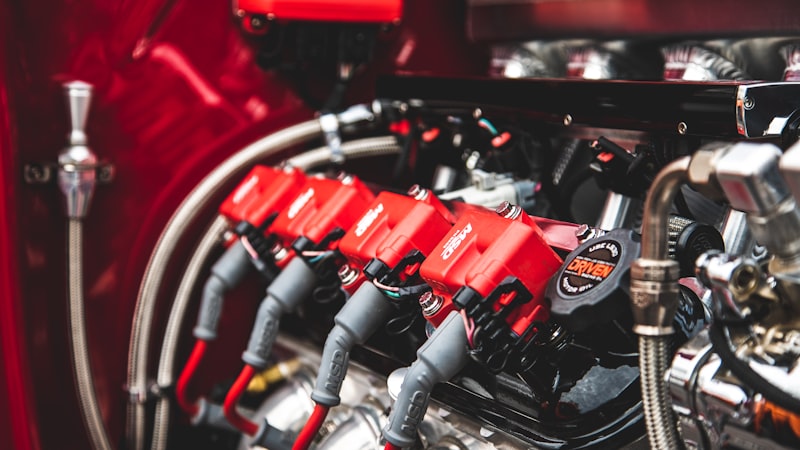
Optimizing your throttle response is not just about software. Your engine’s fuel system and internal parts must keep up with your tuning goals, especially for drag racing engines pushing the limits.
High-Performance Injectors and Fuel Pumps
High-flow injectors are vital for engines running higher boost or rapid throttle changes. They deliver precise fuel amounts instantly, preventing lean-outs that can damage your engine or cause response delays. However, too large injectors can flood the engine at idle or low load. Therefore, use modern injectors with multiple spray patterns and fast open/close times.
Upgrading the fuel pump is just as important. A pump that cannot maintain pressure under sudden demand will create a hesitation or slow response. Many racers install in-tank dual pumps or high-capacity external units to ensure reliable operation. Using a return-style fuel system, where fuel circulates back to the tank, keeps line pressure stable during rapid throttle movements.
Intake, Exhaust, and Internal Engine Components
The intake manifold and throttle body must be matched for fast airflow. Larger throttle bodies send more air when you press the pedal. Short-runner intakes reduce air travel time, increasing engine response and top-end power.
Your exhaust system also matters. Wide-diameter, free-flowing headers and pipes allow gases to exit quickly. For turbo engines, reduction in backpressure helps the turbo spool up faster—a direct benefit to throttle response.
Finally, consider lightweight internal parts such as forged pistons and rods. These allow your engine to rev up faster and reduce inertia. Some teams even lighten crankshafts or flywheels, which can shave precious hundredths off your reaction time at launch.
Because of this, a combination of hardware upgrades and smart tuning creates the most responsive and reliable setup.
Ignition System and Electronic Controls: Finetuning for Precision Response
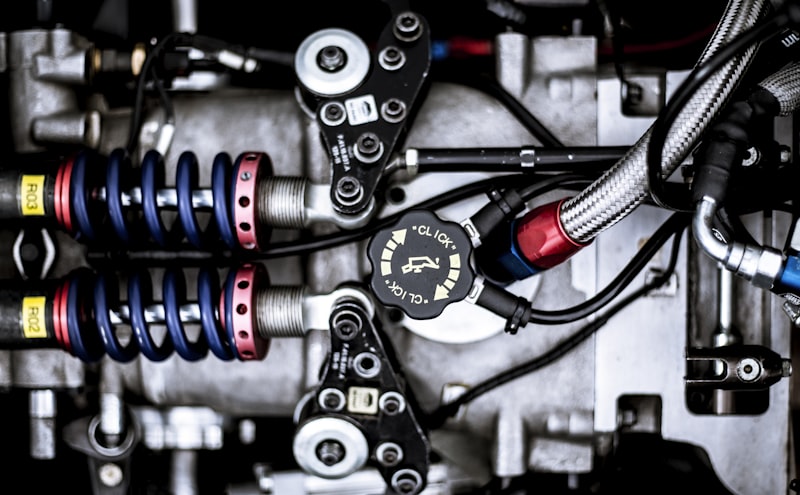
Precision electronic controls have a major impact on how the engine reacts to throttle input. While fuel and boost are critical, the ignition system and electronic settings tie everything together for ultimate drag racing performance.
Modern Ignition Control Systems
Drag engines in 2026 often feature coil-per-plug ignition systems. These setups use individual coils at each spark plug, allowing more powerful and precise spark events. With direct ECU control, tuners can adjust ignition for each cylinder and every load condition.
Upgrading to high-energy coils and race-grade spark plugs helps avoid misfires at high RPM or boost. As a result, engine response improves, especially when every fraction of a second counts during launches.
Ignition advance maps are also fine-tuned for rapid throttle changes. Some systems let you blend throttle position, boost, and even gear selection to alter timing. For example, you might run a more aggressive advance in 1st gear for a quick launch, then a safer map at higher speeds.
Throttle by Wire and Electronic Throttle Control
Most modern racing ECUs use electronic throttle, or “throttle by wire.” This system replaces a physical cable, letting the ECU precisely manage throttle plate opening.
With this technology, you can program throttle curves for different scenarios. For instance, a “drag mode” can set the throttle plate to open more quickly when the pedal is pushed, resulting in sharper response.
Because the system is fully programmable, you can also coordinate throttle with boost and timing for seamless transitions. In fact, in 2026, most high-level teams rely heavily on these electronic tricks to achieve their best 60-foot times.
Conclusion
Mastering how to improve throttle response with tuning is key to competitive drag racing in 2026. By adjusting your ECU maps, ignition, boost, and fuel delivery, you can create an engine that responds instantly to your right foot.
Tuning alone will not deliver perfect results unless you also match your hardware to your goals. This means using the right turbo, smart fuel system upgrades, and modern ignition controls.
Test, log data, and keep refining your setup. Many winning teams are those who pay the most attention to throttle response details. Start with the steps outlined above, invest in quality parts, and stay up-to-date with the latest tuning tools.
For more technical insights and practical guides, visit resources like EngineLabs and MotorTrend. Take your drag racing performance to the next level with smarter, faster, and more reliable throttle response.
Leave a Reply