

If you want to race, you must know how to pass a drag racing tech inspection. Each track puts safety first, and passing inspection is a strict requirement. This process is key to keeping drivers and spectators safe. In addition, it protects your investment and lets you focus on racing, not worrying.
Drag racing rules change with new technology and events. Because of this, you need the latest knowledge to get your car approved. This guide covers rules, gear, inspection points, and tips. Every section will help you pass easily and avoid surprises.
Understanding the Purpose and Process of Drag Racing Tech Inspections
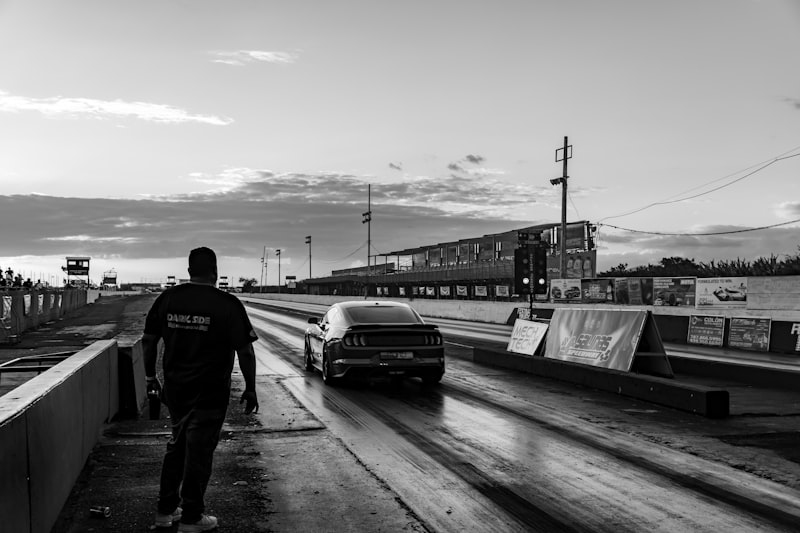
Every reputable drag racing track uses a detailed inspection process. This ensures only safe vehicles hit the strip. To pass a drag racing tech inspection, drivers must show their cars meet set rules for safety and performance.
Why Tech Inspections Matter
First, inspections keep you and others safe. In fact, according to the National Hot Rod Association (NHRA), over 320,000 racers follow strict checks each year. Problems like fluid leaks or failing brakes can cause wrecks. Inspections help find and fix these risks before racing starts.
Inspections also protect tracks and event organizers. Strict checks lower the chance of damage, injury, or liability. This means organizers can run more events and keep costs down for racers.
Finally, passing a tech inspection can save you time and money. For example, if your car fails, you may need to fix issues on-site or forfeit your entry fees. Understanding what inspectors look for prevents costly, last-minute repairs.
The Step-by-Step Inspection Process
Most tracks in 2026 follow a clear inspection routine:
- Pre-Registration: Fill out forms online or at the track. List all vehicle details and modifications.
- Arrival and Staging: Present your car in the tech area. Bring your driver’s license, car registration, and sometimes proof of insurance.
- Inspection Walkthrough: Inspectors check the car inside and out. They may ask you to activate lights, step on the brake, or open the hood.
- Approval or Rejection: If your car passes, you get a “tech” sticker or wristband. If not, inspectors list issues you must fix before racing.
- Helmet: All drivers must wear a certified helmet. Look for Snell SA2020 or newer ratings for 2026. Motorcycle helmets are not accepted.
- Seat Belts and Harnesses: Your car must have at least a factory seat belt in top condition. For faster cars (usually under 13.99 seconds), an SFI-rated harness is required. Belts should show no fraying, tears, or expired tags.
- Fire Suit and Gloves: Cars running below certain times — for example, 11.49 seconds — need fire-resistant suits. Gloves and shoes may also be required. KV and SFI tags must be visible and dates current.
- Roll Bar or Roll Cage: Faster vehicles (under 11.00 or 10.00 seconds, depending on the class) must use roll bars or cages. Welds and mounts must look solid, with padding in driver contact areas.
- Battery Hold-Down: Loose batteries are a common failure point. Use a sturdy metal hold-down to keep the battery secure in any condition.
- Drive Shaft Loop: Most tracks want a driveshaft loop on cars using slick tires or running below certain times.
- Fire Extinguisher: Quick access and correct mounting are crucial. SFI-rated handheld extinguishers are a must for many classes.
- Brake Lights: Every car must have working brake lights. Inspectors will check visibility when you tap the pedal.
- Overflow Catch Can: Many tracks require a coolant overflow tank. This prevents leaks or spills on the track.
- Hood and Trunk Latches: Inspectors check for proper latching, so replace or fix weak hardware.
- Tires: Check for dry rot, bald patches, or sidewall damage. Drag radials and slicks have separate rules, so read carefully.
- Expired or Incorrect Safety Gear: Older seat belts, helmets, or harnesses with expired tags will not pass. Make a habit of checking expiration dates before every event.
- Fluid Leaks: Oil, coolant, fuel, or brake fluid drips are big red flags. Thoroughly inspect under your car. Wipe and check all lines and hoses for leaks or cracks.
- Loose or Missing Parts: Inspectors will tug on the battery, hoses, wheels, and other items. Anything loose must be fixed right away.
- Tires Not Track-Approved: Slicks, radials, and DOT tires each follow different rules. For example, slicks may require tubes or bead locks, depending on the speed. Check the track’s tire policy well before race day.
- Non-Functional Brakes or Lights: Faulty bulbs or weak brake pads are easy to miss but will cause a fail. Replace or repair any questionable item.
- Unsecured Interior Items: Remove all loose gear, floor mats, or spare items from inside the car. These can become hazards in a run.
- Pre-Stage Bulb: Cross the first beam and this light turns on. This means you’re about 7 inches from the start line.
- Stage Bulb: Move forward until the second beam lights this up. Both cars must have staged before the countdown starts.
- Countdown Lights: On green, you go. If you move before green, you “red light” and lose the round.
- Red Flag: Stop racing immediately. Clear the track as soon as safe.
- Yellow Flag: Caution. This may signal debris or problems ahead.
- Green Flag: Go or track clear. Safe to race.
- Black Flag: Disqualified or mechanical issue. Pull to the side.
Every item on the checklist follows national rules. For example, both NHRA and International Hot Rod Association (IHRA) have detailed equipment standards. Always review the event’s rulebook before you go.
Remember, tech inspectors look for safety first — not just speed or style. Knowing this helps you prepare your car and your documents.
The Essential Safety Equipment to Pass Tech Inspection
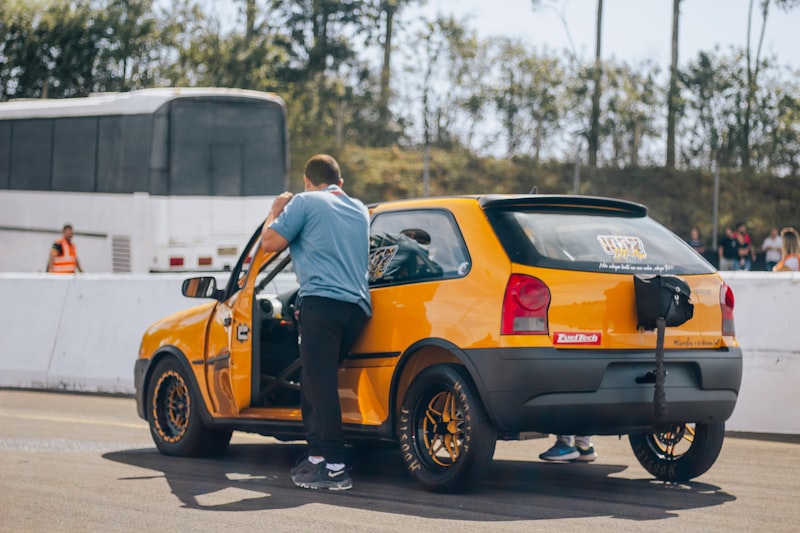
Having the right safety gear is non-negotiable when trying to pass a drag racing tech inspection. Most tracks have rules in line with major organizations, but extra safety always helps. Let’s break down the must-haves and tips for each.
Required Technical Gear
Checking your class rules before race day will help you avoid missing one critical item. Preparation shows respect for the sport and for safety.
Often Overlooked Items and Tips
While main gear gets attention, small things often trip up new racers. For example, check these before heading to the track:
Finally, bring documentation for all gear—helmet certificates, seat belt SFI tags, and even purchase receipts, if new. In addition, keep your NHRA or IHRA license handy for quick verification.
Top Reasons Cars Fail a Drag Racing Tech Inspection (And How to Avoid Them)
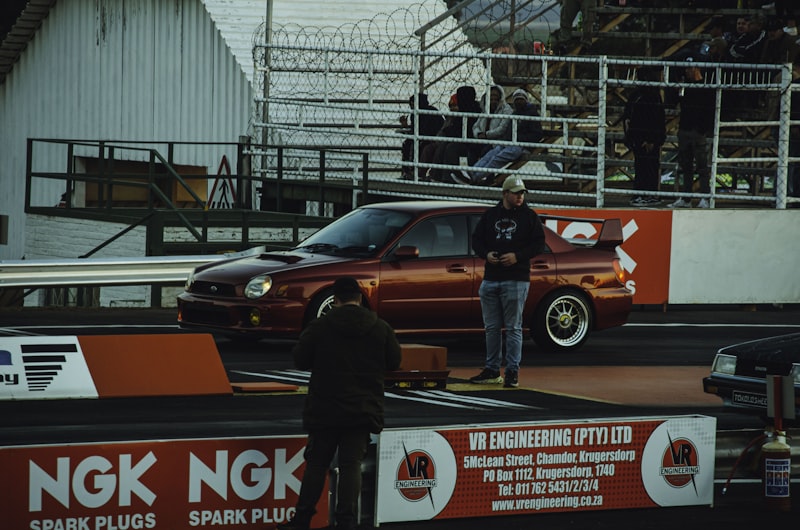
Passing a tech inspection takes more than just showing up. In 2026, experienced inspectors know the weak spots that cause racers to fail. If you build, modify, or prep your car yourself, pay attention to these common mistakes.
Most-Common Reasons for Failure
Proven Ways to Prepare and Pass
First, create your own pre-inspection checklist based on your class rules. For example, make a list for each required gear item.
Second, arrive early to avoid rushed mistakes. Early arrivals have more time to fix any surprise issues without missing your class.
In addition, many tracks post their detailed tech checklists online. Study the list and even print it out. The NHRA, for instance, updates their official safety rules every year.
Practice a full inspection at home with a friend or teammate. Go step-by-step and use a flashlight and mirror to check hard-to-see areas. This practice can expose leaks, old parts, or gear you forgot you needed.
Rules of the Track: Procedures, Flags, and Lights Every Racer Should Know
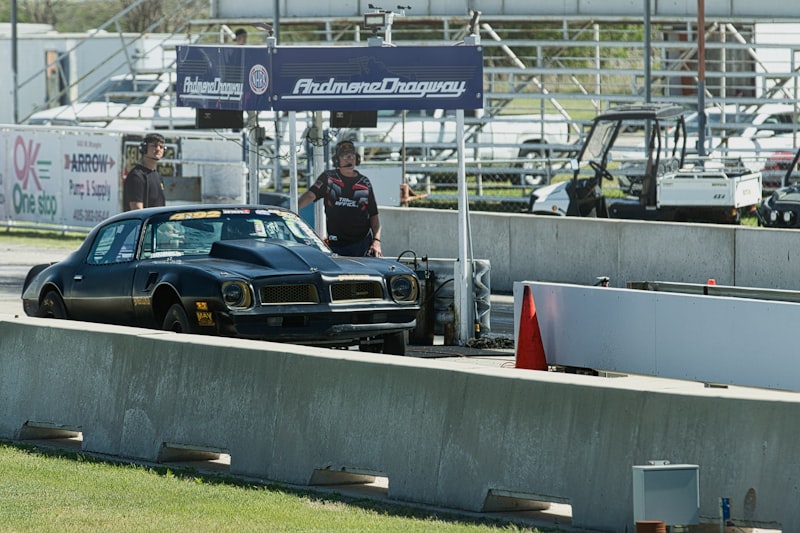
Knowing how to pass inspection is only part of the safety system. Track rules for staging, signals, and procedures are just as critical. These rules guide every racer from staging lanes to the finish line. Understanding them not only keeps you safe but also helps you compete fairly.
Staging, Pre-Stage, and Launch Procedures
Staging is when you line up at the start before a run. Most tracks use a system called the “Christmas tree.” This series of lights tells you when to get ready and when to launch:
Waiting for the tree and following exact procedures is important. Jumping the gun can disqualify even if your car is perfect.
Track Flags and Their Meanings
While lights do most of the work, some tracks still use flags for extra safety. Understand each signal:
Most modern venues use lights for most signals. However, being familiar with old-school flags keeps you adaptable.
Pit Area and Shutdown Rules
After a run, you must know where and how to exit. Follow posted signs and staff directions. Never stop or turn around on the track—wait for the designated exit area.
Always obey pit speed limits and watch for other vehicles or people walking. Safety gear—like helmets—must stay on until you reach the pits.
In summary, know the whole race process. From tech check to shutdown, safety depends on following every rule closely.
Advanced Tips for Tech Inspection Success in 2026
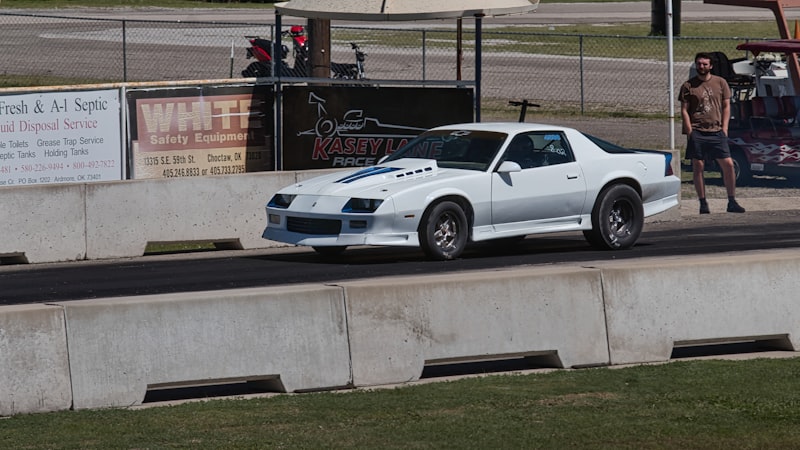
After you learn the basics, some smart steps can make your race day even smoother. Many experienced drag racers follow extra routines to avoid surprises and sail through inspection.
Digital Paperwork and Smart Preparation
For 2026, many tracks now use digital tech forms. Submit your car details online before the event. Email records or photos of safety gear also speed up the process at some venues.
In addition, use checklists and digital reminders. Apps for racers, such as RaceHero or DragRacing365, let you track gear maintenance, update inspection results, or even set alerts for expiring safety gear.
Pre-Race Maintenance Routine
Do a full deep clean and nut-and-bolt check. Wipe down paint, lights, and windows. For example, a spotless car is easier to inspect and shows respect for tech officials.
Check the torque on all wheels. Inspect brake pads and flush fluids if needed. Grease all fittings and check for unusual noise or vibration. All these steps help you spot potential safety issues before they become problems.
Networking With Track Officials
Treat safety staff with respect. Ask questions if you’re not sure about any rule. Many experienced racers even attend tech seminars or practice days before a big race.
Follow safety forums and read blogs, such as NHRA Tech Q&A, for news or recent rule changes. In fact, this extra homework can set you apart from other racers on race day.
Handling Special Builds and Modifications
If you have a unique build—turbo swaps, electric conversions, or custom chassis—call the track ahead of time. Ask for a pre-race appointment with the chief inspector. This avoids confusion and ensures your build fits all current rules.
Finally, always bring backup parts, fuses, bulbs, tape, and tools. If you need to fix a minor issue before your round, speed is crucial. In fact, this habit is common among champion racers.
Conclusion
Learning how to pass a drag racing tech inspection is more than just checking boxes. It’s about respecting safety, following the rules, and caring for your fellow racers. By understanding inspection basics, gathering required gear, and following track procedures, you put yourself in the best spot to compete.
In 2026, the tech process gets easier with digital tools and clear rules. Check your race class, read event documents, and ask questions if needed. Don’t wait for race day to check your car—start now and enjoy worry-free runs.
Ready to hit the strip? Take these steps to heart, and you’ll pass inspection with confidence. Visit your track’s tech page and put the checklist to work—your next event is waiting!
Leave a Reply