

Learning how to maintain a street drag car build is key for any car enthusiast looking to enjoy reliable street performance and safe quarter-mile runs. This approach ensures that your budget street drag build stays legal, safe, and ready for both daily driving and weekend races. Saiba mais sobre Street Drag Car Weight.
Street builds face unique challenges. They must balance power with street legality and reliability. In addition, many first-time builders underestimate the ongoing care needed to keep these cars on the road.
In this in-depth guide, you’ll discover practical maintenance routines, part checks, and budget-friendly strategies. These tips will help keep your streetable drag project in peak shape throughout 2026 and beyond.
Essential Maintenance Routines for Street Drag Car Builds
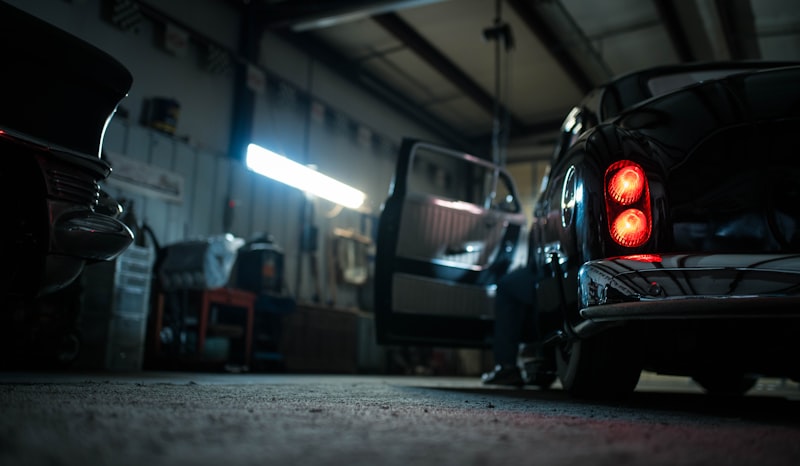
Knowing how to maintain a street drag car build starts with regular, targeted maintenance. Street-driven drag cars face higher stresses than regular vehicles. They often run on modified engines, upgraded drivetrains, and stiffer suspensions. Therefore, a simple oil change schedule is not enough.
For example, the engine oil should be checked every 1,000 miles or after every race session. Many builders use high-zinc racing oil, which can protect flat-tappet cams. However, this oil can break down faster than regular oil. That’s why checking color, level, and viscosity is crucial. In addition, always replace the oil filter when you change the oil.
Transmission fluid is another critical item. Drag launches and manual gear shifts generate heat and wear. If your build uses a performance transmission or an aftermarket converter, inspect the fluid every month. Fluid should be red or pink and free from a burnt smell.
Suspension and steering parts take a beating on the drag strip and rough street roads. As a result, tie rods, bushings, end links, and control arms wear faster. Use a grease gun on all serviceable suspension points every 1,000 miles. Check for looseness or damage after each track day.
Brakes are a key safety element for street-legal drag builds. Upgraded brake pads and rotors improve performance, but heat cycles can cause cracks and fade. In fact, you should check brake pads for uneven wear every two weeks. Replace pads if they fall below 3mm of thickness.
Tires must be checked frequently, both for tread wear and sidewall cracking. Drag radials wear quickly on the street. Therefore, measure tread depth at least monthly. Replace tires if you see cord showing or if tread drops below 2/32 inch.
Lastly, maintain a detailed logbook for all maintenance tasks. Write down oil changes, part swaps, and race sessions. This habit helps spot patterns and plan future repairs.
Street-Driven vs. Dedicated Drag Builds
Unlike a full-time race car, a street build faces potholes, stop-and-go traffic, and temperature swings. Therefore, you must pay attention to both performance and comfort. Using the right mix of race and street fluids, as well as checking belts, lights, and emissions equipment, helps keep your build legal and reliable.
Key Checks for Reliability and Safety on the Road
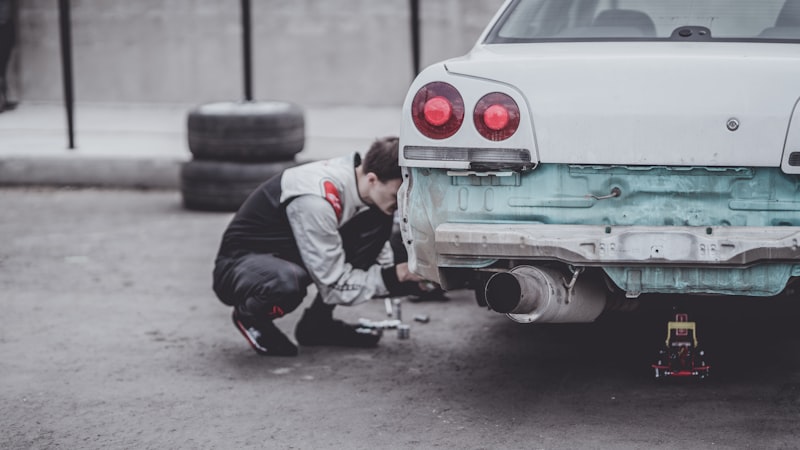
One essential part of how to maintain a street drag car build involves frequent reliability and safety checks. Drag car parts can handle high power, but may not last as long under daily use. Saiba mais sobre How to Increase Horsepower.
Start with a battery and charging system inspection. Upgraded ignition or fuel systems put more stress on your alternator and battery. Therefore, test voltage output every month. If the voltage drops below 13 volts while running, check for loose connections or replace the alternator.
Cooling is another big concern. Many street-ready drag builds use aluminum radiators and electric fans. These improve cooling but need special care. In fact, check coolant levels and radiator hose clamps before every drive. For builds with electric fans, listen for smooth operation. Replace fans that make noise or fail to engage.
Fuel systems deserve more attention in a street drag build than in a stock vehicle. Aftermarket pumps and filters need regular checks. Check all lines for leaks and cracks, because race fuel can dry out rubber quickly. Inline fuel filters should be replaced every 3,000 miles or sooner if flow drops.
Wiring can become a major issue over time. Added gauges, fuel pumps, and fans create more stress. In fact, loose or broken wires can sideline even the best builds. Spend time every month checking main grounds, relay boxes, and fuse blocks for signs of corrosion or heat. Zip-tie loose wires and keep harnesses away from heat sources.
Lighting and signals must remain functional. In most states, street-legal drag cars require all lights and turn signals to work. Always check bulbs and wiring, especially after track days.
Chassis and body mounting points take abuse from hard launches. Inspect subframe connectors, roll bars, and body mounts for cracks or fatigue every few months. Welded joints should show no signs of rust or flex.
Finally, if your build includes a roll cage or harnesses, inspect for SFI or NHRA certification stamps. Harnesses usually expire every two years. Replace them as needed to stay compliant and safe.
Affordable Maintenance Tips for Budget Street Builds
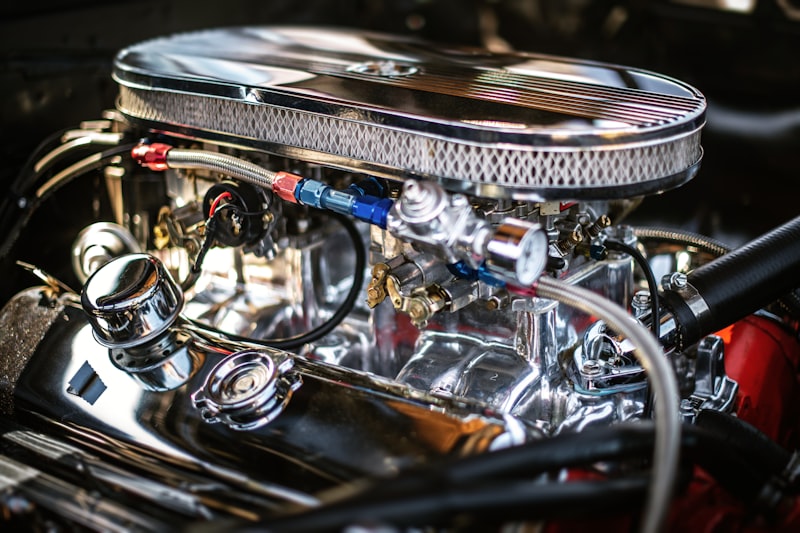
Maintaining a street drag car build on a budget is possible with smart choices. You do not need endless funds to keep your project running. Prioritize tasks that give the best reliability and performance for your dollars. Saiba mais sobre Street Drag Car Builds.
First, source quality but affordable maintenance parts. Many top brands, like Fel-Pro and NGK, offer excellent gaskets and plugs at fair prices. Use local parts stores or reputable online platforms. In addition, factory maintenance items (oil filters, fluids) often work as well as “drag-spec” products for street use.
Tools are a smart investment. As a result, owning a torque wrench, grease gun, and code reader saves money over time. These tools help spot issues early and prevent bigger failures.
DIY inspections and repairs can save hundreds of dollars each year. Learn to check fluid levels, change spark plugs, and adjust belts yourself. Free online resources and videos offer step-by-step guides. For example, Summit Racing’s tech articles cover basic maintenance for modified cars.
Preventative care matters more on a budget build. For example, changing fluids sooner than recommended helps avoid engine failure. Checking tire pressures before every drive not only improves safety but also extends tire life.
In addition, buy essential spares. Keep extra belts, hoses, and relays in your trunk or garage. Emergencies happen, and having spare parts reduces downtime.
Join a local drag racing or street build community. Members often share parts, tools, and advice. Because of this, you can avoid costly mistakes and enjoy group discounts.
Budget builds can last many years with careful attention. Choose upgrades that improve both performance and reliability. For instance, a mild cam and quality radiator can offer more durability than high-strung parts that wear quickly.
Street-Legal Compliance and Emissions for Daily-Driven Drag Cars

Street drag builds must stay legal to avoid fines and enjoy daily driving. Therefore, understanding local vehicle codes is key. Every state has different rules about noise, emissions, and safety.
First, check your local Department of Motor Vehicles (DMV) requirements for modified cars. In some states, emissions testing is strict. You may need to install a catalytic converter or pass a visual inspection. Using high-flow cats or emission-legal headers helps you stay street-friendly without losing much power.
Noise laws also matter. Drag-style exhausts can be loud and attract police attention. In fact, many cities measure noise at idle and high rpm. Consider a muffler or resonator if you often drive on public roads.
Lighting and glass upgrades must meet federal standards. Use DOT-approved headlights, turn signals, and mirrors. Tinted windows should stay within legal limits.
Insurance is a final concern. Many insurance companies prefer “street builds” over full-race cars. Therefore, keep receipts and document every modification. Safe and legal builds are easier to insure.
Inspections are sometimes required after major upgrades. For example, some counties recheck vehicles after engine swaps or roll cage installation. Plan ahead to schedule inspections if your area requires them.
Finally, always carry basic tools and emergency supplies in your trunk. A tire repair kit, flashlight, and spare fuses reduce the risk of getting stranded.
When in doubt, ask a local shop or drag racing club for advice. Local knowledge often speeds up the process of staying both legal and race-ready. For more about state regulations, see the National Highway Traffic Safety Administration website for updated federal standards.
Conclusion

Learning how to maintain a street drag car build is essential for reliable street use and race-day performance. By following a focused maintenance plan, you avoid costly breakdowns and enjoy more time behind the wheel.
Set a strict schedule for fluid changes, safety inspections, and tire checks. Keep all documentation for repairs and upgrades. Join a local builder’s group to get support and share knowledge.
In summary, attention to detail and routine maintenance will keep your streetable drag project on the road for years. Whether it’s your first build or a new project for 2026, these best practices give the best value and results. Start building your own maintenance log today, and take your street drag car to the next level.
Leave a Reply