

If you are looking for a list of essential drag racing safety equipment for 2026, you are in the right place. Understanding which gear is required—and why—helps racers stay safe and follow track rules. Saiba mais sobre Drag Racing Safety Gear.
Many new racers think drag racing is only about speed. However, strict rules about safety equipment are just as important. Every track and sanctioning body has detailed requirements. These exist to prevent injuries and save lives.
This article explains the must-have safety gear for drag racers. We cover personal protection, in-car safety systems, fire gear, and compliance equipment. We also connect these rules with the overall process of getting ready for the track. Following the guidelines here will help racers avoid penalties and, more importantly, keep them safe.
Key Elements in the List of Essential Drag Racing Safety Equipment
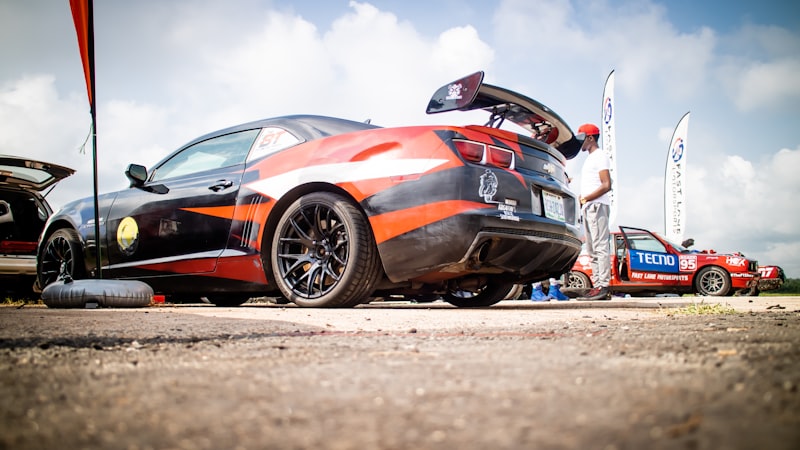
To start, almost every drag racing rulebook lists a core set of safety equipment. These items protect the driver, minimize fire risks, and ensure quick response if something goes wrong. Because of this, understanding each component—and how it fits with rules and procedures—is critical.
For example, the driver’s helmet does not simply protect against bumps or scrapes. According to the National Hot Rod Association (NHRA), only helmets certified by Snell or SFI are allowed for competition. They are also inspected before each run. Therefore, racers must know the current helmet standards, such as Snell SA2020.
Similarly, fire suits are not just for show. NHRA tracks require fire-retardant suits for most classes. For faster cars, these suits need higher SFI ratings. Each piece, from gloves to shoes, must meet a minimum standard. In 2026, regular inspections are common before racers are even allowed to stage.
Next is the roll cage or roll bar. Most tracks require a roll bar for cars running faster than 11.49 seconds in the quarter-mile. These structures must meet specific construction standards, including tubing diameter and welding type. Because of this, nearly every track tech crew checks roll bars and cages as the first step.
Fuel shut-off systems and fire extinguishers form another group of required gear. These are expected in all cars exceeding the basic street class. In recent years, NHRA tracks have increased spot-checks of fixed extinguishing systems and the driver’s access to emergency shut-offs.
In summary, the main categories of drag racing safety equipment are:
- Helmets (Snell or SFI rated)
- Fire-retardant suits (with SFI certification)
- Gloves, shoes, and balaclavas (with fire protection)
- Roll bars or roll cages (per ET and mph)
- Seat belts or harness systems (SFI-certified, with regular replacement)
- Arm restraints (for open-body or convertible cars)
- Emergency shut-offs and fire extinguishing systems
Each item on this list functions as part of the whole safety system. In addition, each is checked during technical inspections to ensure compliance.
Track Safety Rules and Gear Inspection
All tracks have a dedicated team to check the required safety gear before any run. In fact, many facilities will not let a racer stage without passing this inspection. For example, your helmet and belts are tagged, checked for date compliance, and examined for visible damage. Tracks may also ask to see the expiry date of fire suits and SFI harnesses. Therefore, racers need to bring all documentation for their equipment.
Personal Protective Equipment for Drag Racing
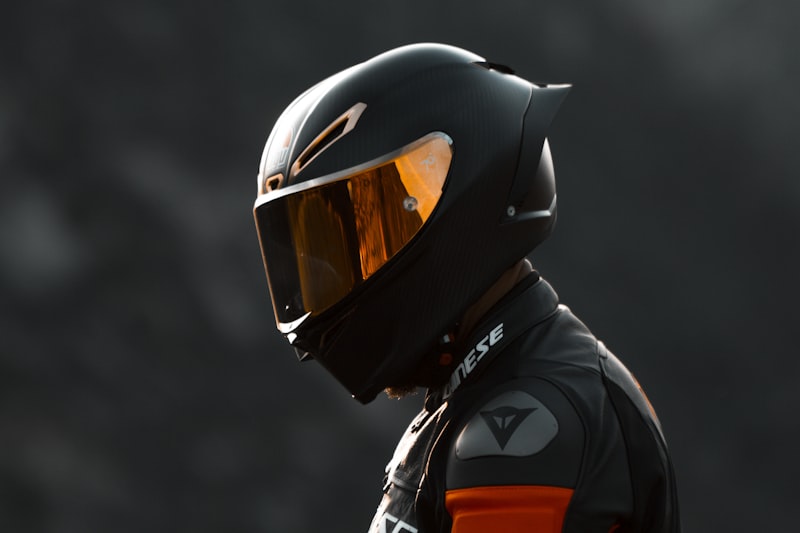
Personal protective equipment stands as the most visible part of the safety process in drag racing. Not only does the right gear shield you from fire and impact, but it also ensures legal compliance with track rules.
First, let’s look at helmets. As of 2026, racers are required to use helmets certified with Snell SA2020 or SFI 31.1 ratings. These helmets offer protection against both impact and fire. In addition, many sanctioning bodies require face shields or balaclavas rated for fire safety. Without a properly rated helmet, drivers cannot pass tech inspection.
Fire suits come next. Drag racers must wear suits with an SFI 3.2A (or higher) rating, based on vehicle speed. For cars running 10 seconds or faster in the quarter-mile, multi-layer suits are usually required. The SFI tag—often sewn on the sleeve or collar—shows that the item passed industry fire tests. Regular washing and inspection keep these suits effective.
Gloves and shoes are just as important. Most tracks require SFI 3.3 gloves and boots. These are designed to protect hands and feet from flash fires. Because fires can happen quickly, having full-coverage on exposed skin is crucial. In fact, some tracks will not allow racing without proof of the SFI 3.3 tag on gloves and shoes.
Seat belts and harnesses are another lifesaving measure. Five-point harnesses with SFI 16.1 or 16.5 certification are now standard in most classes. These belts must be replaced or recertified every two years to stay legal. Many racers mark the expiration date directly on their harness as a visual reminder.
Arm restraints complete the package for open cars or convertibles. These keep the driver’s arms inside the cockpit in case of a crash or rollover. For example, all roadsters or dragsters competing at official NHRA events must wear arm restraints, even in lower ET classes.
Using all mandatory safety equipment is not just about following rules. In fact, it is about maximizing each driver’s chance of walking away safely from an incident. As a result, every sanctioning body makes gear checks part of the tech inspection process.
In-Car Safety Systems and Chassis Protection
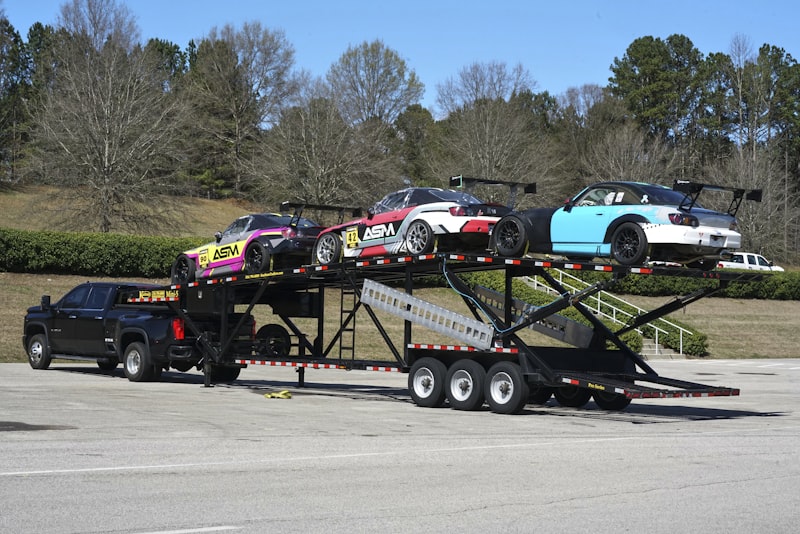
The next stage of drag racing safety involves the vehicle itself. In other words, it’s not enough for the driver to wear the right gear. The car also needs dedicated systems to prevent severe injuries in case something goes wrong.
First, roll bars and roll cages provide the most basic form of crash protection. Vehicles that run faster than 11.49 seconds in a quarter-mile must have, at minimum, a roll bar. Faster cars—such as those running below 9.99 seconds—require a full cage. Drag racing organizations like the NHRA publish guidelines about tubing thickness, weld quality, and main hoop position. Failure to meet these standards can result in a failed inspection or even disqualification.
Next, window nets and side restraints help keep the driver inside the car. For cars with full cages, window nets are required to protect the torso and head during a roll. These must be SFI-certified and replaced based on the manufacturer’s recommendations. Most tracks will check the net’s condition before each race day.
Fuel shut-off valves and battery disconnect switches allow quick power or fuel cut in an emergency. Most sanctioning bodies now require easily reachable shut-offs, both for the driver and for emergency staff outside the car. As a result, many racers install large, clearly labeled battery and fuel shut-off switches on the rear and inside the cockpit of the car.
Fire suppression systems are rapidly becoming standard in faster classes. Rather than relying only on handheld extinguishers, many racers use onboard fire systems with nozzles that spray the engine bay and driver compartment. These are usually SFI 17.1 rated and must be professionally serviced before each season. Some tracks even require an activation pull cable accessible from outside the vehicle.
Because accidents at high speed can cause fuel spills, specialized fuel cells are also mandatory for most cars faster than 10.00 seconds. These cells use inner bladders and secure mounts to reduce the risk of leaks or explosions.
In fact, many drag racing organizations have increased technical inspections of these systems in recent years. For example, at large NHRA or IHRA events, tech teams look for up-to-date SFI tags on cages, nets, and suppression systems before issuing a tech card.
Each piece of in-car safety equipment works as part of a larger system. If one component—like a fuel shut-off or roll bar—is missing or out of spec, tech inspectors can deny access to the starting line.
Fire Safety Gear: Suits, Extinguishers, and Suppression Systems
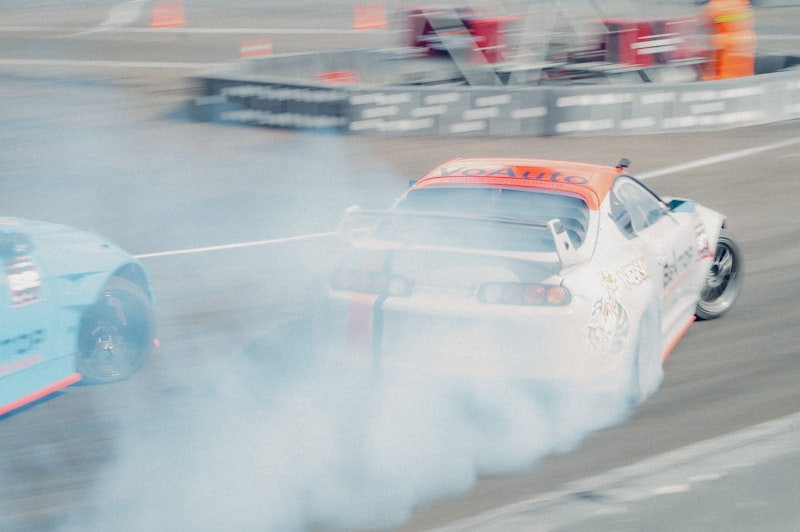
Fire risk is a constant concern in drag racing. Because of this, fire safety gear makes every essential list and is a central part of official rules.
Drag racing fires can start in seconds. Fast cars, high-octane fuels, and hot engine parts increase the danger. Therefore, sanctioning bodies like NHRA and IHRA require specialized fire suits in most classes. These are not the same as the fire-resistant gear used in street cars. Instead, they are tested to strict SFI standards, like SFI 3.2A/5 or higher. Each piece—jacket, pants, gloves, shoes—needs a visible SFI tag. If any tag is missing or out of date, the driver will not be allowed to run.
Fire suppression systems are now required in cars running 8.59 seconds or faster in the quarter-mile, or exceeding 150 mph. These systems use nozzles to spray fire retardant material in key engine and cockpit areas. Racers must mount the activation handle within reach of the driver and sometimes place an external lever so marshals can use it. Inspections check activation cable operation and pressure levels every season.
Handheld fire extinguishers are still common. In fact, many entry-level and sportsman classes require a quick-release mount for a 2.5-pound minimum ABC extinguisher. Regardless of level, these need a current inspection tag, clear gauge, and fast release system.
Balaclavas and head socks further protect exposed skin around the helmet and neck. Tracks require SFI 3.3 headgear, especially in classes where the helmet does not cover the entire face.
Drivers must check all fire gear before every event. Regular cleaning and inspection for tears or damaged seams help ensure every piece still works as designed. Every year, a handful of drivers are denied a run because their fire suit, gloves, or extinguisher are out of date.
While mechanical breakdowns can cause fires, electrical systems are often the culprit as well. In addition, NHRA recommends using fire-retardant sleeves on exposed wiring and battery cables. Class rules usually describe how to route and protect wires to minimize short risks.
Therefore, fire preparedness is as critical as any speed or tuning effort. Skipping or delaying fire safety equipment updates is simply not worth the risk.
Drag Racing Track Procedures: Compliance and Inspection
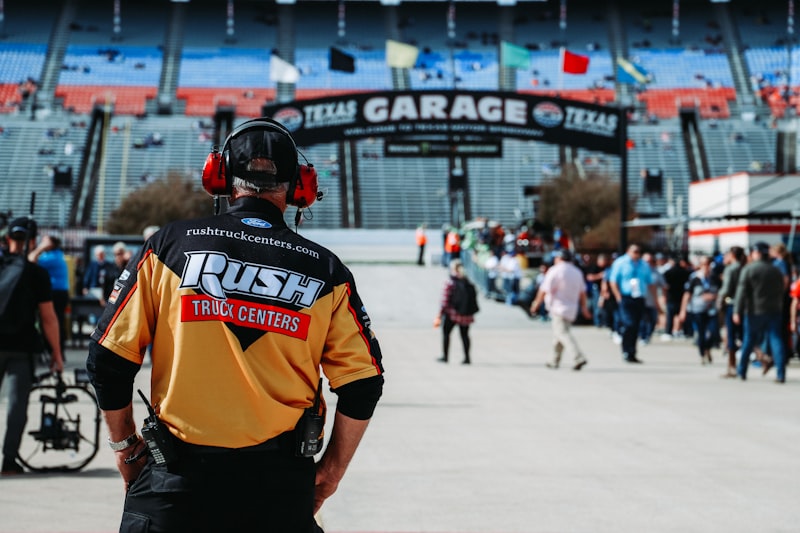
Every drag racing event starts with a technical inspection. The focus is not only on the car’s performance but on strict safety rules as well. The approach here helps ensure that all racers protect themselves and others.
First, racers line up and present their cars and safety gear for tech review. The officials check all components on the list of essential drag racing safety equipment. They verify helmet labels, fire suit tags, harness condition, extinguisher status, and the condition of cage welds.
Many tracks use colored wristbands or tech cards to indicate the vehicle’s inspection class. As a result, drivers not passing inspection may not compete or may be restricted to slower brackets until issues are fixed.
For example, tech staff test battery and fuel shut-offs with the engine running. If the switches fail or are hard to reach, the driver will be asked to fix the problem before staging. Similarly, seat belt tags are checked for SFI certification and expiry.
During racing, track officials monitor safety gear compliance at the staging lanes. Missing window nets, loose belts, or non-SFI gloves are common delays for new drivers. In addition, many tracks now require a final “spot check” right before a run, which catches late-entry oversights.
Flags, lights, and emergency response teams are also important parts of the system. Tracks have trained personnel and equipment on hand at every event. When something goes wrong, quick action by safety teams can be lifesaving.
Because of these procedures, most serious injuries in drag racing are now rare. The system is designed with layers—each piece of safety gear works with tech inspection and emergency crew support. For current rules and procedures, always check with your track’s official rulebook and guidelines.
Conclusion
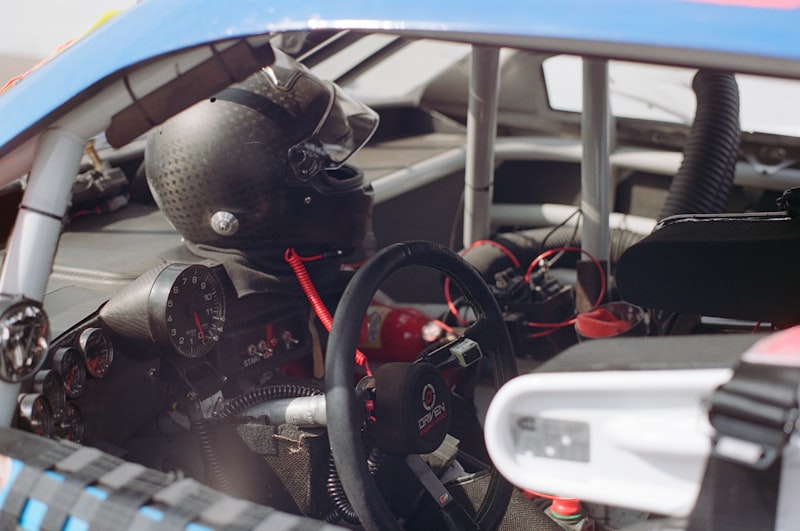
Staying safe in drag racing takes more than just owning a fast car. The list of essential drag racing safety equipment covers everything from helmets and fire suits to roll cages and suppression systems. Each item is tested, checked, and required for good reason.
Most tracks have strict inspection steps that keep everyone honest—and safe. Therefore, knowing current rules and gear standards will help you race with confidence in 2026.
Review your safety setup before race day. Replace any expired or damaged gear. If you’re not sure about compliance, ask your local track’s tech inspectors for clarification. Your life, and the lives of others, depend on it.
To find out more about safety gear requirements and the latest track procedures, visit the NHRA’s official safety rules page before your next event. Stay safe, and enjoy the thrill of the quarter-mile—smart, prepared, and protected.
Leave a Reply