


Street drag car weight reduction tips can make a huge difference in both performance and safety. When building a street-legal drag car, lowering weight is one of the most cost-effective upgrades. In fact, smart weight savings can help your car accelerate faster, handle better, and even use less fuel.
Many street builds and budget drag racing projects focus on power, but often overlook the benefits of a lighter chassis. However, making your car lighter is just as important as adding horsepower. In this guide, you’ll get proven techniques to reduce weight without sacrificing reliability or breaking the bank.
The Benefits of Reducing Weight in Street Drag Cars

Reducing weight is not just about going faster. It also affects every aspect of your ride. Weight reduction means your car can accelerate quicker, brake with less effort, and handle turns with more grip. For every 100 pounds lost, you can expect a drop of around 0.1 seconds in quarter-mile time. Therefore, even small savings add up.
Lighter cars put less strain on brakes, tires, and suspension. As a result, parts last longer and maintenance costs drop. In addition, a well-balanced, lighter car is safer and easier to control during emergency situations. For street builds, keeping your car street-legal while saving weight is key. You must meet local regulations, but you can still optimize your car. Veja tambem: Step by Step Street Drag Car Build Process: A Complete Guide.
Another major benefit is price. Unlike some horsepower upgrades, many weight reduction methods cost little or nothing. For example, removing unnecessary interior trim or replacing heavy steel parts with lighter aluminum saves weight with basic tools and time. Each pound matters when you’re chasing milliseconds at the strip. Veja tambem: How to Maintain a Street Drag Car Build: Proven Guide for 2026.
Let’s look at practical examples. The 2023 Ford Mustang GT weighs about 3,743 pounds stock. By removing items like spare tire (30 lbs), back seats (40 lbs), and swapping to lightweight wheels (save up to 20 lbs per wheel), you could trim almost 200 pounds. On a budget, this can cost under $500 and take a weekend. Similar savings apply to many street drag builds.
For more detailed data on the impact of weight reduction, check respected authorities like the National Hot Rod Association or performance guides on Motor Trend. These show real-world results from club racers and street car enthusiasts.
Keeping weight down helps you meet class rules and keeps your build competitive. As a result, you get more fun and more wins without emptying your wallet.
Why Street Builds Need a Smart Approach
Street-legal drag cars come with unique challenges. Unlike pure race cars, you must keep certain parts for safety and legality. For example, in most states, headlights, wipers, and seat belts are required. Because of this, the ideal strategy is to save weight where it won’t affect daily use or legal inspections. Next, we’ll dive into targeted tips you can apply to your street build.
Affordable Interior Weight Reduction: Where to Start

Many of the best street drag car weight reduction tips start inside the car. The interior is full of items you don’t need for racing. On the other hand, you still need to keep your car street-legal and at least somewhat comfortable.
First, remove all loose items and clutter. Floor mats, trunk contents, and random items can add 20-30 pounds or more. Emptying the car before a track day is free and takes minutes.
Second, focus on the rear seats. Most street builds can lose these safely, dropping 30 to 50 pounds. However, always check if your state or race class allows this. In some areas, you need rear seats for street use, so consider lightweight seat replacements if needed.
Next, look at sound system components. For example, high-powered amplifiers, large speakers, and subs can easily weigh 30 to 60 pounds. Swapping the stock stereo for a compact head unit or removing rear speakers saves weight fast.
Interior trim is another target. Some drag enthusiasts remove door panels, carpet, or center consoles, especially for weekend-only cars. Because of this, you could cut another 20 to 40 pounds, but you lose some comfort and noise control.
Replace front seats with lightweight racing buckets. Factory seats are often heavier than they look—up to 50 pounds each. Good aftermarket race seats can weigh under 20 pounds while still being comfortable and safe.
Finally, swap your factory steering wheel for a lighter aftermarket wheel with an airbag. This helps if allowed by law. However, keep airbags if your car is daily-driven or required by inspection.
One note: If you daily drive your drag car, keep comfort, safety, and durability in mind. Therefore, avoid sharp edges, exposed metal, or any changes that make the car unsafe. In summary, the interior can be a gold mine for easy, affordable weight loss.
Exterior Upgrades and Lightweight Components
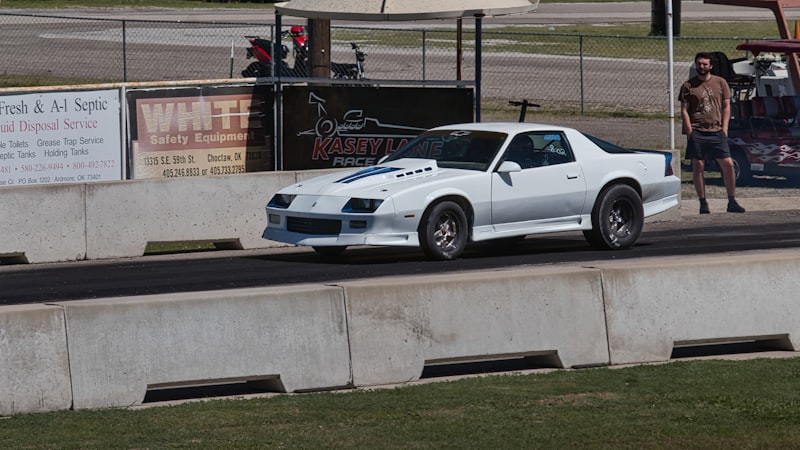
In addition to interior changes, the exterior parts of your street car offer excellent weight-saving chances. Every pound that you cut from the body or suspension means better times at the track.
For example, factory hoods and trunks are usually made of steel. Swapping these for fiberglass or carbon fiber aftermarket versions can save 20 to 50 pounds per panel. These upgrades aren’t just for high budgets—many options fit budget builds.
The same goes for fenders and bumpers. Replacing steel body parts with lighter materials cuts weight, especially in the front of the car. This helps weight distribution and traction during hard launches.
Wheels and tires are often overlooked. However, lighter wheels mean less rotating weight. Each pound you lose here counts for double the impact. Forged wheels or aluminum drag wheels can trim 10-25 pounds per corner over stock. Select simple wheel designs, as every ounce matters.
Exhaust upgrades are also effective. Factory systems are heavy, often made from thick steel. Replacing these with stainless or titanium pipes drops up to 30 pounds. In addition, aftermarket headers and muffler deletes (where legal) give power as well as weight reduction.
Glass is another hidden opportunity. Some classic street builds swap out side and rear windows for polycarbonate. This can cut 30-50 pounds, but may not be allowed in some street classes. As a result, always review the rules for your state.
If your car has unnecessary external accessories like roof racks, spoilers, or running boards, take them off. In fact, most of these parts add more weight than they give in downforce or style.
You can even save weight under the paint. For serious drag projects, some remove undercoating and insulating tar from the chassis. This job is labor-intensive but saves 10-40 pounds, depending on the car.
In summary, external changes can make a big difference without hurting how the car looks from the outside—if you choose your upgrades wisely.
Drivetrain and Mechanical Weight Reduction

Mechanical parts offer many options for smart weight savings. The engine, drivetrain, and suspension parts are ripe for improvement in your street build.
Start with the battery. Factory lead-acid batteries are heavy—often 35 pounds or more. Upgrading to a lightweight lithium-ion battery can save up to 20 pounds with the same reliability. In addition, moving the battery to the trunk can improve weight balance and traction.
Consider the driveshaft. Many street-driven drag cars replace steel driveshafts with aluminum or carbon fiber alternatives. For example, a two-piece steel shaft might weigh 35 pounds, while a one-piece aluminum one is only 15-20 pounds. This doesn’t just save weight; it also reduces rotational mass, leading to quicker acceleration.
Rotating weight is critical. Lighter brake rotors, axles, and hubs help, especially on drag-oriented cars. However, ensure you don’t sacrifice strength for weight. Use parts rated for your car’s horsepower and track use.
Pull unneeded emissions equipment—if legal for your region. Charcoal canisters, some catalytic converters, and old smog pumps are not needed if your build qualifies as exempt or off-road only. Always check emissions laws. Illegal removal has big fines and is not worth the small weight saved for most street builds.
Another trick: Remove spare tires, jacks, and heavy factory tool kits. This is a common, zero-cost upgrade that instantly saves 20-40 pounds.
Switch to aluminum intake manifolds and lighter pulleys where possible. Many aftermarket parts offer both better flow and less weight compared to stock. Water pumps, alternators, and AC compressors are all good candidates.
However, don’t cut critical systems. For street builds, keep power steering, lights, wipers, and important cooling upgrades. Safety, comfort, and legal requirements come before ultimate weight loss.
Finally, pay attention to fluids. Running the minimum safe amount of fuel, oil, and coolant for your use case can cut 10-30 pounds. Never go below safe levels, but avoid carry extra if it’s not needed for a drag pass or short trip.
Balancing Safety, Street Legality, and Weight Reduction
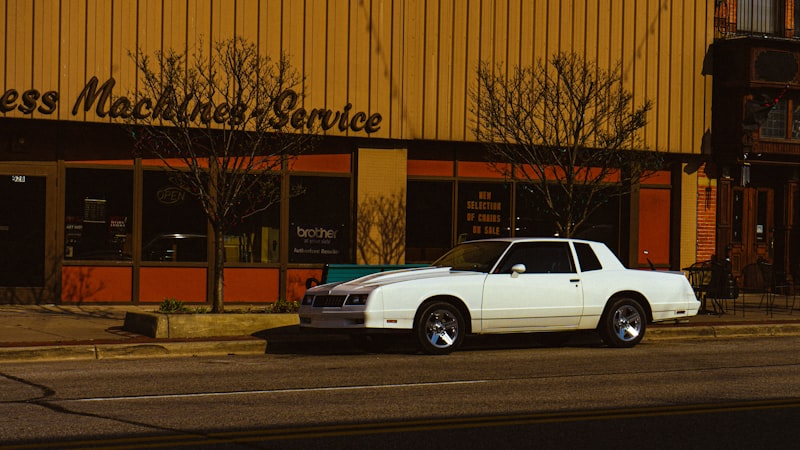
Because you want a fast street drag car, it’s easy to take weight reduction too far. However, you must always balance safety and legal rules against performance.
First, check your local DMV and race class rules. Running without required equipment (like airbags, emissions systems, or seat belts) can result in tickets, failed inspections, or banned entries at the drag strip. Keep the car legal for your region’s guidelines.
Safety is non-negotiable. For example, seat belts, airbags, and roll bars all add some weight but are vital. A rollover or high-speed crash can be deadly without correct protection. In fact, many drag strips require a roll cage for any car running below a certain ET (elapsed time), even for street cars.
If you want weight reduction but still drive daily, keep some comfort features like AC or heat. Removing everything can make your car unusable for regular use. Instead, focus on lightening parts that add little to your day-to-day driving, like extra seats or non-structural trim.
Some street drag builds use bolt-in roll cages. These provide safety and strength for the strip while being removable for street use or inspection. Ask your inspector to verify what is allowed.
Never drill holes in your frame or weld lightweight parts without proper support. Structurally weakening the car can be dangerous. Instead, look for lighter replacements from trusted brands.
When replacing heavy factory components, match the part’s rating to your car’s weight and power. For example, racing brake rotors or control arms save weight, but must fit your car’s intended use.
Finally, double-check modifications for noise, vibration, and harshness. Many weight reduction steps, like removing sound deadening, make the car louder and less comfortable. Decide what trade-offs are worth it for your goals.
When in doubt, ask experienced racers or builders for guidance. Online communities like Grassroots Motorsports are great places to learn from street-legal drag builders.
Conclusion

In summary, smart weight reduction is the secret weapon for a winning street drag build. By following street drag car weight reduction tips, you can unlock speed, improve reliability, and keep your project street-legal.
Target easy wins like removing extra seats, swapping to lighter wheels, and choosing lightweight parts. Always balance your desire for less weight with the need for comfort, safety, and legality. Use real data, check the rules, and plan every change before you start.
Now that you know the best tips and tricks, it’s time to put them to use. Review your street build, pick the upgrades that fit your budget, and start shedding pounds. For more guides and street build tips, stay tuned to ecredexa.com. Your next time slip could be your fastest yet.
Leave a Reply