

Learning how to tune a street drag car can sound complex, but with the right steps, anyone can improve both speed and reliability on a budget. Many drivers want a car that’s fast at the track but still legal and usable on the street. Saiba mais sobre How to Choose Engine.
Understanding the basics, making the right upgrades, and knowing what to adjust will help you balance power, safety, and daily use. In addition, a well-tuned car saves money in the long run because it avoids costly breakdowns.
This step-by-step guide breaks down the tuning process, explains the key areas to focus on, and uses real-world examples fit for street builds and first-time drag racers.
Making Power While Staying Street Legal: The Balance of a Street Drag Car

Choosing the right approach is the first step in how to tune a street drag car. Unlike full race dragsters, street builds face real restrictions. These include noise, emissions, and daily driveability. The right balance of performance and reliability is critical for cars that must remain road legal.
Start with a solid plan. Define your goals. Do you want to run low 12-second quarter mile times? Or will a fun, reliable 14-second pass be enough? Because of this, your choices in parts and tuning will depend on your answer.
Intake and Exhaust: Many street drag projects start with improvements here. For example, a cold air intake can increase airflow, while a free-flowing exhaust system reduces backpressure. Both upgrades can add 5% to 10% more horsepower without hurting fuel economy or emissions. Therefore, they are popular with budget-conscious builders and beginners.
ECU Tuning: Modern cars use electronic control units (ECUs) to manage air, fuel, and ignition timing. Many companies offer flash tuners or piggyback modules. With a reliable base tune, you can often gain 5-15% more power, especially when paired with bolt-on upgrades. In fact, careful ECU tuning is often the single best way to unlock hidden power on a street build.
Stay within the law. Remember: local regulations vary. In the U.S., the Environmental Protection Agency (EPA) sets standards for emissions. In addition, most states have noise limits. As a result, always check your local laws before deleting catalytic converters, running loud exhausts, or removing emissions equipment.
Budget example: A typical first street/strip build might keep the stock catalytic converter, add a cat-back exhaust, cold air intake, and a basic ECU flash. This often results in a 20-40 horsepower gain while keeping the car street legal and reliable.
Suspension, Traction, and Safety: The Street Builder’s Checklist
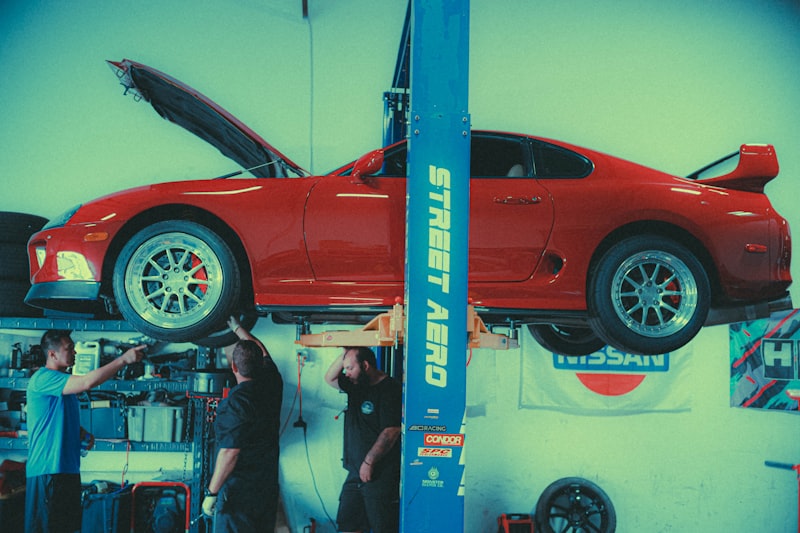
A fast street drag car isn’t only about engine power. Traction, suspension, and safety all play major roles. Beginners often focus too much on horsepower and neglect these areas. However, smart upgrades here can drop your quarter-mile time as much as a bigger engine.
Tires and Wheels: Start with street-legal drag radials or performance summer tires. Many options, like the Nitto NT555R or Mickey Thompson ET Street S/S, provide sticky grip but remain safe in wet conditions—perfect for dual-use cars. For example, using these tires can shave 0.2 to 0.4 seconds from your ET because of better launch traction.
Suspension Upgrades: Street builds benefit from adjustable shocks and stiffer rear springs. In addition, traction bars or upgraded bushings can reduce wheel hop and axle movement. However, avoid suspension parts that make the ride harsh or noisy, as street comfort is important. According to Summit Racing, even a basic rear shock upgrade can noticeably improve launch consistency.
Brakes: Extra speed demands more stopping power. Upgrade to performance brake pads, and consider slotted rotors. Stainless brake lines also help pedal feel. As a result, your car will remain safe both on the drag strip and when commuting.
Safety Considerations: In a true street car, you may not need a roll cage. However, a quality helmet and a factory-seatbelt in good condition are musts. If your local drag strip requires extra equipment at a certain speed (for example, a roll bar for sub-12 second cars), upgrade as needed.
Example Combo: Many budget street builds keep stock springs up front but use stiffer rear springs, Bilstein or KYB adjustable shocks, and sticky tires. These changes allow hard launches without big comfort loss on the street.
Engine, Transmission, and Drivetrain: Practical Tuning Tips for Street Builds
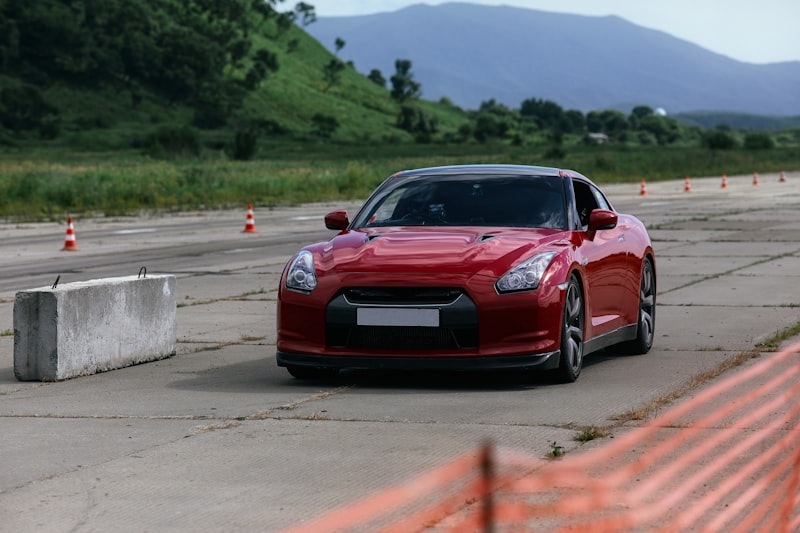
Tuning a street drag car’s engine, transmission, and drivetrain takes careful planning. Too much power can break weak parts. In addition, some upgrades hurt reliability or street manners. Therefore, smart choices are important for beginners and budget builds. Saiba mais sobre Street Drag Car Build.
Engine Tuning: Focus on bolt-ons before internal engine work. For many modern V8s and turbo fours, a simple intake, exhaust, and tune can add 20-60 horsepower with stock reliability. If you want to go further, mild camshafts or upgraded turbochargers bring more gains. However, always tune the ECU to match new hardware. Running lean or detonating can ruin your engine.
Transmission Upgrades: Automatic cars benefit from a higher stall torque converter. This change lets the engine rev higher at launch, which helps times at the strip. For example, moving from a 1,800 rpm stock converter to a 2,400 rpm unit can drop times by 0.3 seconds. On the other hand, manuals need high-friction clutches built for more power.
Differentials and Axles: Ensure your rear end can take hard launches. Many street builds use limited-slip differentials (LSDs) for two-wheel traction off the line. Drag radials add stress, however, so consider upgrading axles if you surpass 400 horsepower. Saiba mais sobre Best Tips for Street.
Cooling: Extra power creates more heat. A larger radiator, electric fans, and better oil coolers help avoid overheating in both street and racing situations.
Real Data Example: The Ford Mustang GT (2018+) responds well to cold air intakes, cat-back exhausts, and an ECU tune. These changes can add 35-50 wheel horsepower and cut factory 1/4 mile times from 12.6 to 12.1 seconds—all while remaining streetable and EPA compliant.
Fine-Tuning the Combo: Data Logging, Street Testing, and Adjustments
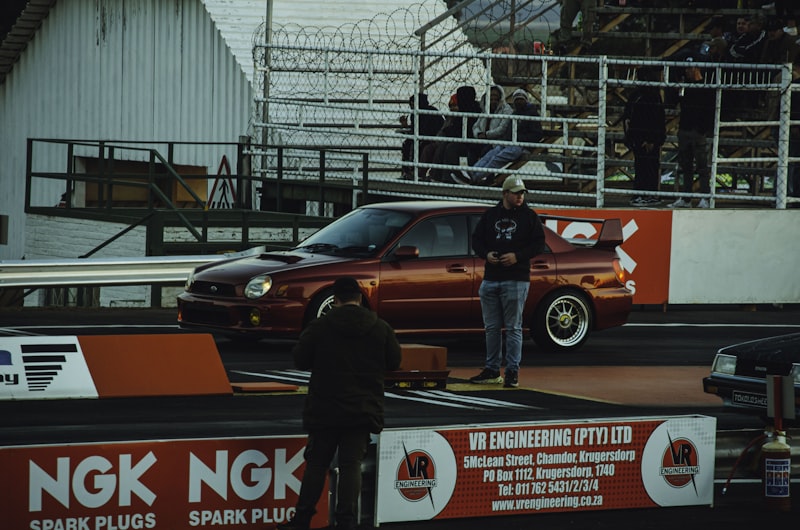
Once bolt-ons and basic upgrades are complete, fine-tune your street drag car for real-world performance. Data logging and street testing help you find extra speed without hurting reliability.
Data Logging: Many ECU tuners support logging. By recording parameters like air-fuel ratio, ignition timing, and boost, you can review what works and spot problems. For example, lean air-fuel ratios above 13:1 on most gasoline engines at wide-open throttle can cause knocking. Fix this with fuel adjustments for a safe tune.
Street Testing: Unlike full race cars, you must tune in real street conditions. Test part-throttle response, low-speed drivability, and hot/cold starts. Idle quality matters for street builds—especially when using bigger cams or turbochargers. Therefore, make sure the car behaves well in traffic.
Drag Strip Testing: Check your progress by making passes at a local track. Bring a notepad and record 60-foot times, quarter-mile ET, and trap speed. In addition, note weather conditions, as heat and humidity can affect results by several tenths of a second.
Adjustments: Tuning is about small changes. Try advancing or retarding ignition timing by 1-2 degrees, changing tire pressure by 2-4 psi, or making minor fuel curve tweaks. For example, some builders find that a 2 psi tire drop improves launches, while others may gain from a slight timing advance.
Inexpensive Tools: Wideband O2 sensors are a must for safe tuning. Entry-level models now cost under $150. Data loggers and handheld tuners often include software for laptop review.
Example: A 2015 Dodge Challenger RT owner logs a 13.2-second quarter mile after initial bolt-ons. After adjusting tire pressure and adding a mild tune, the car runs 12.8s. This shows the value of careful adjustments over time.
Conclusion
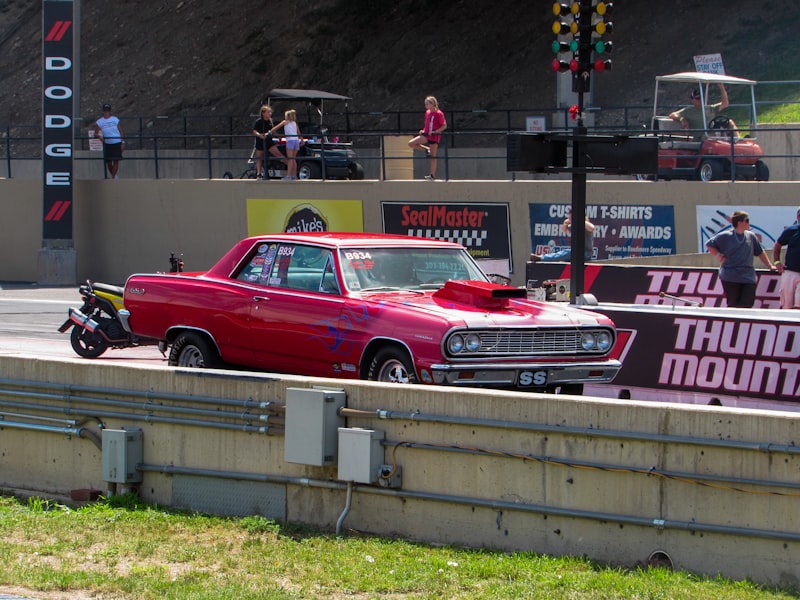
Tuning a street drag car is a step-by-step process that mixes speed, reliability, and daily comfort. Start with a plan and focus on intake, exhaust, tuning, tires, and suspension first. Always keep your car street legal and safe. Fine-tune by logging real-world data and adjusting in stages.
For deeper guides and real build stories, follow expert resources like Holley Performance’s Street & Strip Tech or practical tuning advice at EngineLabs. Whether on a budget or building your first strip-ready street car, take it slow and enjoy each upgrade—safe, reliable, and fast.
Ready to start? Define your goals, make a plan, and build a street drag car that’s quick and trustworthy on both road and track.
Leave a Reply