

If you want to know what are NHRA drag racing safety requirements, you are not alone. Every year, thousands of racers and fans ask the same question, especially as new rules arrive for 2026. Understanding the latest safety standards is key to enjoying drag racing and staying safe on the strip.
The National Hot Rod Association (NHRA) sets strict safety rules for competitors and staff. These rules cover how races start, how tracks are organized, what safety flags mean, and what gear drivers must wear. In this guide, we break down NHRA drag racing safety requirements to help racers, fans, and anyone interested in safe motorsports.
We will cover must-follow rules on the track, the purpose of every flag and light, and essential equipment for racers. Whether you are thinking about getting started, or just want to follow the action, this guide is for you. Veja tambem: Step by Step Drag Racing Safety Inspection: Rules & Track Essentials.
What Are NHRA Drag Racing Safety Requirements? An Overview of Key Rules
When people talk about what are NHRA drag racing safety requirements in 2026, they mean the official set of rules enforced by the National Hot Rod Association. The NHRA revises and updates these rules each year to reflect new technology and safety needs.
These requirements apply to every NHRA-sanctioned track across the United States and Canada. The rules protect drivers, crew, officials, and fans.
Track Regulations and Pit Safety
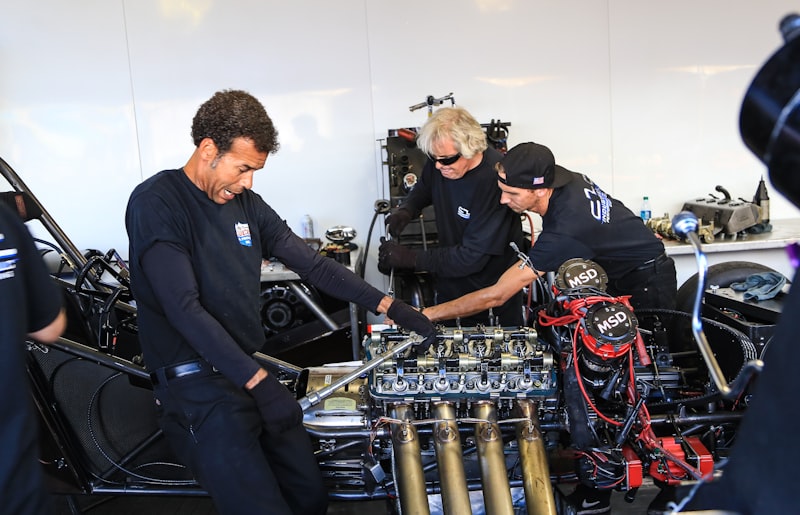
First, all cars must pass a technical inspection, or “tech,” before they make a pass. NHRA inspectors check the car’s safety features, engine, fuel system, and tires. Major tracks also have emergency medical teams on-site.
Pits must stay organized and free from loose tools, fluids, or blocked lanes. Only licensed crew members and drivers are allowed in “restricted areas.” If someone breaks a safety rule in the pits, officials can disqualify their team from racing.
Pre-Stage, Stage, and Starting Line Protocols
Before a race starts, both vehicles enter the staging area. Racers must follow a specific order when approaching the start line. First, the “pre-stage” bulbs light up, showing the car is almost in position. Next, the “stage” bulbs light up as the front tires cross into the launch area. Racers who fail to follow this procedure can face penalties or disqualification.
Emergency Procedures and Crash Response
Because high speeds always bring risks, NHRA tracks have well-trained response teams. Tracks must have fire equipment, ambulances, and rescue staff at all times. If there is a wreck or fire, cars must turn off their engines and wait for signals from officials.
For more information or to see the full NHRA rulebook, visit the NHRA Official Rulebook.
In summary, NHRA drag racing safety requirements focus on clear steps for every part of the racing process. These cover car checks, track safety, pre-race staging, and what happens if there is an emergency.
Understanding Flags, Lights, and the Role of Track Officials
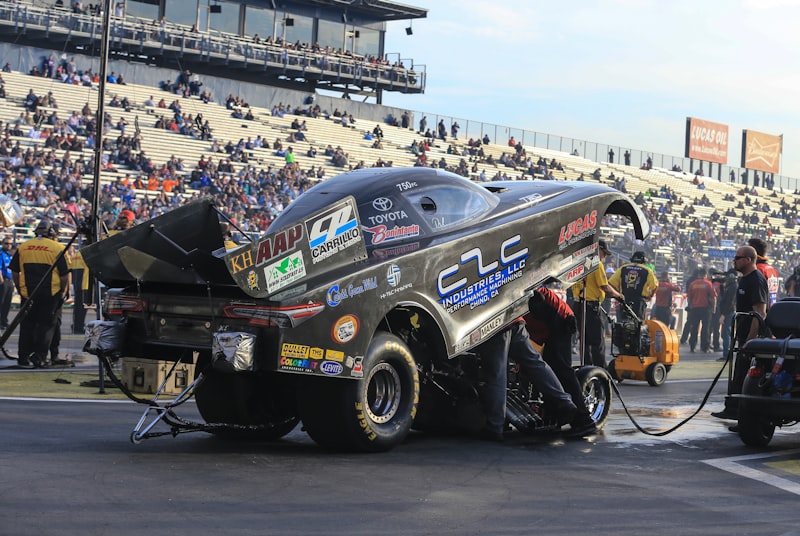
Flags and lights are the main signals used during NHRA-sanctioned drag races. They help control the action and keep everyone informed about track conditions. Learning these signals is a basic skill for any driver or serious fan.
The Meaning of Each Flag
There are five key flags in drag racing:
- Green flag: The track is clear, and racing can begin.
- Red flag: The race is stopped due to a safety issue.
- Yellow flag: Caution is needed. There may be hazards on the track.
- Black flag: Disqualification or a severe rule violation.
- White flag: Rare in drag racing, but sometimes marks the final lap in special events.
- Helmets: NHRA only allows helmets that meet Snell or SFI safety standards (current as of 2026: Snell SA2025, SFI 31.1/2025 or better). Open-face helmets are banned in faster classes.
- Fire Suits: Depending on the car’s performance, drivers may need a two-layer or three-layer fire suit. The suit must be SFI-rated to resist flames and heat.
- Gloves and Shoes: These must be SFI-certified for fire resistance. Shoes must cover the ankles and gloves must cover the wrist area fully.
- Neck Collars or Head-and-Neck Restraints: Required on cars faster than 10.00 seconds in the quarter-mile. NHRA mandates HANS devices or similar systems in many classes.
- Harnesses and Seat Belts: Five-point harnesses with SFI ratings are mandatory. Each belt must have a visible expiry date, with most needing replacement every two years.
- Roll Cages: Cars running quicker than 10.00 seconds (1/4 mile) or 6.40 seconds (1/8 mile) need a welded roll cage. This structure prevents the cockpit from collapsing during a crash.
- Fire Extinguishers: On-board fire systems are required for extreme classes. Most cars must carry a hand-held extinguisher mounted within reach.
- Kill Switches: Every car must have a main battery disconnect that is marked and accessible from outside the car.
- Window Nets: For enclosed cars, nets or arm restraints are compulsory to keep limbs inside the cockpit.
- Parachutes: Cars with trap speeds above 150 mph must have at least one working parachute to slow it safely.
- Wheelie Bars: In pro and high-horsepower classes, these support the car’s stability under acceleration.
Each flag has its own standard place and time to be shown. For example, a red flag comes out right away after a severe accident.
In addition to flags, the “Christmas tree” light system is unique to drag racing. It has a column of lights—three amber, one green, one red—for each lane. As racers line up, the lights give a countdown to help them start at the same instant.
Responsibilities of Track Officials
Track officials have key roles in keeping events safe. They communicate with drivers, wave the flags at the right time, and check each lane for spills or debris.
Officials also review video replays and timing slips if a result is challenged. If someone ignores a signal or fails to follow an official’s instructions, NHRA rules call for strict action.
For a more detailed explanation of drag racing signals and official duties, the National Motorsports Safety Association offers excellent resources.
Because of these clear visual signals, drag racing can be both fast and safe. Racers rely on flags and lights to know when to drive, stop, or be cautious.
Essential Safety Equipment: From Helmets to Roll Cages
Every NHRA drag racer must use a range of safety gear. These items protect against fire, crashes, and ejection from the car. NHRA tech inspectors check these before every event.
Required Protective Gear for Drivers
Car Safety Features
Youth and Motorcycle Requirements
Junior Dragster and motorcycle classes follow special safety rules. These include lightweight fire suits, special boots, and bike leathers. Youth racers must also pass skills tests before racing.
In other words, every piece of gear and car component is chosen to prevent injury in a crash or fire. NHRA reviews the rules every year to add new technology or raise standards.
Rules for the Track: Staging, Procedures, and Safety Policies
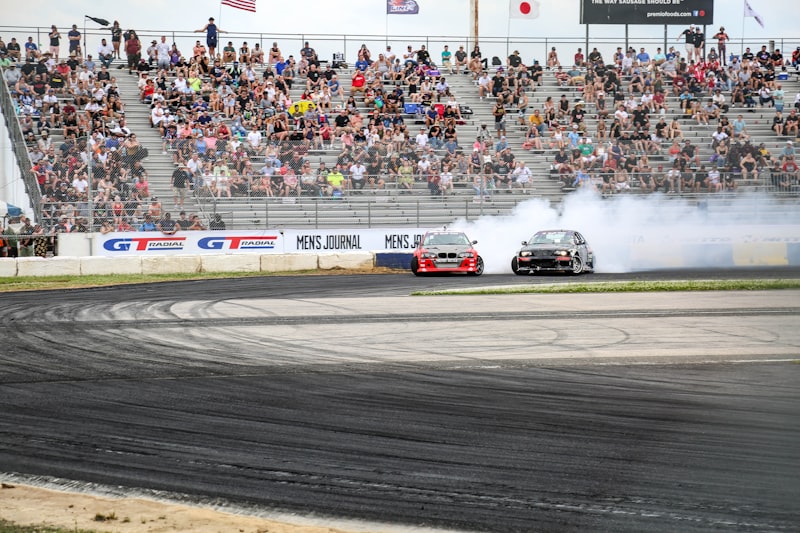
Following the right track procedures is a key part of answering what are NHRA drag racing safety requirements. The NHRA sets strict guidelines for how to stage cars, run each round, and handle accidents or rule violations.
The Staging Lanes and Order of Racing
Track staff organize cars into staging lanes before every round. Only authorized crew members and drivers are allowed in these areas. When your lane is called, you move forward and prepare for your run.
The starter directs you to the burnout box, where you can heat up your tires. After the burnout, you move forward to the starting line and begin the staging process.
Staging and Tree Procedures
Both drivers must light the pre-stage bulbs before moving to full stage. The Christmas Tree lights then provide the countdown. Jumping the light early will trigger a red light—resulting in an automatic loss.
Drivers must remain in control of their vehicles at all times. Spinning the tires out of the pit area, doing excessive burnouts, or acting recklessly is grounds for penalties or even disqualification.
Safety Incidents and Red Flag Protocol
If a car leaks fluid, crashes, or faces mechanical failure, track officials will stop the race with a red flag. All competitors must follow their instructions and move to a safe area. The track crew will not restart racing until the surface is safe again.
Alcohol and drug use is strictly prohibited on NHRA property, for both racers and crew. Violations lead to permanent bans from competition.
Because of this thorough track management and clear procedures, serious incidents are now rare in NHRA racing. In fact, according to the NHRA’s 2025 Safety Report, serious injury rates at sanctioned tracks dropped by 9% in the last two years.
Conclusion
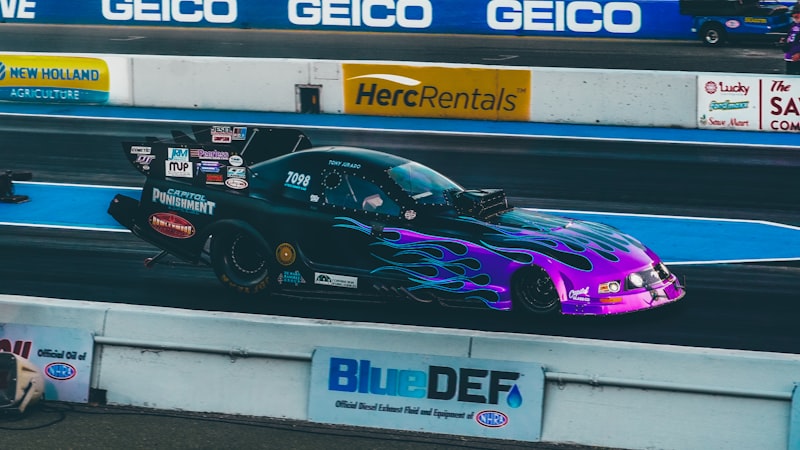
NHRA drag racing is one of the safest motor sports, as long as everyone follows the rules. Today, you know the answer to what are NHRA drag racing safety requirements for 2026: they are a detailed set of rules about cars, equipment, track procedures, signals, and safety gear.
By staying up to date with NHRA requirements, drivers can protect themselves. Fans and newcomers can also enjoy races with peace of mind. Whether you plan to race or watch, always put safety first.
Want to learn more about staying safe at the track? Check the NHRA Competition Rulebook for the latest updates, or follow ecredexa.com for more safety guides and racing tips.
Stay safe, buckle up, and race smart!
Leave a Reply