


The benefits of upgrading suspension bushings are often underestimated, yet this simple change can dramatically improve your car’s handling and launch. For those passionate about traction, weight transfer, and consistent hard launches, understanding these benefits can help take your setup to the next level.
Car enthusiasts and racers on ecredexa.com want more than a smooth ride. They seek every possible edge to gain better grip and consistent launches. Upgrading these often-overlooked components can provide tangible results that make those goals a reality.
In this article, you’ll learn how and why investing in new suspension bushings transforms your vehicle’s suspension system. We’ll break down the technical details, real-world effects, and long-term gains, with a focus on traction, weight transfer, and consistency at launch.
Why Suspension Bushings Matter in Traction and Launch Performance
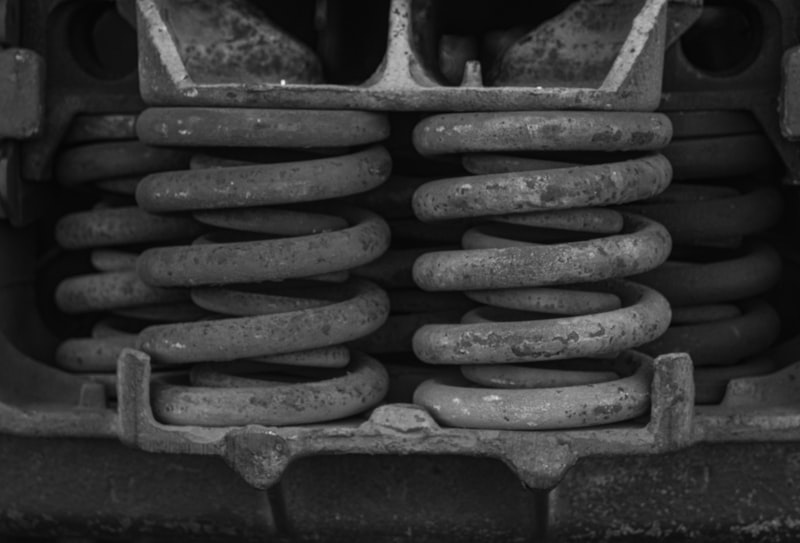
Suspension bushings serve as the backbone for keeping your car’s moving parts stable and predictable. Most cars come with rubber bushings from the factory. These units connect parts like control arms, sway bars, and trailing arms to the chassis. Their main job is to absorb small vibrations and isolate noise. However, that factory comfort comes at a cost: flexibility.
When you hit the gas hard, your suspension moves fast. If your bushings are soft or worn, the suspension geometry changes too much. This “slop” makes weight transfer unpredictable. Consistency at launch suffers, because the car reacts differently each time. In high-traction or racing situations, these small changes add up. You might spin the tires one run and hook up the next—without changing anything but your bushing performance.
Upgraded bushings, usually made from polyurethane or even solid materials, greatly reduce unwanted movement. For example, polyurethane bushings are much firmer than rubber. According to Energy Suspension, these upgrades can reduce flex in control arms by up to 80%. As a result, your tire contact patch stays more consistent. This gives you better traction when every second counts.
In addition, firmer suspension bushings help control wheel hop, which is a key enemy of fast launches. When your bushings flex too much, suspension components wind up and then snap back under load. This oscillation, or wheel hop, causes a sudden loss of grip. Stiffer bushings keep parts in place, so you maintain traction and control at launch.
Similarly, upgraded bushings stabilize the car during weight transfer. When power is shifted to the rear (in RWD cars), or balance changes in FWD/AWD launches, bushings that flex less help maximize grip on drive wheels. Therefore, your upgrades actually help the tires do their job better.
Factory Limitations vs. Aftermarket Solutions
Most street cars prioritize comfort and noise reduction. Therefore, factory bushings are soft and degrade quickly, especially under high-stress driving. Track and drag strip settings magnify these weaknesses. As cars age, even regular replacement rubber bushings rarely restore like-new feel, because they start breaking down from day one.
Upgrading to performance bushings—such as polyurethane or even delrin—reduces the unwanted compliance. This approach does not overhaul your suspension design or geometry. Instead, you simply swap out existing bushings for better ones. The result is a direct, repeatable connection from your chassis to each suspension component, which is a game-changer for anyone who cares about hard launches and consistent grip.
Key Benefits of Upgrading Suspension Bushings for Launch and Consistency
Upgrading bushings impacts several critical aspects of suspension behavior. Let’s explore the main benefits that matter to those focused on traction, launches, and weight transfer.
First, replacing your old rubber bushings with firmer materials improves suspension feedback. This means your car will respond more directly to steering and throttle inputs. In racing or autocross, immediate response is key to shaving off tenths of a second.
Second, stiffer bushings allow for more consistent launches. When you launch hard, softer bushings can allow rear-end components (for RWD) or front control arms (for FWD/AWD) to move out of spec. This changes the angle and position of your tires. On one launch, you might get grip; on another, you might get spin or hop. With performance bushings, you remove this unpredictability. Statistically, drivers switching to high-quality bushings report up to 25% improvement in 60-foot launch times, according to user data collected on Grassroots Motorsports forums.
Third, upgraded bushings boost overall vehicle stability under acceleration and braking. Because wheel alignment holds firmer under stress, traction is maximized for longer. Even tire wear improves with more stable bushings, as the contact patch stays fixed on launches or during hard cornering.
Finally, this approach is cost-effective. While full coilover suspension kits can run thousands of dollars, most high-quality bushing sets cost only a few hundred. Installation can be performed over a weekend with hand tools for many cars. For the significant performance gain, this is one of the smartest investments you can make in the suspension and traction-focused car world.
Practical Examples on Drag and Street Cars
Take a classic muscle car with leaf springs, a popular platform for drag racing. Stock rubber leaf spring bushings allow axle movement during launches, which can waste the energy you put into the throttle. Upgrading to polyurethane reduces this flex, helping more power reach the pavement.
Or picture a modern performance car on street tires. Even in daily driving, sharp turns and sudden stops create flex in lower control arms. Upgraded bushings help maintain suspension geometry. In turn, you get more predictable grip and sharper handling.
Anecdotal evidence from club racers and autocross drivers supports these results. Many describe their cars as “feeling brand new” after a weekend swap to better bushings. Not only do launches become faster, but brake pedal feedback and steering feel also tighten noticeably.
How Upgrading Suspension Bushings Improves Weight Transfer and Tire Grip
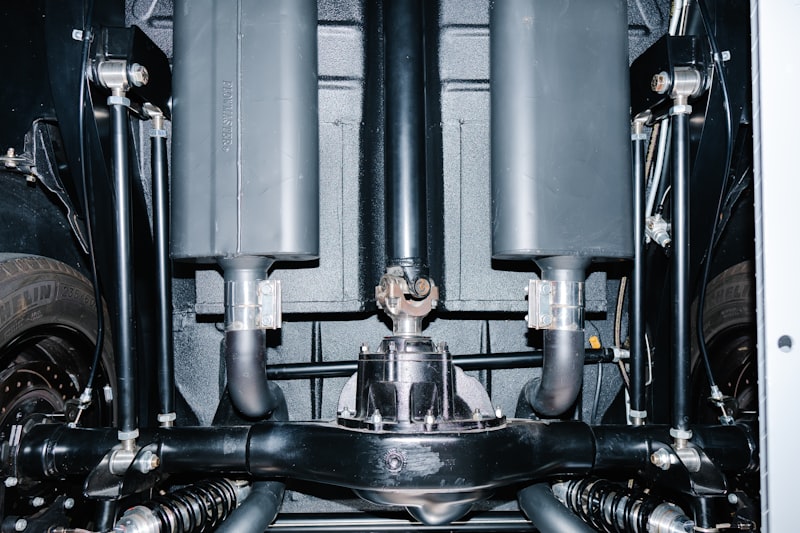
Weight transfer is a core piece of launching hard and staying consistent. When you launch from a stop, your car’s mass shifts from front to rear (in rear-drive cars) or moves diagonally (in all-wheel-drive setups). The way your suspension handles this transfer decides how much grip you’ll have at the tires.
Rubber bushings compress and stretch as weight moves. This leads to unpredictable changes in camber, toe, and caster angles at the wheels. For drivers, this unpredictability shows up as wheel hop, understeer, or sudden loss of traction. As a result, launches and high-speed cornering become a gamble rather than a science.
Replacing these with polyurethane bushings keeps suspension arms locked in their geometry. Your tires hit the road at optimal angles, preserving the largest possible contact patch. The more consistent this geometry stays, the more grip you have. In turn, you experience fewer missed launches and less tire spin.
In drag racing, this improvement is measurable. For example, many racers report seeing 60-foot times drop by 0.1 to 0.2 seconds after upgrading their bushings. On a quarter-mile run, that can translate to a 0.2-0.4 second reduction in ET—a huge gain for a low-cost upgrade.
On the autocross course, reduced flex means sharper turn-in and less body roll. This is because the suspension doesn’t “wind up” before transferring energy to the chassis. For street performance, firmer bushings improve confidence during emergency maneuvers. You feel more in control, as the car tracks with your inputs rather than the flaws in flexible bushings.
In addition, upgraded bushings help reduce uneven tire wear. Since the wheels keep their alignment under load, your expensive performance tires last longer. Over a season, this can save hundreds of dollars in replacement costs—and keep your car performing at its best.
Comparing Bushing Materials: Rubber vs. Polyurethane vs. Solid Options
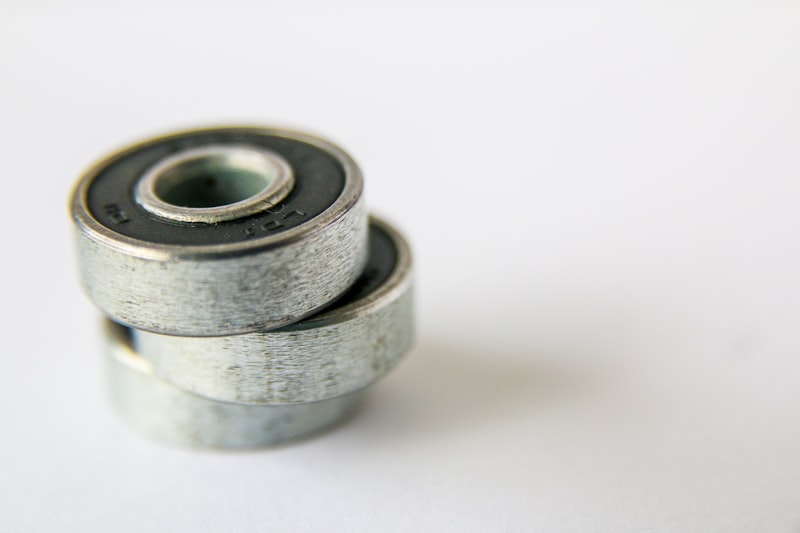
Choosing the right bushing material is crucial when upgrading your suspension for traction or launch consistency. Each material offers unique benefits and downsides, so it’s important to match your choice with your driving goals.
Factory bushings use soft rubber for comfort and noise isolation. These are fine for daily commuting, but not optimal for maximizing grip or weight transfer. Rubber wears out quickly under hard launches or high-performance use, resulting in increased flex and inconsistent handling.
Polyurethane is the most popular upgrade. It strikes a balance between flexibility and firmness. Poly bushings are resistant to chemicals and temperature changes. They last much longer than rubber and withstand harsher loads. According to SuperPro Suspension tests, they can last up to five times longer than the factory rubber equivalents. Because of this, poly is an ideal choice for track days, autocross, drag racing, and spirited daily driving.
Solid bushings, often made of nylon or even metal, are another option. These eliminate almost all movement but can transmit more noise, vibration, and harshness (NVH) into the cabin. Many serious racers use solid bushings in rear-axle mounts, differential brackets, or specific control arms to get maximum stiffness. However, these are best for dedicated race cars, not street-driven vehicles, since comfort drops significantly.
The key is to balance performance with comfort for your use case. For most performance drivers who still drive on the street, polyurethane bushings deliver the best of both worlds.
Installation and Maintenance Considerations
Installation methods differ for each material. Polyurethane bushings are often direct-fit but may require greasing to prevent squeaks. Solid metal bushings usually need pressing in and out of the arms. While the labor can seem daunting, many aftermarket companies provide step-by-step guides and tools for DIY installs.
Maintenance is minimal once installed. Poly bushings benefit from periodic re-greasing to prevent noise and wear, but otherwise require little attention. Over the long run, spending a few hours on installation saves countless headaches from chasing launch issues caused by worn original parts.
Real-World Results: Upgrading Bushings and Its Impact on Consistency and Lap Times
Drivers upgrading their bushings often see results that surprise even seasoned racers. Let’s dive into real-world impacts, with examples from drag, road-course, and street performance setups.
On the drag strip, improved launches happen because firmer bushings lock down the rear axle. For example, a Mustang GT owner noted in the Mustang6G Forum that after installing poly bushings in the rear trailing arms and cradle, 60-foot times improved by 0.15 seconds. The car launched harder with less hop and more repeatable traction.
Road-course drivers, especially those in autocross events, report sharper steering feel and more stable braking zones. This result comes from less unwanted suspension movement. The improvement in confidence leads drivers to push harder, knowing their alignment won’t shift in mid-corner.
Another measurable effect is in long-term cost savings. Because upgraded bushings keep alignment near-spec during launches and cornering, tire wear becomes more even. Drivers report tire life extending by 10-20%, making this small investment pay off over time.
On the street, even if you never set foot on a track, the gain in precision is obvious. Emergency maneuvers, spirited on-ramps, or bouncing over rough pavement all feel more planted. For the traction-minded enthusiast, this equals peace of mind and more fun behind the wheel.
Conclusion
Upgrading suspension bushings is a proven way to boost traction, launch consistency, and overall handling for anyone serious about suspension setup and weight transfer. The benefits of upgrading suspension bushings are clear: you get a sharper, more direct connection to the road. This translates into faster launches, better tire life, and new levels of driver confidence.
For anyone looking to build a car that launches harder and hooks up every time, upgrading your bushings is a must. On ecredexa.com, where traction, setup, and consistency are the focus, this is one of the smartest performance investments available. If you are ready to launch faster and win more races, start with your suspension bushings. Your tires—and your elapsed times—will thank you.
Leave a Reply