


Suspended traction plays a huge role in achieving consistent launches and maximizing grip on the track. Understanding this principle is vital for anyone who wants to unlock their car’s true acceleration potential.
For this reason, drivers and builders pay careful attention to how weight transfers under load. They also focus on how their suspension and tires work together. In this article, you will learn how to use this approach for better launches and control.
Many performance problems stem from overlooked suspension details. In fact, small changes can make the difference between spinning out or winning. Let’s dig deeper into how vehicle setup, tires, and weight transfer affect suspended traction—and how you can improve your results.
What Is Suspended Traction, and Why Does It Matter?

The term “suspended traction” refers to the grip provided by the tires as weight shifts through the suspension system during acceleration, braking, or cornering. In other words, it’s about how much tire-to-road stickiness you achieve while the suspension is in motion. This is different from static traction, which only explains grip when a car does not move or load does not transfer. Veja tambem: How to Improve Traction with Suspension Upgrades: Essential Guide.
When you launch hard from a stop, the rear suspension compresses. Because of this, weight shifts to the back tires. This helps increase their grip, allowing the car to accelerate without losing traction. However, if the suspension setup is wrong, you may lose this extra grip. As a result, your tires might spin, or the car may become unstable.
A real-world example: a 2021 NHRA Pro Stock car pulls 1.2 to 1.3g off the starting line. This level of acceleration is only possible because their teams optimize suspended traction using special suspensions and sticky racing tires. On street cars, the principles are the same, but components are less extreme.
To get the best suspended traction:
- The suspension must allow controlled and smooth weight transfer.
- Tires must be soft enough to grip but stiff enough to avoid excessive flex.
- The launch surface must provide adequate friction.
This practice is critical in drag racing, autocross, and road racing. In fact, teams invest large sums each year tuning suspensions for conditions and setups. Therefore, you should never ignore this aspect if you want to launch harder and more consistently.
The Physics Behind Suspended Traction
Weight transfer is the foundation of suspended traction. When a vehicle accelerates, Newton’s laws cause weight to shift toward the rear. As a result, rear tires get more pressure. This increase in downforce improves their ability to grip the road.
However, not all vehicles react the same way. A car with a stiff rear suspension may not squat enough, limiting weight transfer and grip. On the other hand, too soft a setup can cause body roll or excessive squat, leading to poor handling.
Getting this balance right is the core of maximizing suspended traction. According to MotorTrend, winning drag racers fine-tune shock settings, spring rates, and tire pressures to get a stable, repeatable launch.
Setting Up Your Suspension to Maximize Suspended Traction
Getting the most out of your car’s traction starts with the right suspension. This means making changes that suit your car, tires, and driving style.
First, check your shocks and springs. Factory springs are often a compromise between comfort and performance. Performance springs and adjustable shocks help you fine-tune how much your car squats on launch.
In addition, pay close attention to the anti-squat geometry. Anti-squat refers to how the suspension resists squatting under acceleration. Higher anti-squat means less squat, while lower anti-squat lets the car plant the tires more.
For example, a street car may benefit from slightly less anti-squat so the rear end squats, putting weight on the drive tires. However, too little anti-squat can cause wheel hop or make the front end lift dangerously.
Second, inspect bushings and suspension mounting points. Worn bushings can introduce slop, which hurts consistent traction. Therefore, upgrade to polyurethane bushings for a firmer, more predictable response.
Third, check your alignment and tire wear. A poor alignment can limit the contact patch, making it tougher for tires to grip. In fact, aggressive camber settings may reduce straight-line grip but improve cornering. Set alignment based on your driving goals.
Fine-Tuning Shock Settings for Harder Launches
Shock absorbers control how fast the suspension moves. In drag racing, adjustable shocks are vital for suspended traction. Set the rear shocks softer in compression for more squat but firm the rebound to prevent bouncing.
On the front end, softer extension lets the nose lift, shifting weight rearward and improving grip. However, if the front rises too quickly, it can upset vehicle balance. Test in stages to find the best launch without losing steering control.
According to Hot Rod Magazine, even small shock adjustments in rebound and compression can shave tenths off launch times.
Tire Choices and Their Role in Traction Under Load
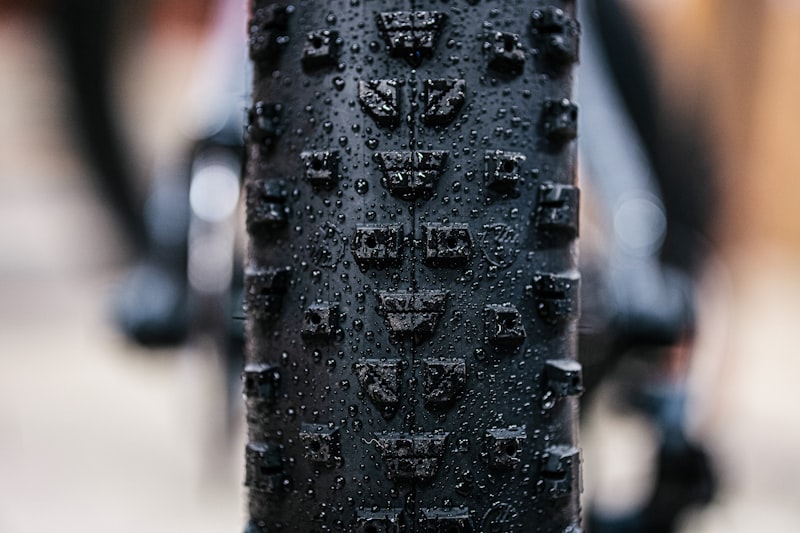
Tires are the only part of your car that touches the ground. Therefore, choosing the right type and size plays a huge role in suspended traction.
Drag slicks and DOT-approved drag radials are built to maximize grip under heavy acceleration. Their soft compounds heat up and stick to the surface, resulting in more consistent launches. However, these tires wear out faster than regular street tires.
In contrast, performance street tires often have stiffer sidewalls and harder compounds. These features give longer wear and better high-speed stability but may not grip as well during a hard launch.
Tire pressure is another key factor. Lowering rear tire pressure can increase the contact patch, creating more grip. For instance, many racers run rear slicks at 12-16 psi to promote a large, soft footprint. On the other hand, too little pressure can cause tire rollover or sidewall failure.
Because of this, always experiment with pressure settings. Start high and drop by 2 psi at a time, checking 60-foot times. When the car hooks and the launch is repeatable, you’ve likely found the target pressure.
The Impact of Tire Temperature
Tire temperature also affects suspended traction. Warm tires grip better. Before a run, racers often do a burnout to heat and clean the rear tires. This makes the rubber sticky, helping it bite into the track.
For example, NHRA Stock Eliminator cars heat their tires to 120-140°F before a pass. Street cars may not need burnouts, but a warm-up can help on colder days.
Front tires play a smaller but important role. They support the front end on launch and must maintain steering control as the rear squats.
Managing Weight Transfer for Launch Consistency
Proper weight transfer is what allows you to launch hard without losing control. When weight moves rearward, the drive tires get pressed harder into the road, increasing grip.
However, too much or too little weight transfer causes problems. If the rear tires unload (lift off the ground), they spin. If the suspension squats so much the car lifts the front wheels too high, you can lose steering.
Many performance cars use traction bars, ladder bars, or four-link suspensions to manage weight transfer. Traction bars prevent axle wrap and keep the tires planted under high torque. Ladder bars or four-link setups allow for fine adjustments to how the suspension reacts under acceleration.
For example, a four-link rear suspension can be adjusted for instant center position. Moving the instant center forward increases anti-squat, keeping the tires planted longer. This is why many race cars rely on four-link systems for consistent launches.
In summary, the proper setup helps direct as much weight as possible to the drive tires without lifting the front end dangerously high. The right shocks, springs, and linkages work together to create predictable, repeatable launches.
Using Data to Fine-Tune Launches
Modern racers use data acquisition systems to monitor force, vibration, and suspension movement. For example, shock travel sensors record how quickly the rear squats, confirming if changes improve or hurt grip.
If your 60-foot time improves but the car becomes unstable, look for balance issues. Sometimes, improving one part of the setup reveals weaknesses elsewhere.
In fact, amateurs can use a simple video to review launch squat and tire wrinkle. Slow-motion clips show if weight is moving as expected.
Common Challenges in Achieving Ideal Suspended Traction

Suspended traction is powerful, but it can be tough to master. Some common issues keep drivers from launching their best.
First, weather and track conditions have a big effect. The same setup that works on a warm, sticky day may cause spin when it’s cold or dusty. Always check the surface before each run.
Second, inconsistent tire pressure or temperature can ruin launches. A tire that’s too cold or too soft may not grip. Overheated tires lose traction as well.
Third, adding power without adjusting the suspension or tires often leads to wheelspin. As you modify your car, always retune the suspension. Small power gains may need stiffer shocks, new bushings, or different tire compounds.
Fourth, worn or damaged suspension parts cause unpredictable behavior. For example, cracked control arms or fatigued springs may suddenly give out, costing you traction and possibly damaging your car.
Finally, keep an eye out for wheel hop. This is a violent oscillation of the rear wheels under load. It often comes from soft bushings, weak shocks, or poor pinion angle. Wheel hop destroys suspension parts over time and robs you of any chance for a clean launch.
Safety Considerations with High Traction Launches
Maximum grip should never come at the cost of safety. Lifting the front wheels too high increases rollover risk. Set suspensions to limit front-end lift to a manageable height.
Also, always check for adequate driveshaft clearance. As the rear squats, the angle on the driveshaft changes. If it contacts the body or suspension parts, catastrophic failure can occur.
Finally, use quality fasteners and retorque all suspension hardware before competition. According to NHTSA statistics, improper suspension maintenance is a leading cause of on-track failures.
Conclusion

Suspended traction is the hidden force that separates average from outstanding launches. By understanding how your suspension and tires work together to build grip, you can fine-tune your setup for consistent and repeatable performance.
Start by optimizing your suspension with the right shocks, springs, and bushings. Choose the proper tires and pressure for your application. Always manage weight transfer so the drive tires benefit from maximum downforce during launch.
Even small changes make a big difference. Record your results, review your launches, and keep improving each time you race. For more technical guides, visit our Suspension & Traction section at ecredexa.com, and start running faster and more consistently today.
Leave a Reply