

The steps to become a professional racer begin with understanding the racing world, picking the right class, and learning how the pro ranks work. If you dream of racing on the national stage, building a solid foundation is critical.
Each drag racing category has its own rules and demands. Because of this, success requires careful planning, dedication, and knowledge about the pro racing ladder. In this guide, you will find clear steps and real-life advice for joining professional classes, meeting regulations, and building your path in the fast lane.
Understanding the Path: Steps to Become a Professional Racer
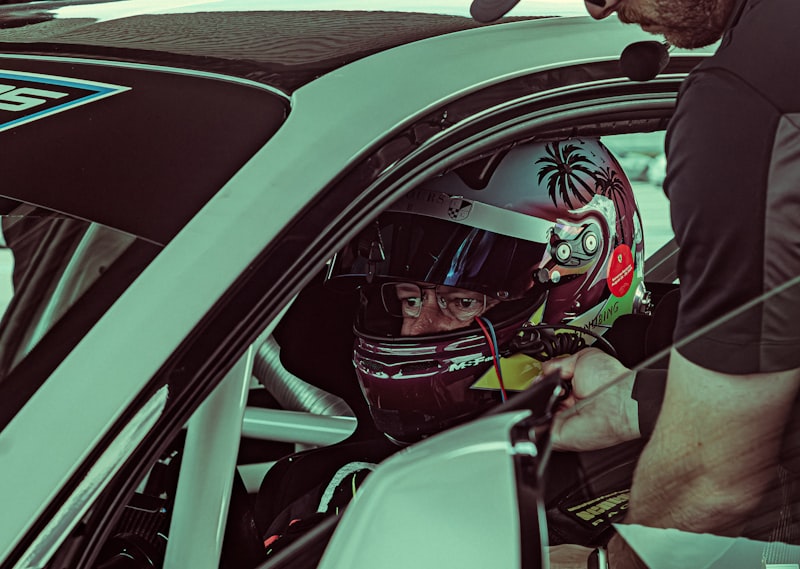
To start your journey, you should first know the clear steps to become a professional racer. Racing is more than driving fast. It demands skill, safety, and commitment within set drag racing classes and pro categories.
Learning Key Drag Racing Classes
In drag racing, classes define what cars and racers can compete together. For example, the National Hot Rod Association (NHRA) divides classes into Stock, Super Stock, Pro Stock, Top Fuel, and Funny Car. Each class has unique vehicle rules, licensing, and safety standards. Veja tambem: Comparison of Amateur vs Pro Racing Classes: Regulations, Levels & Ladder.
For beginners, classes like Junior Dragster or Sportsman give a platform to learn basics. As a result, new racers build skills before jumping into professional classes. According to the NHRA official rulebook, you must meet strict technical and safety requirements to compete in national events. Veja tambem: Most Competitive Pro Racing Class Explained: Dive Into Drag Racing’s Elite.
Setting Goals and Choosing the Right Category
Before you start, decide which drag racing class matches your skills and resources. It is common for racers to begin in Sportsman classes, which allow more affordable cars. These often use modified street cars following certain regulations. For younger racers (ages 5-17), Junior Dragsters allow entry at an early age with special age brackets. Veja tambem: Best Classes for Aspiring Professional Racers: Your Path to Pro Drag Racing.
Because higher classes like Pro Stock or Top Fuel need advanced cars and bigger budgets, most drivers climb through lower categories before entering the pros. In other words, you can build experience and a reputation through each level.
Building Foundational Skills
Alongside picking a class, start developing your driving and mechanical skills. Take local racing courses if available. Many racing schools, such as the Frank Hawley Drag Racing School, offer classes in drag racing fundamentals. Practical lessons help you learn proper technique, track safety, and reaction times—critical for moving up the ladder.
Finally, always respect the need for discipline and focus. Consistency and attention to detail set future pros apart from hobbyists.
Getting Licensed and Meeting Regulations
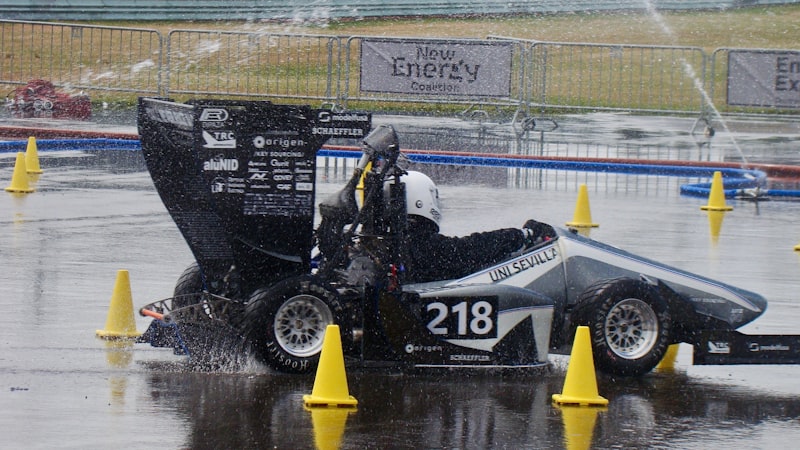
To race professionally, you must meet licensing and technical rules. Therefore, you need to know what organizations like the NHRA and International Hot Rod Association (IHRA) require for your class.
The Licensing Process
First, obtain a beginner’s racing license. In most cases, this means starting with an NHRA or IHRA competition license. The requirements for licensing depend on your age, experience, and intended class. For example, a beginner may apply for a Sportsman license after passing written tests, a driving evaluation, and submitting a medical report.
As you gain experience, you can upgrade to advanced licenses for faster, higher-powered classes (like Top Alcohol or Top Fuel Dragsters). Each license level requires you to complete several supervised runs and prove your ability to handle a car at increasing speeds.
Understanding Technical and Safety Regulations
Every drag racing class has its own strict technical standards. These rules cover things like engine specs, tire types, roll cages, and fire protection. For example, NHRA’s Pro Stock class requires specific engine sizes, fuel types, and body shapes.
You also need to keep up with safety requirements. This covers fire suits, helmets with Snell or SFI ratings, harnesses, and sometimes, onboard fire suppression. As a result, you may need to invest in high-quality safety gear and keep your equipment inspected and up-to-date.
Failing to meet these regulations leads to disqualification. In fact, regular tech inspections are mandatory at big events. Therefore, staying current with rule changes through NHRA or IHRA updates is vital for your career progression.
Real-World Example
According to NHRA data in 2026, the NHRA has over 40,000 licensed drivers across all drag racing classes. This shows the popularity of regulated, safe motorsports. Therefore, following the right steps and meeting regulations puts you on a respected, official platform.
Climbing the Professional Racing Ladder: From Local to National Events

After licensing and building experience, the next step is to progress through competitive events. The racing “ladder” is a structured path from local contests to national professional series.
Starting at Local and Regional Levels
Most professional racers begin in local or regional races. This practice allows you to test your skills, gain race-day experience, and connect with others. Points earned through these races are critical. For example, many pro teams look for consistency and race finishes at these early steps.
You should register for local drag strips or racing clubs that operate under NHRA or IHRA sanctions. Because these events follow official rules, your results help with later applications for pro licenses or team tryouts.
On the other hand, racing at local events can also expose you to scouts from racing teams. Keeping track of your race times, wins, and performance helps you build a strong driver résumé.
Competing in Higher-Level Pro Classes
As you collect wins and prove yourself, doors open to higher-tier pro classes. For example, moving from Super Comp (a sportsman class) into Top Alcohol Dragster, and later, into Top Fuel or Funny Car.
The rules become stricter at each step. Therefore, you must keep upgrading your car, learning advanced race strategy, and meeting tougher safety requirements. National events like the NHRA Camping World Drag Racing Series showcase the fastest classes and attract top sponsors.
Essential Skills: Networking and Team Building
Success in drag racing is not just about driving. Finding sponsors, building a capable team, and forming partnerships with mechanics, engineers, and fabricators is essential.
For instance, the best pro racers in 2026 all credit their teams for success. Teamwork helps with troubleshooting, car prep, and race-day pressure. Moreover, sponsors look for racers who are marketable, reliable, and professional in media and fan interactions.
Building a Racing Career: Sponsorships, Media, and Ongoing Development
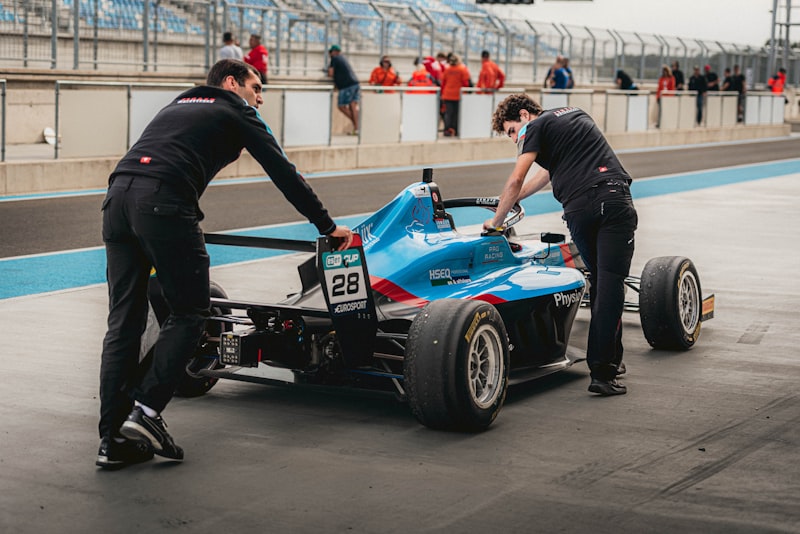
Winning races is just the start. Therefore, to stay professional, racers need to handle sponsorships, media, and personal development.
Securing Sponsorships
Racing is expensive. Entry fees, car maintenance, and travel add up fast. Because of this, sponsorships play a huge role in a pro racing career. Start by reaching out to local businesses or auto shops early in your career. Offer exposure in exchange for support. As your results improve, national brands such as tire or oil companies may take interest.
In 2026, digital platforms are also popular for sharing results and attracting attention. A professional website, strong social media presence, and a clean public image all help with sponsor deals. Therefore, invest in good branding.
Handling Media and Public Relations
Pro racers attract attention from fans, journalists, and sponsors. Skills such as public speaking, giving interviews, and sharing updates are important. Many racers hire public relations (PR) professionals once they reach national leagues. In fact, good PR can increase sponsor funding by up to 40%, according to Sports Business Journal.
In addition, handling media responsibly means knowing how to talk about race results, safety measures, and future goals. As a result, your reputation builds both on and off the track.
Continuing Education and Skill Growth
The best professional racers never stop learning. New technologies, changing rules, and evolving safety standards in 2026 make ongoing education essential. Many drivers attend update courses or workshops, sometimes arranged by their teams.
In summary, keep improving your driving, mechanical, and communication skills. Adaptability is vital in pro drag racing.
Essential Racing Classes, Regulations, and the Path to the Pro Ladder

Before achieving professional status, understanding each racing class and its regulations is critical. This knowledge determines your pace on the pro ladder and helps you avoid delays or setbacks.
Class Breakdown and Regulatory Details
Every professional drag racing ladder—NHRA, IHRA, or otherwise—follows a structure. Here’s a summary of the main pro classes:
- Pro Stock: Requires naturally aspirated engines with tight restrictions. Races emphasize tuning, consistency, and precision.
- Top Fuel Dragster: The fastest and most famous class. These cars can hit 330 mph in 3.6 seconds. Strict regulations cover fuel mix, engine specs, and safety systems.
- Funny Car: Similar speeds as Top Fuel, but with full-bodied cars. Rules for bodies, engines, and fire safety are intense.
- Pro Modified: Allows turbochargers, superchargers, or nitrous. Cars show extreme variety but face sharp technical scrutiny.
- Top Alcohol Dragster/Funny Car: A step below Top Fuel and Funny Car. Ideal for drivers moving up from Sportsman ranks.
Smaller classes like Super Comp and Stock Eliminator have less complex rules, making them suitable for entry-level or semi-professional racers. However, to move up, you’ll need to master both driving skills and class-specific regulations.
Progression to National Pro Events
After success in entry classes, racers can apply to national series. This usually demands a National Event Credential, a proven track record, and full compliance with pro-class rules. In addition, NHRA and IHRA sometimes hold “license upgrade” events to help drivers step up securely.
Attending professional schools and receiving letters of recommendation from established racers can speed this advancement. It’s common for teams to scout lower-level races for talent, so visibility and sportsmanship matter.
Moreover, rules often change year-to-year. Checking updates through official sources is essential for ongoing eligibility.
Conclusion

The road to becoming a professional racer in 2026 takes time, effort, and discipline. The key steps to become a professional racer include choosing your class, meeting licensing and safety rules, gaining experience at each competitive level, and building a reputable career.
By understanding the structure of pro drag racing classes and regulations, you give yourself the best chance of climbing the ladder to national stardom. In addition, smart networking, seeking sponsors, and ongoing development are crucial for a lasting career.
If you’re serious about racing, start by picking a class that matches your goals, and invest in safety and education. Follow rules closely, race often, and connect with professionals in the industry.
For up-to-date rules and event calendars, visit the NHRA official site or follow trusted motorsports outlets. Your first steps begin with knowledge—now is the time to get on the track and move toward a future as a pro racer.
Leave a Reply