

Understanding the legal requirements for drag racing events is essential for anyone involved in motorsports. In 2026, following these rules helps ensure that both racers and spectators stay safe. It also keeps your event compliant with state and federal laws.
Whether you are a track owner, event organizer, or racer, you need to know the specific regulations. These cover aspects such as staging procedures, acceptable safety equipment, approved track operations, and more.
Being aware of all requirements does not just avoid fines. In fact, it saves lives and protects your track’s reputation. In this guide, we break down the legal side of hosting or taking part in a drag racing event, with a focus on the most important safety and regulatory topics for 2026.
Essential Legal Requirements for Drag Racing Events
The legal requirements for drag racing events have evolved over the years to address safety, fairness, and liability. Each state in the U.S. may have different laws. However, many rules are now standardized through associations like the National Hot Rod Association (NHRA) and the International Hot Rod Association (IHRA). Veja tambem: Drag Racing Rules for Junior Competitors: Safety & Track Guide.
First, every drag racing event must take place on a sanctioned track. Street racing is illegal in all U.S. states and carries heavy penalties. Therefore, only races happening at official venues—tracks licensed and inspected by the NHRA, IHRA, or local authorities—are legal.
For example, the NHRA Rulebook is the gold standard for most tracks in the United States. In addition, state governments often require racetrack operators to file for specific permits, insurance, and local business licenses. As a result, compliance checks and track inspections occur before an event.
Event organizers must submit detailed plans to local authorities. These usually include environmental, emergency response, and crowd control measures. Moreover, local fire marshals review the track’s fire control systems, while police may verify traffic and noise control plans.
Insurance is mandatory. According to NHRA guidelines, every event must carry liability insurance covering racers, crew, and spectators. In fact, many tracks require additional policies, such as catastrophic injury and property damage coverage.
Because of strict regulations, racing surfaces must meet specifications for width, grip, and track barrier types. The track needs to be kept free of debris and must have approved runoff zones. In summary, you cannot hold a legal drag race without meeting these strict track requirements.
Licensing and Entry Rules
Participants must hold valid state driver’s licenses. In addition, the NHRA and IHRA require competition licenses for cars running below a certain elapsed time or above a set speed. These measures ensure only skilled drivers enter risky classes.
All drivers and crew must complete waiver forms. This legal paperwork protects the event from civil lawsuits if there is an incident. Event organizers review IDs, licenses, and waivers before anyone enters restricted areas.
Finally, every class—such as junior dragster, pro street, or top fuel—has specific legal requirements. These define the safety standards, driver credentials, and vehicle rules.
Track and Staging Procedures: Compliance and Best Practices

A key component of legal drag racing events is strict adherence to track rules and staging procedures. These procedures exist to ensure safety, order, and fairness on race day.
First, racers must follow a technical inspection, often called “tech.” Here, officials check every aspect of the vehicle for compliance with class and safety standards. In fact, many events use a checklist based on the NHRA or IHRA rulebooks.
For example, cars drag racing 10.00 seconds or faster in the quarter mile must have a certified roll cage, approved safety harnesses, and window nets. The tech inspection will also review fuel systems for leaks and ensure correct battery mounting.
On race day, every participant must attend a drivers’ meeting. During this meeting, officials review the day’s schedule, safety protocols, and emergency routes. Any changes to staging, rain delay plans, or flag procedures are announced here. Because of this, attendance is not optional.
Staging lanes are organized by race class. This allows event staff to control flow onto the track and helps prevent mix-ups. Additionally, staging area access is limited to credentialed personnel and drivers only.
Once at the starting line, the “Christmas Tree” lights control the race start. This light system, required at all sanctioned events, uses pre-stage and stage bulbs to line drivers up before activating the green (go) light. If a driver red-lights (starts too soon), the system triggers a penalty.
Officials and track marshals watch every stage. Because of their vigilance, illegal tire warming, burnouts in the wrong area, or jump starts result in disqualification. Cameras and sensors now automate many enforcement tasks, leading to fewer disputes.
In summary, following these procedures is not optional; they are written into the legal rules of every sanctioning body. Breaking them risks disqualification or even fines.
Safety Equipment: Requirements and Inspections
Legal drag racing events require strict use of tested safety equipment. In fact, the NHRA and IHRA update their safety lists each year, reflecting the latest technology and field data. Without meeting these requirements, neither drivers nor vehicles may participate.
First, all drivers must wear flame-resistant suits rated for the speed and class they compete in. For example, if your car runs the quarter mile in under 9 seconds, you need an SFI 3.2A/15 or better suit. In addition, a certified-helmet (Snell or SFI-approved, updated every five years) is mandatory.
Gloves and shoes must be fireproof, and all gear should show up-to-date SFI tags. According to 2026 standards, HANS (Head And Neck Support) devices are mandatory for any vehicle running over 135 mph. This rule reduces neck injuries in high-speed crashes.
Similarly, vehicles must have approved racing seat belts, updated every two years, and roll cages for faster cars. The roll cage design and padding are reviewed during tech inspection.
Do not forget fire extinguishers. Every car must have an onboard fire system or a portable extinguisher, mounted within easy reach of the driver. This rule has prevented many serious injuries over the years.
Tires are checked for both type and age. Drag slicks must be free from dry rot, cracks, or excessive wear. Chassis and wheel studs are torque-checked by tech inspectors for every car.
Fuel systems come under strict review. For example, fuel cells must be SFI-approved, and all fuel lines secured by proper brackets. The NHRA also requires batteries to be securely mounted and covered if located inside the passenger compartment.
In fact, every race sees multiple spot-checks by safety inspectors. They may re-inspect after a car runs a personal best or following a minor on-track incident. If a violation is found, the driver may be disqualified.
Because of these rules, drag racing as a sanctioned sport has seen a steady drop in fatal accidents. According to NHTSA statistics, official events in 2026 showed a fatality rate nearly 80% lower than illegal street races. This shows the real-world impact of strict safety enforcement.
Additional Safety Requirements for Junior Divisions
Youth racing classes, like Junior Dragster, face additional restrictions. All cars must use speed limiters, special seat restraints, and more. Parents must sign consent forms, and tracks provide extra medical staff during junior events.
Flags, Lights, and Track Signals: Ensuring Clear Communication
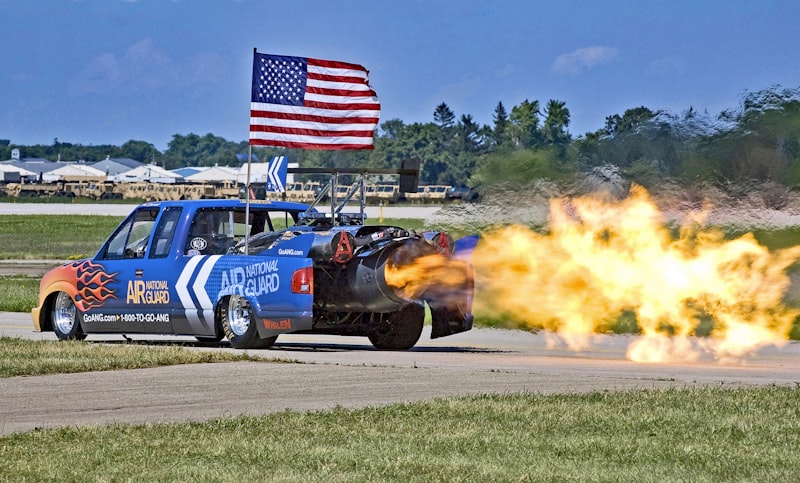
Understanding flag and light codes is another core legal requirement for drag racing. In fact, all tracks must use standard visual signals to keep racers and crew safe.
First, the “Christmas Tree” lighting system signals when to start a race. It uses a standardized sequence of pre-stage, stage, yellow, and green bulbs for fairness. Every driver is trained to respond only to the lights, not to flaggers or crew.
Red lights mean a false start or track emergency. Therefore, cars must stop as soon as possible if a red light or flag appears. The double yellow flashing lights may signal a technical delay or ask drivers to stay in place.
In addition to lights, colored flags remain in use for special situations:
- Green: Track clear, race start approved.
- Yellow: Caution—maintenance or debris ahead, drive carefully.
- Red: Stop racing immediately—accident or hazard ahead.
- Black/White: Disqualification or warning, leave track at next exit.
- Blue: Slow moving vehicle ahead, watch for merge.
- Disqualification from the event or season
- Fines for rule violations ($500-$10,000 depending on severity)
- Immediate shutdown of racing activities
- Permanent ban from sanctioning association participation
Track speakers and PA announcements also play a legal role. Racers must be able to hear emergency instructions at all times, which is why ear protection for crew and drivers must allow for emergency sound penetration.
In 2026, most tracks employ redundant systems (light and flag) so there’s no confusion during high-noise situations. Video boards display digital flags and times for every lane. Many modern tracks log electronic signal data to resolve disputes and share it with race officials for review.
Failure to obey a flag or light signal is grounds for disqualification. More seriously, avoiding an emergency red flag can result in a ban, as set forth in sanctioning body handbooks.
Emergency Response and Legal Reporting
Legal requirements also dictate clear emergency procedures. Tracks must keep medical and fire teams on-site whenever cars are running. These teams train for extraction, injury assessment, and hazard response.
All incidents must be reported to local authorities and sanctioning bodies. Event organizers are responsible for keeping logs and submitting them after the event. This transparency is essential for tracking recurring risks and improving rules.
Penalties, Enforcement, and Staying Updated on Regulations
Staying up to date with the legal requirements for drag racing events is not a one-time job. Laws and sanctioning body rules change regularly, often in response to new technologies or incidents.
Enforcement is strict. If your track, car, or event fails to comply, you risk steep fines, shutdowns, and even prosecution. In fact, the NHRA and local authorities perform surprise audits and safety drills.
Common penalties include:
Therefore, smart organizers subscribe to updates from bodies such as the NHRA, IHRA, and Motorsport Safety Foundation. They review annual rulebooks and attend required training sessions, often held online or at major venues.
Because rules are complex, many drag strips hire compliance officers. Their job is to interpret new laws, train staff, and maintain paperwork. In fact, many insurance providers now ask for proof of staff training before renewing a track’s policy.
Safety meetings for staff are just as crucial as those for drivers. Each staffer must understand flag rules, emergency shutdown, and incident reporting. Most tracks now use digital systems for quick communication during emergencies.
Finally, racers are advised to check event rules before registering. Bringing incorrect safety gear, or a non-compliant car, can mean wasting entry fees.
Conclusion
Legal requirements for drag racing events serve an important purpose. They keep both racers and fans safe while protecting tracks from legal risks. For 2026, organizers and racers must understand all rules for staging, equipment, lights, signals, and emergency procedures. Adhering to these requirements means smoother events and fewer accidents.
Stay updated with annual rulebooks from trusted organizations. Never skip vehicle inspections or ignore safety signals. If you plan to attend or organize a drag race, check your local and national regulations before you start. In this way, you contribute to a safer and more exciting sport for everyone. To learn more about the latest drag racing safety and compliance tips, visit NHRA Competition Resources or your sanctioning body’s website.
Leave a Reply