


When it comes to building turbocharged engines for drag racing, intercooler benefits for turbo engines explained is a topic every enthusiast needs to master. In fact, understanding how intercoolers work can mean the difference between consistent wins and frustrating failures at the track.
In this article, we will break down everything you need to know about intercoolers. We will show how they help turbocharged engines, why they are so important for high-performance builds, and give you real-world results. If you want to improve both power and reliability, keep reading.
Why Turbo Engines Need Intercoolers: The Science Behind the Power
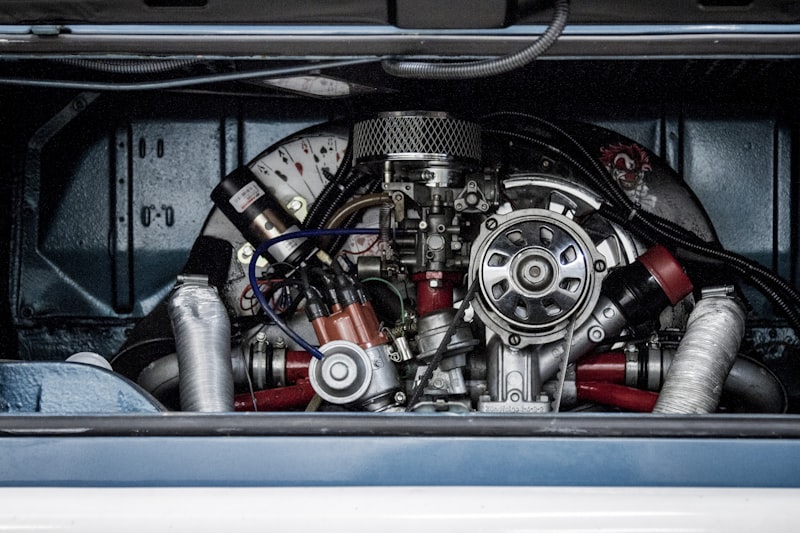
Turbochargers force more air into the engine. This helps the engine burn more fuel and create more power. However, compressing air also creates heat. Hot air is less dense, reducing the amount of oxygen available for combustion. Therefore, the engine cannot make as much power when the air is too hot. In addition, high intake temperatures raise the risk of engine-damaging “knock” or detonation.
This is where intercoolers come in. An intercooler is a type of heat exchanger. It cools the air coming from the turbo before it enters the engine. By doing so, the intercooler increases air density and helps you get more oxygen into every cylinder.
For drag racing, this is especially important. Racers often push their engines to the limit. Intake temperatures can easily exceed 150°F (65°C) after a few pulls. For example, according to Garret Motion, just a 100°F drop in intake air temperature can boost horsepower by 3 percent or more in a high-output turbo engine. That may seem small, but in racing, every horsepower counts.
In addition, lower intake temps prevent pre-ignition (or “knock”). This allows tuners to run more boost and more timing advance, making even more power safely. Therefore, an effective intercooler is essential for any serious turbocharged drag engine.
Types of Intercoolers: Air-to-Air vs. Air-to-Water
Practically speaking, there are two main types of intercoolers in the drag racing world: air-to-air and air-to-water. Air-to-air intercoolers use cooling fins and ambient airflow to drop charge temps. In contrast, air-to-water intercoolers use coolant and a heat exchanger to remove heat rapidly, which is useful for short bursts seen in drag racing.
Air-to-water designs are popular in high-boost setups where packaging constraints or very high power levels make air-to-air less practical. However, air-to-air units are simpler, lighter, and require less plumbing.
Because of this, many racers will choose a setup based on their car’s use, track conditions, and goals. For street/strip builds, upgraded front-mount air-to-air units are common. Dedicated drag cars often use large air-to-water tanks with ice for the coldest intake air during each pass.
Measurable Performance Gains: Power, Consistency, and Safety
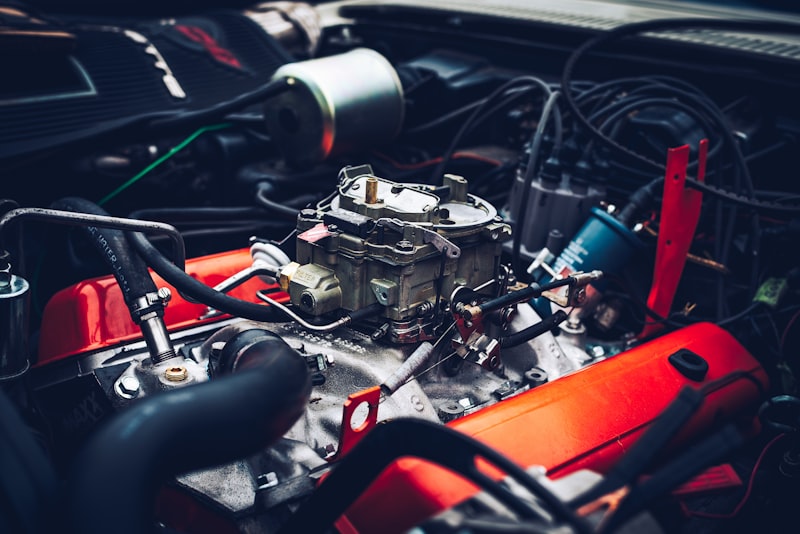
Intercoolers don’t just help in theory—they bring measurable performance benefits to turbo engines in real-world drag racing. Lower intake temps often equal more power and repeatable times at the track.
First, cooler air increases engine efficiency. For example, reducing intake temps from 175°F to 110°F in a 2-liter turbo engine can add 15-30 horsepower, depending on your setup and tuning aggressiveness. As noted by Engineering Explained, air density improves almost 10% with every 90°F drop, which means more oxygen and more fuel burned per combustion cycle.
Second, intercoolers make tuning safer. High intake temps make detonation more likely, especially with high-octane race gas or E85. With a large enough intercooler, your tuner can advance ignition timing and increase boost pressures. As a result, you get a larger and safer power margin.
Third, intercoolers increase consistency. They reduce heat soak—the gradual warming of the intake system during repeated passes. Therefore, your car makes similar power each run. This is critical for bracket and heads-up classes, where consistency wins races.
For example, on a typical drag car running 25 psi of boost, intake air can rise to 200°F without a proper intercooler. With a good air-to-water design, temps can drop below 90°F during a pass, slashing the risk of heat-related power loss and detonation.
Choosing the Right Intercooler: Sizing, Placement, and Build Tips
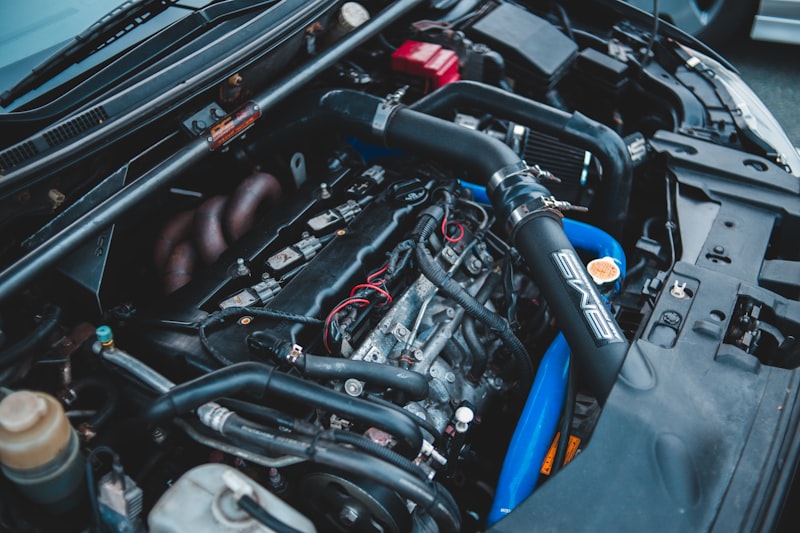
Selecting the right intercooler for your turbo engine is not just about size—it’s about matching your system to your racing goals. A unit too small will not cool the charge enough. One that’s too large can create unnecessary pressure drop, which is a loss of boost pressure between the turbo and the intake manifold.
For turbo drag racing engines, most builders recommend an intercooler rated for 1.5 to 2 times your peak expected power. For example, if your car produces 800 horsepower, look for one rated at 1200-1600 HP. This sizing gives plenty of cooling margin with minimal pressure loss.
Placement also matters. In air-to-air setups, mount the core in the front of the car, directly in the flow of cool incoming air. Make sure the airflow path is as unobstructed as possible. In air-to-water systems, racers often put a large ice tank in the trunk or passenger seat area, pumping super-chilled coolant through a thick-barrel core by the throttle body.
Core design comes into play as well. Bar-and-plate intercoolers are more robust and resist heat soak better. Tube-and-fin units are lighter but can be less efficient at extreme boost levels. Most modern drag cars use bar-and-plate for maximum cooling in high-pressure situations.
Piping should be kept as short and straight as possible. Sharp bends and long pipe runs increase pressure drop and slow throttle response. In fact, every extra foot of piping can raise lag and reduce the real benefit of your intercooler. Use high-quality clamps and hoses to prevent boost leaks—nothing is more frustrating than losing a race to a split coupler.
Reliability and Longevity: How Intercoolers Protect Drag Engines
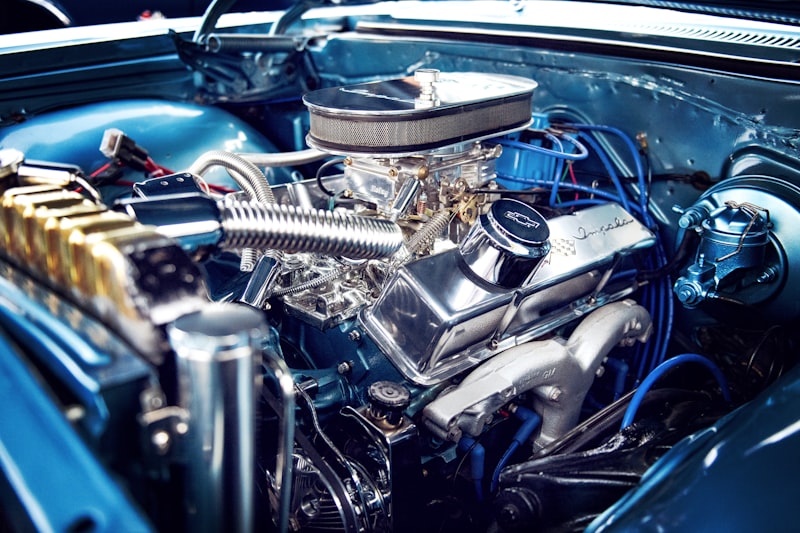
While making more power is important, keeping your engine alive throughout a drag season is just as critical. Intercoolers contribute to the long-term reliability of high-boost turbo engines in several key ways.
First, by lowering intake air temperatures, intercoolers protect pistons, valves, and spark plugs from thermal stress. At high boost, combustion chamber temps can spike to unsafe levels in a split second if intake air is not properly cooled. This can lead to melted spark plug tips, cracked pistons, or even engine failure.
Second, lower intake temps mean less risk of detonation or engine knock. Detonation is a fast, uncontrolled combustion that can damage cylinder heads or break ring lands. Intercoolers act as a first line of defense, ensuring incoming air stays below the detonation threshold. Because of this, your engine can sustain more aggressive timing and higher boost levels without risking short-term or long-term damage.
In addition, intercoolers help cooling systems work more efficiently. When intake air is cooler, the radiator and coolant systems are under less strain. This means cooler coolant temps and less risk of head gasket or cooling system failure, even during extended runs or hot-lap passes in bracket racing.
A real-world example: Many teams report that adding a properly sized intercooler drops oil temps by 10-15°F during hard runs. Lower oil temps mean less thermal breakdown and longer engine life between rebuilds.
If you’re building a drag car for repeated passes at maximum power, investing in a quality intercooler is not optional—it’s essential for any serious engine.
Practical Installation Tips and Common Mistakes to Avoid
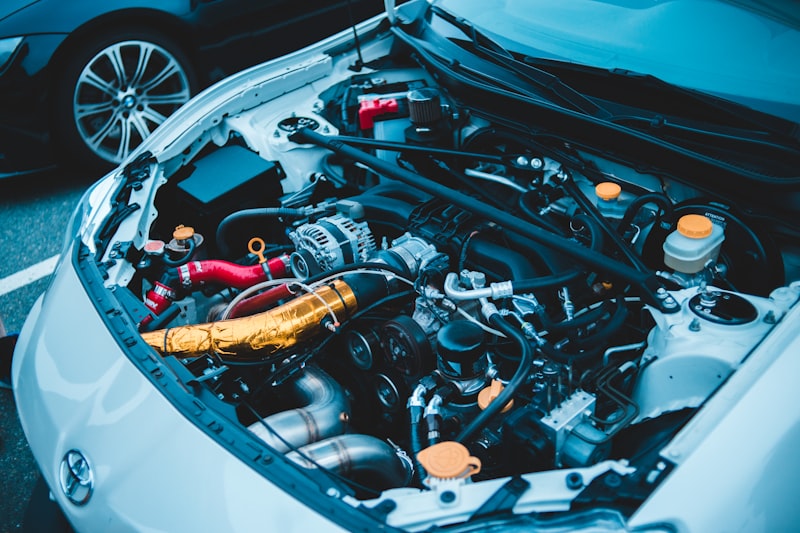
Choosing and installing an intercooler for a turbo drag racing engine involves some planning and attention to detail. Therefore, here are practical tips and pitfalls to help you get the most from your setup.
First, always check for adequate space before buying a core. Use cardboard mock-ups to test-fit sizing before ordering. This can save hours of cutting and welding, especially if your car has limited space behind the bumper.
Second, pay attention to airflow and ducting. Small gaps or blocked grilles can cut airflow and reduce efficiency. In fact, adding airflow ducting behind the intercooler can help guide hot air out of the engine bay, improving cooling further.
Third, when plumbing air-to-water systems, isolate lines from the exhaust and high-heat areas. Run insulated lines and, if possible, use heat reflective tape to prevent picking up unwanted heat on the way to the engine.
Common mistakes to avoid include using cheap silicone couplers and clamps. High boost levels can blow off poor-quality connections quickly. Always pressure-test your piping after installation to find any leaks early.
Finally, remember that maintenance matters. Regularly check for oil contamination or internal core blockage (oil leaks from the turbo can coat internal fins and reduce efficiency). Clean and inspect the intercooler at least every race season.
For more advanced tips and build guides, check respected sources like Motor Trend’s Tech Section for engine and turbo system tips directly from experienced racers.
Conclusion
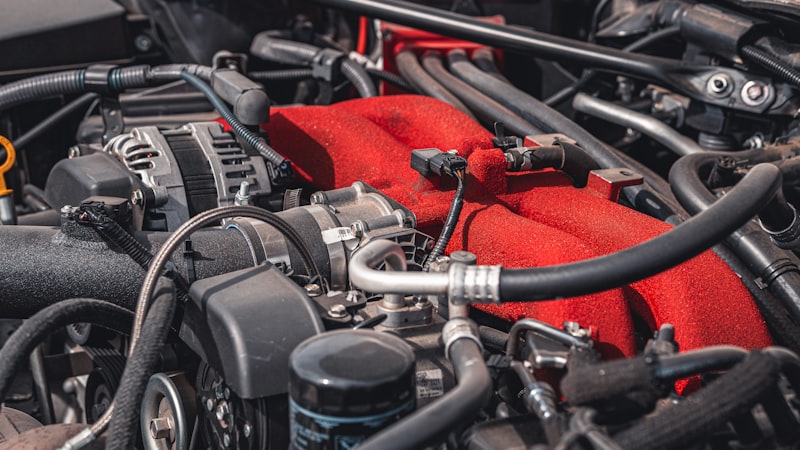
In summary, intercooler benefits for turbo engines explained goes far beyond just making more power. A quality intercooler improves power, consistency, and engine safety. It also protects against heat soak, detonation, and premature wear.
For drag racing, this investment pays off by helping you run cooler, safer, and faster passes, race after race. By choosing the right intercooler and maintaining your system, you keep your turbo setup running at its peak.
Are you planning your next turbo build or looking to upgrade for more power and reliability? Start with a high-quality intercooler—it could become the most valuable part of your engine bay.
Leave a Reply