


The engine turbo sound is one of the most iconic features of any high-performance turbocharged drag racing car. Many drag fans love how the whistle, spool, and flutter announce a beast under the hood. Others wonder if that turbo sound means more than just noise. In fact, engine enthusiasts debate what makes up this unique soundtrack, and how it impacts real racing performance.
Understanding turbo sound is not just about making noise. For drag racers and tuners, the right turbo sound can mean real data about power, boost control, reliability, and even engine health.
In this article, we will explore how the distinct turbo sound is produced, what it reveals about your setup, and how you can fine-tune it for the drag strip. We will also cover the role of turbo kits, internals, fueling, and more. This will show how every decision in your build impacts not only the sound, but also your car’s performance and reliability.
What Makes Engine Turbo Sound? The Science Behind the Whistle and Flutter
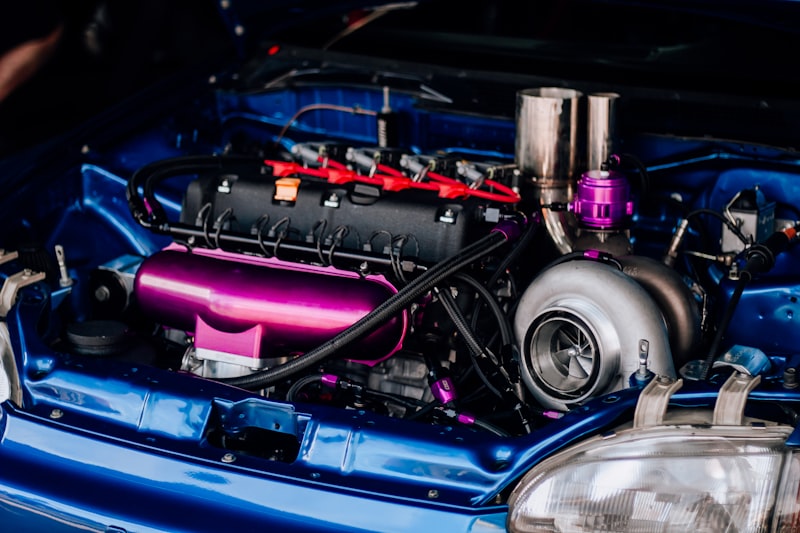
When people hear the high-pitched whistle or loud “whoosh” from a turbocharged engine, they often simply call it the turbo sound. However, that sound is actually a combination of several factors working together. Understanding them can help you optimize your drag racing setup. Veja tambem: Engine Turboprop: Performance Insights for Turbo Drag Racing Builds.
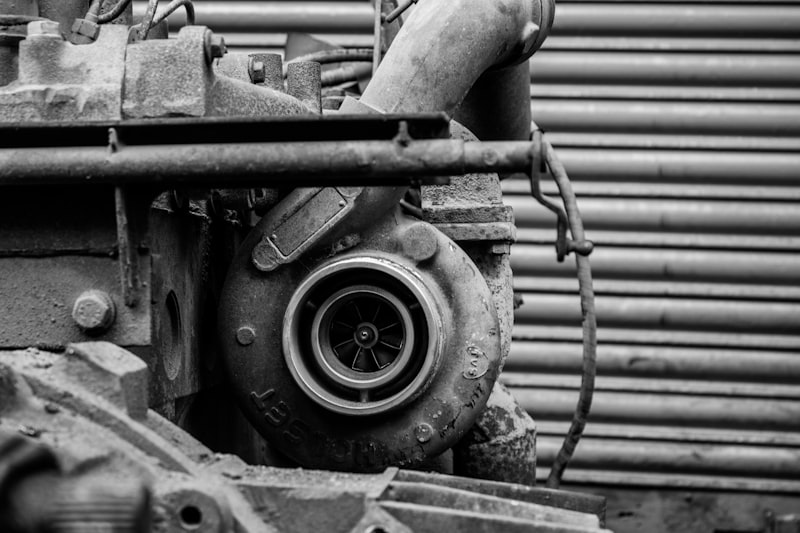
First, the heart of this sound comes from the turbo itself. As exhaust gases spin the turbine, the compressor wheel forces more air into the engine. The speed at which these components spin can exceed 100,000 revolutions per minute (RPM). This high-speed airflow creates the signature turbo whistle or spool sound. Veja tambem: Engine Turbocharger Function: How It Powers Modern Drag Racing Engines.
However, the sharp “flutter” you might hear between gear shifts or after backing off the throttle is often due to compressor surge. This happens when the throttle closes quickly, but the turbo is still spinning. Pressurized air has nowhere to go and pulses backward through the turbo, causing that distinct flutter. It is common in drag racing setups with big turbos and open air intakes.
On the other hand, the size, type, and design of the turbo all change the sound profile. Larger turbos usually make a deeper, louder whistle. Ball bearing turbos spool up faster, changing not only the power delivery, but the intensity and length of the spool sound. For example, a Garrett GTX4088R on a 2JZ engine will sound sharper and spool more aggressively than a smaller journal-bearing turbo.
In addition, the exhaust system greatly affects what you hear. A straight pipe design with minimal mufflers will let more turbo noise exit. In contrast, a restrictive exhaust quiets the sound but may affect performance.
Finally, atmospheric blow-off valves (BOVs) add another layer of turbo sound. When you lift off the throttle, these valves release boost, making a loud hissing or “psshh” noise. In drag racing, tuners often use high-flow BOVs for both performance and dramatic sound. For example, the Tial Q BOV is popular because it releases pressure quickly and creates a crisp, sharp sound.
Because of this, turbo sound tells the driver and tuner a lot about what’s happening in the system. If the sound changes, it can mean boost leaks, worn turbo bearings, or other issues. Therefore, paying close attention to engine turbo sound is more than just an auditory pleasure—it’s a tool for serious racers.
How Engine Modifications Affect Turbo Sound: Turbo Kits, Internals, and More
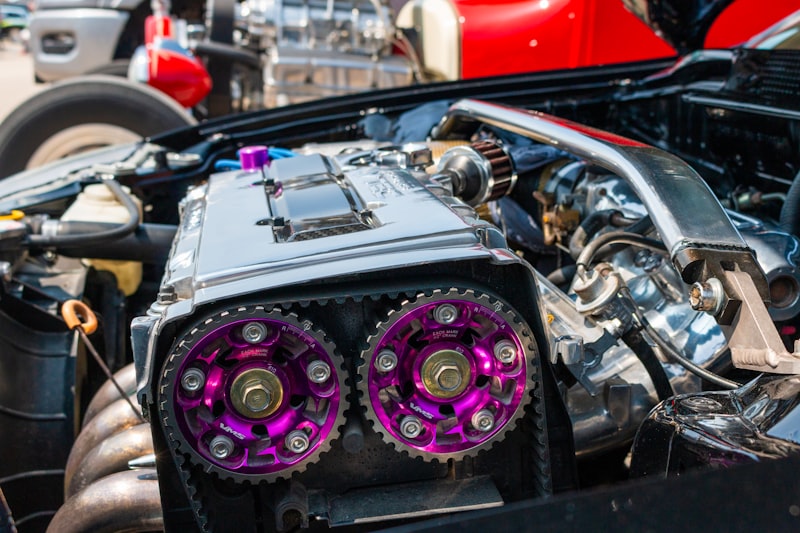
Every drag racing setup is different. Choices in turbo kits, internals, and engine tuning not only affect horsepower, but also change how your turbo sounds on the track. Because every part affects airflow and exhaust gas speed, even minor changes can have dramatic audio effects.
First, turbo size is the main factor. Large frame turbos, such as the BorgWarner S400 series, create a lower-pitched, heavier whistle. These turbos take longer to spool but deliver massive power. Smaller turbos, like the Precision 6262, spool earlier and create a higher-pitched whine.
Second, the intake system matters. Short, straight intakes or open filters close to the turbo compressor will amplify the whistle and spool. In contrast, a long or confined intake will muffle it. Some racers even mount velocity stacks to boost that distinctive sound, although this is usually for the track only.
On the other hand, the exhaust manifold design also shapes the turbo sound. Equal-length tubular manifolds promote a crisp, high-frequency whistle. Log-style manifolds are more muted. Turbo kits designed for drag racing usually pick designs that focus on both performance and sound.
Internal engine changes, like forged pistons and rods, may not directly affect sound, but allow higher boost levels. As a result, higher boost means faster turbo speeds and louder, sharper sounds. However, running more boost requires supporting upgrades—otherwise, the sound could become a warning sign of engine strain or even failure.
Because of this, fueling systems play a crucial role. A lean mixture can cause detonation, changing exhaust tone and risking engine damage. Tuners often use wideband O2 sensors to monitor air/fuel ratios and listen for “knocking” sounds under boost.
Ignition timing is another factor. Aggressive timing can cause sharp pops and bangs on deceleration, while conservative timing keeps the sound smoother. Ignition upgrades, such as coil-on-plug conversions, help handle the intense demands of boosted drag racing.
For racers chasing extreme power, boost control devices like electronic boost controllers allow precise management of when and how the turbo delivers pressure. Adjustable controllers, like the Turbosmart e-Boost2, let you tune both performance and sound across different drag racing scenarios.
In summary, every engine modification—from turbo kit to fueling—changes the engine turbo sound. In fact, for experienced drag racers, this sound is a quick way to check if everything is working as intended.
The Role of Engine Turbo Sound in Drag Racing: Performance, Tuning, and Reliability
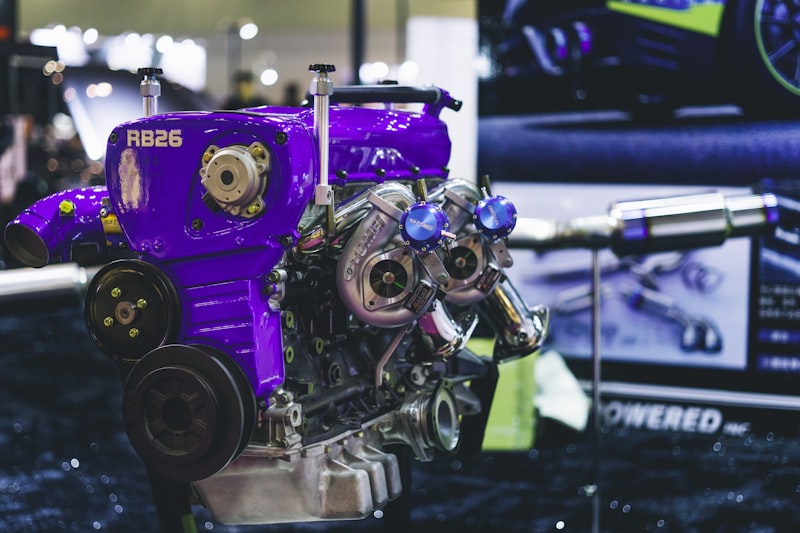
Many believe the iconic turbo sound is only for show. However, in competitive drag racing, it can provide critical feedback for performance and reliability. Indeed, tuning by ear—combined with real data—is a tradition among top racers.
First, a healthy, consistent turbo sound often means stable boost and good airflow. If you suddenly hear a new flutter or whistle, it may point to a boost leak, loose coupler, or intake restriction. For example, a racer might notice a sudden loss of turbo whistle at high RPM. On inspection, a split silicone coupler or missing clamp is the usual cause.
On the other hand, a high-pitched “siren” sound from the turbo could signal failing bearings. This is a warning to check for oil supply issues or excessive shaft play.
In modern drag racing, data loggers and sensors play a big role. However, experienced tuners still rely on turbo sound clues during warm-ups, launches, and passes. For instance, the sharp “chatter” of compressor surge under launch boost tells the tuner to adjust the blow-off valve spring or throttle lift strategy.
For those new to boosted engines, the Grassroots Motorsports guide explains different turbo sounds and what they reveal. As a result, listening as you tune can help catch airflow or pressure problems early—before they cause damage or an expensive DNF.
Sound also matters for track safety. Most tracks have strict decibel limits. Open turbo cars with straight pipes are often flagged for exceeding 120 dB at full boost. Therefore, if you want massive sound and big boost, you may still need a silencer or turbo-muffler to stay within track rules.
In addition, the culture around turbo sound continues to grow. Some drag racers intentionally tune for a dramatic flutter between shifts or massive blow-off release. This is sometimes called “choo choo” or “stustustu,” depending on how the compressor surge or BOV is set up. However, excessive compressor surge can damage the turbo over time, so balance is key.
Finally, understanding turbo sound helps diagnose engine health. A sudden raspy exhaust, drop in spool sound, or change in BOV pitch is often the first clue of piston damage, exhaust leaks, or timing problems.
How to Tune and Control Your Turbo Sound: Practical Tips for Drag Racers
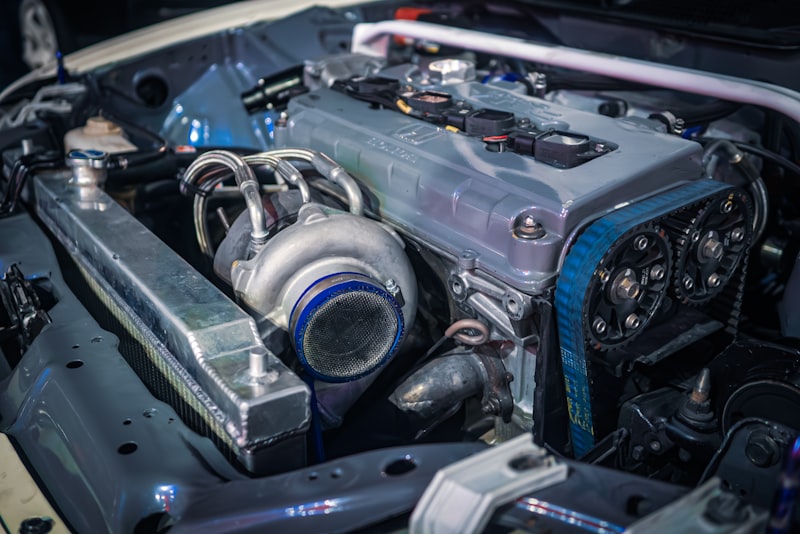
Given its importance, many drag racers look for ways to control and fine-tune turbo sound. With the right approach, you can improve both the sound and performance of your setup.
First, use a quality air intake with a high-flow filter. For example, an AEM DryFlow or K&N cone filter will boost the turbo whistle and protect the engine. Mount the filter close to the turbo for maximum air sound. However, shield it from engine bay heat to avoid heat soak.
Second, the choice of blow-off valve has a big impact. Atmospheric BOVs make the sharpest “pssh” sounds. Brands like Tial, HKS, or Turbosmart are used by pro drag racers and deliver crisp vent-to-atmosphere noise. Recirculating valves are quieter but can help with response.
For exhaust, a straight-through system with minimal bends and no mufflers delivers the loudest turbo sounds. Still, check track or local noise rules. High-quality v-band clamps and tight welds prevent leaks that could hurt both sound and boost.
If you want more compressor surge flutter (the “stustu” sound), use a stiff BOV spring or run with no BOV. However, be aware this approach can shorten turbo life. Balance performance desires with long-term reliability.
Boost controllers also offer a way to adjust both response and sound. For example, ramping up boost in stages creates a longer, louder spool and more dramatic sound off the line.
Data logging is key. Use sensors for boost pressure, intake air temp, and exhaust temperature. Compare what you see with what you hear. If you hear a change in turbo sound, check your logs for matching pressure or temperature changes. This helps catch problems early.
For those who want deep technical advice, the Honeywell Garrett blog breaks down how different turbo, intake, and exhaust setups alter sound and can impact engine health.
Finally, always remember that big sound means big airflow. Make sure all supporting systems—fuel pump, injectors, ignition, internals—can handle the increased power. Otherwise, upgraded sound may come at the cost of reliability.
Conclusion
The engine turbo sound is more than just an attention-grabbing feature for drag racing fans. In fact, it is the audio fingerprint of your car’s build, revealing key details about airflow, boost control, and even engine reliability.
By understanding where the sound comes from and how modifications affect it, you gain another tool to fine-tune your drag racing setup. For best results, tune your engine by both ear and data. Listen for changes, compare them with your sensors, and make adjustments as needed.
It is this blend of science, technology, and real-world feedback that makes turbocharged drag racing exciting. If you want to learn more about maximizing performance, reliability, and sound, keep exploring guides here on ecredexa.com. Your next winning pass may come from what your turbo tells you.
Leave a Reply