

Knowing the best safety rules is not just valuable for competitive drag racers, it is essential. Following these guidelines helps prevent accidents and ensures that every run down the strip is as safe as possible.
Each year, sanctioned tracks and sanctioning bodies update their safety requirements. Therefore, it is critical to stay on top of the latest safety procedures, understand the track rules, and make sure your vehicle meets all requirements.
In this article, you will find the best safety rules for drag racing in 2026, including information on track rules, staging procedures, the use of flags and lights, and essential safety equipment. Following these best practices helps you stay compliant and safe, whether you are racing in a local event or at a national competition.
Track and Pit Best Safety Rules: What Every Racer Must Follow
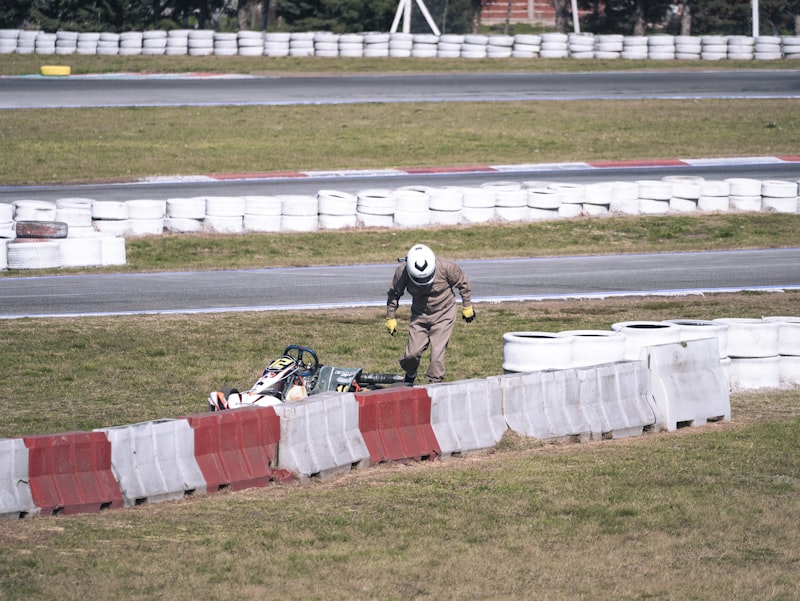
Track rules are the foundation for a safe drag racing environment. In 2026, NHRA- and IHRA-sanctioned tracks enforce strict protocols. All participants and their crew members must follow these safety rules at all times.
First, wearing the correct wristband, pass, or armband is necessary to enter any restricted area. In addition, you must follow the directions of officials and security staff at all times. Failure to do so may result in ejection or a ban from further participation.
No racer should ever move their vehicle in the pit area above 5 mph. This rule helps prevent accidents with pedestrians. For example, the NHRA Rulebook strictly limits speeds in non-racing areas. Similarly, every pit must have a clearly marked fire extinguisher easily reachable in case of emergency.
Open flames, smoking, and welding are not allowed in fuel storage or refueling areas. Therefore, always refuel your vehicle in designated zones and never while the engine is running. This approach reduces the risk of fires and explosions.
Spectators must stay in marked areas for their own safety. Racers must ensure that no unauthorized people are near the starting line, return road, or staging lanes during live events. Every year, incidents occur simply because someone steps out of bounds.
Another important rule is to keep your pit clean and free of spills. Oil, fuel, and coolant on the ground are slip hazards. Track staff will inspect racing pits and issue warnings or citations for repeated messiness.
In summary, respecting these basic safety rules protects not only you but everyone at the track. Failing to comply puts others at risk and could end your racing day before it starts.
Understanding the Role of Marshals and Officials
Track marshals and officials are present to enforce safety and offer help. For example, if you see a marshal waving a flag, stop and ask for clarification. Do not argue with staff, since their decision is final. In fact, tracks keep records of repeat offenders and share them with sanctioning bodies. Working with, not against, the staff keeps events moving and everyone safe.
Staging Procedures and Vehicle Inspection for Safe Racing
Once at the track, staging procedures keep racing organized and fair. Following the right approach during staging is one of the most important ways to avoid breakdowns, collisions, or delays.
When called to staging lanes, move quickly but safely. Do not use cell phones or high-volume radios. Focus on starter cues and staff instructions. In addition, keep your window rolled down so you can hear announcements.
Next, each racing session begins with a tech inspection. Officials look for leaks, loose wires, battery cut-offs, and correct tire pressure. This inspection stops unsafe cars from going down the track. For example, the IHRA reported a 20% drop in racing incidents after raising tech inspection standards in 2025.
Vehicles must have secure seat belts, functional brakes, and a battery tie-down. In fact, many tracks will not let a car stage without checking the helmet and fire suit certifications. For high-horsepower or faster classes, roll cages and parachutes are required. You can find full requirements at the IHRA official page.
Staging also includes correct placement of the car at the line. Do not break the staging beam until ready. If you false start or roll through the lights, officials may disqualify the round. Additionally, remain in your car and watch for the all-clear signal before proceeding to the burnout box.
On race day, do not rely only on memory. Check your car’s safety gear before each session. This habit helps discover problems before they become dangerous.
Flags, Lights, and Signals: Essential Track Safety Communication

Clearly understanding the flags and signal lights at drag strips is vital for every racer and crew member. Most tracks use a standardized set of colors and signals to communicate important messages.
The “Christmas Tree” is the core of any drag racing track. It uses colored lights to signal staging, starting, and fouls. When the top pair of white lights are lit, both racers are staged correctly. Countdown lights show when to launch. Red light means you left too early, resulting in a foul.
In fact, many incidents occur when racers miss a change in flag or do not understand the signal. Therefore, always review your track’s signal system before an event. Marshals may also wave colored flags to stop, warn, or alert drivers of hazards.
- Green flag/light: Track is clear and racing is in progress.
- Yellow flag/light: Caution. Slow down and look for hazards or debris.
- Red flag/light: Stop at once. There may be an accident or track emergency.
- Blue flag: Often used to show that a faster car is approaching or for lane clearance.
- Roll cages: Required for any vehicle running under 11.50 seconds, or any open-top vehicle. Welds must be inspected yearly by track staff.
- Fire suppression: A built-in fire system is now mandatory in many heads-up and pro classes. Hand-held extinguishers rated for automotive fires are required in all pits.
- Parachutes: Any car capable of over 150 mph must have a working parachute. Check deployment cables for frays or damage.
- Electrical cutoff: All cars need an external master cutoff switch accessible by emergency staff.
- Make a checklist for every race.
- Inspect gear and car systems before loading up.
- Replace any gear that is out of certification.
- Train new crew members on emergency response.
For example, in 2025, several major tracks started using flashing blue LEDs for ramped up warnings. Because of this, you must pay attention to both traditional flags and new electronic systems. Failure to respond to signals is a common violation and can result in penalties or bans.
Pro racers train to react instantly to signals, practicing with simulated starts and stops. Even if you are a weekend warrior, reviewing the flag and light rules each season makes a major difference in safety.
Essential Personal and On-Car Safety Equipment in 2026
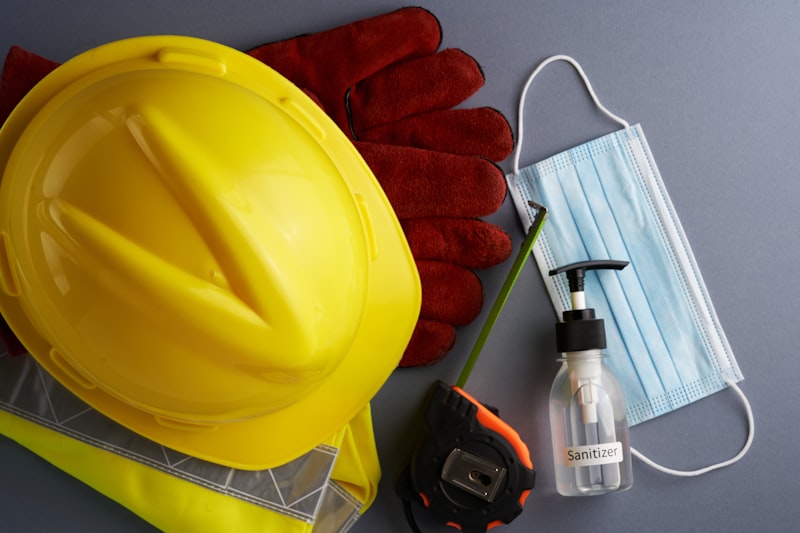
Racing gear has advanced in recent years, but having the correct equipment is still the foundation of safe drag racing. Track rulebooks will list minimum and suggested equipment for each racing class. However, every driver must check their own gear for compliance and wear.
First, always wear a full-face helmet approved by Snell or SFI standards. Open-face helmets are rarely accepted, even in entry-level classes. Inspect your helmet for cracks or wear before every race day.
Fire-resistant suits are required in almost all classes. For cars running under 10 seconds in the quarter mile, you must use a multi-layer fire jacket and pants with SFI ratings. In fact, the National Hot Rod Association (NHRA) now advises all racers to use a neck collar or head-and-neck restraint for extra neck safety.
Seat belts or harnesses must be up to date and tightly secured for every pass down the track. SFI-certified belts are the standard. However, many racers forget that harnesses expire after a set number of years, even if they look good. Check the date tags each season.
In fact, advanced tracks offer annual tech classes to show racers how to inspect and maintain safety gear. Take advantage of these programs. Many racers credit their safety training for helping to avoid serious injury after a crash.
Although some rules seem strict, they protect drivers, crew, and fans. Upgrading your personal protective equipment (PPE) is an investment in your life and the future of the sport.
Tips for Safe Track Day Preparation
This level of preparation may seem time-consuming at first, but it prevents injuries, fines, and lost race days. In summary, do not treat safety gear as optional. The newest tech can mean the difference between walking away and a life-changing event.
Conclusion
Staying safe at the drag strip is everyone’s responsibility. The best safety rules cover more than just vehicle preparation. They include respecting track staff, understanding signals, and wearing up-to-date gear. Because of this, every racer should take time before each event to review all current protocols and check their equipment for compliance.
Following these guidelines builds a safer racing environment for all competitors, crew, and fans. For more details, always check with your track’s official rulebook and talk to experienced race officials. In summary, making safety your top priority will let you race with confidence now and in the future.
Ready to hit the track? Start by double-checking your safety gear and sharing this article with your racing friends. Stay safe, race smart, and enjoy every pass down the strip!
Leave a Reply