

Choosing the best classes for aspiring professional racers is the first important step toward a career in drag racing. In 2026, picking the right class can shape your racing skills and future opportunities.
Many new racers want to know how to start, which classes make sense, and what each class involves. In fact, understanding these details is key to building a path from amateur tracks to the pro ladder.
Drag racing includes various competitive classes, each with its own rules, vehicles, and challenges. Because of this, finding the right fit is critical for your growth as an aspiring professional. This guide will detail racing classes, the pro career ladder, rules, and practical advice for building your dream on the track.
Understanding the Best Classes for Aspiring Professional Racers
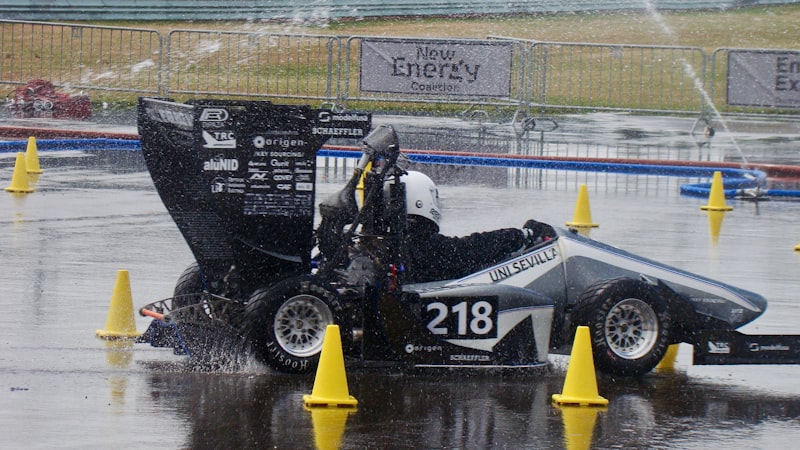
When looking for the best classes for aspiring professional racers, you must consider your goals, budget, and skill level. The drag racing world offers a structured path. It begins with entry-level classes, then leads to the highest pro categories. Veja tambem: How to Qualify for Top Racing Classes: A Complete 2026 Guide.
Entry-Level and Sportsman Classes
First, beginner racers often start in Sportsman classes. These classes are the foundation for new competitors. NHRA and IHRA, the key sanctioning bodies, support these classes widely across the U.S. Veja tambem: Common Mistakes in Pro Racing Classes: Avoiding Costly Errors.
Junior Dragster: This class is for racers as young as five. Here, small dragsters powered by single-cylinder engines allow kids to learn basic racing skills. The Junior Dragster path is serious—many current NHRA and IHRA stars started this way. Therefore, families seeking a long-term racing investment often pick this route. Veja tambem: Racing Culture and Its Influence on Classes: How Categories Evolve.
Street Legal/Bracket Racing: For adults without pro-level resources, street legal and bracket racing classes provide a great entry point. In these classes, you can race a nearly stock car. Bracket racing uses a time handicap, so all drivers have a fair shot regardless of car performance. These classes let racers focus on reaction time, consistency, and track experience rather than pure horsepower.
Super Classes (Super Gas, Super Comp, Super Street): In these classes, cars must match a set index time. For example, Super Comp is an 8.90-second index. Racers here need strong tuning and driving skills. Success in super classes often leads to attention from pro teams. In summary, entry-level and sportsman classes are perfect for racers building discipline and core racing habits.
Practical Implications
Beginning in the right class teaches safety and respect for racing rules. More importantly, most pro sponsors and teams watch lower classes for new talent. For example, Brittany Force and Erica Enders both built their skills in junior and sportsman ranks before moving up. As a result, starting small prepares you to handle bigger horsepower, more pressure, and higher stakes down the road.
For more details on junior and sportsman classes, visit the NHRA Beginner’s Guide.
Professional Categories: Moving Up the Ladder
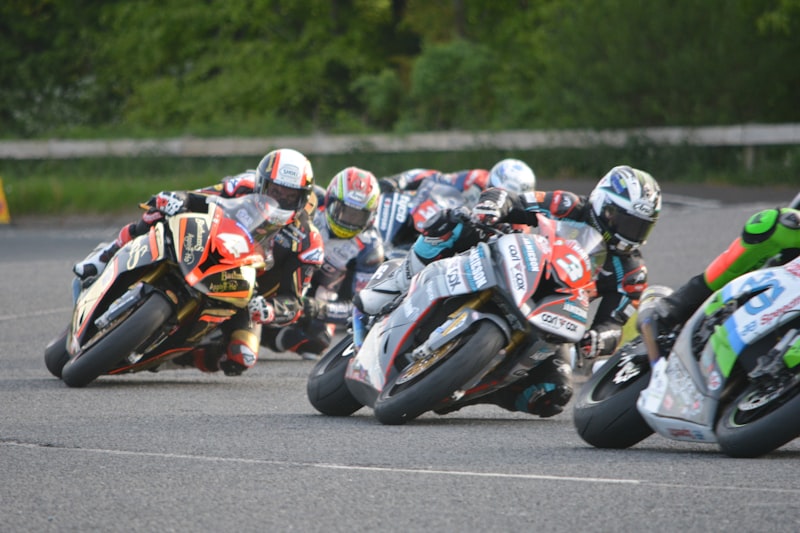
After you succeed in amateur and sportsman classes, the next step is professional categories. These top-tier classes are where the best racers battle for big purses, national titles, and history.
National Pro Classes
Pro Stock: This class is a favorite for aspiring pros due to its focus on driving skill and car prep. Pro Stock cars use powerful V8 engines but resemble factory-built cars. In 2026, the average elapsed time (ET) hovers around 6.5 seconds at over 210 mph. Strict engine and chassis rules keep the field close, so winning requires skill and smart setups.
Funny Car: These crowd favorites run with full-bodied shells over tube chassis frames. Funny Cars use nitromethane (a fuel blend) and produce more than 11,000 horsepower. As a result, they reach over 330 mph in less than four seconds. This class is demanding, both physically and financially. Many legends such as John Force started in lower classes before moving to Funny Car.
Top Fuel Dragster: The pinnacle of drag racing, Top Fuel is where technology, raw power, and reaction times blend at the highest level. Top Fuel dragsters hit 0-100 mph in under one second. Therefore, only racers with strong experience and proven adaptability thrive here. Typically, drivers spend years moving up through sportsman and semi-pro ranks before getting a Top Fuel drive.
Pro Mod (Pro Modified): Pro Mod is for those who love innovation. These cars use turbocharged, supercharged, or nitrous engines. Their diversity makes them a testing ground for new technology. For example, in 2026, electric Pro Mods are gaining popularity for their instant torque and unique tuning needs.
How to Move Up
To join a pro class, you must earn a competition license. You also need approval from racing organizations. In addition, you must show strong sportsmanship and build relationships with teams and sponsors. Most aspiring pros join a team as a crew member or test driver first. This helps with learning from inside the sport, so the jump to driving is smoother.
Key Regulations and Safety Requirements for Advancement
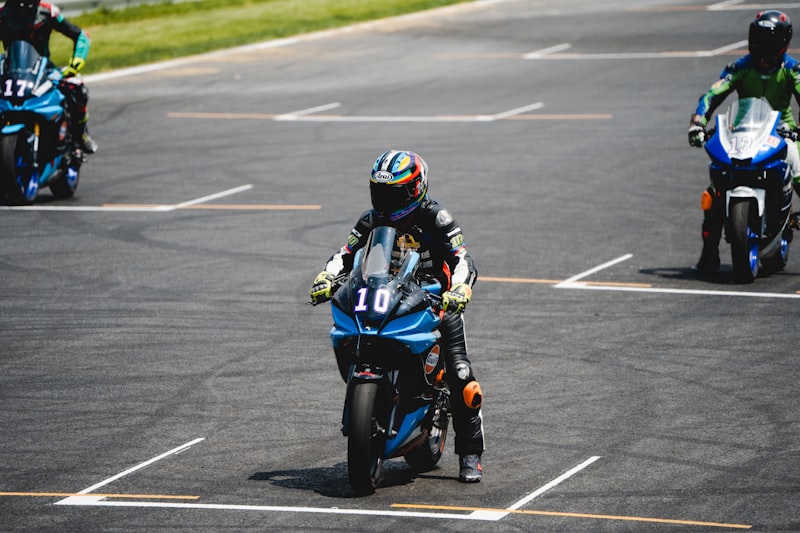
Every drag racing class, from beginner to pro, follows strict regulations. Understanding and following these rules is central to safe and fair racing.
Licensing Steps
First, every pro hopeful must get an NHRA, IHRA, or other relevant license. Lower classes require simpler licenses, while pro categories involve tough tests. You must pass both written and track tests, and you need sign-off from an official. For example, a Top Fuel license demands you safely complete several full-power runs, showing control and skill.
Safety Gear and Vehicle Standards
In racing, safety isn’t optional. Each class has minimum standards for helmets, fire suits, roll cages, harnesses, and even window nets. As racers progress, safety demands grow. For instance, Top Fuel drivers need custom fire suits, HANS devices (neck supports), and sometimes even on-board oxygen supplies.
Track regulations matter too. Many classes only run at tracks with top-level safety crews, sand traps, and emergency vehicles. This focus on safety protects drivers and keeps insurance costs reasonable for events.
Rulebook Example
The official NHRA Rulebook is updated yearly. Keeping up with these changes is key. In 2026, electric vehicle (EV) guidelines are a hot topic. New rules set limits on battery packs, chassis strength, and isolation requirements for EV race cars. These updates aim to keep speed advances safe for all competitors.
How the Pro Racing Ladder Works in 2026
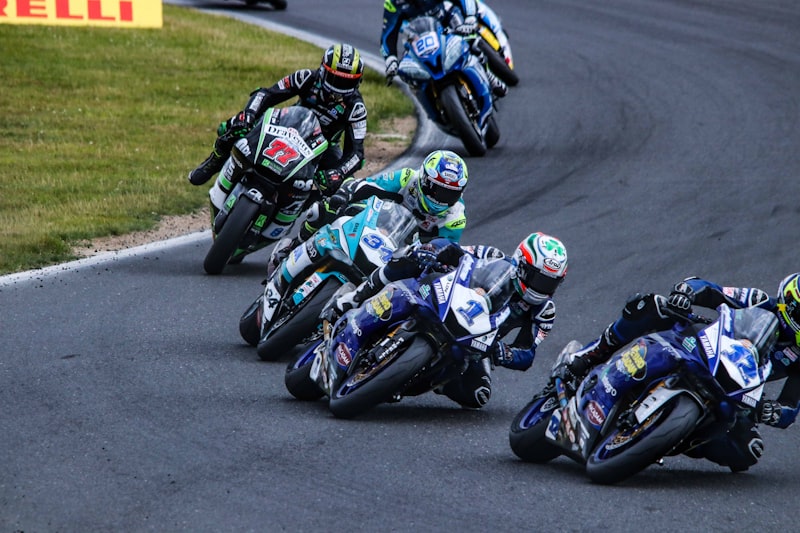
Reaching the pro ranks in drag racing is a journey. The pro ladder follows a proven path, shaped by years of tradition and recent changes in 2026.
Progressing Through the Ranks
First, most pro racers begin in Sportsman classes. After showing strong results, racers may move to semi-pro regional classes or specialized events like NHRA’s Top Dragster and Top Sportsman. These classes are often the last step before national pro categories.
Next, racers build connections with teams, crew chiefs, and sponsors. Testing and tuning roles are common stepping stones. For example, in 2026, Pro Stock teams increasingly recruit top Sportsman drivers. Success here can mean a test session in a Pro car.
Finally, with skill and support, drivers gain their license for pro competition. They enter the main events, qualify against the nation’s best, and race for points and prize money. Consistency, professionalism, and a reputation for fair competition help drivers keep moving up or even change classes to find more success.
The Role of Sponsorship and Networking
It’s important to remember that talent alone isn’t enough. Today’s pro racing relies on sponsors, media skills, and personal branding. For example, topping national events requires funds for travel, entry fees, car parts, and a full-time crew.
Therefore, aspiring pros must learn to pitch to sponsors, network at races, and build a social following. Attending industry events, such as PRI (Performance Racing Industry) and SEMA, can open doors to new partnerships and mentorships.
Practical Advice: Gaining Experience and Exposure
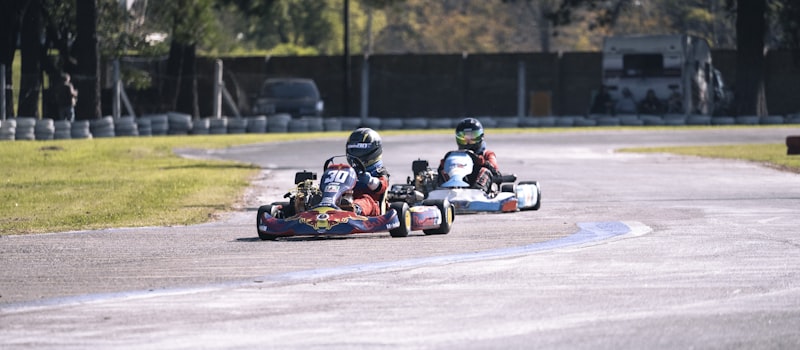
Getting seat time and attention is as important as winning trophies. Because of this, there is a clear set of best practices for aspiring racers.
Get Involved Regionally
Regionally sanctioned races offer real-world experience against diverse fields. These events improve reaction times, build confidence, and help you learn to tune under changing track conditions. In addition, many scouts and sponsors attend regional events to watch for up-and-coming talent.
Volunteer or Crew for Teams
Many racers start as volunteer crew for advanced classes. Doing so helps you learn car prep, data logging, and pit strategy. This first-hand experience is priceless, especially when moving up to faster and more complex vehicles.
Invest in Driver Development
Attend racing schools and safety seminars. There are well-known schools such as Frank Hawley’s Drag Racing School or the Doug Foley Drag Racing Experience. They offer hands-on pro-level training. This investment can fast-track your learning and often includes real race seat time.
Build a Race Resume
Track your records: reaction times, ETs, wins, and learning milestones. In fact, teams and sponsors often request a racing CV. List every class, car, and special event you have raced. Include references from experienced tuners or crew chiefs who have seen your performance.
New Trends: Electric and Alternative Classes in 2026
The racing scene changes every year, and 2026 is full of innovation. In fact, electric drag racing is booming.
Growing EV and Hybrid Classes
Many tracks now offer dedicated EV brackets. These races focus on electric and hybrid cars, with classes for both street and purpose-built vehicles. For example, the NHRA’s Factory Stock Showdown now includes electric muscle cars from major makers.
Opportunities for Young Innovators
Young racers with skills in technology and engineering may find the EV route exciting. Tuning electric motors, battery packs, and chassis for speed takes both driving and engineering smarts. Because of this, more new racers move to these advanced classes each season.
According to the NHRA’s tech news, electric dragsters can now reach 200 mph in under five seconds. As this trend grows, learning to race in these classes can set you apart for future sponsorship and development deals.
Best Resources to Navigate Your Racing Career
Accessing the right resources makes a huge impact. Whether you are in a beginner class or ready to go pro, connecting with the right groups is vital.
- Sanctioning Body Websites: The NHRA, IHRA, and local organizations publish the latest class updates, safety requirements, and event calendars.
- Racing Schools: Certified schools help racers of all levels improve technique and pass licensing tests. Most offer classes in both gas and electric vehicles.
- Motorsport Forums and Social Media: Platforms like Dragzine, Competition Plus, and Motorsports.com offer news, insider interviews, and peer advice.
There are also scholarships, grants, and youth initiatives available for new racers. These programs support diversity and help talented racers move up, regardless of budget.
Conclusion

Choosing the best classes for aspiring professional racers is critical for anyone aiming at pro drag racing in 2026. A smart path begins in entry-level classes, grows with experience, and leads to pro ranks through hard work and dedication.
By understanding class types, following safety rules, building experience, and keeping an eye on emerging trends, you can create a strong foundation for your racing career. Take the first step—find the right class, join a race, and launch your journey toward the pro ladder. For deeper information, visit the official NHRA site and start planning your path to success.
Leave a Reply