

Finding the best affordable cars for drag racing beginners can make all the difference when you head to your first test-and-tune night or entry-level race. If you’re new to this exciting motorsport, you may feel unsure about what to look for in a beginner car.
Fortunately, you do not need to break the bank to get started. Many cars offer the right mix of performance, upgrades, and reliability. In this article, you will find easy-to-understand tips, real examples, and practical advice for getting started in drag racing on a budget.
What Makes a Great Beginner Drag Race Car?
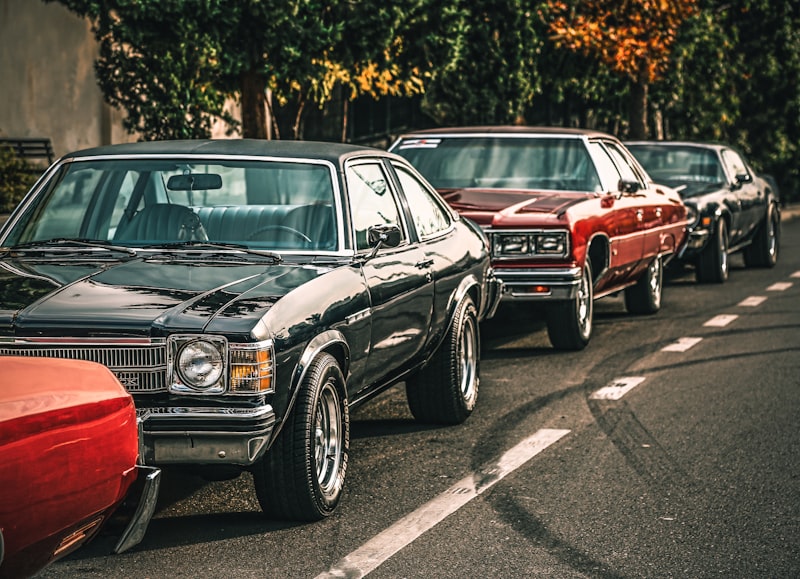
When choosing among the best affordable cars for drag racing beginners, several key factors matter. Performance is important, but you also need a car that’s easy to work on and cheap to maintain. For new racers, reliability and simplicity are critical. Drag racing puts heavy stress on vehicles, so you want a car that stands up to repeat runs.
In addition, parts must be available and affordable. You will likely need to repair, upgrade, or even replace components as you gain experience. Popular models have bigger communities of fellow racers. This means more guides, parts swaps, and troubleshooting help. For example, American muscle cars from the 1990s and 2000s, like the Ford Mustang or Chevrolet Camaro, are easy to find and cheap to fix.
Set your budget before you buy. Most beginners start with $5,000–$15,000 for the car and initial upgrades. This keeps costs in check while still allowing for some basic modifications, such as tires and intake systems. Think through your long-term goals as well. Do you plan to drive the car on the street, or will it be only for track use? Street-legal cars often have more rules, while a dedicated race car lets you focus on pure speed.
Another factor many new racers overlook is weight. Lighter cars do not need as much power to go fast. They cost less to upgrade and often have less wear and tear after long nights at the track. Four-cylinder and V6 cars, in fact, can be very competitive with the right setup.
Safety is another top concern. Double-check that the seat belts, brakes, and tires all meet your track’s rules. In some cases, you may need to add a helmet or fire extinguisher before your first run. Review your local track’s beginner night requirements—they often offer low-pressure environments perfect for first-timers.
Therefore, the best approach is to buy a car that balances price, reliability, available upgrades, and safety. This sets you up for fun weekends at the track without costly surprises.
Key Questions Before You Buy
Before choosing a beginner drag car, ask yourself:
- Will I drive this car daily, or only at the track?
- Can I fix or upgrade parts on my own, or will I need a shop?
- Is there a strong community or online forum for this model?
- What are common repair costs?
These answers will steer you toward a car that matches your skills and budget.
Top 6 Affordable Cars for Drag Racing Beginners in 2026
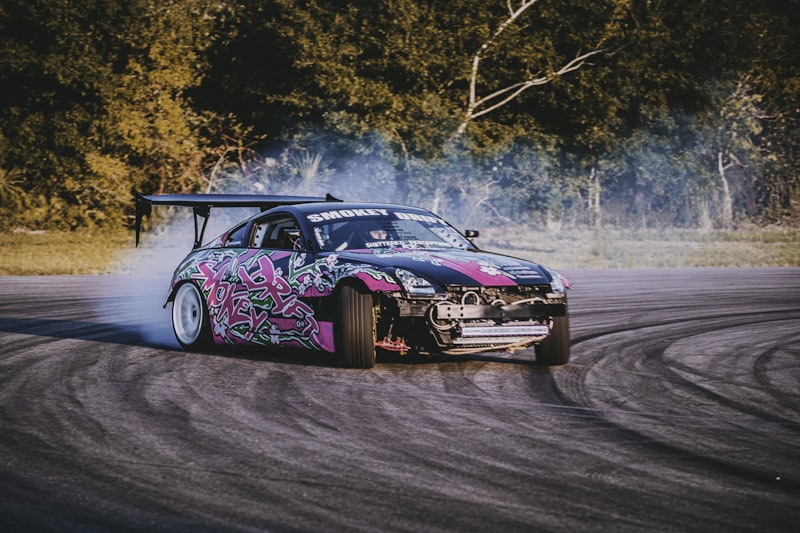
In 2026, several models stand out as the best affordable cars for drag racing beginners, offering power, reliability, and value. Prices are based on current market averages from trusted sites like Kelley Blue Book and Hagerty.
1. Ford Mustang GT (1999–2004, SN95/New Edge)
The late ‘90s and early 2000s Mustang GTs are favorites for new drag racers. Most versions have the reliable 4.6-liter V8 engine, which is both durable and easy to upgrade. You can find running examples for $6,000–$10,000.
Parts are everywhere—hundreds of forums, junkyards, and catalogs stock Mustang gear. Because of this, repairs and upgrades are cheap. These Mustangs can dip into the low 13-second range with basic bolt-ons and sticky tires. In fact, their simple design means you can learn to wrench without much special training.
2. Chevrolet Camaro (1998–2002, Fourth Generation)
This era of the Camaro features the LS1 V8, a legendary engine known for power and longevity. Camaros from these years usually cost $8,000–$13,000 depending on condition. Performance upgrades are endless, but the car is already quick out of the box.
With drag radials and minor mods, regular drivers see quarter-mile times in the high 12-second range. The Camaro’s strong aftermarket support means you can keep repairs affordable and get advice from other racers. Insurance costs may vary, so be sure to compare quotes.
3. Dodge Challenger R/T (2009–2014, First Modern Generation)
For those who like Mopar, the modern Dodge Challenger R/T is a solid starter car. Earlier models with the 5.7-liter Hemi V8 are now available for $13,000–$18,000. Although it is a bit heavier, the Hemi provides plenty of torque and is known for taking abuse.
In addition, large Challenger communities exist online. Countless guides, parts, and technical videos are available for beginners. This model is also one of the most street-friendly options in this price range.
4. Honda Civic Si (2006–2011, Eighth Generation)
Not all beginner drag racers need a V8. The eighth-gen Honda Civic Si has a high-revving K20 engine and comes in at $7,000–$10,000. It is front-wheel drive but strong with light modifications—in the right hands, these cars run consistent 14- and even high 13-second quarter-mile times.
Upgrades are lightweight and do not break your wallet. These cars also teach you about momentum and launching, which helps as you improve. Because Honda Civics are reliable and cheap to maintain, you will spend less on repairs and more on racing.
5. Mazda MX-5 Miata (2006–2015, NC Generation)
The Mazda MX-5 Miata is a favorite entry-level car for many track sports, including drag racing. The NC Miata balances a lightweight 2,400-pound body with a reliable four-cylinder engine. Expect prices from $8,000–$12,000.
With a few bolt-on upgrades and drag radials, these cars can make surprising progress down the strip. They are also a blast to drive outside the track, making them good for dual-use drivers. Miatas have a strong parts network, and repairs stay affordable over time.
6. BMW 3 Series (E46, 1999–2006)
If you want a European touch, consider the BMW E46 3 Series. The 330i model offers a 3.0-liter inline-six and sells for $7,000–$11,000. These cars handle well and allow for easy engine swaps or forced induction later.
However, maintenance can be higher than some American rivals, so buy one with a solid service history. E46 BMWs are also popular with autocross and track day crowds, which means plenty of parts and guides exist.
Essential Modifications: How to Prep Your Budget Drag Car
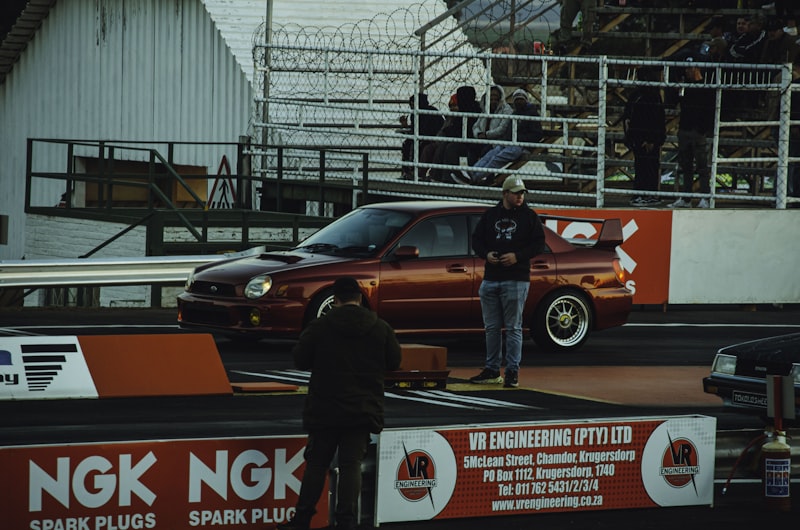
Buying one of the best affordable cars for drag racing beginners is only the start of your journey. Most new racers want to make simple upgrades that increase performance without blowing the budget. Here are some practical first steps.
Tires: The Crucial First Upgrade
Your tires decide how much power makes it to the ground. Most racers suggest drag radials or street-legal tires with a sticky compound. These improve traction for better launches. Name brands like Mickey Thompson and Nitto offer entry-level drag tires for around $400–$600 per set.
Even small improvements in grip can lower your quarter-mile time by half a second. Check your local track’s tire rules—they may require D.O.T. approved tires for street classes.
Intake and Exhaust: Simple Power Gains
A cold air intake and a free-flowing exhaust system are popular beginner upgrades. They offer modest increases in horsepower and a sportier sound. For most entry-level drag cars, this means $300–$800 total for both parts.
Never remove emissions controls or cut out safety systems—these are required for legal street use and may be checked by the track crew.
Suspension and Weight Reduction
If your budget allows, upgrade the rear shocks and stiffen the rear springs. This helps your car launch harder and reduces wheel hop. For lightweight cars, consider removing spare tire kits or back seats to reduce overall weight. Every 100 pounds cut can save up to 0.1 seconds in the quarter-mile.
Safety: Never Skip on Gear
Entry-level drag racing is usually safe, but do not ignore safety. Replace worn seat belts and brake pads before your first event. Many tracks also require a helmet; Snell-rated helmets start at $150 and last for several years. Double-check your local track’s rules to stay compliant.
For detailed event preparation tips, visit the NHRA beginner guide.
Drag Racing for Beginners: What to Expect at Your First Event
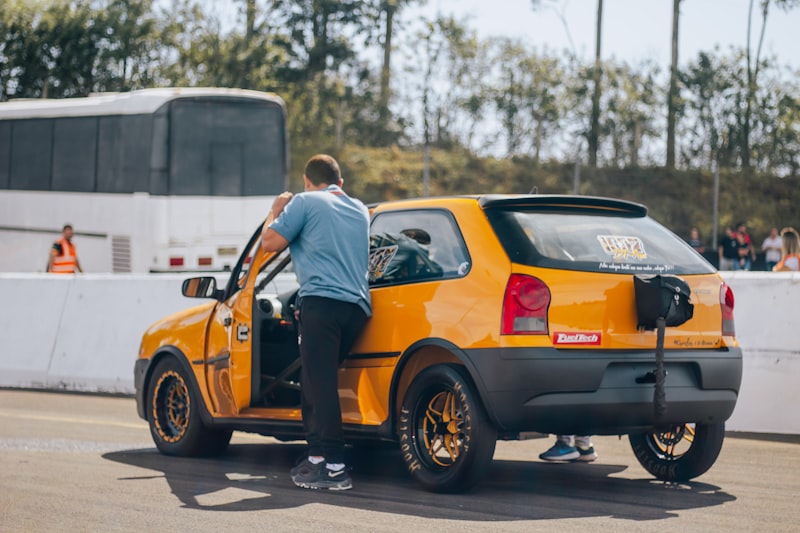
Your first drag racing event may feel overwhelming, but simple preparation can ease nerves and boost fun. Here’s what most new racers experience during a typical test-and-tune night.
Registration and Tech Inspection
Arrive early to register and pay the race fee (usually $20–$40). Afterward, your car will go through a basic tech inspection. Officials check tires, seat belts, brakes, battery mounting, and ensure there are no leaks. If your car is street-legal and well maintained, you will likely pass quickly.
Staging Lanes and Practice Runs
Once cleared, drive to the staging lanes. Wait for your turn; tracks often run several beginner-friendly test lanes. Watch the tree—the set of lights that signals when to start—and ease into practice launches.
You get several chances to run down the strip and compare your results. Each time, you will receive a time slip showing your reaction time, elapsed time, and speed. Focus on smooth starts and steady driving—not just going full throttle.
Community and Support
Tracks are friendly places. Fellow racers and staff help answer questions and calm nerves. Ask for tips, observe experienced racers, and do not worry about being the fastest car there. In fact, many lifelong racers started with slow runs and basic beginner cars.
Common Mistakes and How to Avoid Them
Beginner racers often make the same mistakes when picking their first affordable drag car or prepping for events. Knowing these in advance saves money and increases your fun.
Overbuilding or Overspending
A frequent issue is trying to go too fast, too soon. You do not need a 600-horsepower engine to enjoy test-and-tune nights. Focus on seat time and reliability. Make upgrades in stages, after learning where your car needs improvement.
Ignoring Safety Rules
Tracks take safety seriously. Do not skip helmet rules or tech inspections. In fact, check your car before every event to avoid surprises. Even modest cars can reach dangerous speeds—be careful and follow all instructions from track officials.
Neglecting Research or Community Support
Always research the car you plan to buy. Look for active forums, like Mustang6G, LS1Tech, or Miata.net. Ask other racers about common problems and best beginner upgrades. Community feedback ensures you make smarter decisions.
Conclusion
Choosing the best affordable cars for drag racing beginners in 2026 means balancing price, reliability, support, and upgrade potential. Start with proven platforms like the Ford Mustang GT, Chevrolet Camaro, Honda Civic Si, or Mazda Miata. Focus on safety and simple upgrades. Take advantage of community knowledge and practice good track habits.
In summary, entry-level drag racing is accessible and rewarding if you start smart. Visit your local track, talk to racers, and remember that steady progress leads to better times—and more fun. Ready to start your drag racing journey? Use this guide as your first step, and you’ll soon be making your own mark down the quarter-mile.
Leave a Reply