


If you are searching for essential tools for engine tuning beginners, you are not alone. Many drag racing fans want to push their engines to the limit but do not know what gear to start with.
Tuning your first engine is exciting. However, it requires careful planning and the right equipment for great results and safety. For those involved in drag racing, the demands on your engine are even higher. You need not only skill, but also reliable tools to get the best performance.
In this full guide, you will learn which tools are most important for new tuners. Each tool listed serves a specific purpose, especially for turbo kits, fueling upgrades, ignition, boost control, and overall engine reliability. Let’s look at what you need for a solid start in engine tuning for drag racing.
Essential Tools for Engine Tuning Beginners: The Must-Haves for Every Start
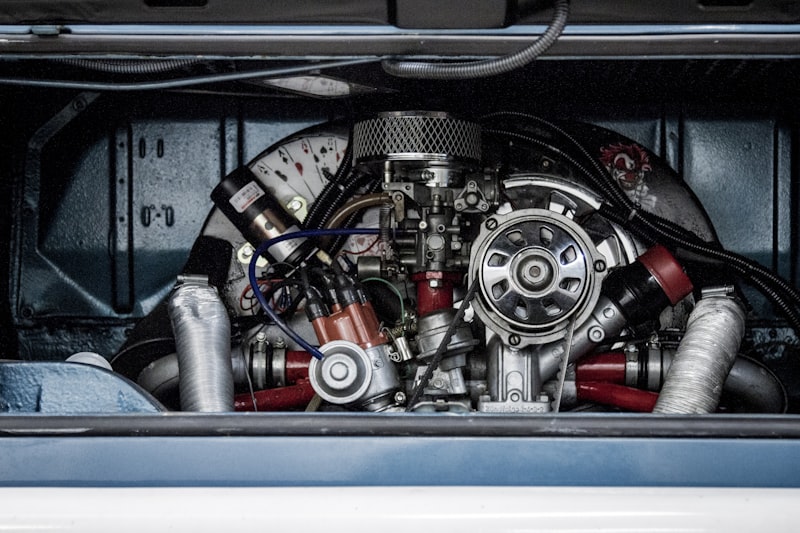
Choosing your first set of tools can be confusing. There are many options out there. In fact, the tools you pick should help you do precise, repeatable work and keep your engine safe.
First, every beginner needs a high-quality socket and wrench set. Look for both metric and SAE sizes, as modern engines use both. A set from brands like Craftsman or Tekton will last for years. This set lets you remove engine covers, swap parts, and work on turbo kits or fueling systems.
Second, you will need a reliable torque wrench. Over-tightening or under-tightening bolts is a top cause of engine failures. This is especially true for turbo installations or tightening head bolts. A digital torque wrench with an easy-to-read display and beep alert, such as those made by GearWrench, ensures every nut is perfect.
In addition, a multimeter is vital for diagnosing ignition, voltage, and sensor issues. Misfires often trace back to bad connections or failed sensors. A basic digital multimeter can measure voltage, resistance, and continuity. Brands like Fluke are known in the drag racing world for their accuracy and resilience.
For drag racing engines, you also need a good set of feeler gauges. These help you set perfect spark plug gaps and check valve clearances. Missed tolerances can cause misfire, lost power, or even major damage. Therefore, using feeler gauges is non-negotiable.
Finally, always have a vacuum/boost pressure gauge. For turbocharged setups—a drag racing staple—this is the only way to check if your boost control is working right. You can spot leaks or issues early before they damage your engine or turbo kit.
In summary, a complete starter kit for beginners should include:
- Socket and wrench set (metric and SAE)
- Torque wrench (preferably digital)
- Digital multimeter
- Feeler gauges (metric and imperial)
- Vacuum/boost pressure gauge
Each of these tools addresses a core engine challenge. As a result, you will be ready for basic upgrades and early tuning tasks with fewer surprises.
Practical Example: Swapping Injectors on a Turbo Car
Suppose you want to upgrade your injectors for more fuel flow. You would use your socket set to remove rails, a multimeter to test connections, and a torque wrench to secure new bolts. If you skip any of these steps or use the wrong tool, costly problems can result.
Tools That Support Turbo, Ignition, and Boost Control Upgrades
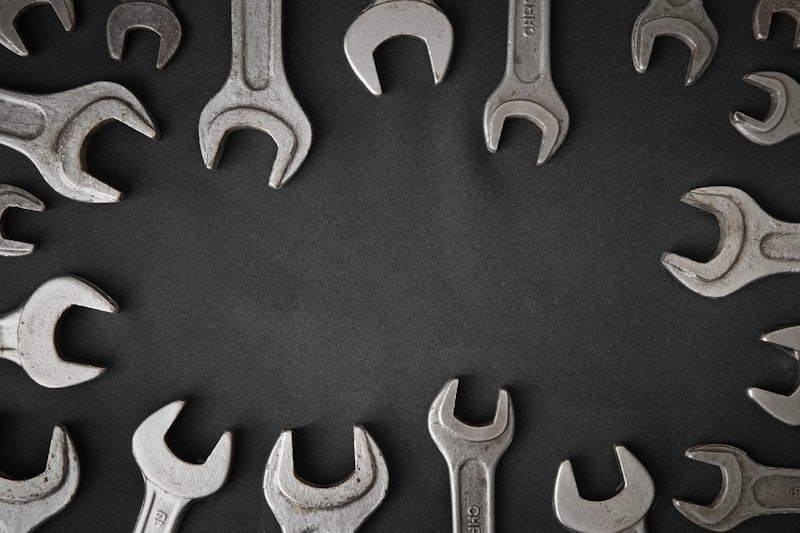
Drag racing engines are exact machines. They rely on forced induction, perfect ignition timing, and tight boost control. To get maximum output, you need tools that help you both measure and fine-tune these systems.
First, every beginner should get a wideband O2 (oxygen) sensor with a digital AFR gauge. This device shows your engine’s real-time air-to-fuel ratio (AFR). Running too lean or rich can destroy an engine, especially with higher boost. Modern wideband kits, such as the AEM X-Series, have digital displays and log data. They help you set ideal fueling and spot trouble before it becomes serious.
Second, data logging tools are crucial today. Many ECUs (engine control units) allow you to plug in a laptop for live data. Simple USB-OBDII adapters, paired with software like HP Tuners or EFI Live, let you see RPM, boost, timing, and sensor data as you drive. Because of this, beginners can quickly see how their changes affect performance.
Third, you should have a handheld timing light. This tool flashes in sync with your ignition to help you see the timing mark on your crank. You can advance or retard your timing safely—which is vital with aftermarket cams, high-boost turbos, or race gas. In fact, mistimed ignition is one of the main reasons for melted pistons or engine knock in high-power builds.
For boost control, a manual or electronic boost controller is extremely helpful. Manual controllers are cheap and simple but require careful set-up. Electronic units, such as the popular Turbosmart e-Boost, allow for in-car boost adjustment and logging. When used with your boost gauge, you can test each step and record the results for consistency.
Finally, if you want to fine-tune fueling or boost, you can use a fuel pressure gauge for real-time data. Many aftermarket fuel rails allow you to screw these in. You can then spot if your pump is failing or if the pressure drops at high RPM.
Example: Data Logging a Quarter-Mile Pass
Let’s say you just finished a turbo install. Using a wideband O2 sensor, a data logger, and a boost gauge, you take your car down the drag strip. You see your AFR, intake temps, and boost at each RPM. If anything goes wrong (like a dangerous lean spike or overboost), you can fix it before the next run. This level of data is crucial for safe, repeatable improvements.
Safety and Precision: Measuring and Diagnostic Tools for Reliability
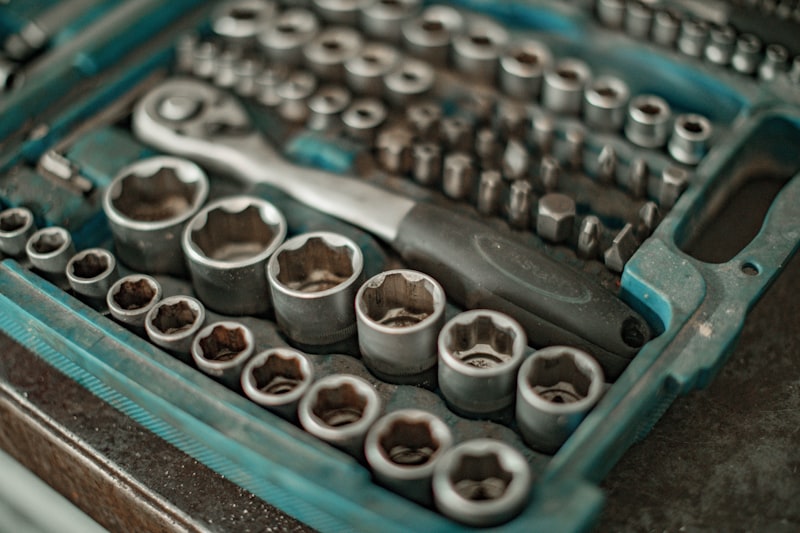
Top drag racing teams know that mistakes can cost thousands. Beginners should learn this early. Accurate measuring and diagnostic tools are not just nice to have—they are required for fast, reliable engines.
First, compression testers help check engine health before and after upgrades. If you are running higher boost or adding nitrous, check your compression after each step. Uneven readings mean the engine may not be safe for more power.
Next, a leak-down tester goes further. It helps you pinpoint if a cylinder is leaking at the rings, valves, or head gasket. This is important because even small leaks can lead to big failures at high RPM.
In addition, an infrared thermometer (laser thermometer) is a quick way to spot heat issues. Drag racing engines can overheat fast, especially after a turbo install or a timing change. Therefore, you should check temps at the head, turbo, and exhaust.
You will also want a test light. This is a simple tool but essential for checking voltage at fuses, relays, and grounds. As many tuning problems start as electrical faults, a test light makes tracing these issues much faster.
Finally, get a quality handheld scan tool. These can read and clear engine codes, graph sensor output, and reset monitors. Devices like the Autel MaxiCOM are trusted options. Many allow custom tuning changes along the way.
According to EngineLabs, these tools form the backbone of a good tuning routine. They help you spot issues early, prevent failures, and double-check every step before moving to more power.
Example: Diagnosing Misfires After an Ignition Upgrade
Suppose you replaced your coils with high-output versions and now hear misfiring. You use your test light and multimeter to check for voltage drop. Next, you check the spark plug gap with your feeler gauge. Finally, your scan tool shows an ignition fault code. Thanks to these steps, you quickly find a shorted wire, fix it, and get back on track.
Building Your First Tuning Workspace: Practical Setup Tips and Budget Planning
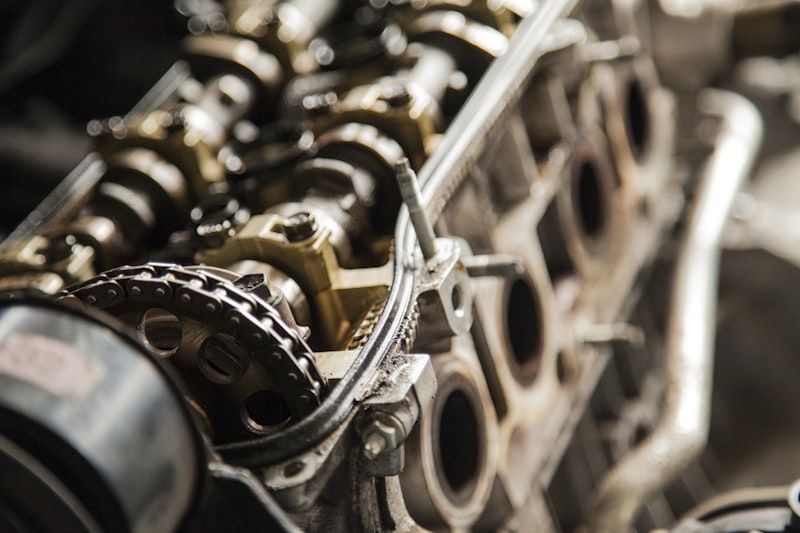
Having the right tools is only the start. You also need an organized, efficient workspace to use them well. Beginners often overlook how much time and stress a good garage setup can save.
First, invest in a sturdy tool chest. A clean space makes it easier to find the right socket or gauge. In addition, having a magnetic tray nearby keeps fasteners safe. For turbo kit installs or fueling jobs, losing a washer or clip can turn a tune-up into a headache.
Good lighting is also crucial. Use LED strip lights above and around your work area. Under-hood work lights make it much easier to spot leaks, test voltages, or see timing marks. This reduces mistakes and speeds up your tuning jobs.
For budget beginners, combine affordable hand tools with a few high-quality specialty items. For example, you can buy a mid-range socket set and splurge on a premium wideband O2 sensor. According to recent surveys of drag racers in 2026, over 85% agree that a good AFR gauge is more important than a fancy tool chest when starting out.
Consider a test bench or engine stand if you start working on full rebuilds or swaps. These let you work at a comfortable height and avoid damage to parts. For those tight on space, invest in portable storage bins and folding workbenches.
Planning your budget is important. In 2026, most new engine tuning enthusiasts spend between $800 and $2,000 to get their first round of tools and basic upgrades. You can trim costs by buying used or refurbished items, but safety-critical tools (like torque wrenches and gauges) should be bought new.
For more workspace organization ideas, see Garage Tool Organization Tips.
Example: Budget-Build Garage for Your First Turbo Install
Picture a small garage with bright lighting, all tools within arm’s reach, and a clear path around the car. You place all fasteners in a magnetic tray and use LED lights to check your boost gauge install. By keeping your space organized and well-lit, you work faster and cut down on mistakes—a must for drag racers with limited time between runs.
Conclusion
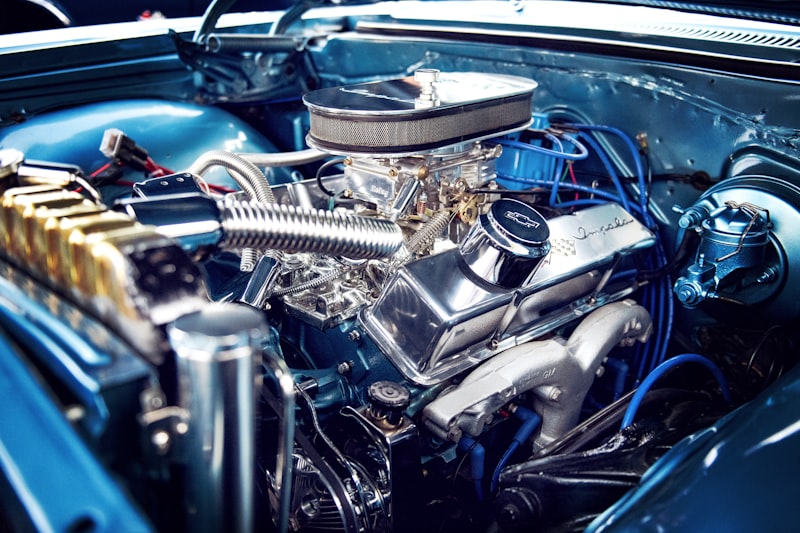
Learning the essential tools for engine tuning beginners can feel overwhelming. However, with the right gear, you start strong and avoid costly mistakes. By focusing on socket and wrench sets, digital measuring devices, and tools aimed at turbo, fueling, and boost control, you set yourself up for real drag racing progress.
Start by buying high-quality basics and only add specialty items once you understand each upgrade step. Organize your workspace, invest in good lighting, and always double-check your work with precise gauges. Remember, every driver began as a beginner. With these tips and the right tools, you are on your way to building a faster, safer, and more reliable drag racing engine.
Ready to start tuning? Make your list, check your setup, and take your first step to drag racing success with confidence.
Leave a Reply