


Do-it-yourself drag racing safety upgrades are critical for every racer who values safety on the drag strip. In fact, by tackling these improvements yourself, you can boost your protection and stay compliant with official track rules.
Safety is a top priority in drag racing. Most tracks demand strict rules and procedures before they allow you to race. On ecredexa.com, we focus on rules, safety procedures, staging, and the must-have equipment for racers at every level.
This guide breaks down DIY upgrades that will help you meet and even exceed safety rules. Whether you’re a beginner or a seasoned racer, these tips will make your rides safer, faster, and more reliable.
Understanding Rules and Staging Procedures for Safe DIY Upgrades
Before you start any do-it-yourself drag racing safety upgrades, you need to know your track’s rules. Drag racing organizations like the National Hot Rod Association (NHRA) set detailed safety standards. Therefore, you should always check the rulebook of your local track before making changes.
The Importance of Rules and Procedures
Track rules are strict for a reason. For example, most tracks require fire jackets, helmets, and roll bars for cars reaching certain speeds. In addition, you may need a driveshaft loop if your quarter-mile time is under 13.99 seconds. In other words, every step of the process—from inspection to staging—focuses on keeping you and other racers safe.
A do-it-yourself approach doesn’t mean you can cut corners. In fact, it’s critical to follow all requirements to avoid getting turned away at tech inspection. Therefore, before you install any part, confirm it’s the correct type and level for your class and vehicle speed. The NHRA’s rulebook is the best starting point.
Staging Area Procedures Matter
Staging is the process of lining up at the starting line. There are specific signals, hand gestures, and lights. For example, you must wait for your lane to be called. Then you enter the staging area, where officials check your helmet, seat belts, and that your battery is secured.
If you miss steps or use unsafe gear, officials can disqualify you before you race. Because of this, anything you upgrade should make passing inspection easier.
What to Prioritize With DIY Upgrades
First, try to match upgrades to your performance goals. For street-legal cars that occasionally see the track, focus on easily reversible upgrades. However, if you race at higher speeds, permanent installations—like roll cages—are required. In summary, always prioritize safety over style.
Essential DIY Drag Racing Safety Equipment Upgrades

When talking about do-it-yourself drag racing safety upgrades, some gear is both affordable and easy to install. Safety gear is your first line of defense against accidents. Even if you’re new to the sport, there are smart ways to enhance your vehicle’s safety on your own.
Upgrading Helmets and Restraints
Helmets are non-negotiable for all racers. The Snell SA2025 or later standard is now required on most tracks in 2026. To do this upgrade yourself, check the date tags. Buy a helmet with clear certification. Proper fit is essential. In addition, always replace helmets after any major impact.
Seat belts or harnesses are another critical item. Many racers use five-point harnesses that you can install at home. For example, mount the shoulder straps to a solid bar or reinforced sheet metal. Replace harnesses every two years, even if they seem fine. Sunlight, sweat, and wear weaken the webbing over time.
Battery and Electrical Upgrades
A loose battery is a fire risk. Drag strips often require metal battery hold-downs, especially for cars with relocated batteries. Purchase a universal hold-down kit and bolt it directly to the trunk floor or firewall. This is usually a simple drill-and-bolt job. As a result, you improve both safety and tech inspection results.
Upgrade main power cables and install a master cutoff switch if your battery is in the trunk. Make sure this switch is easy to reach and clearly marked. Check all cable junctions for corrosion. In summary, clean electrical work stops shorts and reduces fire risks.
Fire Extinguisher Installation Best Practices
Install a fire extinguisher within arm’s reach of the driver. This upgrade is simple but essential. Use a metal bracket—plastic mounts often break under force. Bolt the bracket to the floor pan or a sturdy seat base. For street cars, consider a quick-release mount so you can remove the extinguisher when not racing.
Tracks usually require a minimum 2.5-pound ABC extinguisher. Therefore, double-check the requirements for your class. In addition, check the charge indicator before every event.
Building or Upgrading a Roll Bar or Roll Cage
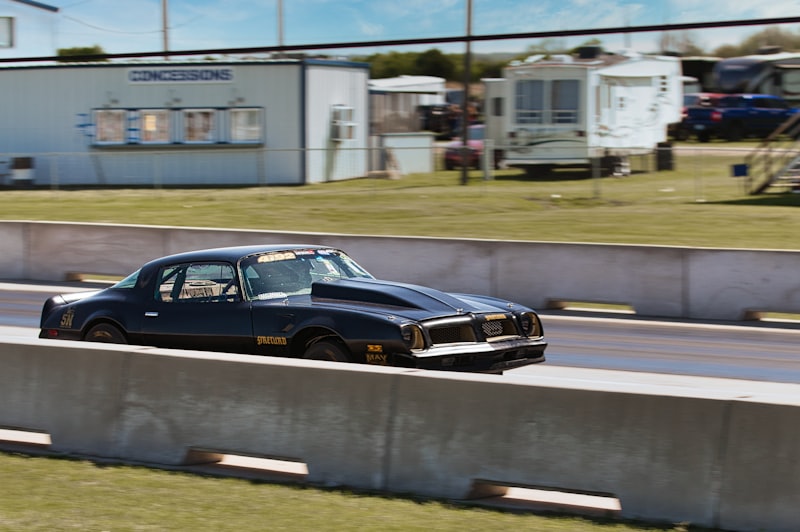
One of the most effective do-it-yourself drag racing safety upgrades is adding or improving rollover protection. At speeds above 135 mph or for cars quicker than 10.99 seconds in the quarter-mile, most tracks demand a roll bar or a full cage.
Roll Bar vs. Roll Cage: Know Your Needs
A roll bar is the minimum for most street cars running under 11.49 seconds. It typically has a main hoop, a rear support bar, and sometimes side bars. Conversely, a full roll cage is more complex. It includes front, rear, roof, and door bars.
If your welding skills are solid, you can buy pre-bent kits online. Companies cut and bend the tubes to fit your make and model. Therefore, most of the work is in prep and careful welding. Use at least 1-3/4″ .083″ wall thickness DOM steel for most NHRA-legal cages. Always check thickness and diameter requirements before you buy.
Step-by-Step DIY Installation Tips
First, measure and mark your floor for the hoop placement. Clean all weld areas down to bare metal. Position the main hoop so your helmet is about 6 inches from the bar. Weld rear supports to the required angle. Add removable door bars for easier street use. In addition, always install backing plates under the floor to spread the load.
Even if you lack welding skills, you can still remove interior trim and carpet and prep the bare chassis. Pay a certified welder to handle final welding—this still counts as do-it-yourself, since you did most of the work.
Extra Benefits of Welding Your Own Cage
Welding your own cage saves money compared to shop prices. In addition, it allows you to fit the bars to your body size, racing seat, and dash. Many DIY builders also reinforce seat mounts, steering columns, and seat-belt points for greater strength.
For a step-by-step visual guide, see Hot Rod Magazine’s roll bar installation article.
DIY Safety Practices for Flags, Lights, and the Racing Surface

Understanding the signaling system and track environment is key for any racer. This section explains how to respect flags, Christmas tree lights, and staging rules—all while implementing DIY safety habits at home and at the track.
Learning Drag Racing Flags and Signals
There are several flags in drag racing, and each one matters for safety. A green flag normally signals that the track is clear. A red flag—or the stopping of the Christmas tree lights—means to abort your run. Yellow flags signal caution or debris.
As part of your DIY approach, practice spotting and responding to track signals. Set up a “mock tree” at home to get familiar with the light sequence. This helps reduce reaction times and keeps racing safer.
Staging Procedures and Practice
Two bulbs at the start line show “pre-stage” and “stage.” When both light up, you’re ready to race. Most mishaps at the line are due to nerves or mistakes. Therefore, rehearse your routine off-track. Park your car at home and mimic getting staged—belt up, helmet on, battery switch checked—so you build muscle memory.
Encourage anyone on your pit crew to learn flag meanings and safety hand signals. In fact, better communication on race day leads to safer runs.
DIY Track Surface Preparation
Surface grip is a big factor in drag racing safety. If you do test hits on private property, sweep the area first. Remove oil, dirt, or pebbles that could upset your launch. At the track, stay out of puddles or areas with debris.
In addition, keep fresh windshield washer fluid and glass cleaner in your pit box. Clean glass helps you spot flags, lights, and obstacles without distraction.
Next-Level Do-It-Yourself Projects for Advanced Safety

Experienced racers or those who want extra protection can take on bigger do-it-yourself drag racing safety upgrades. While these improvements take more time and money, they pay off at higher speeds or in more competitive classes.
Driveshaft Loop Installation
Any car running quicker than 13.99 seconds on slicks or 13.49 seconds on street tires should have a driveshaft loop. This bracket wraps around the driveshaft and prevents it from hitting the ground if the U-joint fails.
Install the driveshaft loop by measuring 6 inches back from the front U-joint. Drill and bolt the loop to the floor pan or factory crossmember. Kits are available for most vehicles. Therefore, this is a one-hour job with basic tools.
Upgrading Wheels, Lug Nuts, and Studs
Some races require aftermarket lug nuts or extended wheel studs. Replace old hardware after five years or 50 races—whichever comes first. In addition, check lug torque before every pass. For example, factory spec is usually 80 to 100 lb-ft, but always check your manual.
Secure wheels with a torque wrench for accuracy. This lowers your risk of losing a wheel at speed.
Seat and Harness Mount Reinforcement
Race seats reduce flex and improve belt performance. Mount fixed-back seats to steel seat brackets, not sheet metal alone. Reinforce floor areas with 1/8-inch steel plates and quality bolts. Tighten all mounts before each event.
Many racers weld harness tabs directly to the roll bar or cage. Even if you don’t weld yourself, you can prep the area, measure clearances, and make sure installation meets or exceeds factory quality. As a result, you pass tech easily and improve crash protection.
Simple DIY Maintenance That Increases Drag Racing Safety
Not every do-it-yourself drag racing safety upgrade needs to be a big project. Many small checks and servicing steps reduce risk, cut repair costs, and help you pass tech every time.
Tire Checks and Pressure
Inspect tires before every event. Replace tires with cuts, bald patches, or age cracks. For example, drag radials often lose grip after two years, even if tread looks good.
Use an accurate tire gauge. Set tire pressure according to manufacturer specs or your track setup notes. Under-inflated tires can cause failure at launch. Over-inflated tires may lose traction on hit.
Brake and Fluid Checks
Flush brake fluid every six months if you race often. Old fluid boils and can cause brake failure. In fact, a garage bleed kit makes this task easy for solo DIYers. Check all lines for leaks and soft spots.
Inspect pads and rotors for wear and cracks. Replace as needed. Even if brakes are “street safe,” they need to perform under racing stress.
Battery and Electrical Quick-Checks
Charge your battery the night before racing. Poor voltage causes erratic launches and fouls electronics. Check both battery terminals for corrosion and snugness.
In addition, double-check your alternator belt and all accessory wiring. Simple fixes—like covering open connectors with heat-shrink tubing—reduce fire hazards.
Window and Light Cleanliness
Keep windows, mirrors, and headlights clean. Streaks, bugs, or cracked glass can stop you from seeing the tree, flaggers, or exit lights. Wipe down with glass cleaner before you get in line.
Conclusion

Taking on do-it-yourself drag racing safety upgrades is both practical and essential for every racer in 2026. You protect yourself, save money, and learn more about your car. Simple changes—like helmet upgrades, battery hold-downs, and roll bar prep—help you pass tech and stay safe on the strip.
Always follow the official rulebook and your local track’s procedures. Start with basic projects, then tackle advanced upgrades as you gain skill. Above all, keep safety first. Check out the full rulebooks on NHRA’s website or talk to officials at your track before starting new projects.
Follow these tips and you can enjoy racing with more confidence—and stay ready for whatever the lights, flags, and officials throw your way.
Leave a Reply