


If you want more grip and control off the line, using tips for fine tuning dampers for best traction is a must. Proper damper settings help a car transfer weight, boost tire contact, and launch with confidence.
Understanding this part of your suspension setup gives you a winning edge. This article shares proven advice, examples, and practical steps for traction-minded drivers. Whether you drag race, autocross, or just want better street launches, these tips work for all skill levels and vehicle types.
Mastering damper adjustments helps you launch harder and reduce wheel spin. Let’s dive into the science and craft of damper tuning — from what to measure, to how each click changes your ride, and ways to track your results for ongoing improvement.
Understanding Dampers and Their Role in Traction
Dampers, often called shock absorbers, control how your car’s suspension responds to bumps and loads. When you accelerate hard, good damper tuning lets your tires stay in better contact with the road. This impacts grip, limits squat, and manages weight transfer for a faster, more stable launch. Veja tambem: How to Balance Comfort and Performance in Suspension: Setup Tips.
Compression vs. Rebound: What Do They Do?
There are two main parts to damper settings: compression and rebound. Compression controls how fast the suspension compresses when a load is applied. Rebound controls how fast it returns after the load is gone. Getting both right is key to building traction.
For example, too little compression can make the rear end squat too much under power. As a result, you might lose some of the weight transfer you need for grip. Too much rebound can make the car feel “bouncy” or prevent the suspension from settling, reducing tire contact on rough tracks.
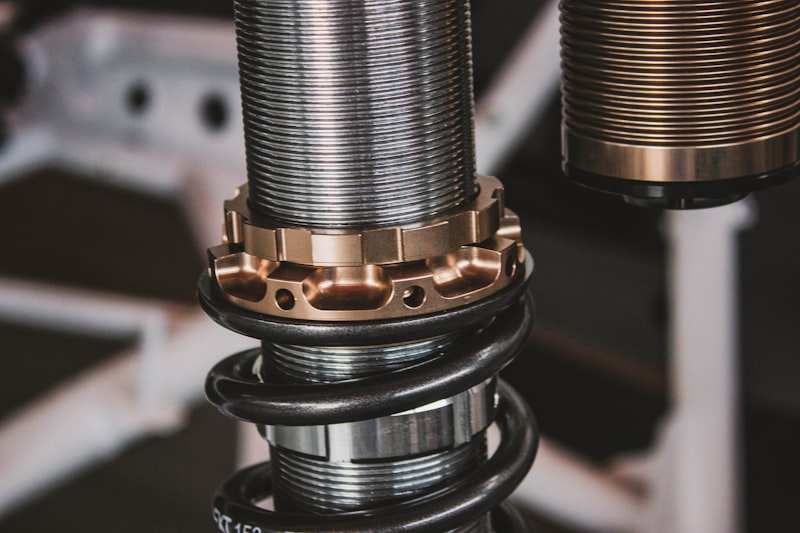
Because of this, most racing dampers offer adjustable knobs or clicks for both compression and rebound. Some even let you fine tune low-speed and high-speed ranges for better control. According to Engineering Explained, balancing these settings affects how weight shifts during launches, turns, and braking.
How Dampers Affect Weight Transfer and Traction
When you launch a car, weight shifts from the front to the rear. Good damper settings help move this weight in a controlled way. If the rear dampers are too stiff, the back cannot “squat,” and traction suffers. If the front is too soft, energy is lost in the nose dipping down, which also hurts rear grip. In other words, dialing in your dampers sets the foundation for maximum tire contact and faster, more repeatable launches.
In summary, understanding how your dampers work is the first step. With this knowledge, you’re ready to start adjusting and testing for great results.
Step-by-Step Tips for Fine Tuning Dampers for Best Traction
This section gives you hands-on methods to tune your dampers for improved launches and grip. Using a clear process helps you avoid confusion and track your progress.
Start With the Manufacturer’s Baseline
Always begin with the damper settings recommended by the manufacturer. This “baseline” ensures all four corners are balanced. If your shocks are adjustable, set them to the recommended middle setting. For example, a typical street/strip shock may have 12 clicks. Set them to 6 on both compression and rebound.
If you use aftermarket dampers, the company often provides starter settings for drag racing, autocross, or street use. Following these prevents starting with extremes that could hurt performance or safety.
Adjust One Axis At a Time
Change only one setting (such as rear rebound) at a time. Then, test and write down the results. For launches, start with the rear compression and rebound. Fine-tune these to see if your launches improve or worsen.
Similarly, after you have a good rear setup, work on the front. Many drag and street racers find that softer front compression allows the nose to rise, sending more weight rearward for better grip. However, go in small steps: one or two “clicks” before each test run.
Test in Real Conditions
After each damper change, test in the same spot, with similar tire pressures and weight. For example, use a marked section of road or drag strip, hold your launch RPM steady, and note how the car reacts.
Some racers use tools like GPS data loggers or simple stopwatch apps to measure 0-60 times. As a result, you can see the real effect of each change rather than trusting “seat of the pants” feel alone.
In addition, keep a notebook or digital log of each test. List the changes, track conditions, tire choices, and how it felt. Over time, you’ll spot trends that help you repeat your best launches.
Therefore, a clear step-by-step approach will help you find your damper sweet spot faster, with less frustration.
How Suspension Setup, Tires, and Weight Transfer Relate to Damper Tuning
Damper tuning is just one part of the broader traction puzzle. In addition, your tire type, suspension geometry, and weight transfer work with your dampers to produce grip. Let’s see how these factors combine for best results.
Suspension Geometry and Its Effect on Traction
Even with perfect damper settings, a poor suspension setup can limit grip. For example, cars with too much rear camber may not plant the tire flat at launch. This reduces the contact patch and hurts traction.
In fact, MotorTrend’s guide to traction shows that proper alignment and “weight jacking” (adjusting corner weights) can make a huge difference. Therefore, after tuning dampers, check your suspension bushings, control arms, and ride heights. Any changes here may require a damper re-tune.
Tire Choice and Pressure
Your tires are the only part of the car touching the ground, so their grip matters most. Drag radials, for example, work best at lower pressures than street tires. When you lower tire pressure, the sidewall is softer, and you may need firmer damper settings to prevent the rear from “bouncing” or shaking during launch.
On the other hand, high-grip summer tires often like a baseline damper setting, with fine adjustments only needed for track temperature or surface changes.
Always choose tires first. Then, tune your dampers to suit. In addition, tires wear down and grip levels change. Therefore, re-test damper settings every 2,000-5,000 miles for the best traction.
Weight Transfer Tactics That Work With Damper Settings
Good damper tuning helps control weight transfer. However, you can boost rear grip by shifting weight backward using ballast or by moving light items (like a battery) to the trunk.
Because of this, all changes in weight mean your best damper setting may shift. For every 25-50 pounds you add or lose from the car, repeat your damper tests on your favorite launch strip.
Therefore, damper tuning is never “set it and forget it.” It’s a process that reacts to small changes in your setup for big gains on the track.
Troubleshooting Common Damper Tuning Problems
Even with a good approach, some issues crop up. In this section, you’ll see common damper tuning problems and how to fix them for better, more consistent launches.
Too Much Wheel Hop or Bounce
If your car bounces or hops at the rear during launches, your damper rebound is likely too soft. The suspension cannot control energy release, so the tire loses and regains contact too fast. Because of this, increase rear rebound one or two clicks and test again.
On the other hand, if the front end bounces, increase front rebound. However, do not go too stiff or the tires will skip instead of gripping.
Squat or “Bogging” on Launch
Excessive rear squat often means too-soft rear dampers or springs. As a result, energy is wasted compressing the suspension, not pushing the tire down.
Increase rear compression by one click at a time, then re-test. Similarly, check for worn springs or bushings. These can also cause too much squat, even with correct damper settings.
Wheel Spin Without Traction
Sometimes the car spins the tires, especially on low-grip surfaces. In this case, the rear dampers may be too stiff. As a result, weight cannot transfer smoothly, and the tires cannot “plant.”
Soften rear compression, or reduce rebound slightly, and try again. Similarly, double-check tire pressure and compound—for example, switching from worn all-seasons to a fresh drag radial often allows for firmer damper settings.
Handling Changes With Temperature
Dampers and tires both perform differently in hot or cold weather. For example, dampers often “fade” (lose effectiveness) when hot, while tires can gain or lose grip.
In spring or fall, you might need to change your damper settings by one click softer or firmer morning versus afternoon. Therefore, always test in a range of conditions to spot trends.
In summary, common problems can usually be fixed in small steps. The key is to change one variable at a time, test, and take notes. As a result, your launches will get quicker and more reliable.
Advanced Tactics for Launch Control and Consistency

For racers who want every fraction of a second, advanced damper tuning adds another level of control. Here are expert tips for repeatable traction across changing conditions.
Use Data Logging and Video for Analysis
Today, many drivers use smartphone apps or onboard video to measure launches. For example, a GPS-based logger records G-forces and 0-60 or 60-foot times. You can plot each run against your damper setting. As a result, you spot which changes actually work, instead of guessing.
In addition, slow-motion video can reveal suspension movement that’s invisible at full speed. Use phone mounts or action cameras under the wheel well to watch how the tire squats and rebounds.
Track Temperature, Tire Wear, and Weather
Recording the weather pays off. On a cool morning, your best damper setting may need to be softer than on a hot track. Keep a quick log of surface temp, tire wear, and launch results.
Similarly, note new versus old tires. In fact, many drag racers raise rear rebound one click as their drag radials age. This compensates for the tire’s stiffer response over time.
Integrate Electronic Adjustments (if available)
Modern performance cars sometimes come with adaptive or electronic dampers. These allow you to change settings from the driver’s seat or even during a run. For example, some systems let you use a soft setting for weight transfer off the line, then switch to a firm setting for stability at speed.
If your car has this feature, log which modes produce the fastest, most stable launches in your conditions. In fact, don’t forget to test these at every track day, as electronics can respond differently to fuel load, tire type, or external temps.
Therefore, using these advanced methods, you’ll not only launch harder but repeat those results every time.
Conclusion
Fine tuning your dampers is one of the most effective ways to boost traction and achieve faster, more repeatable launches in 2026. Start with the manufacturer’s baseline, adjust one setting at a time, and test each change. Remember, dampers are just one part of the equation—combine your adjustments with proper tire choice, correct suspension geometry, and weight transfer tactics.
Keep a detailed log, use data tools if possible, and revisit your settings as conditions and tires change. With patience and careful tuning, you’ll build the grip and confidence needed to win on the street or strip.
For more expert advice on suspension, traction, and racecar setup, explore the rest of the Suspension & Traction section here at ecredexa.com. Start testing these tips for fine tuning dampers for best traction on your own car today—you’ll feel the difference in every launch.
Leave a Reply