

Planning a trip to Brazilian motorsport venues is a unique way to experience Brazil’s fast-paced culture and local excitement. Motorsport is deeply rooted in Brazil’s regional scenes, with vibrant events and world-class drag strips across the country.
In 2026, new events and upgraded tracks make Brazil one of Latin America’s top motorsport destinations. Knowing how to plan your trip, what to expect at tracks, and which venues stand out will help you make the most of your experience.
This article focuses on discovering the best Brazilian drag strips, understanding local motorsport scenes, and providing practical advice for racing fans or curious travelers. Read on to learn about choosing your destinations, navigating events, and enjoying Brazil’s passion for speed.
Key Steps for Planning a Trip to Brazilian Motorsport Venues
For any fan, planning a trip to Brazilian motorsport venues means exploring a network of tracks with distinct cultures. The key is to match your interests—such as drag racing or touring races—with the right regions and tracks.
First, set your travel window and check the Brazilian motorsport calendar. Most big events occur between March and November. This schedule avoids peak summer rains and aligns with championship races.
Next, research the most famous venues. São Paulo’s Interlagos Circuit and Curitiba’s Autódromo Internacional are well known, but drag racing fans should also look at the newer regional tracks. For example, the Velopark in Nova Santa Rita, Rio Grande do Sul, is South America’s largest drag strip and regularly hosts national drag racing championships.
When planning your route, consider both the main circuits and regional venues. Tracks like Autódromo de Londrina, Autódromo Zilmar Beux in Cascavel, and Goiânia’s circuit host regular touring, stock car, and regional drag events.
Clubs and regional circuits, such as the Federação de Automobilismo de São Paulo (FASP), often organize events that showcase local talent and unique car cultures. These scenes give travelers a feel for Brazil’s true racing passion.
Another step is to get your tickets early. Many events—especially national championships—sell out quickly. Websites like CBA – Brazilian Automobile Confederation offer the latest calendars and ticket links.
Finally, consider the logistics of getting around. Some tracks are in urban areas, but many drag venues and ovals lie outside large cities. Renting a car is often the best choice, but check for shuttle services for bigger events.
By taking these initial steps, you set a strong foundation for a memorable motorsport trip in Brazil. With planning, you can experience iconic races, meet local fans, and explore the country’s diverse automotive culture.
Profiles of Famous Brazilian Drag Strips and Regional Tracks

Brazil’s motorsport scene extends far beyond Formula 1 at Interlagos. Although São Paulo’s Interlagos Circuit is legendary, Brazil’s drag strips offer a different yet equally thrilling side of regional motorsport.
Velopark, in the southern state of Rio Grande do Sul, is a leader in South American drag racing. Opened in 2008, this 402-meter (quarter-mile) drag strip has hosted the Brazilian Drag Racing Championship for years. The venue welcomes over 20,000 fans at major events and is known for its modern safety features. In fact, Velopark sets the standard for organization and driver support.
Another exciting drag strip is Arena Sul Dragway, located in Santa Catarina. This track attracts both local and international racers. Arena Sul Dragway frequently hosts the Copa Sul, a large event drawing teams from across southern Brazil and neighboring countries.
Moving north, Campo Grande’s Autódromo Internacional (Mato Grosso do Sul) stands out. While not as famous for drag, it has a growing calendar of sanctioned quarter-mile events. This shows the surge in local drag racing interest.
In the Midwest, Goiânia’s Autódromo Internacional is popular for Stock Car, but the region’s drag scene has grown. Local clubs schedule monthly meets, and event attendance is rising each year.
Many tracks work with city tourism offices to promote “track days” and open events. This gives visitors a chance to see grassroots racing and even try their own cars during non-competition sessions.
Because of this network, Brazil now has some of Latin America’s fastest growing communities for amateur and professional drag racing. Each region brings its own style and favorite vehicles, from classic Opalas and Chevettes to turbocharged imports and muscle cars.
Travelers will notice the warm welcome at regional tracks. Fans love sharing stories and taking photos, and local food stalls offer an insight into Brazilian street culture.
What to Expect When Visiting Local Motorsport Events
Attending a motorsport event in Brazil is a sensory experience. You will hear engines roar, smell high-octane fuel, and see local fans cheering their favorite drivers.
First, arrive early. Parking around tracks fills up fast, especially at major drag venues like Velopark or Interlagos. Early arrival also lets you explore trackside areas, grab good seats, and enjoy pre-race activities.
Most tracks feature a variety of stands, from basic grass areas to VIP boxes. Standard tickets are affordable by international standards. In 2026, general admission for local events ranges from R$40 to R$100 (around $7-$18 USD).
Food stalls at events reflect Brazil’s regional tastes. For example, churrasco (grilled meats), pastel (savory pastries), and local drinks like guaraná are common.
Security is tight at bigger events. You will pass through checkpoints, and bags are often checked for restricted items. Nevertheless, families are common at all venues. The atmosphere is festive, and security teams keep the experience safe and comfortable.
If you wish to access the pit area, check if your ticket includes “acesso aos boxes” (paddock access). Some tracks sell separate pit passes, while others include this with VIP tickets. Paddock access lets you meet drivers, see cars up close, and often grab autographs.
Bathrooms and facilities vary by track. Large venues like Velopark or Interlagos have modern restrooms and ATMs. Smaller regional tracks may be simpler, so plan accordingly.
Language can be a barrier for some visitors. Most announcements happen in Portuguese, but track staff are usually helpful. Learning a few racing terms—like “largada” (start), “pista” (track), and “corrida” (race)—will help.
Because motorsport is community-driven, visitors can find clubs and meetups before and after events. Social media groups, such as Facebook’s “Drag Race Brasil” or forums like FullPower, are useful to connect with local enthusiasts and even secure lifts or travel advice.
In addition, be ready for the weather. Brazil’s climate changes by region, but most events are held rain or shine. Bring sunscreen, a hat, and rain gear for outdoor stands. Event websites post frequent weather updates and delays if they occur.
Travel and Accommodation Tips for Trackside Adventures
Planning your travel logistics well will help you focus on the racing. While Brazil’s largest cities have reliable transport options, regional tracks often require more planning.
For major venues near cities—such as Interlagos in São Paulo—public transportation works well. Subway and train options run close to the track, and local buses connect directly on event days.
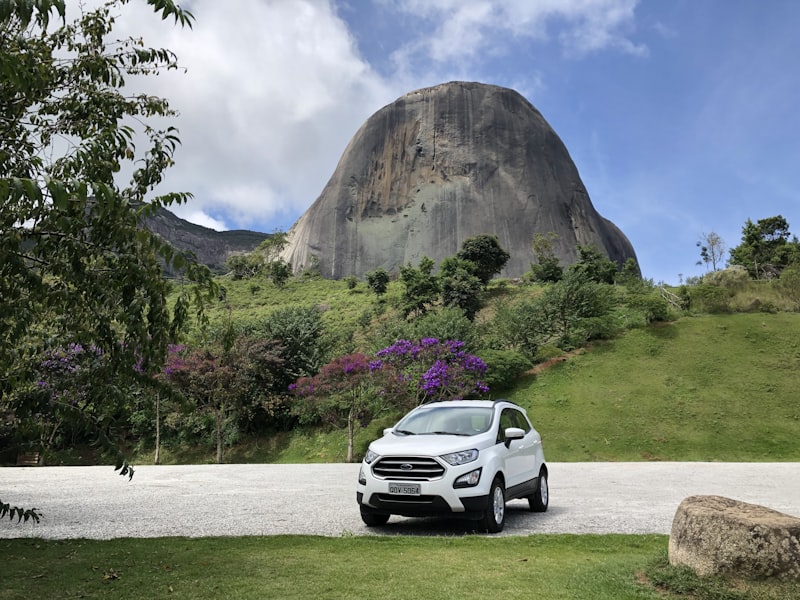
However, many drag strips lie outside city centers. Velopark, for instance, is near Nova Santa Rita, about 25 kilometers from Porto Alegre. Renting a car is the most flexible approach for these venues. Car rental in Brazil is straightforward, and a U.S. driver’s license is accepted for stays under six months.
If you prefer not to drive, check for event shuttles or group tours. Some local travel agencies in Rio Grande do Sul and São Paulo offer motorsport travel packages, including transport and entry. These are especially popular during championship weekends.
Accommodation options range widely. In big cities such as São Paulo, you will find everything from budget hostels to upscale hotels. For tracks outside urban areas, book hotels or guesthouses in advance, as rooms fill up during event weekends.
Staying close to the track saves time but may cost more. In contrast, accommodations farther out are often cheaper and less noisy, though they require longer drives.
Budget travelers can consider pousadas (family-run guesthouses), a uniquely Brazilian lodging option. These are popular with motorsport fans, offering a chance to meet locals and fellow travelers.
Brazil is generally safe, but stay alert in crowded areas, and avoid displaying valuables. Use official taxis or ride-hailing apps. This is especially important at night or in places you do not know well.
Plan for cash and cards. Most venues accept credit cards, but smaller tracks and food stalls may take only cash (reais). ATMs are widely available in city centers and large venues, but carrying some cash is smart.
Cellular coverage and Wi-Fi are good in urban areas and big venues. Regional drag strips in the countryside may not have strong signals, so download maps and tickets ahead of time.
Because event schedules can change, always check the official track or event page the night before. Brazil has a dynamic event culture, so flexibility helps make your trip smooth and enjoyable.
Tips for a Memorable Brazilian Motorsport Experience
To get the most out of your motorsport trip, immerse yourself in the local culture and racing scene. Many visitors find that the real highlight comes from engaging with Brazilian fans and drivers.
Bringing small souvenirs or apparel from your home country—such as team hats or racing shirts—is a good icebreaker. Trading patches or stickers is common among fans.
Photography is encouraged at most tracks. However, drones may be restricted without permission. Ask staff or check regulations if you plan professional shooting.
Consider joining in local motorsport traditions. For example, fans often gather after races to chat, barbecue, and celebrate together in the parking lots. It’s a unique part of the Brazilian racing lifestyle.
On the other hand, always respect track rules. Brazil’s tracks have strict safety and conduct guidelines. Stay in designated areas, and watch for announcements about track access.
If you are passionate about cars, look for regional car meets and tuning shows that often coincide with race weekends. These gatherings are a showcase of creativity, from custom paint jobs to powerful engine builds.
For travelers with families, look for tracks that offer kids’ activities, such as minibike rides or safe, supervised karting. Motorsport in Brazil is a family-friendly hobby, and kids are welcome at most events.
Wear comfortable clothing and bring ear protection, especially for drag racing events. Engine noise can be intense, which is part of the thrill but may be overwhelming for some.
Finally, remember that Brazilian hospitality is a central part of any motorsport event. Fans love sharing knowledge, and locals will help you enjoy your visit.
Conclusion
Planning a trip to Brazilian motorsport venues in 2026 offers more than racing. It connects you with a vibrant local culture, legendary tracks, and new friends. With careful planning—choosing the right venues, preparing your logistics, and engaging with regional scenes—you ensure a safe and memorable motorsport adventure.
Use this guide as your starting point to explore Brazil’s diverse lineup of drag strips and tracks. Find your favorite regional event, try local foods, and join thousands of fans cheering for the next champion. Start planning today and experience the fast lane of Brazilian motorsport for yourself.
Leave a Reply