

Understanding drag racing fire suit rules for beginners is essential before your first pass down the track. In 2026, safety regulations are stricter than ever. New racers must know what gear the rulebook demands.
Fire suits protect against burns and injuries. They are not optional. Every reputable drag strip has clear requirements for new racers. This article breaks down those rules in detail. You’ll learn what to wear, how rules vary by class, and how to choose safe gear.
Fire Suit Requirements: What Every Beginner Needs to Know
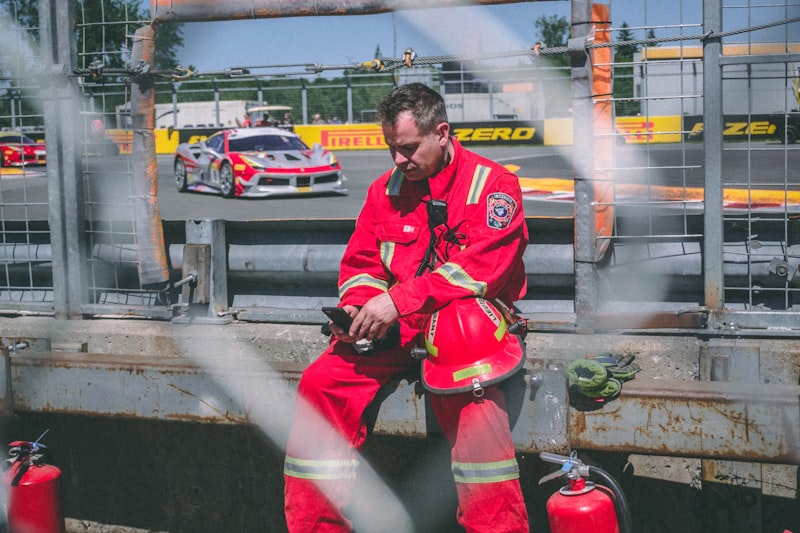
When you start in drag racing, safety always comes first. Fire suits are designed to save lives if a fire breaks out during a run. However, not every fire suit is allowed everywhere. Each track and sanctioning body, like the National Hot Rod Association (NHRA) or International Hot Rod Association (IHRA), sets its own minimum standards.
As a beginner, you usually compete in entry-level categories like bracket racing, sportsman, or test-and-tune events. For these, the most important drag racing fire suit rules for beginners are about clothing type, material, and certification.
Types and Ratings of Fire Suits
In most novice classes, you must wear a single-layer fire suit made with materials like Nomex or Proban. These materials resist heat and flames. Check that your suit displays an SFI Foundation rating. The SFI specification label, such as SFI 3.2A/1, 3.2A/5, or higher, should be sewn onto the suit. SFI 3.2A/1 is common for vehicles running slower than 10 seconds in the quarter mile.
However, if your car runs faster than 10 seconds or exceeds 135 mph, you’ll need a multi-layer suit with a higher SFI label (often SFI 3.2A/5). These multi-layer suits provide extra protection for faster, more dangerous cars.
Track-Specific Requirements
Always check the track’s rulebook before race day. Some tracks may require shoes, gloves, socks, and even underwear made from fire-resistant materials. These extra garments should also be SFI-rated. For example, the NHRA’s 2026 rulebook outlines that anyone running 9.99 seconds or quicker must outfit themselves with a full multi-layer SFI suit, plus gloves and shoes.
In addition, you cannot race in shorts or short sleeves—long pants and sleeves are mandatory, even at beginner events.
Real-World Example
Let’s say you’re entering a Test & Tune night at your local NHRA-sanctioned strip. Your car runs 12.5 seconds. The track requires a minimum SFI 3.2A/1 jacket and pants. If your friend’s turbo car runs 9.8 seconds, however, they must invest in a SFI 3.2A/5 suit, gloves, and even socks rated to SFI standards. Not following these rules means you will not pass tech inspection.
Step-by-Step Guide to Fire Suit Selection and Maintenance
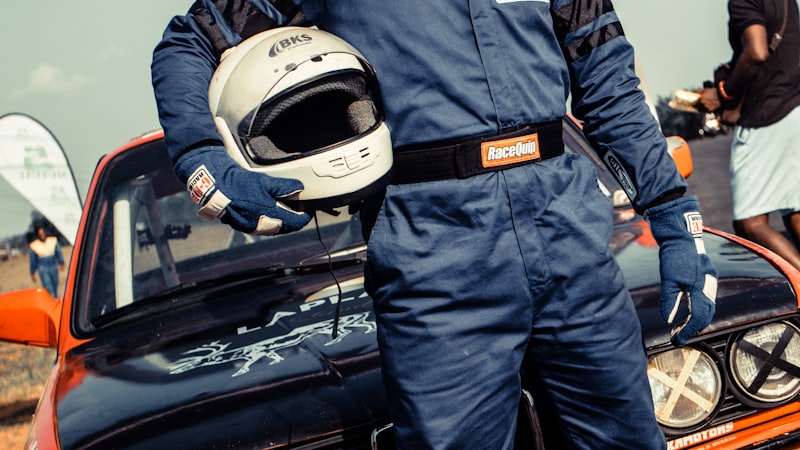
For new racers, picking the right fire suit can feel confusing. However, following a simple process will ensure your safety and compliance.
How to Choose Your First Fire Suit
First, check your class rules. If you are unsure, consult your track tech inspector. Choose a suit with the right SFI rating for your class and expected speed. For a 13-second street legal car, an SFI 3.2A/1 is usually enough. For faster cars, upgrade to multi-layer suits.
Fit matters. Try on different sizes and brands. A suit that’s too loose can catch on equipment, while a tight suit restricts movement. Many manufacturers like Simpson, RaceQuip, and Impact Racing publish sizing charts.
Cost varies. An entry-level SFI 3.2A/1 jacket may cost $70–$150 in 2026. A full two-piece multi-layer suit can range from $400–$1000, depending on features and brand.
Caring for Your Fire Suit
Proper care extends the life and effectiveness of your suit. Wash it only as needed, using mild soap, not bleach. Air dry—never use a hot dryer. Inspect seams, zippers, and SFI labels before every event. In fact, tracks will check the SFI tag to confirm your suit’s certification.
Do not embroider over fire-resistant fabric with flammable threads. Do not keep your suit exposed to sunlight or chemicals, as these weaken the protective fibers. Replace your fire suit if the SFI label fades, wears out, or if the material becomes thin or torn.
Documentation for Race Day
Bring your gear and receipts to tech inspection. Most tracks require you to show the SFI label. A tech inspector may also ask for proof of purchase, warranty, or even the manufacturer’s instructions with care guidelines.
There are frequent updates to safety rules. For the latest official SFI ratings and requirements, check the SFI Foundation’s guide.
Understanding the Role of SFI and NHRA in Fire Suit Rules
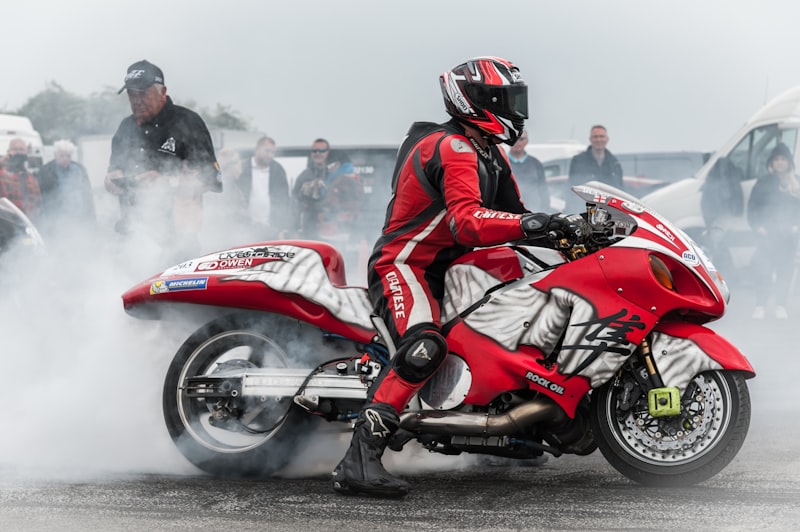
The SFI Foundation and the NHRA are the leading authorities for racing gear in the United States. Their rules shape what new racers must wear.
What is SFI?
The SFI Foundation is an independent group. It develops minimum safety and testing standards for motorsports gear. Its “3.2A” specification sets fire resistance levels for racing suits. The higher the number, the longer the suit can protect against heat.
For example, an SFI 3.2A/1 suit offers at least a 3-second thermal protection time. A 3.2A/5 suit offers a 10-second protection window.
How NHRA Implements Fire Suit Standards
The NHRA follows SFI guidelines in its own rulebooks. In 2026, NHRA tracks require all fire suits to have a current, visible SFI rating. They do not allow expired or faded labels. The NHRA’s 2026 rulebook spells this out in detail (see their “General Regulations” section for proof).
If you plan to race at an NHRA or IHRA sanctioned event, these rules are non-negotiable. In other words, even beginners must comply. Failing a tech inspection means you cannot run until your gear meets standards.
Up-to-Date Advice for Beginners
Fire suit requirements change as technology improves. For example, in 2026, several SFI certification updates require new label designs and periodic recertification. If you buy second-hand gear, check that the SFI tag is valid and the suit is not outdated.
Visiting regional or local tracks? Know that smaller venues often align with NHRA standards but sometimes set stricter rules, especially for youth racers.
Additional Essential Safety Gear for New Racers
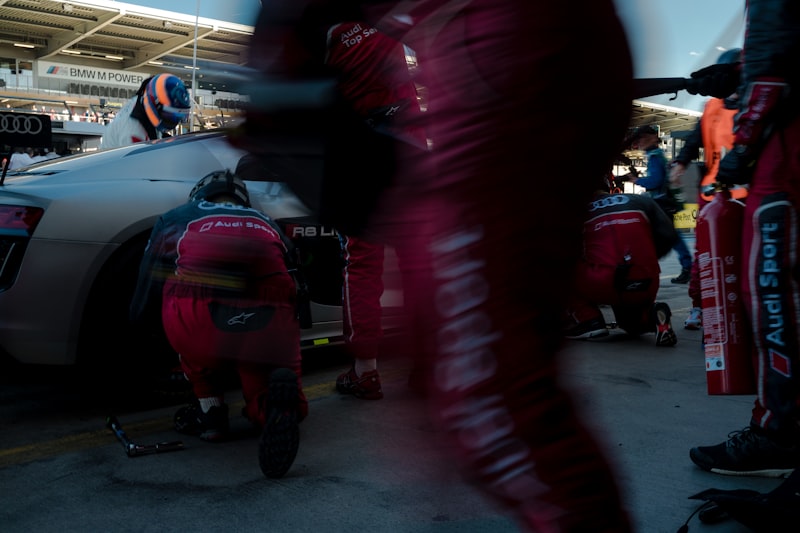
A fire suit alone does not guarantee safety. Combine it with other gear for full protection on the strip. This approach aligns with both the rules and best practices in drag racing’s “Rules & Safety” category.
Fire-Resistant Gloves, Shoes, and Underwear
In addition to a fire suit, most sanctioning bodies require fire-resistant gloves (SFI 3.3/5 or higher), shoes, and sometimes underwear. These may be required by class rules or based on elapsed time. For example, drivers in cars faster than 10.00 seconds must wear all SFI-approved gear.
Gloves and shoes should fit snugly and display the SFI tag. Never use regular leather work gloves or running shoes, even if you are only testing your car.
Helmets and Harnesses
Every new racer must wear an SFI or Snell-rated helmet. Check the production date. Most tracks only allow helmets certified within the last 10 years. Equally important, seat harnesses should also show valid SFI tags. Outdated belts are not allowed.
Neck Collars and Balaclava
Some classes require a neck collar, also SFI-rated. If you have facial hair, a fire-resistant balaclava is often mandatory. This protects areas not covered by the fire suit helmet.
Real-World Safety Example
Statistics from the NHRA Safety Safari show that proper fire suits and supplementary gear reduce burn injuries by more than 80% among beginners. In 2026, more tracks have adopted “zero tolerance” policies about SFI compliance to keep these rates improving.
Common Mistakes Beginners Make (And How to Avoid Them)
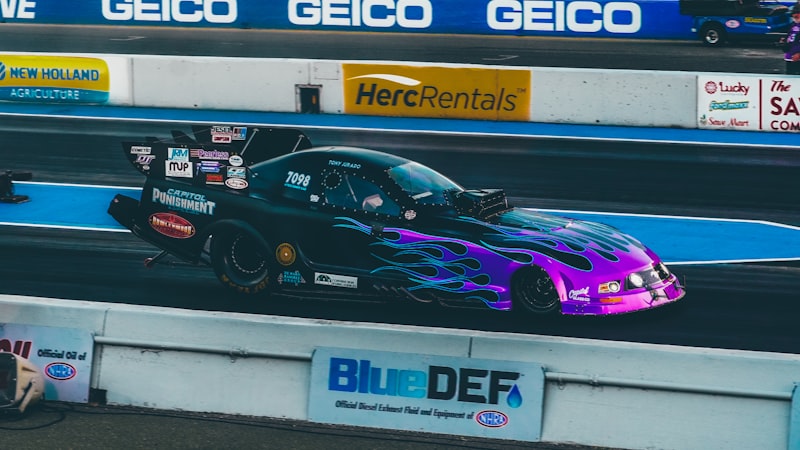
New drag racers face a steep learning curve. Overlooking the details of fire suit rules can waste time and money. Here are pitfalls—and how to stay on track.
First, never assume streetwear is allowed. Even at “fun runs,” tracks enforce minimum safety gear. In fact, showing up in jeans and a t-shirt guarantees a failed inspection.
Second, do not cut costs by buying used gear without checking SFI expiration dates. Many suits are sold online with expired tags. Inspect labels before you buy or accept a hand-me-down.
Another common mistake: ignoring care instructions. Washing with bleach, exposing the suit to the sun, or storing in damp places damage the fabric’s effectiveness.
Beginners might also forget to bring complete documentation, like recent receipts, certification cards, or labels. Therefore, prepare your gear and paperwork the night before each event.
Finally, many new racers overlook track-specific briefs. Read your local track’s documentation. If you are unclear, contact tech officials in advance for clarification.
Conclusion

Knowing drag racing fire suit rules for beginners isn’t just about passing tech inspection. It is about protecting yourself and others every time you race. As you start your drag racing journey in 2026, always choose a suit with the right SFI rating for your class and speed.
Equip yourself with certified gloves, shoes, and a helmet. Check your track’s rulebook and follow all updates from SFI and NHRA. Regularly inspect and care for your gear. Never skip safety. In fact, your racing future depends on it.
Ready for your first pass? Review this guide, check your gear, and race safe. Always put safety first, and the fastest time will be that much sweeter.
—
References:
Leave a Reply