


Learning how to practice drag racing launches is one of the most important steps for new racers. A good launch can mean the difference between winning and losing at the track. Therefore, beginners at their first event or test-and-tune night should focus on this skill early.
Launching your car in drag racing is about more than just hitting the throttle. In fact, it takes timing, consistency, and an understanding of both your car and the track. This guide will walk you through each step, using simple words and clear examples.
If you follow this guide, you will be ready to practice safely and improve your times. Let’s break down the launch process, gear you need, and tips for getting faster at your local test night.
Understanding Drag Racing Launches: What Really Happens at the Start
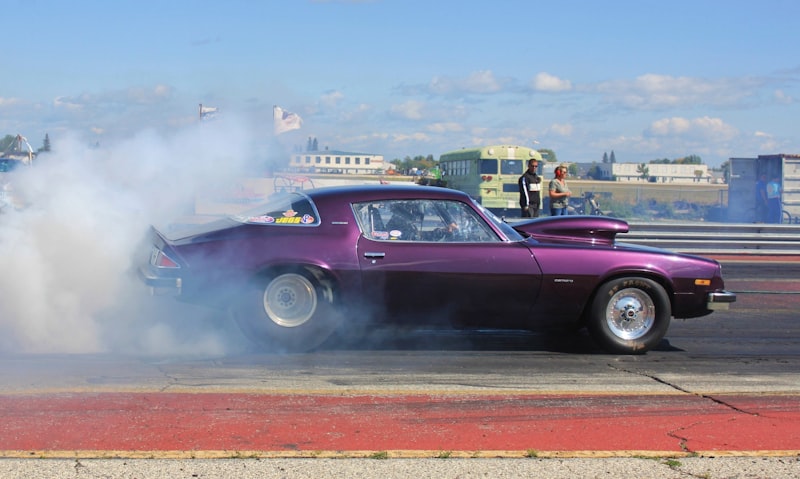
To grasp how to practice drag racing launches, you first need to know what happens at the starting line. When you stage your car, you roll forward until both of your front tires trip two sensors on the ground. This lights up the “Pre-Stage” and then “Stage” bulbs on the “Christmas Tree,” which is the name for the starting signal lights in drag racing. Veja tambem: Beginner Friendly Drag Racing Tracks: Where to Start in 2026.
These lights count down, and when they turn green, your run starts. Your “reaction time” is how fast you leave after that green light. A quick reaction is important, but it is only part of the launch. The other part is how you get your car moving down the track as quickly as possible without spinning the tires or losing control. Veja tambem: What to Expect at Your First Drag Race: A Complete Beginner’s Guide.
In addition, launch technique depends greatly on your car’s setup. Cars with manual transmissions need you to manage the clutch and throttle at the same time. On the other hand, automatic cars often use a foot-brake or transbrake method. Street-tire setups launch differently than cars on racing slicks.
For example, a beginner at a Friday test-and-tune event with a street car might practice using gentle throttle input to avoid burning out the tires. Meanwhile, an experienced racer with a purpose-built car might raise the engine speed on the line to launch harder using a transbrake system.
As a result, practicing launches is not just about reacting fast to the green. It’s also about applying the right amount of power, at the right moment, so your car hooks up and accelerates.
Understanding the basics—reaction time, tire grip, and launch rpm—gives you the foundation for practicing launches. To deepen your knowledge, the NHRA Drag Racing Basics page offers clear definitions and tips for first-timers.
What You Need Before You Practice: Safety, Equipment, and Preparation
Before you start working on your launch, make sure you are prepared. At your first entry-level event or test-and-tune, the right gear and mindset are key. Safety always comes first, as even low-powered cars can break traction or lose control at launch.
First, inspect your car. Check the tires for wear, confirm all lug nuts are tight, and make sure there’s no fluid leaking. In addition, check that your brakes work well, and your seatbelt or harness is secure.
Many tracks require a helmet, even for street cars. The SFI Foundation and NHRA both provide helmet safety specs that most drag strips follow. Confirm with the track what type of helmet they require for your car’s speed.
Next, empty extra weight from your car, especially in the trunk or back seat. Loose items can move around and become hazards. Make sure your battery is secure, and that your car is not leaking oil or coolant.
For automatic cars, you don’t need many extras. However, if you have a manual, check your clutch—and be ready for some learning-time, as clutch launches are tricky.
Bring enough fuel for several passes, plus water, a tire gauge, and basic tools. You may want to lower your tire pressure a bit for better grip, especially if the track allows it. Track prep usually means more tire bite, but be careful not to lower pressure too much on regular street tires.
In summary, take time to get your car and yourself ready. Walk through tech inspection at your first event and ask questions if you’re unsure about any requirements. You’ll start your launch practice with confidence and fewer surprises.
Step-By-Step: How to Practice Drag Racing Launches at Your First Event
Now that you have your gear ready and know the basics, it’s time to go through the process. Here is how to practice drag racing launches, step by step, for your first event or test-and-tune night.
1. Staging on the Line
As you approach the starting line, go slowly. Roll forward until the top (Pre-Stage) bulbs light on the “Christmas Tree.” Inch ahead just enough to trigger the bottom (Stage) bulbs. Stop your car without moving again. Once staged, keep your foot on the brake and wait for the starter signal.
2. Setting RPM and Launch Control
If your car is an automatic, you’ll likely use the brake to hold the car and bring up some RPM. For most street cars, hold the engine at 1,000-2,000 RPM. Too much power will cause your tires to spin.
Manual drivers should rev to the RPM where they can let off the clutch and start moving quickly, but without bogging or spinning. This takes trial and error, so start lower and build up as you practice.
Modern cars may come with launch control features. Use them if you have them, but follow manufacturer instructions closely.
3. Reacting to the Lights
Watch the yellow lights count down. As you see the last yellow come on, start to release the brake (or the clutch in a manual). Launch as close as possible to the green. However, if you leave too early, you’ll red-light and the run won’t count.
Your reaction time mainly depends on practice. Try to react to the last yellow instead of waiting for the green—it takes time for your body to send the signal.
4. Applying Throttle Smoothly
When launching, press the throttle firmly but smoothly. Spinning the tires wastes time. If you hear squealing or your car slides, back off on the next run and lower your launch RPM a bit. If your car bogs (loses power), raise the launch RPM next time.
In addition, pay attention to track conditions. Hot pavement or dirty lanes may offer less grip. Every pass teaches you something.
5. Reviewing and Adjusting
After each run, look at your time slip. Focus first on the “60-foot” time. The lower this number, the better your launch. Write down what RPM you used, how the car felt, and what the outcome was. Then, change one thing for the next run—maybe a little more RPM, or less throttle. Repeat and watch your times improve.
For beginners, three to five runs per event is plenty. Rest between runs and review your notes. With repetition, launching will become a rhythm.
Top Mistakes to Avoid When Practicing Launches (and How to Fix Them)
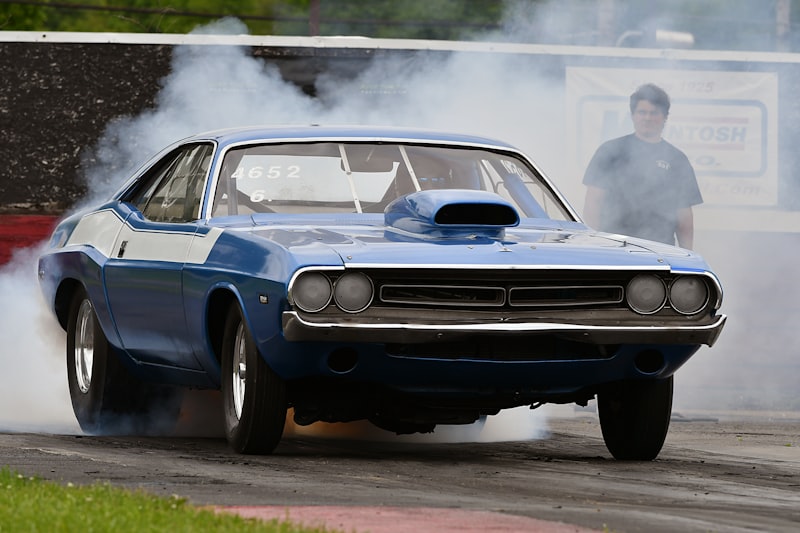
Even experienced drivers make launch mistakes. As a beginner, you will learn faster if you spot and correct these common errors. Here is what to watch out for when you practice drag racing launches.
Over-Spinning or Bogging the Tires
Many new racers hit the gas too hard at the start and spin the tires. This feels exciting, but it actually slows you down. To avoid this, lower your launch RPM and press the throttle smoothly. As a result, your 60-foot times will drop.
Bogging, on the other hand, means you did not give the car enough power at take-off. If your car hesitates or feels sluggish after the launch, try raising the RPM a little on your next attempt.
Staging Too Deep or Shallow
If you move too far forward at the line, you may deep-stage accidentally and hurt your reaction time. Rolling back out of the beams causes a foul. Instead, stage carefully until just both bulbs are lit and stop the car.
On most tracks, practice shallow staging until you are comfortable. This gives you a bit more room for error and helps you get smooth reactions.
Not Paying Attention to Track Prep
Track conditions can change each hour, especially during busy events. If you launch in a lane with little rubber build-up, your tires will struggle for grip. Therefore, watch where other drivers line up, and choose lanes that look clean and sticky.
If rain or oil spills happen, ask the track staff if the surface is safe. Never practice launches in unsafe conditions.
Ignoring Data and Feedback
Many beginners skip reviewing their slips or forget what they did each run. Make short notes about your launch RPM, technique, and how the car acted each time. If possible, record your runs on video so you can review your launch and staging position.
By learning from your mistakes, you improve much faster. In summary, staying alert, making slow adjustments, and tracking results will build better launch skills every time you go to the track.
Practice Drills and Exercises to Improve Your Launch Skills
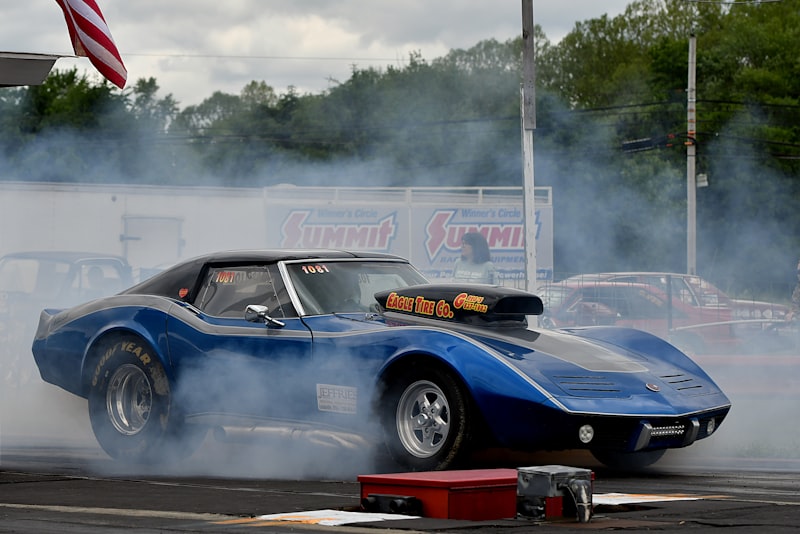
Improving your launch is a matter of experience and repetition. Nevertheless, you can accelerate your progress with drills both on and off the track.
Practicing Reaction Time at Home
Many racers practice their reaction time at home using online tools or mobile apps. For example, sites like Practice Tree let you simulate the countdown lights just as you see at the track. These virtual practice tools help condition your mind and hand-eye coordination.
Try running a dozen rounds in the evening before a track day. Write down your best reaction time, and try to beat it each session.
Street Practice: The Safe Way
Practicing full launches is only safe at the track. However, you can practice managing the clutch or throttle response in a safe, empty parking lot. Keep speeds low and do not break local laws. For manuals, practice feathering the clutch and finding the “bite point.” For automatics, press the gas from a standstill and learn what too much or too little throttle feels like.
Recording and Reviewing
Set up a GoPro or use a friend’s phone inside the car, facing the dashboard and outside. This will help you review your footwork, RPM, and timing later.
After the event, watch your footage. Look for areas where you hesitated, launched too soon, or let out the clutch too suddenly. Reviewing visual feedback often shows you things you missed in the moment.
Using Data from the Track
If your car has an OBD-II port (most cars built after 1996), you can plug in a simple data logger. These devices show your RPM, throttle position, and speed during your launches. Compare the data to your time slips and see how changes to your technique affect your results.
Over time, you’ll learn what a “good” launch feels like and looks like, even before you get your time slip. As your skill grows, your launches will become smoother and faster without extra stress on your car.
Conclusion

Practicing launches is the first step to success in drag racing. When you understand the basics, prepare properly, and learn from each run, you will improve quickly. Always put safety first and approach each event ready to learn.
Every beginner struggles with their first few launches. However, with careful practice and smart adjustments, you’ll see steady gains in both skill and confidence. Review each time slip, experiment with settings, and ask for advice at the track.
If you want to deepen your knowledge or connect with other new racers, check out resources like the NHRA’s First-Time Racers guide.
In summary, the path to quick, consistent launches is open to everyone willing to practice and learn. Get ready, have fun, and enjoy the thrill of your first perfect launch!
Leave a Reply