

If you are new to drag racing, you may want drag racing helmet requirements explained in simple terms. Wearing the right helmet is not just a rule—it can save your life. In 2026, racetracks and racing organizations demand strict helmet standards for every driver. However, the details and rules can feel confusing at first.
This guide will help you understand all the key helmet requirements in drag racing. You will learn which certifications count, what features matter, and why certain rules exist. We will also cover practical tips, real examples, and safety data. Therefore, you can head to the track with confidence and stay protected.
Drag Racing Helmet Requirements Explained: Essential Rules and Safety Standards
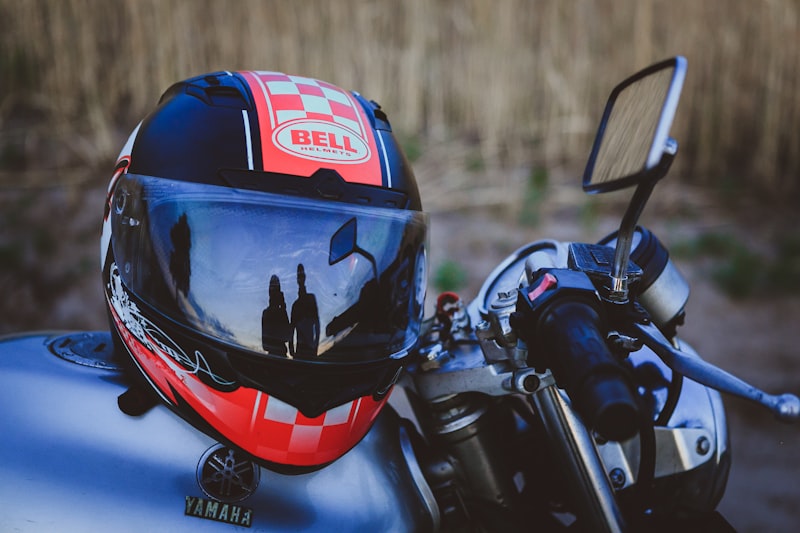
Helmet safety rules in drag racing change as you go faster. In fact, each racing body—such as the National Hot Rod Association (NHRA) or International Hot Rod Association (IHRA)—sets its own standards. However, almost every racetrack in the U.S. now follows the same core principles when it comes to helmet safety.
Key Certification Standards
First, all drag racing helmets must have specific safety certifications. In the U.S., the Snell Memorial Foundation certification is the gold standard. The latest Snell rating in 2026 is SA2025. Most tracks will only accept helmet models with the SA2020 or SA2025 labels.
For example, the NHRA rulebook states that helmets must meet or exceed Snell SA2020 or newer standards for all drivers who go quicker than 13.99 seconds in a quarter-mile. Some organizations will also accept DOT (Department of Transportation), SFI, or ECE certifications for slower vehicles. However, these are usually for street classes, and never for fast performance brackets.
Why Certifications Matter
Certification labels show the helmet passed tough lab tests for impact, fire resistance, and fit. For instance, Snell SA-rated helmets use stronger fire protection than street M-rated helmets. In addition, if you race with forced induction, nitrous, or in a closed cockpit, it is essential to wear an SA-labeled helmet, as these helmets protect against both crash impacts and fire.
You should always check the inside of your helmet for the certification sticker. Helmets that lack a current Snell label may not be allowed past tech inspection.
Speed Classes and Helmet Rules
As a result, helmet rules depend on how fast your car runs at the track. For ETs (Elapsed Times) slower than 13.99 seconds, many tracks will allow Snell M (motorcycle) rated helmets. But, for cars running 13.99 or faster, you need Snell SA helmets. The faster you go, the tighter the rules become. For example, cars running faster than 9.99 seconds may require full-face helmets, or even a head-and-neck restraint system in addition to the helmet.
In summary, understanding the correct certification and speed class requirement ensures you pass tech inspection and stay safe.
Critical Features of Approved Drag Racing Helmets
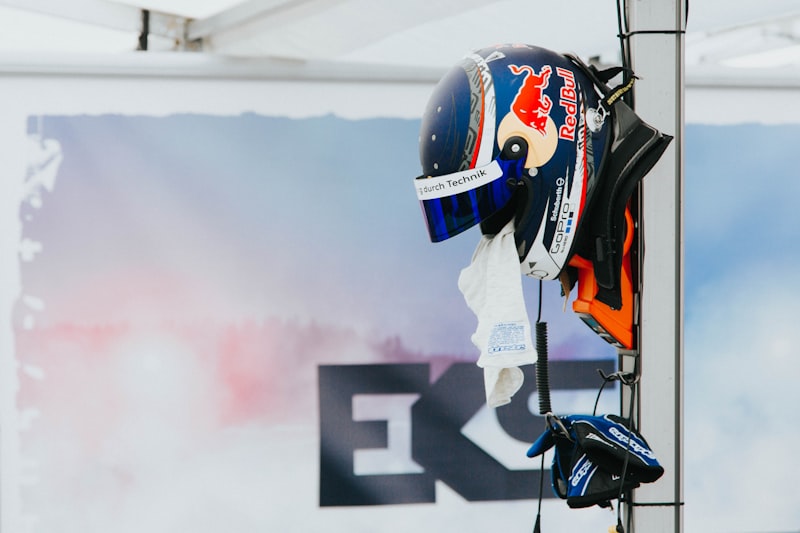
Choosing the right helmet is about more than just certification. Therefore, certain features are absolutely necessary for protection and rule compliance. Teams and drivers who know these features make smarter choices—both for safety and performance.
Full-Face vs. Open-Face Helmets
Most drag racing series advise or require a full-face helmet for cars running faster than 13.99 seconds. Full-face helmets protect the chin, jaw, and face in a crash or fire. On the other hand, open-face helmets leave the face exposed. They are usually allowed only at slower speeds.
For instance, the NHRA specifically says that full-face helmets with proper shields are required for Top Dragster and Top Sportsman. Some slower classes may allow open-face helmets, but you must check your track’s rulebook.
Helmet Materials and Design
Modern drag racing helmets use lightweight composite shells—such as fiberglass, carbon fiber, or Kevlar. These materials spread impact force and resist heat better than cheaper plastics. In addition, quality interiors use fire-retardant materials to protect your skin. As a result, drivers spend more for helmets made with racing-grade features, but the protection is worth it.
Fire Resistance and Added Gear
For advanced classes or cars using nitrous or forced induction, the helmet must be fire-resistant by design (Snell SA standard). Many tracks also require you to use a fire-retardant balaclava, especially if you have facial hair. In summary, these added layers create real protection during a fire.
Visor and Shield Requirements
Approved drag racing helmets must have a clear or tinted shield with impact and fire resistance. In fact, some classes require tear-off visors or anti-fog coatings. For example, Top Fuel drivers use multiple tear-offs because visibility can drop fast from tire smoke or oil.
There is also a growing trend toward smoked shields for events run during bright daylight. However, you cannot use shields that block too much light at night races, as this affects safety.
Passing Tech Inspection: Real Examples and Key Mistakes
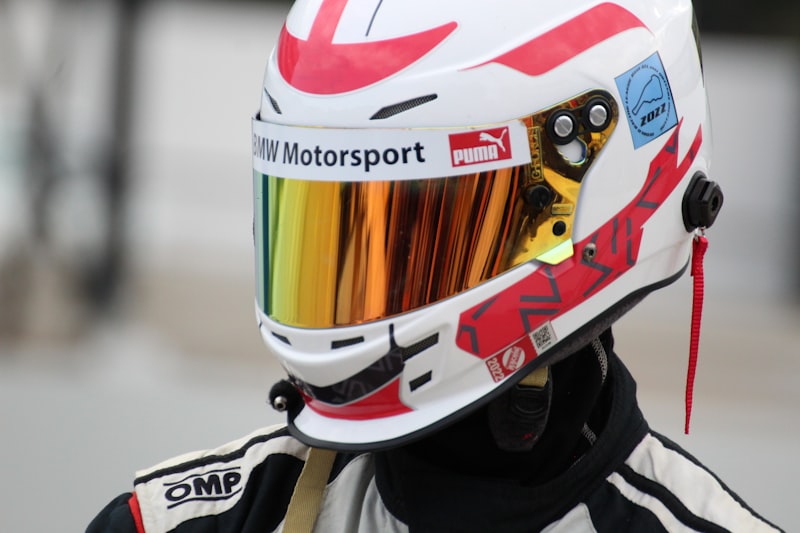
Tech inspection is where most helmet mistakes are caught, so knowing what to expect is critical. Many drivers make simple errors that could be avoided with preparation. Let’s look at common issues and examples.
Common Reasons Helmets Get Rejected
First, using an expired helmet is the top reason for failure. If your helmet lacks a current Snell SA2020 or SA2025 rating, tech inspectors will not let you race. In addition, missing certification stickers or damaged interiors are frequent red flags.
For example, Joe, a weekend racer, brought his old Snell SA2015 helmet to an NHRA event in 2026. Despite its good appearance, inspectors rejected it because it was outside the 10-year window. He had to purchase a new helmet at the track store, paying more than he would have paid online.
Another racer, Lisa, failed tech for using a motorcycle-rated (M2020) helmet in a class requiring the SA standard. She had to borrow an SA-rated helmet to avoid missing the event.
Tech Inspection Checklist
Before heading to tech, follow this checklist:
- Check the helmet’s certification sticker (should say Snell SA2020 or SA2025)
- Inspect the shell for cracks or major chips
- Examine the interior for tears, mold, or missing padding
- Make sure the shield works smoothly and locks tightly
- Clean the visor for clear vision
- Bring proof of purchase or documentation if the helmet is new
Because of this careful check, you’ll pass tech and avoid costly delays.
Track-Specific Rules
Some tracks have rules above and beyond standard guidelines. For example, a few require extra padding or crash sensors for junior dragster drivers. Always check your track’s website or rulebook before race day.
Helmet Care, Replacement, and Avoiding Counterfeits
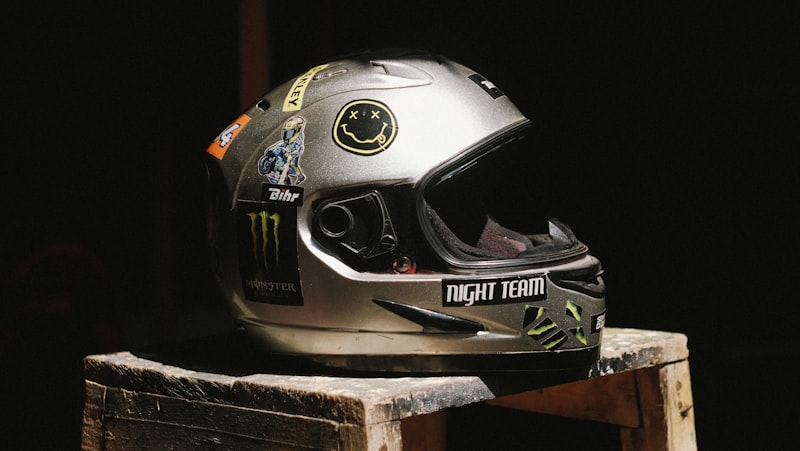
Racer safety does not end with buying the right helmet. In fact, how you treat your gear matters. Therefore, good care extends the life of your helmet and ensures it performs when you need it most.
How Long Do Drag Racing Helmets Last?
The latest Snell standard changes every five years. For 2026, SA2020 and SA2025 are valid. However, most tracks will not allow helmets more than 10 years past their certification date. Check with groups like Snell Memorial Foundation for updates.
If your helmet was in any crash, replace it—even if damage is not visible. Also, if you see cracks, loose padding, or faded straps, get a new helmet. That way, you know your protection is fresh.
Cleaning and Maintenance Tips
Always use mild soap and water to clean the shell and visor. Avoid harsh chemicals, as they break down materials. For the interior, some helmets feature removable liners. If so, wash these by hand and air dry.
Store your helmet in its original bag, away from heat and sunlight. Extended exposure to UV rays and moisture can weaken some composite shells over time.
Spotting Counterfeit Helmets
Unfortunately, counterfeit racing helmets are a rising problem. These fake products may look like real racing helmets online, but they do not pass tough crash tests. As a result, wearing them puts your life at risk.
For example, in 2025, the NHRA discovered several sellers pushing fake Snell-rated helmets on auction sites. Inspectors now check for authentic certification stickers and holograms at tech.
In summary, always buy from a trusted dealer and verify the certification label inside.
Advanced Safety: Head-and-Neck Restraints, Communication Systems, and Technology

For racers in faster classes or in cars with advanced setups, helmets are just part of the equation. In fact, many tracks now require added safety devices. Therefore, it’s smart to understand these requirements if you want to move up the ranks.
Head-and-Neck Restraints (HNR Devices)
Drivers running faster than 9.99 seconds in the quarter-mile almost always need an approved head-and-neck restraint device. These systems, such as HANS or Simpson Hybrid, anchor to helmet posts and prevent severe neck injuries in a crash.
For example, the NHRA updated its rules in 2023 to require all drivers in vehicles running 200 mph or faster to wear an HNR. In 2026, you still need to use one if your class or speed demands it.
Communication and Emergency Removal
Some helmets are designed with radio ports or intercom systems for teams that race at major events. In addition, most approved helmets now feature quick-release or emergency pull-tabs so safety crews can remove them quickly in a crash.
These modern features add little weight but can make a big difference during high-stress situations.
Technology and Testing
Helmet makers now use advanced CAD and wind tunnel tests to make drag racing helmets lighter and safer. For example, SFI Foundation works with makers to ensure their products meet strict tests for strength, fire resistance, and impact.
In summary, investing in a helmet with modern technology adds a layer of protection for drivers in all classes.
Conclusion
Helmet safety in drag racing involves more than following basic rules. When you understand drag racing helmet requirements explained in detail, you protect yourself and others on the track. Always choose a helmet with the latest Snell SA certification and replace it before it expires. Remember to check for key features—like full-face coverage and fire resistance—for your racing class.
Finally, keep your helmet clean and never use a counterfeit. For advanced racers, learn about head-and-neck restraints and new helmet safety technologies. Because of this, you set an example for others and stay ready for every pass down the track. Before your next race, review the rulebook and double-check your helmet gear. Safety on the dragstrip starts with your helmet—so make sure you are covered, protected, and ready to race.
Leave a Reply