

If you want the best launches on the street or track, a guide to tuning wheel alignment for traction is essential. Getting your wheel alignment right can make all the difference in traction, grip, and launch consistency. This guide will break down how wheel alignment affects traction, how to tune it for your suspension setup, and the best practices for those aiming to launch harder every time.
Whether you have a street car or competition build, understanding this practice will boost your results. In addition, proper wheel alignment helps reduce tire wear and makes your vehicle safer under heavy acceleration. People ignore alignment too often, but it has a massive impact on overall performance.
You do not have to be a professional racer to apply these tips. Many enthusiasts see major improvements just by making minor changes to alignment settings matched to their suspension. Therefore, let’s explore the fundamentals, strategies, and tricks used by experts and suspension engineers in 2026. Veja tambem: How to Reduce Body Roll with Suspension Upgrades: Proven Tuning Tips.
Understanding Wheel Alignment Basics for Traction

To start, let’s break down what “alignment” really means. Wheel alignment refers to the angles of your tires as they contact the ground. The three core settings are camber, toe, and caster. Each has a unique effect on how the tire grips during launch and acceleration.
Camber is the inward or outward tilt of your tires when viewed from the front of the vehicle. Negative camber means the top of the tire tilts inward. Positive camber means it tilts outward. In fact, negative camber can increase grip in corners but might reduce straight-line traction when launching unless balanced carefully.
Toe is the angle at which your tires point inward or outward when viewed from above. “Toe-in” means the front edges point toward each other; “toe-out” means they point away. For straight-line launches, a little toe-in can help stabilize the car and keep it tracking straight. For cars focused on high grip launches, excessive toe can reduce traction and increase tire wear.
Caster is the angle of the steering axis relative to vertical. More caster increases straight-line stability and helps keep tires flat on the ground during suspension movement. However, caster changes are more relevant at higher speeds and less critical for most drag-style launches.
For cars in the Suspension & Traction category, these angles work together to make sure your tires grip the surface as hard as possible during acceleration and launches. Mistuning any of them can cause your car to pull, wander, or spin the tires. Therefore, getting them right matters for traction and safety.
How Alignment Affects Launch and Grip
For example, let’s look at a rear-wheel-drive car with stock alignment settings. If you increase rear toe-in slightly, you can help the car launch in a straight line. On the other hand, if you add a lot of negative camber in the rear, you might lose straight-line grip because less tire touches the pavement.
In real-world data, the Tire Rack has tested how small changes in toe and camber can increase tire life and grip by over 15% in specific driving scenarios. Therefore, using precise alignment settings gives you more traction and longer-lasting tires.
Key Alignment Tricks for Maximum Traction and Consistent Launches
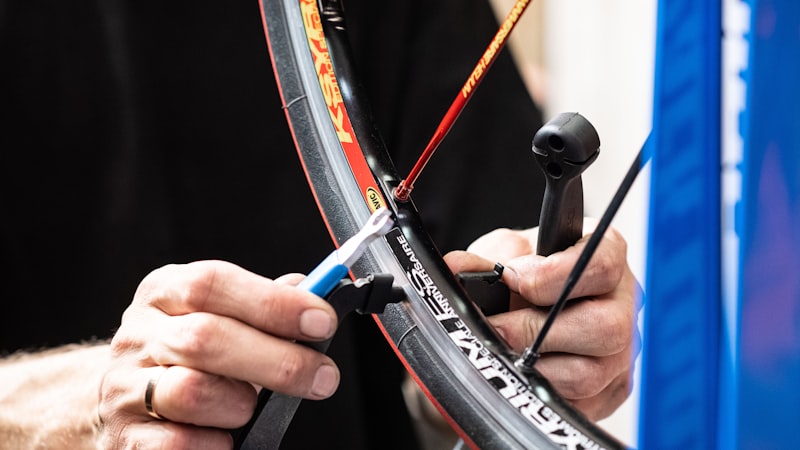
Tuning alignment for traction isn’t just theory. Real racers and street enthusiasts use specific tricks that work across many cars, from muscle cars to import tuners. Each trick below is based on feedback, test data, and performance improvements seen in cars set up for hard launches.
First, check your starting point. Find your car’s factory alignment specs. Next, decide if you need more straight-line stability, improved grip, or better launch consistency. Based on this, use the following approaches:
Front Wheel Alignment for Launches
- Run close to zero toe or slight toe-in (0 to +1/16 inch total toe-in).
- Keep camber as close to zero as possible (-0.3 to 0 degrees) for maximum straight-line grip.
- Apply a small amount of toe-in (+1/16 to +1/8 inch total). This helps keep the car moving straight as weight shifts to the rear.
- Reduce negative camber. Target 0 to -0.5 degrees so more of the tire contacts the ground during squat and launch.
- Place your car on a level surface. Measure camber and toe at rest.
- Simulate launch with someone in the driver’s seat, car at race weight, and (if possible) extra weight placed over the rear or front to simulate load transfer.
- Re-measure camber and toe. If you see camber become more negative under load, set your static camber closer to zero.
- Adjust toe as needed, as changes can occur under load.
- Tire width and tread pattern
- Compound softness and intended use
- How tire profile changes as weight shifts or the sidewall flexes under load
- Rear camber: 0 degrees
- Rear toe-in: +1/16 inch
- Front camber: -0.2 degrees
- Front toe: 0 degrees
Rear Wheel Alignment for Traction
Adjust Based on Suspension Changes If you have upgraded suspension, such as coilovers or adjustable control arms, monitor how these changes affect your camber and toe as the car squats under launch. Lowering the car often adds negative camber, which can hurt straight-line grip unless corrected.
Real Example: Many drag race teams dial out rear negative camber right before an event, because the rear tires need as much rubber on the track as possible when launching. Teams report up to 0.1 second faster 60-foot times with correct alignment tweaks.
In addition, make sure you have matched your alignment settings to your tires. Softer drag radials might benefit from near-zero camber, while ultra-high-performance street tires can handle a bit more camber under power.
Finally, keep in mind that aggressive toe settings may increase tire wear. Because of this, always set up your alignment with your main use in mind: street, strip, or both.
Weight Transfer and Its Impact on Alignment Settings
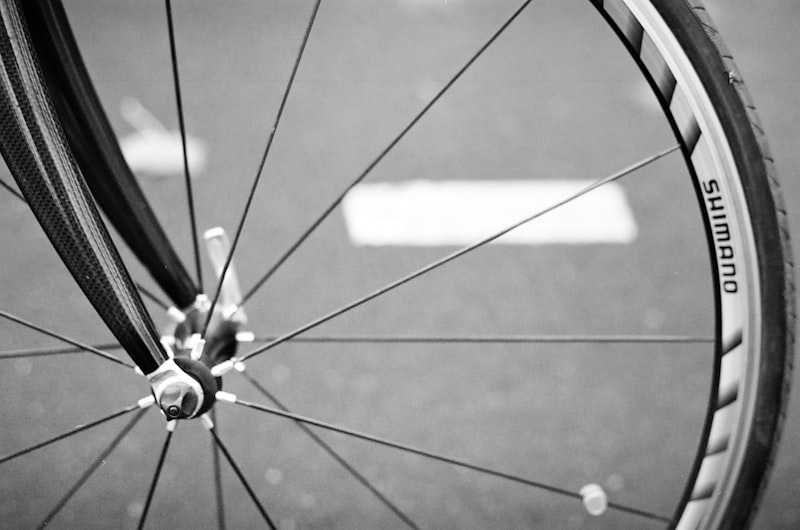
Weight transfer is a key part of why alignment matters for traction. When you launch, your vehicle’s weight shifts backward. This can change how much of each tire is contacting the ground. Therefore, it also changes how your alignment settings behave in motion.
For instance, when launching a rear-wheel-drive car, the suspension compresses and the camber often becomes more negative at the rear. If you start with too much negative rear camber, even more of the tire will lift at launch, reducing grip. Because of this, you must set rear alignment closer to zero camber, especially if your car squats a lot during launch.
Similarly, on a front-wheel-drive car, the weight shifts away from the drive wheels. To maintain traction, keep front camber near zero and avoid toe-out. In fact, some racers add slight toe-in on the drive wheels to keep the car pointing straight.
Suspension upgrades can change this dynamic. For example, if you install stiffer rear springs or anti-squat bars, you may reduce squat and keep more of the tire flat on the ground. In that case, you can run slightly more negative camber for better cornering without losing launch grip.
Practical Guide to Measuring and Adjusting for Weight Transfer
Here’s how you can check and adjust for weight transfer effects:
This approach works in club racing, street performance, or drag events. In addition, always re-check your alignment after any major suspension change.
According to Car and Driver, correct alignment for launch can improve acceleration times and stability, especially when tire contact area is maximized during weight transfer. Therefore, never underestimate the role of weight transfer in your alignment tuning.
How Suspension Components and Tire Choices Interact with Alignment
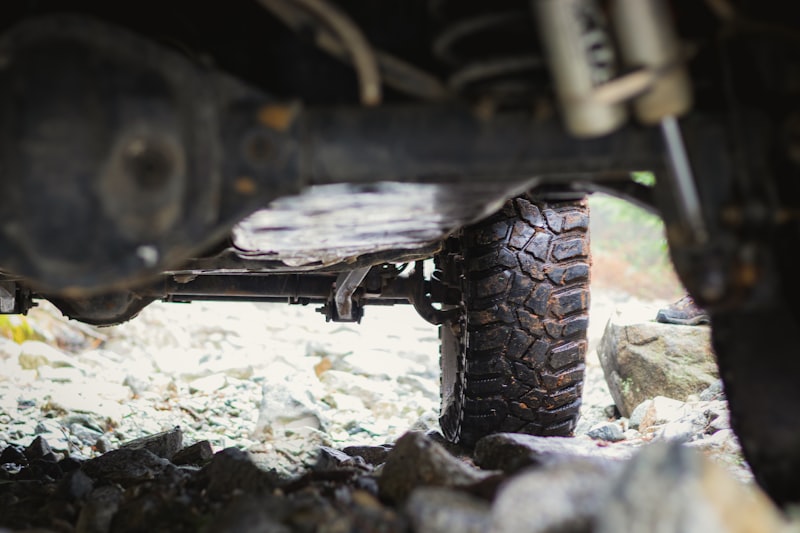
Alignment is only part of the suspension and traction equation. Suspension settings, component stiffness, and tire type all play major roles in how well your chosen alignment settings work during real launches.
Suspension Upgrades and Their Effect on Alignment
If you install adjustable control arms, strut mounts, or camber plates, you gain the ability to fine-tune camber and toe. For example, coilover suspensions give you more control but can change alignment as you lower the car. Therefore, always re-check and adjust alignment after changing ride height or suspension geometry.
Firm bushings and links help the suspension hold its alignment under heavy loads. However, soft bushings may allow alignment to shift under power, causing unpredictable traction loss or tire wear. Upgrading these components helps keep settings consistent.
Tire Selection and Contact Area
Tire type and size affect how much grip your alignment produces. For example, drag radials offer a larger, softer contact patch but are sensitive to excessive camber. Street tires can handle a small amount of negative camber for handling but benefit from near-zero camber when launching.
Always consider:
Real Setup Example
A 2026 Chevy Camaro SS running Mickey Thompson drag radials uses the following for launches:
This approach maximizes the tire patch at launch and keeps the car stable through the sixty-foot run. Many enthusiasts report similar settings for successful hard launches while minimizing uneven tire wear.
Maintenance and Alignment Checks
No matter your setup, alignment can drift over time due to worn suspension parts, hard launches, or road hazards. As a result, set a schedule to check and correct alignment before every race season or after any major hit or adjustment.
Small changes of just 0.2 degrees in camber or toe can make a visible difference in launch times and tire life. Therefore, use alignment tools or take your car to an alignment shop familiar with performance vehicles.
Fine-Tuning Alignment: Advanced Tips for Launch Consistency
Once you cover the basics, fine-tuning becomes the key to maximum, repeatable launches. This is where small alignment tweaks can help you shave tenths off your time and make launches more consistent race to race.
Data Logging and Video Analysis
Modern enthusiasts often use video and data loggers to analyze launches. For example, watch slow-motion footage of your launch. Pay attention to tire lift, squat, or wandering. In addition, use tire temperature gauges to measure heat across the tread after a hard launch. Hotter spots hint at poor alignment.
Involving Corner Weights
Corner weighting your car to balance left-to-right weight improves traction and launch predictability. Before finalizing alignment, get your car’s crossweight as close as possible (ideal is 50/50). Unbalanced weights can make the car pull, wander, or spin a tire off the line even with good alignment settings.
Accounting for Track and Weather Differences
Alignment needs can vary by track surface and temperature. For instance, a sticky prepped drag strip might allow for less toe-in than a rough street surface. As a result, keep a log of your alignment-traction results for different conditions.
Toe and Camber Adjustment Hardware
Consider investing in adjustable alignment hardware. Eccentric bolts, camber plates, and toe link adjusters make fine-tuning easier trackside or at home.
Testing and Iteration
Make alignment changes in small steps, and document the impact on launches and 60-foot times. Give each change a fair test run. In fact, professional drivers and teams might spend an entire test day perfecting these settings.
Safety Reminders
Remember, going too far with any adjustment can make the car unstable or dangerous at speed. In addition, always double-check that all suspension bolts are torqued to specs after alignment changes.
Conclusion
Mastering your wheel alignment is one of the simplest ways to gain traction and better launches, whether on the street or track. As you’ve seen in this guide to tuning wheel alignment for traction, small changes in camber, toe, and caster can produce big improvements.
Focus on your intended use — street, drag strip, or a mix. Use baseline data and make changes step-by-step. For best results, work with your suspension and tire choices in mind. Check your alignment often, especially after major changes or heavy racing seasons.
For more reliable tips on traction and suspension setup, keep exploring the Suspension & Traction category on ecredexa.com. With careful tuning and the right mindset, you will launch harder and more consistently in 2026 and beyond.
Leave a Reply